Speaking of old houses ...

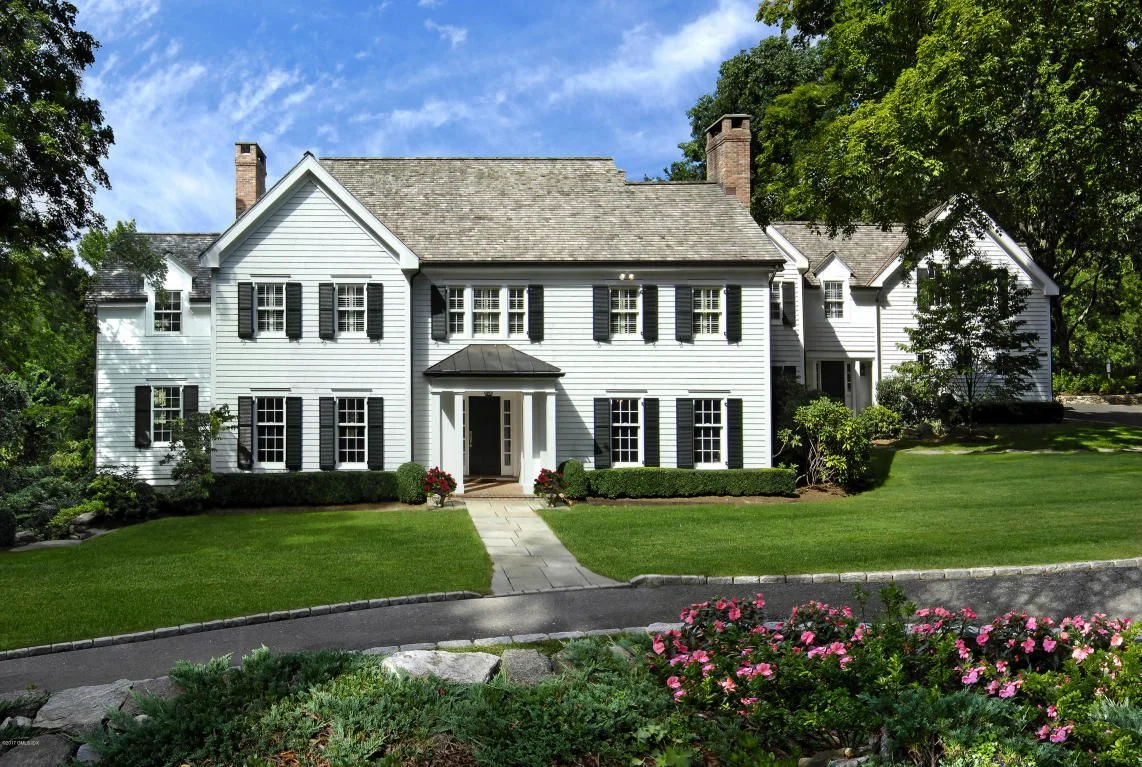
29 pECKSLAND ROAD, CIRCA (SIC) 1730

29 pECKSLAND ROAD, CIRCA (SIC) 1730

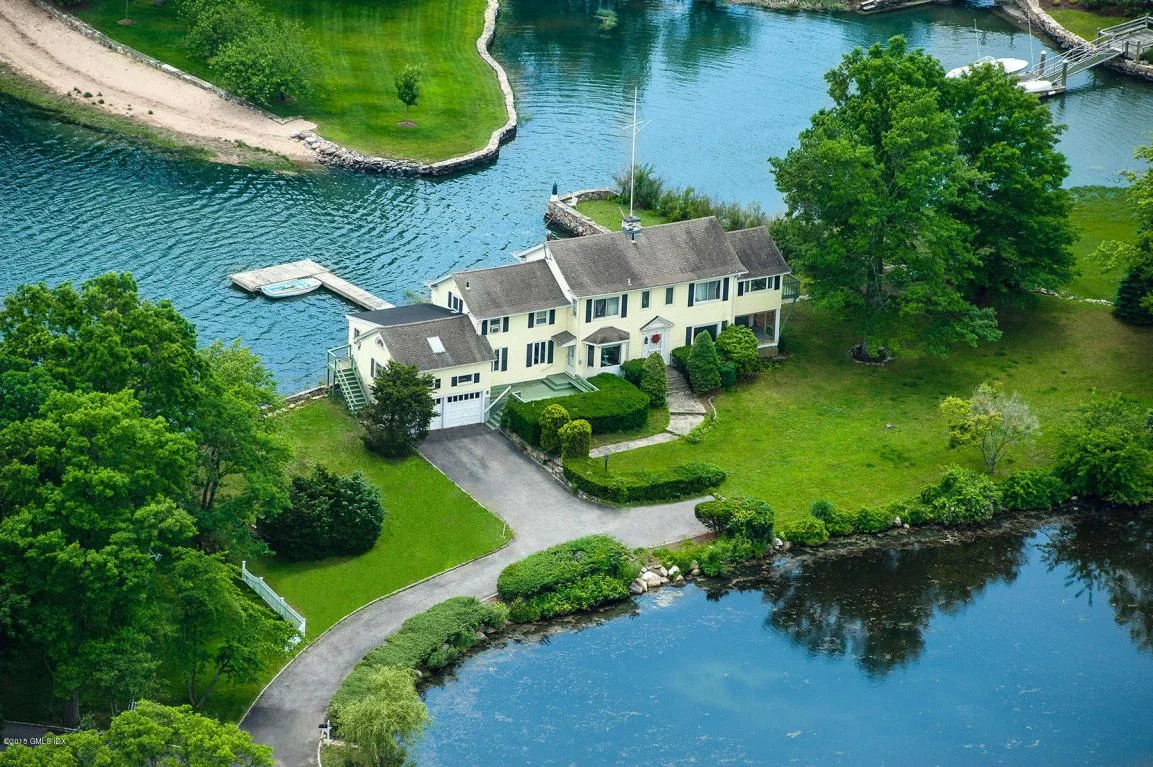
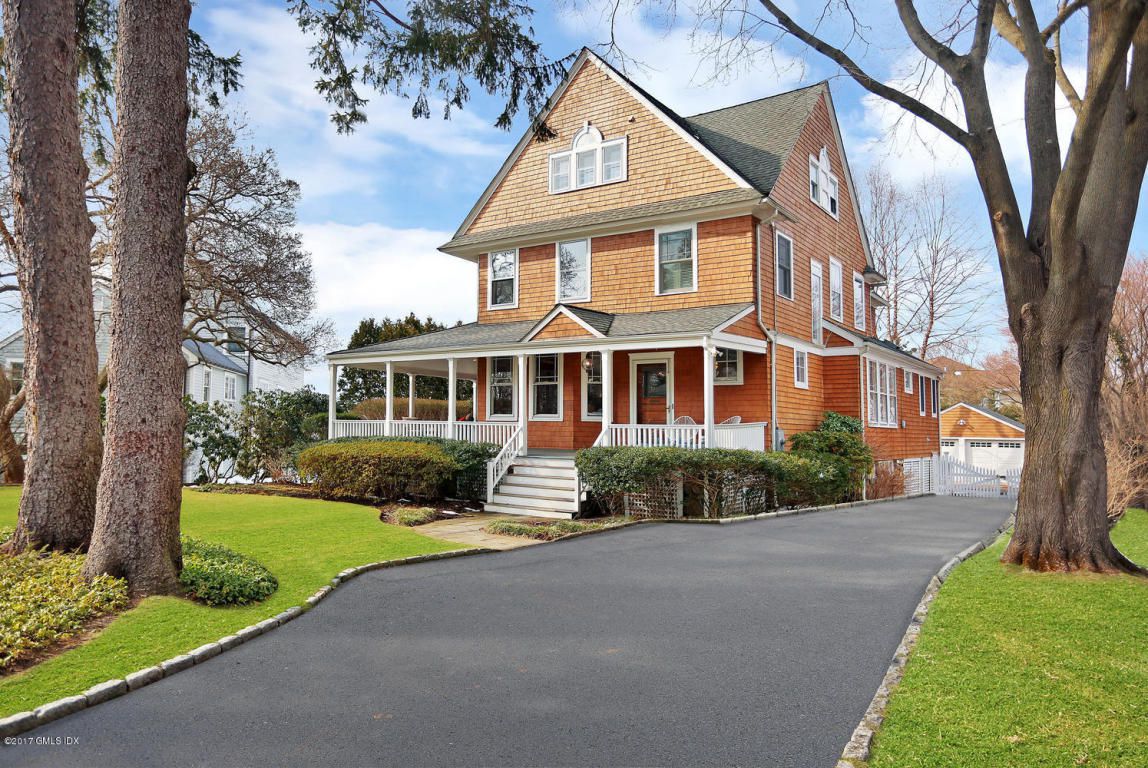
After eight years on the market, 29 Pecksland Road, built in 1730, which started off in 2010 at $5.275 million, has sold for $3.250. The owner paid $2.3 for it ($3.4 million in current dollars), when it had four acres. She split off two of those acres for a separate lot and, depending on the value of that lot, she might have made out here.

But I doubt it. The house was totally renovated, and expanded from 4,000 to 7,000 square feet, and that kind of work is expensive. If I had to guess, she lost her shirt.

And on a related topic, the GAR will probably count this property's days on market as 284, instead of 2,920, and its ask to sale ratio figured from its last asking price, $3.495, instead of $5.275. So we Greenwich realtors can all rejoice at the news that yet another house's (relatively) quick sale can be added to our rosy DOM average, and an ask-to-sold ratio of 93% used to bolster the claim that, as they announced just yesterday, "the luxury market has returned!". I figure that same ratio as 62%, but my math calculations are exactly why so many of my colleagues find me annoying.

It's a lovely house, and certainly one I'd be happy to own and live in, but the changes made to it since 1730, and especially the expansion of 2004, destroyed its historical value. There's nothing wrong with that: central heat, indoor plumbing and more living space are all features that most buyers today want and appreciate, but the old grey mare ain't what she used to be.

Still and all, I envy the new owners.
Not crazy, for Riverside

31 Chapel.jpg

31 Chapel Lane, $2.499 million, reports a contract. A 1900 house, it sold for $2.270 in 2004, then to these owners in 2014 for $2.025; lower than the previous price, obviously, but via bidding war, so the sellers must have been pleased. The house has been nicely updated and, though there are always compromises in an house this old, I think the new owners will be happy here. 

Now it can be told

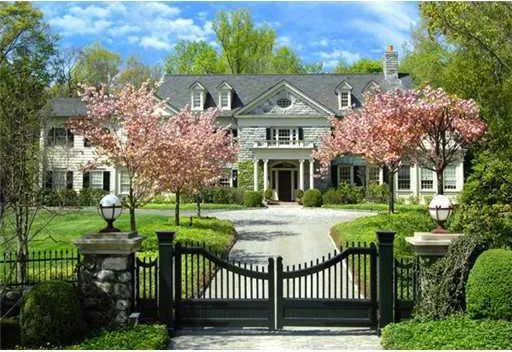
33 MEETING HOUSE ROAD

33 MEETING HOUSE ROAD

I've been reluctant to write about 33 Meeting House Road $4.995 million, because I thought I had some clients interested in the place, but they turned out to be a set of out-of-town "investors" who think they can grab properties for 1/3 of their actual value, so that was the end of that. I did submit one bid on their behalf on another property, a bid so low I was truly embarrassed to present it, and it takes a lot to embarrass me. I have no problem with submitting low-ball bids — I encourage them, in fact — but silly, stupid bids are just a waste of everyone's time, so I quit as their representative (agents are required to pass along any bid made by their client, and I don't want to be placed in that position by idiots. Again, a bid that's even half-asking price might be appropriate, but when it's a third of asking, and that ask is, after many reductions, pretty close to market value, then I'll punt). 

All of that's an aside. What interests me about 33 Meeting House is that I think it represents a real value at its current price. It started off, long, long ago in 2008 at $8.995 million and, while that was undoubtedly an overly ambitious price, what's really been killing this property has been the two Licata wrecks flanking Meeting House Road. Licata's ex-wife's property, overgrown with vines, roof crumbling, paint peeling, was tied up in litigation since, I think, 2006, while Jimmy's own project across the street, that massive hacienda-type mansion, has sat abandoned and partially finished for at least that long.

Title problems with both properties have now been resolved, and the ex-wife's house has been razed, with a new, $5 million house proposed, and the Hacienda was purchased last November for $2.050; the purchasers intend to sink another $3 million into finishing it.

Which brings us back, again, to No. 33. The is an extraordinary value, in my opinion, because of the quality of its build and the property it sits on. It would rent out, easily, for $30,000 (okay, maybe $28,000), and that would provide an excellent rate of return, with the promise of a nice bit of capital appreciation when the former Licata properties are completed. 

Maybe the listing agent should pitch it to Steve Cohen, who lives behind this house, up the hill. Failing that, I suggest that you couldn't go wrong here at, say, $4.5. It's certainly far more house than many others in that price range, and this one comes with an upside.

While we await the opening bell, this diversion

martyrobbinselpaso.jpg

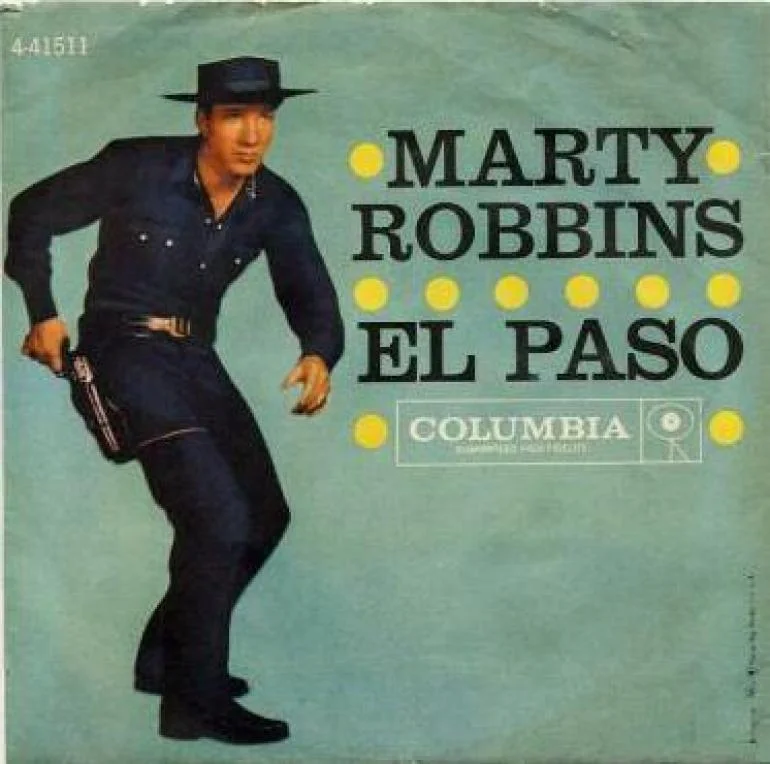
"El Paso", by Marty Robbins, has been my favorite cowboy song since I was eight-years-old or so, but I'd always focused on the story, not the musicianship. It was recently pointed out to me that Robbins was an incredibly good guitarist, and that some of that skill could be heard in El Paso. So I listened again and by golly, my friend was right. Here's a version, using the original performance with — ahem — a different actor. 

UPDATE: Oops! My friend was wrong — the guitar was supplied by Grady Martin. Still a great song, however.

Post Road Auto Row is protested

Do I have a car for you!

Do I have a car for you!

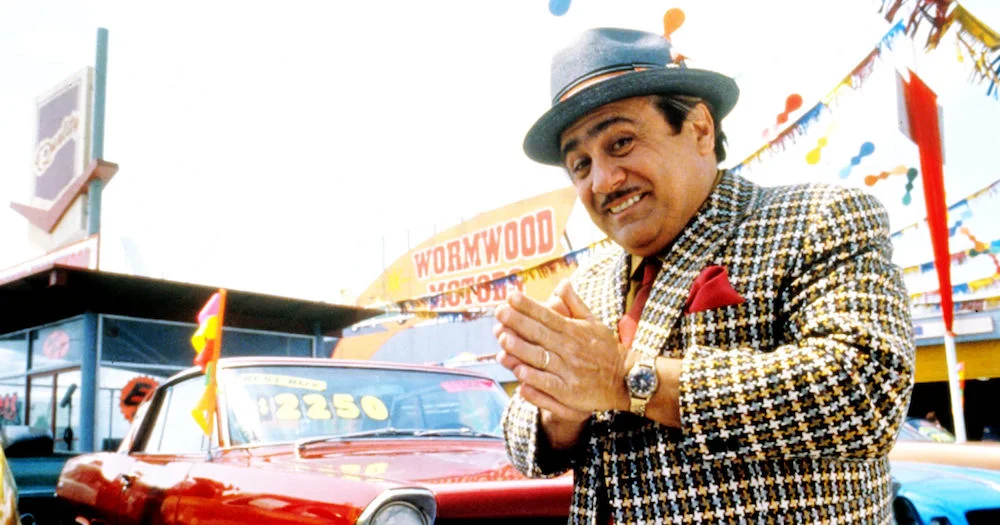
Some Greenwich residents are speaking out against the new buildings car dealerships are putting up on the western end of town. I don't blame them for hating the "CVS Building" (actually, a failed office building project —CVS just took part of it because of the cheap rent) — who wouldn't? But the dealership buildings are no worse, and probably better, than what they looked like before their recent transformation.

Different, yes, but long term residents might remember the sprawling parking lots and cheap, nasty buildings that were there in the 60s and 70s, and appreciate the improvement. 

And we need car dealers in town; lots of them. As long as residents insist on leaving their vehicles unlocked, with keys in ignition, they'll be replacing them every couple of months, and traveling to a distant dealership is such an inconvenience.

This snippet from the Greenwich Time article nicely sums up the issue; it's fairly easy to understand both sides but in this case, I'd side with the Architectural Review Board and the P&Z:

Another District 7 RTM member, Henry Orphys, said at the meeting the dealerships should be “more stone-like.”
“Several of my constituents said they’d like to preserve the character of the town,” he said.
“Obviously it’s a commercial section,” Orphys said after the meeting. “It shouldn’t be operated as a 16th century town. But I thought Freiberg’s comment about billboard advertising — she’s onto something there.”
ARC member John Conte said he understands the interest residents have in keeping Greenwich’s character as it always has been. But, he said, the review committee’s power is limited in that regard.
“We all wrestle with the historic nature of our town,” Conte said, “yet we are in a forward moving world. It’s not possible to stop the architectural advancements. We do hear you. But it’s not our job to hold Greenwich to 16th century architecture. If the town wants it, they need to (ask us to prioritize that). But they haven’t.”

Not that I'd make a special trip to view these architectural marvels, but life is change, and in my opinion, this is a change that doesn't lessen the quaint, quiet beauty that is Route One.

Oh come on, you'd think any Greenwich resident would know better than this

In fact, I'll pay YOU!

In fact, I'll pay YOU!

Resident scammed out of his $1,200 iPhone after he shiped it to a buyer in Nigeria. Nigeria?!! Are you kidding me? I read an article last year about a mathematician who figured out why email scammers so often claim to be Nigerian, even when they're actually Eastern Europeans: efficiency. They send out millions of letters, and figure that anyone who responds, in the face of a supposed Nigerian source, is dumb enough and gullible enough to be worth pursuing. I'm embarrassed for our town.

Of course I'm sorry that this poor guy was cheated, but ....

This reported sale will probably reflect both original asking price and days on market; I think.

73 Willowmere.jpg

73 Willowmere Circle, Riverside, land sale (0.62 acre, 0.51 usable FAR in the R-20 zone) has sold for $4.3 million.

The listing shows it as three lots, though I'd think highest and best use would be one large, waterfront home, rather than three very small ones; we'll see. Original asking price, back in July, 2015, was $7.950 million, and its last asking price as $5.950. The MLS shows both those prices, and its 946 DOM, because the listing was never removed during all that time. Had it been, DOM and asking price would have been reduced. I'll be curious, though, to see whether those numbers end up in February's sales statistics.

A slow start to the year, maybe.

Screen Shot 2018-02-15 at 12.07.37 PM.png

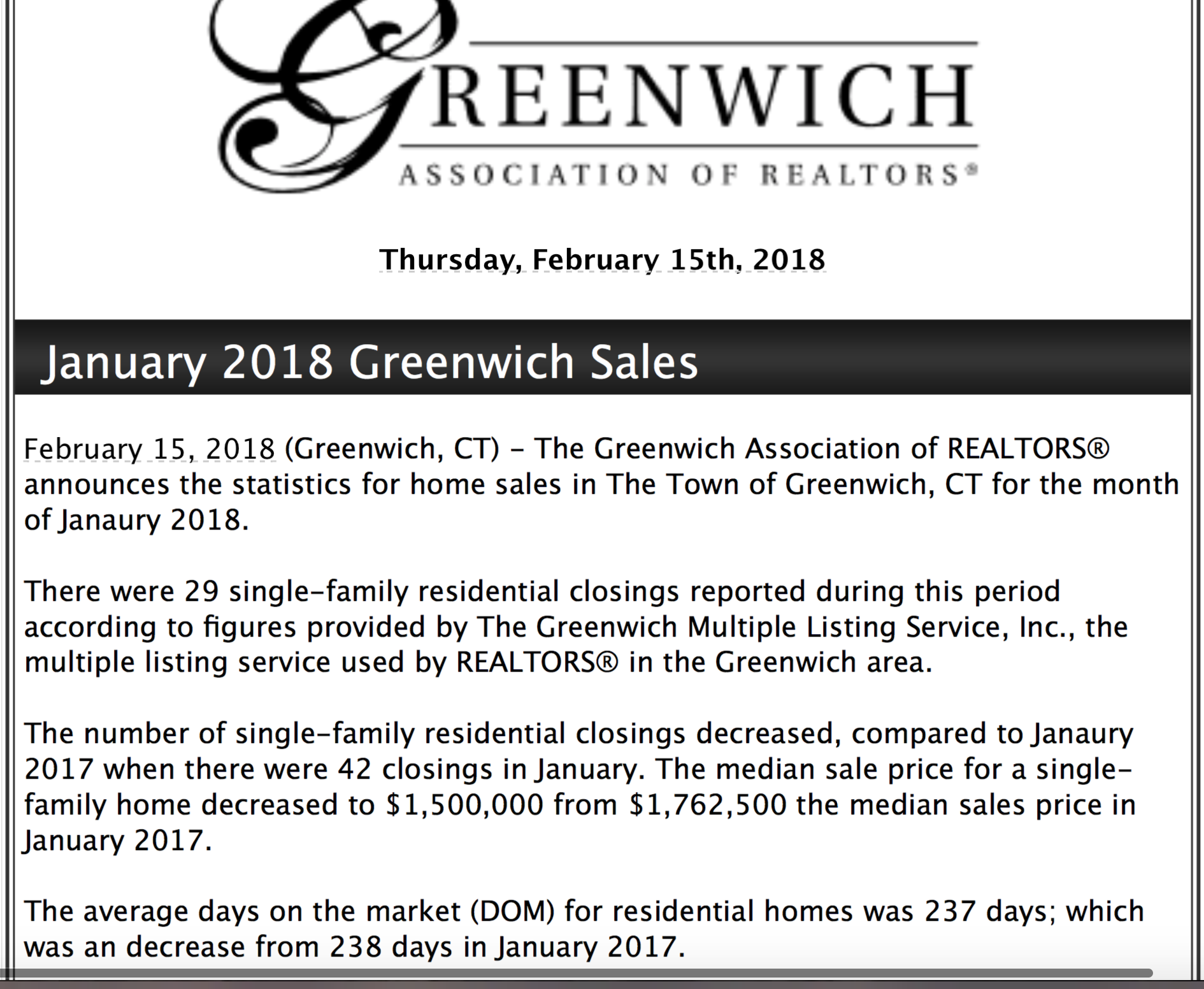
The GAR has just sent out January sales figures. January closings are down, but bear in mind that closings usually lag about 30 days from accepted offers, due to time spent drafting and negotiating contracts, inspections, and meeting mortgage contingencies. So I'd consider this a picture of December's market: we'll have to wait until mid-March to get meaningful sales statistics from January.

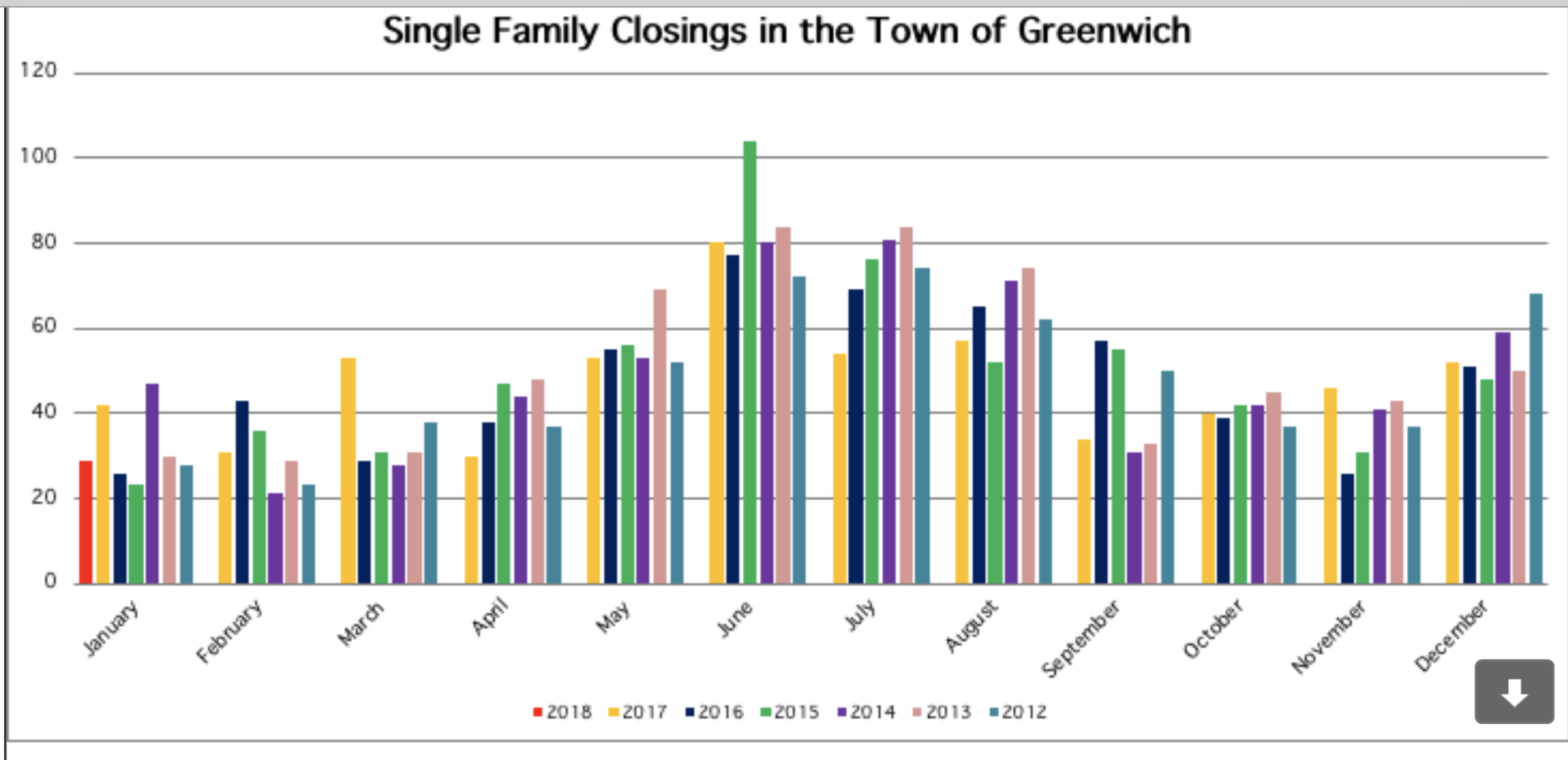
Same caveat as above: take these figures back a month to get an idea of when buyers are busy. Except for June and July — a lot of spring sales are pushed forward to those months, when school ends.

Same caveat as above: take these figures back a month to get an idea of when buyers are busy. Except for June and July — a lot of spring sales are pushed forward to those months, when school ends.

California's new gas tax poses the same dilemma Connecticut voters face

no (real) relief in sight

no (real) relief in sight

A hike of 12 cents a gallon, effective as of January 1st, is seeing a flurry of highly visible road repairs on California highways, spurred by fear that it will be repealed this November. No one, I assume, denies that California's roads are a mess, but people hate paying for such things. 

And, as the chairman of the group sponsoring the repeal bill says, 

“Voters are smarter than the politicians think — they know that any projects being done today are just window dressing as part of the campaign to keep this tax in place,” DeMaio said. “Once the campaign is over, the projects will disappear and the money will be stolen again.”

That's exactly my fear about our own state's plan to impose tolls. Tax revenue is fungible, and if new revenue comes in, even if earmarked for transportation, the legislature is almost certain to just shift the meagre money currently spent on highways to other purposes, leaving us no better than before. Witness Connecticut's (and most other states's) use of lottery proceeds supposedly directed to education. Lottery money (may, depending) be spent on schools, but existing funds are withdrawn, and dumped into the general fund. And the billions received from the cigarette settlement, intended for smoking-cessation programs and reimbursement to hospitals for treatment costs for uninsured smokers? Hahahahaha.

(There will be an almost-certainly-fruitless demonstration in Stamford this weekend by small business owners protesting the legislature's proposed gasoline tax hike, a tire fee, and tolls. i'm confident that these people would be better off staying home and saving their gas, and time, and breath.)

Legislation imposing a higher gasoline taxes and/or tolls could be written to ensure that the new revenue would be added to existing spending, and that might reassure voters, at least a little, that they're being hosed a bit less than usual, but I don't see that happening: what's the point of raising taxes if you can't spend it on your friends?

Paywalls, and the demise of news sites

Of course, we'll probably always have the tabloids to inform and enlighten us

Of course, we'll probably always have the tabloids to inform and enlighten us

Since the start of the new year and accelerating through February, I've noticed that an increasing number of newspapers have retreated behind cash walls. I get it: no money, no pay for reporters and editors, but I think the result will be elimination of local reporting. The Wall Street Journal can charge for its content because enough of us think it's worth paying for. Same with the NYT, though I refuse to give them anything, just as a matter of principle.

But in the past few weeks, newspapers like the Bangor Daily News, the Manchester (NH) something, the (bankrupt) Portland Herald, and dozens of small papers across the country have all erected cash walls. I'm a voracious web surfer, and I love following links to obscure stories, but there's no way I'm going to subscribe, even for 99 cents a month, to every pissant site that I'm unlikely to visit again.

Those publishers aren't going to miss my patronage, obviously, but multiplied by millions of would-be visitors who won't return, it seems to me that we'll soon be back where we were before the Internet: local news stays local, with any national dialogue defined and constrained to whatever the Associate Press doles out. That will be a pity, because if you've ever read an article by the AP, and I rarely do anymore, you'll find it one-sided, inaccurate and poorly written.

Blogging will suffer from the phenomenon, as well, because a proper blog links to the original source: just like footnotes in legal writings: articles, briefs, judicial opinions, a link is a promise that the article cited says what the writer says it does, while allowing the reader to go there and make an ind3pendent verification. Without links, a blog circle becomes a mere echo chamber, like Facebook.

I don't have the answer to this, but it's easy to predict that to the extent that small-market newspapers are hoping to survive by charging for their digital editions, they're doomed.