That was an expensive visit

75 busckfield.jpg

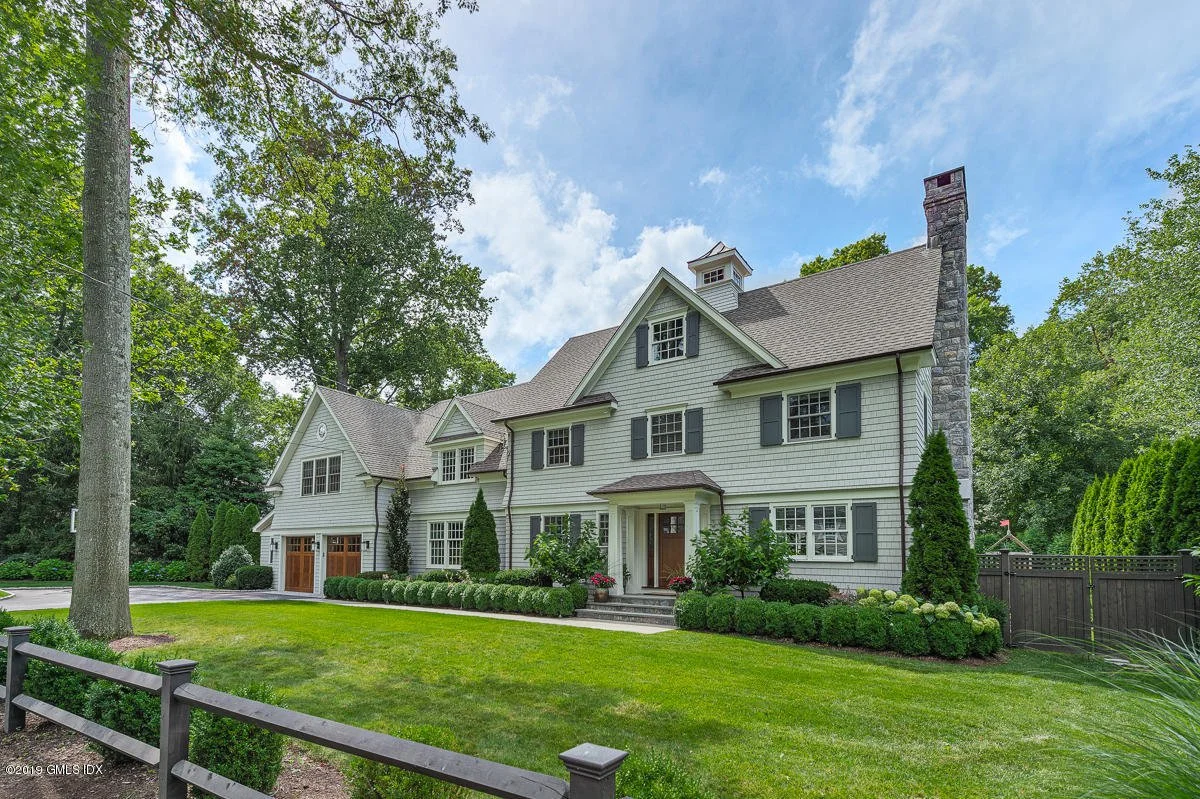
75 Buckfield Lane, now asking $3.499 million, reports a contract. Seller paid $4.4 for it in September, 2015, and that’s where he priced it when he went to re-sell it in September, 2018. Assuming he gets, say, $3.4, his three-year (yes, EOS, “months” was a typo — stop picking on me!) stay will have cost him a million dollars, and another $300,000 in transaction costs. He’d have been better off renting.

The lesson here, or one of them, is don’t pay almost-full-price for a house in a remote location that’s been on the market for just 30 days. Let it mellow.

Cos Cob spec house sells

bible.jpg

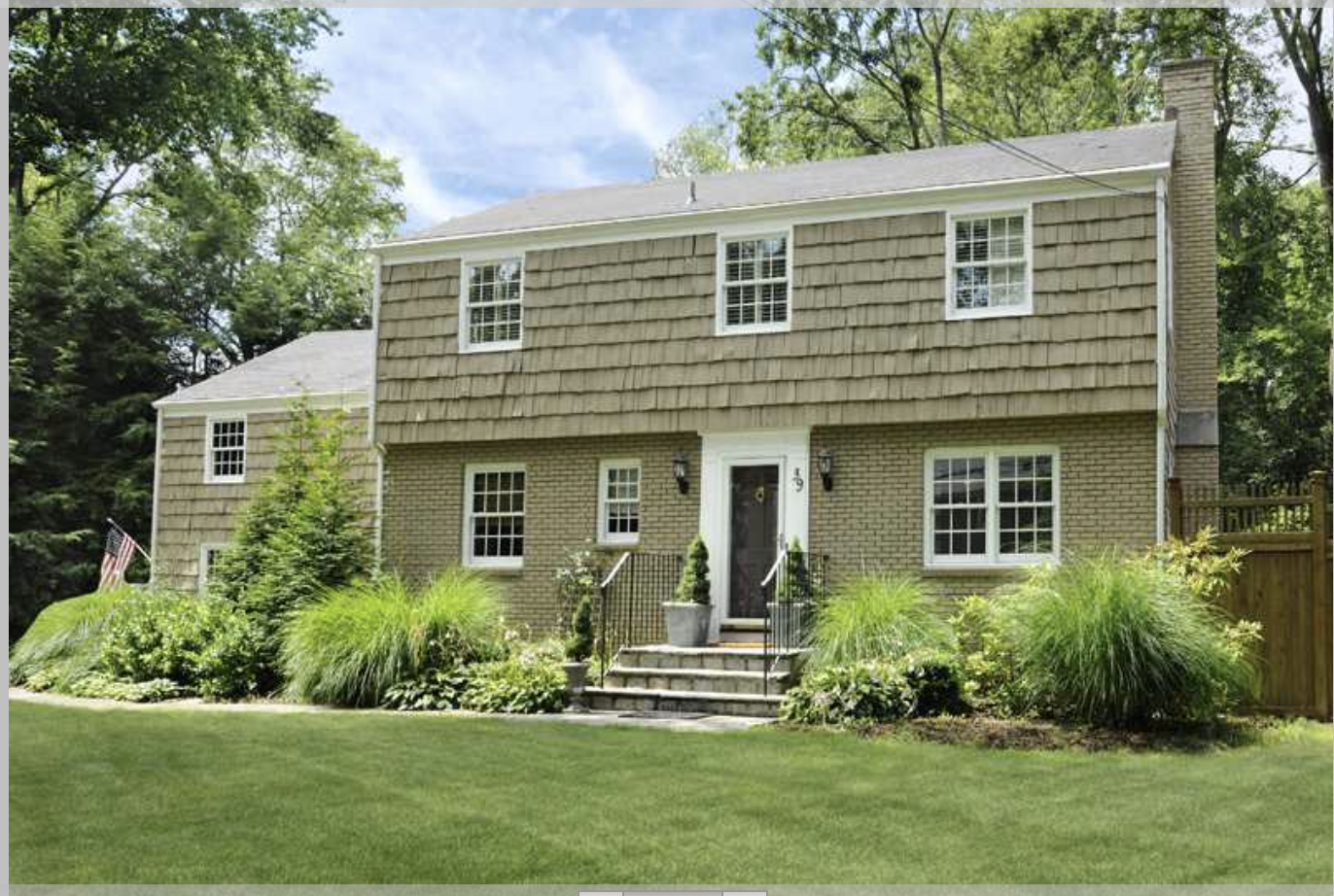
115 Bible Street, back lot, built in 2017, on the market since February, 2018, when it started at $3.495 million, has closed at $2.650. That’s not a bad deal for the builder; the buyers may discover that they paid a “new construction” premium, but that happens.

(No interior pictures at the link — presumably the agent couldn’t get over there with a photographer in the brief time since this was listed.)

So I was wrong — sue me

73 sawmill lane greenwich ct.jpg

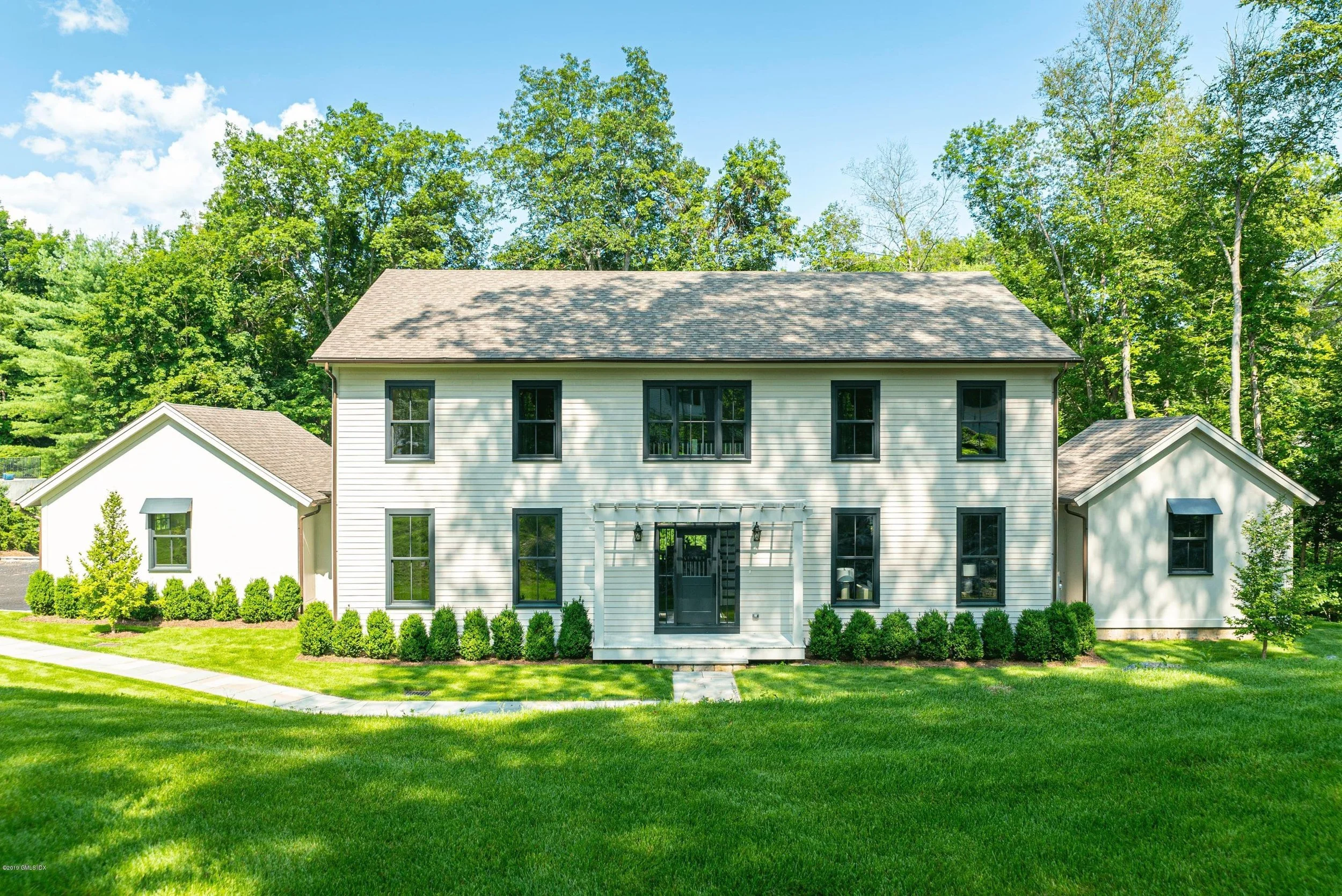
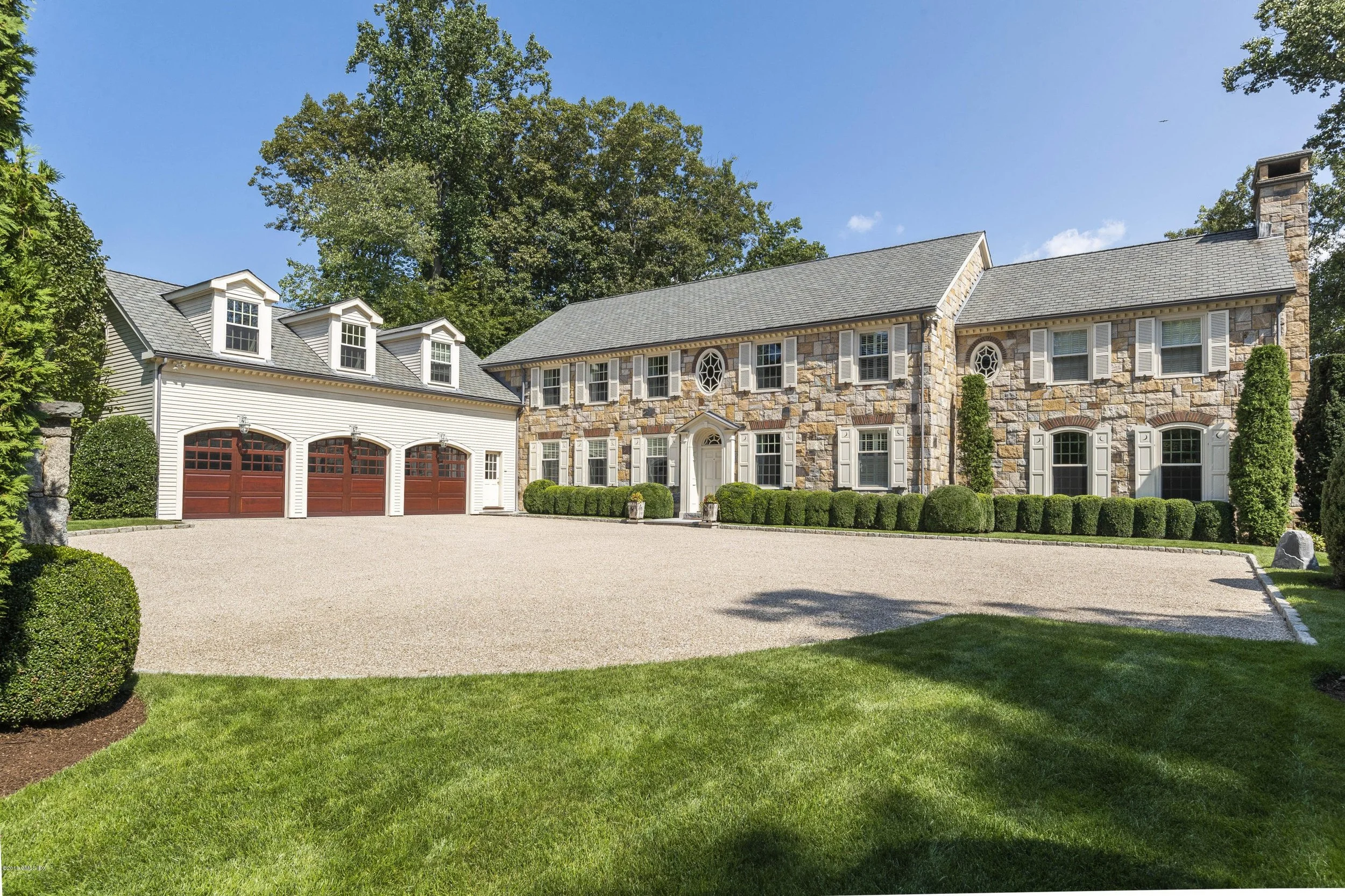
When the new construction at 73 Sawmill Road came on the market in January priced at $3.895 million, I was somewhat skeptical (“I thought this new listing’s price was a misprint, but no, they’re serious” was the somewhat cruel headline I used) and suggested that “you $2.2 buyers, keep your checkbooks dry, and be ready to pounce in 2021.”

But it turned out that the builder had his “come to Jesus moment” sooner than I expected, and today, currently priced at $2.495 million, there’s a contract reported, a full 15 months earlier than I’d predicted. I apologize to those of you who were waiting until late next year to begin bidding.

Guesses on final price? I’m going with $2.250.

This story's going viral, just as soon as the details are fully exposed

Giving new meaning to the term “sextuplet”

Six escapees from nursing home arrested for lewd sexual acts in Fairfield park

FAIRFIELD — Police arrested six people — including a pair of people in their 80s — last week after getting reports of “lewd and sexual activity” in the Grace Richardson Open Space area at the intersection of Congress Street and Morehouse Highway.

According to police, the department received several complaints of inappropriate behavior during the week of Aug. 12.

The Fairfield Police Department’s Quality of Life Unit was assigned to investigate. On Friday, officers and detectives from both the Special Services Unit and the Quality of Life Unit conducted a surveillance in and around the open space area.

Several violations were observed, and the following arrests were made: Daniel Dobbin, 67, charged with breach of peace and public indecency; Otto D. Williams, 62, charged with breach of peace; Charles L. Ardito, 75, charged with breach of peace; John Linartz, 62, charged with breach of peace and public indecency; Richard Butler, 82, breach of peace; Joyce Butler, 85, breach of peace.

All were released on a promise to appear in court. A court date was not given in the release.

(Did the police have to administer Cialis to the five guys before subjecting them to hard questioning?)

Keep house sale prices private? In many states, it's the rule

Jenifer Graham, of Salt Lake City’s Deseret News, has a good article out on the dispute between those — generally home sellers and real estate agents — who are determined to keep sale prices confidential, and other parties who believe that information wants to be free.

Until Graham contacted me for my opinion, I had no idea that so many states do keep prices private.

SALT LAKE CITY — In a nation increasingly worried about privacy, Utah guarantees its citizens a courtesy that most other states don’t: the right to keep the selling price of a home a secret. 

And it’s not alone.

Texas, Alaska, Missouri, Louisiana and Mississippi, in addition to Utah and Idaho, are considered non-disclosure states, potentially costing those states millions of dollars in property taxes and giving players in the real estate market a monopoly on information.

The rules vary from state to state, but in Utah when a home changes hands, only real-estate agents and lenders know the final price, along with the seller and buyer. That means local governments, national real-estate websites and gossipy neighbors don’t.

The longstanding practice is an anomaly in a society where there are few secrets anymore.

I’m all for full disclosure, myself. For decades, our real estate firms kept sales data to themselves, allowing them a monopoly on that information and forcing buyers to come to them for buying advice, which not surprisingly was often tilted in favor of houses on the market that just happened to be listed by the broker itself. Greenwich brokers fought the MLS, fought the introduction of listing directories that allowed competing firms to learn what the others had going, then fought Zillow, Realtor.com, and any internet posting of anything relating to their listings at all. It’s been a long fight to introduce transparency into this mess, and our Association is still manipulating data, but we’re much closer than we were before. And without knowledge of actual sales data, buyers and their representatives are at the mercy of the gatekeepers.

Graham quotes me in her article as a supporter of such openness, and I am, but the money quote — literally — belongs to an opponent, who justly fears that disclosing sale prices is just inviting the taxman to appear on the doorstep:

Steve Theobald, a real-estate broker in Salt Lake City, has a personal reason to oppose disclosure. When he moved to Utah from Maryland, he had to pay a $20,000 transfer tax on the sale of his Maryland home. “I was happy to find out there wasn’t going to be any transfer tax in Utah,” Theobald said.

Theobald believes that nondisclosure is the primary reason Utah doesn’t have a transfer tax. “They don’t tax because they don’t have the data,” he said. “The second you give a politician data about money, they’re going to find a way to tax it.”

It’s a very well-written article, and Graham presents an objective view of both sides of the argument. Highly recommended.

He'll get his price or hold until it's washed away by the sea

Screen Shot 2019-08-19 at 1.13.56 PM.png

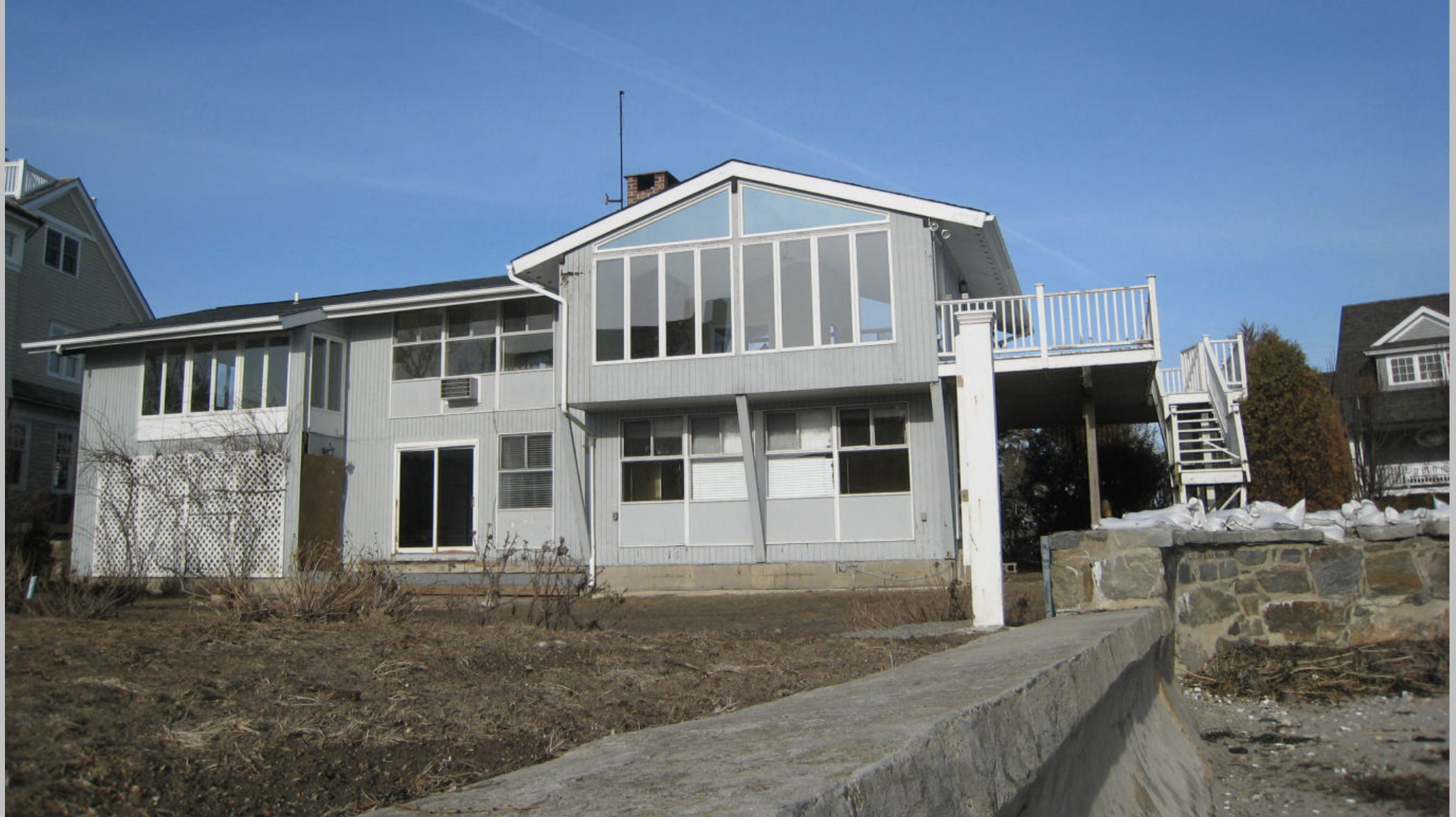
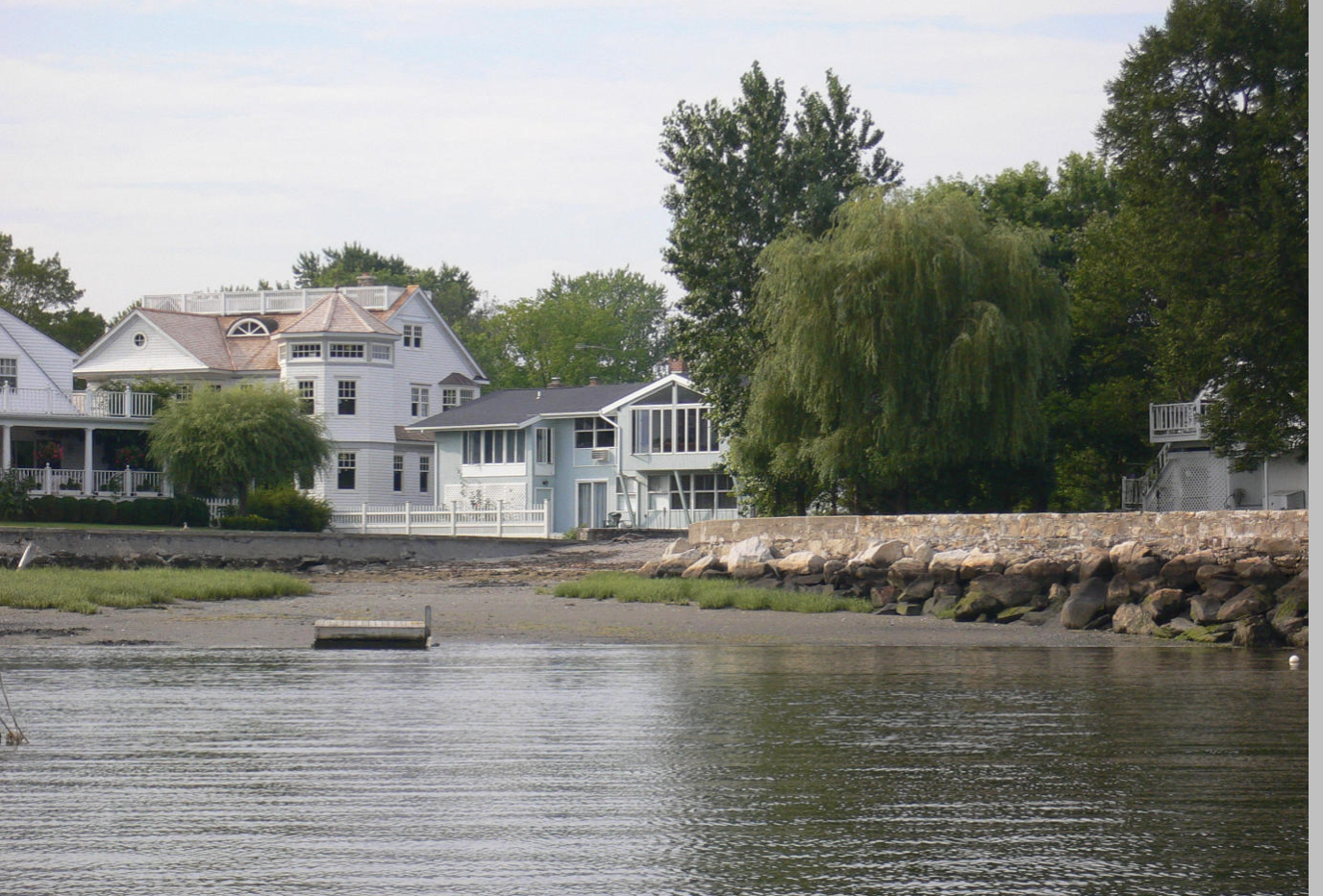
12 E. Point Lane in Old Greenwich is back on the market, still firmly lodged near the $3 range (does that make it a three-range house?). This property is appropriately marketed as a building lot, and those are popular in this area of Old Greenwich, so this one’s stubborn refusal to sell since starting on the market in 2013 is surely attributable to its price, currently $2.875.

It’s easy to understand the owner’s refusal to face reality here, because, just two years after his predecessor had paid $2.2 for it in 2003, he bought it for $3.353, in 2005, and he must feel like a real chump, now. What was he thinking when he paid that much? Who knows, but anyway, he put it back up for sale in June, 2013 for $3.6, raised the price to $3.825 (!) in December of that year, and has been seeking to unload it ever since, but all the time staying away from its true market value.

As noted, the previous 2003 sale was for $2.2, and today the town appraises the land at $2,161,400. Somewhere between those two numbers, an acceptable price can probably be found.

Maybe if the seller threw in a shoehorn ….

Maybe if the seller threw in a shoehorn ….

To be fair, so are its users

Off to pay the Commissioner of Revenue!

Off to pay the Commissioner of Revenue!

“Experts”: Pot revenue stream is unpredictable

And unsteady, I’ve observed.

[A] new report indicates that cannabis sales and taxes may create volatile, almost unpredictable revenue streams, depending on several market variables, including demand, cross-border sales, and prices that can be undercut by the existing illicit markets. Revenue also seems to shrink as markets mature, according to The Pew Charitable Trusts report released Monday.