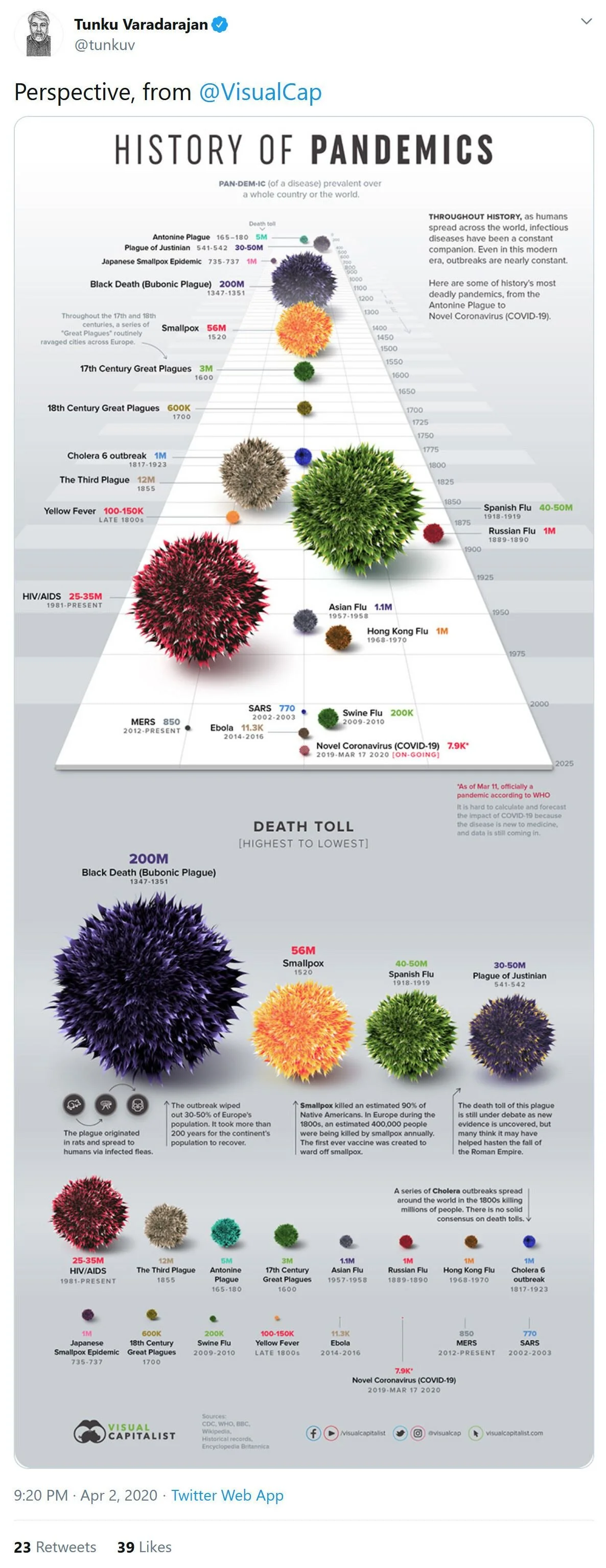
We may see fewer of these as the short term rental market for vacant, unsold houses heats up

Screen Shot 2020-04-05 at 10.06.33 AM.png

Fire Marshall blames “oily rags”for one house fire; other remains unsolved.

GREENWICH — Fire officials have determined the cause of one major residential fire this past winter, but a determination has not been made on what sparked another house fire last month.

A fire in a house on Hemlock Drive on Feb. 28 was traced to cleaning products. Fire Marshal Chris Pratico said a person cleaning the house had been using chemicals and cloth before putting them away. The oily rags later burst into flames in a storage area, a case of spontaneous combustion, Pratico said.

It took about 45 minutes for firefighters to extinguish the blaze in the home off Valley Drive in the western section of town. No one was injured in the first in the Mediterranean-style house , which was built in 1919.

Another house fire brought multiple emergency units to a three-story single-family home on Lower Cross Road in the backcountry on March 19. The house was a total loss, as the structure burned to the ground in the blaze.

Pratico said the cause of that fire was still under investigation, and there were no indications at this point what might be the cause.

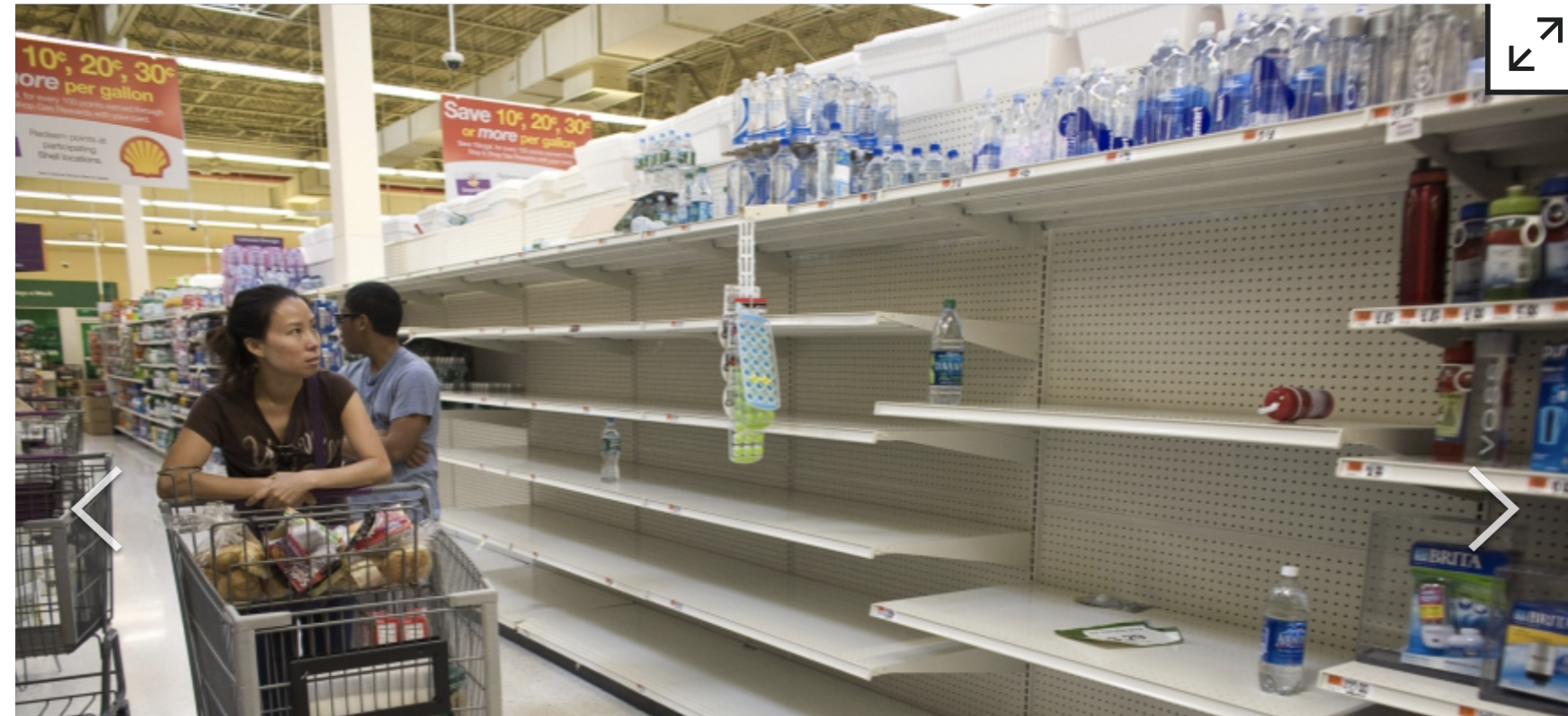
Are hoarders panicking unnecessarily ? Until I saw this, I thought they were

And hurricanes blow through. Far Rockaway supermarket, 2011, pre-Sandy

And hurricanes blow through. Far Rockaway supermarket, 2011, pre-Sandy

From a NYT situation update:

“The next two weeks are extraordinarily important,” said Dr. Deborah Birx, the White House’s coronavirus response coordinator. “This is the moment to not be going to the grocery store, not going to the pharmacy, but doing everything you can to keep your family and your friends safe and that means everybody doing the six-feet distancing, washing their hands.”

So, up to now, I’ve been what I considered to be a rational shopper, hitting the grocery store a couple of times a week and trying to be a good citizen by not joining in the panic. I did buy slighter larger quantities than I usually do: a larger package of chicken, for instance, or the 18-count box of eggs, instead of a dozen, but always just one of each item, so that others could also find supplies.

But if the government is truly contemplating a complete, two-week shutdown, and Dr. Birx is not the only “public health expert” advocating one, merely the most prominent one, I’d be a chump not to go stock up as much as I can, as quickly as I can. And if the mere whiff of enforced hunger is enough to set me off, I’m bound to encounter many fellow shoppers just as worried as I am, and many empty shelves.

Am I crazy to worry? Will Birx and her friends really shut down grocery stores say, tomorrow? Well, in Vermont the governor banned, overnight, effective immediately, and without warning, the sale of books, movies, computer games, toys, clothing, outdoor gear, paint, all home and garden implements, art supplies — everything that, in her sole judgment, wasn’t absolutely essential to keeping life alive.* The kind and quality of life she didn’t say, though her model sounds pretty much like every other utopian socialist society she and her ilk have pushed for for most of the past hundred years. But grocery stores? When the nation’s “coronavirus response coordinator” hints at it, we should probably take her at her word.

I’m off to Hannaford’s.

*technically, she only banned the sale of these items at big-box stores, but she’d already shut down the small retailers, and Amazon no longer offers prompt delivery of all frivolous items like these — a three-week delivery time is now the new normal — so the effect is as I state.

Now we know

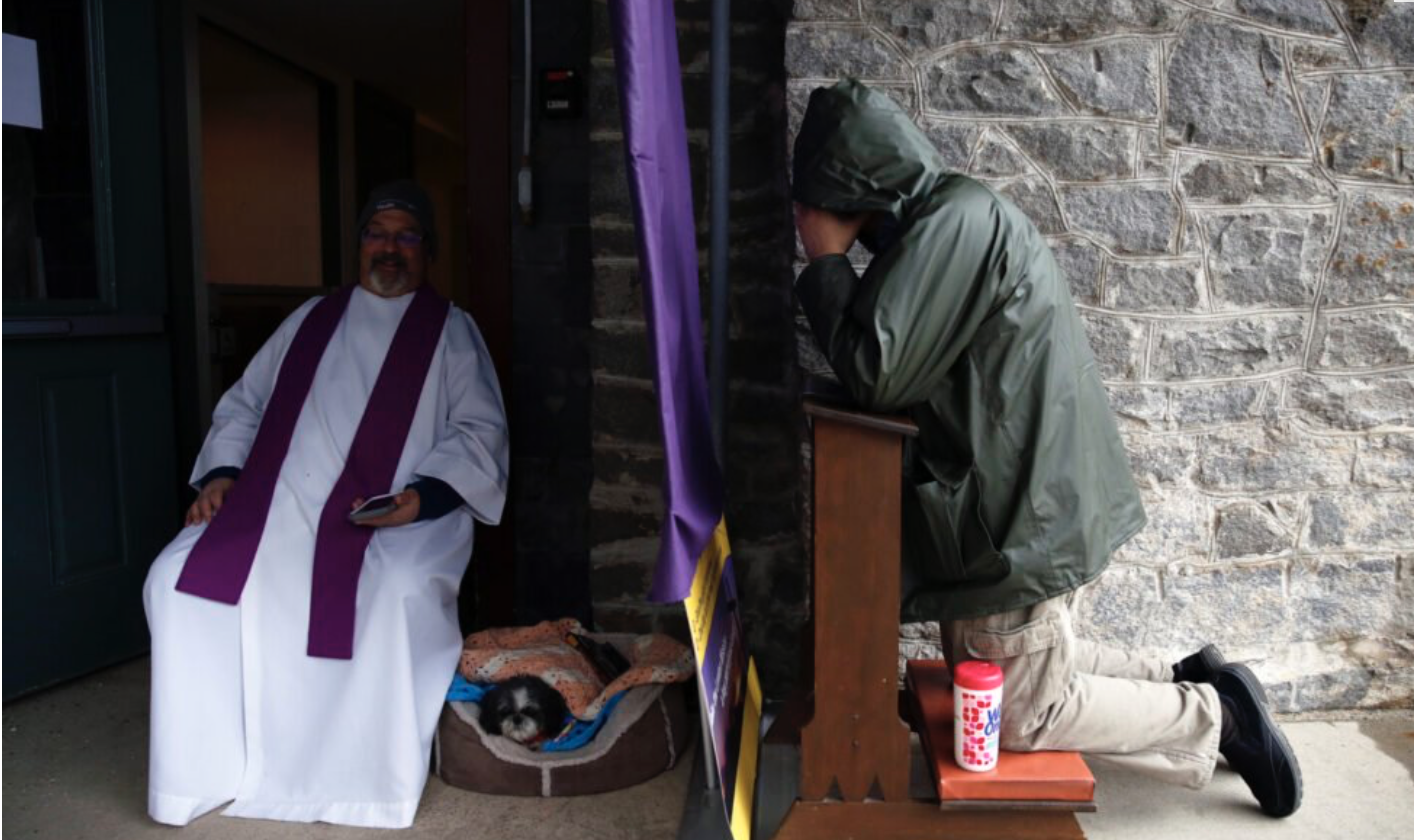
What’s that priest been doing behind the curtain while you’re pouring out your woes? Petting his dog and playing Angry Birds on his iPhone, looks like.

Oh well, surely it’s the act of contrition that counts, not Father Marquis’ final score. Better hope so.

A man, who asked to remain anonymous, kneels and prays before offering his confession to Father Paul Marquis in a makeshift, outdoor confessional adjacent to the parking lot of Sacred Heart Catholic Church in Yarmouth.

A man, who asked to remain anonymous, kneels and prays before offering his confession to Father Paul Marquis in a makeshift, outdoor confessional adjacent to the parking lot of Sacred Heart Catholic Church in Yarmouth.

Once is not enough: the medical "experts" are now prescribing a halt-go-halt-go process for the next couple of years. We won't survive that.

stop:go.jpg

Maybe it’s time to bring in some economists to balance the medical/science types, because curing a disease is futile if the patient dies. And what the public health people are proposing will indeed kill the world.

How long can a nation of 327 million people endure with work and schools closed, lost jobs, and people still dying from a pandemic with no proven treatment?

At least until April 30, President Donald Trump acknowledged on Sunday, backing down from earlier calls to end social distancing measures by Easter. Delaware has a stay-at-home order lasting until May 15. On Monday, Virginia issued one lasting until June 10. Meanwhile, the Imperial College London report from mid-March, which predicted 2.2 million deaths in the US without social distancing measures — a finding that triggered lockdowns on both sides of the Atlantic Ocean — projected a first round of shutdowns could last five months.

The university’s modelers suggested that, after a couple of months off, social distancing might then need to pick up again on Sept. 20.

“We are probably looking at five- to six-month phases, done in different ways and times in different places across the country,” pandemic expert Irwin Redlener of the Columbia University's Mailman School of Public Health told BuzzFeed News. “Putting people through that process will be extremely difficult.”

I get it: slowing and spreading out the infection rate of the population will prevent hospitals from being overwhelmed by sick people, and eventually, everyone will either have gotten and recovered, or died, and we can resume flying about the country. Great; fine, but what will be left to fly to (and who will be able to afford to) if we’ve continued this shutdown for two years? Businesses can’t just reopen their doors, restock their inventory and then shut down again after three months; just as a for instance, where is that inventory to come from if manufacturers have gone bankrupt and shut down themselves?

The trouble with allowing medicos the sole voice in this catastrophe is that they admit they know no more than the rest of us; how can there be an end game when no one even knows what the game is?

Example: will the flu subside as the weather warms?

Seasonality remains a mystery, said Osterholm, suggesting that as long as 40% to 80% of the public still has no immunity to the new virus, it will likely readily spread regardless. “At this point, I don’t have a clue what is going to happen to the virus,” he said.

Which is my point: no one knows. What we do know is that hiding from the flu doesn’t create immunity to the virus — we’re all going to get it, eventually. The question is do we hope that some of the theories, such as undetected infections have come and gone, leaving a large percentage of the population already immune, and go for it, getting it all over with in one, horrendous crash, or drag this on for two, three, four years, while simultaneously dragging the economy to ruin?

If the choice is between the big bang and a years-long cycle of shutting the economy on-and-off, then I’d go with the latter. Let’s hope there’s a third option.


UPDATE: It seems that this same argument was advanced by Tucker Carlson earlier. It’s discouraging to see anyone on Fox attempting to bring some sanity to the discussion, because the more Fox (or Trump) supports a course of action, the more the fiercely the Left will fight against it.

UPDATE II: Powerline has a nice roundup of other commentators who are lookimg askance at the current approach.

sample:

A voice of realism is UCLA’s Joseph A. Ladapo, perhaps because he’s a medical doctor who has been treating Covid-19 patients and has permission to be realistic. In USA Today, he writes that we missed any chance to corral a virus that will spare most of us but kill thousands. The shutdowns if prolonged will only make our situation worse. They will add mass unemployment, poverty and missed schooling to our problems.

“The epidemiologic models I’ve seen indicate that the shutdowns and school closures will temporarily slow the virus’ spread, but when they’re lifted, we will essentially emerge right back where we started. And, by the way, no matter what, our hospitals will still be overwhelmed.”

Watch for this latest Newspeak term to sweep the country as our economy collapses

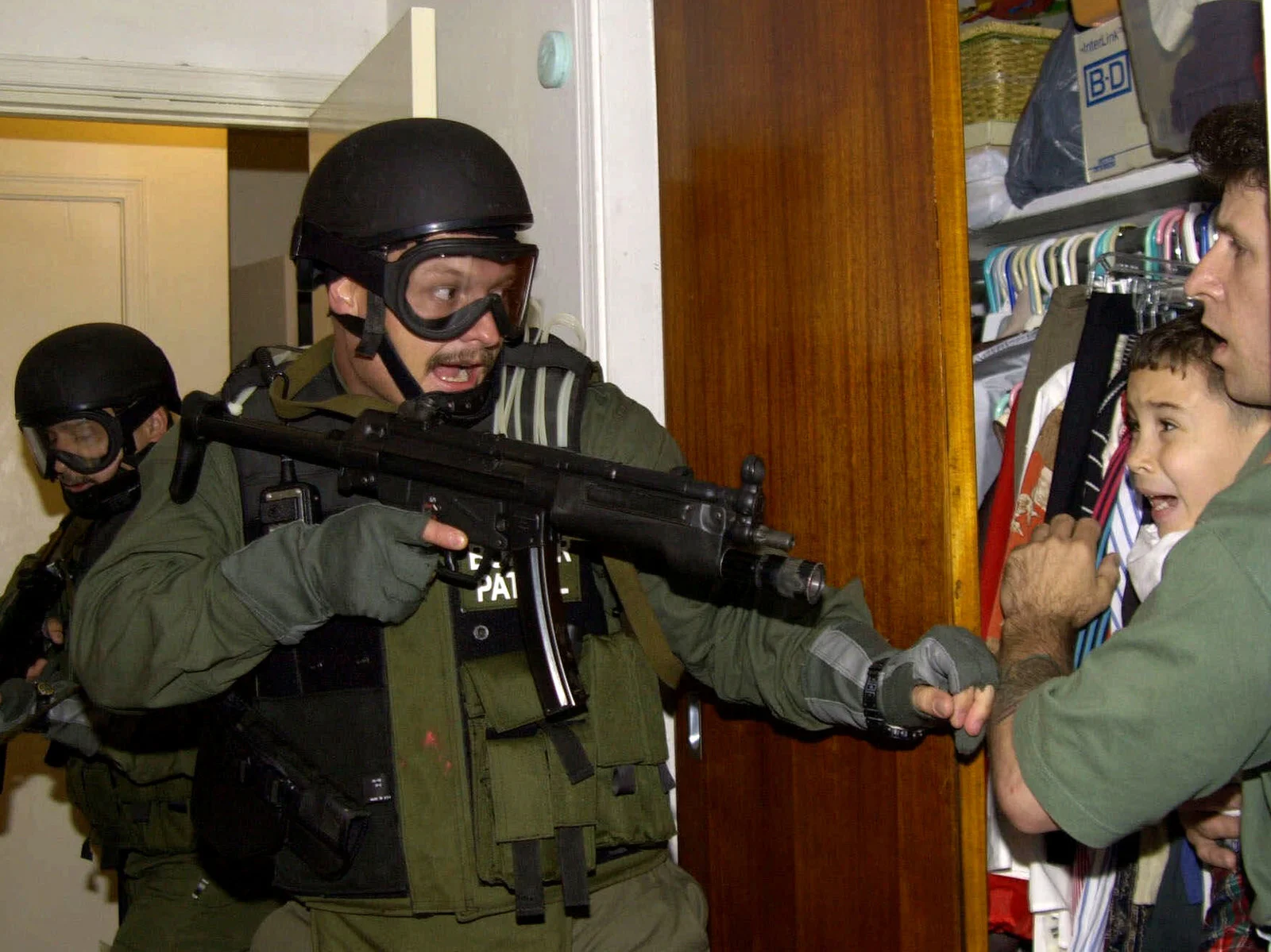
Elián González is shared back to Cuba

Elián González is shared back to Cuba

Cuomo: sending in the National Guard to seize ventilators and other medical equipment from upstate hospitals and sending it to New York City isn’t '“seizing”, it’s “sharing”.

Asked by a reporter how many ventilators he’d seize from upstate New York, and how he’d decide when the situation was bad enough upstate to start bringing ventilators back, Cuomo objected.

“First of all, don’t use the word ‘seize,’ I didn’t use that word, it’s a harsh kind of word,” he said. “It’s a sharing of resources.”

Earlier this week California’s governor Newsom, asked whether he’d let a good crisis go to waste or use the opportunity to “usher in a new progressive era” went for the latter. “It’s an opportunity for reimagining a more progressive era as it related to capitalism, wealth distribution and income inequality”.

Economics is scarcity; that’s why it’s called the dismal science. The power of those who see a fixed pie, one that must be distributed by a central authority is soaring, while that of the “pie growers” is plummeting. Cuomo’s act of “sharing resources” by seizing medical equipment from the politically powerless in northern New York is just a harbinger of worse to come.

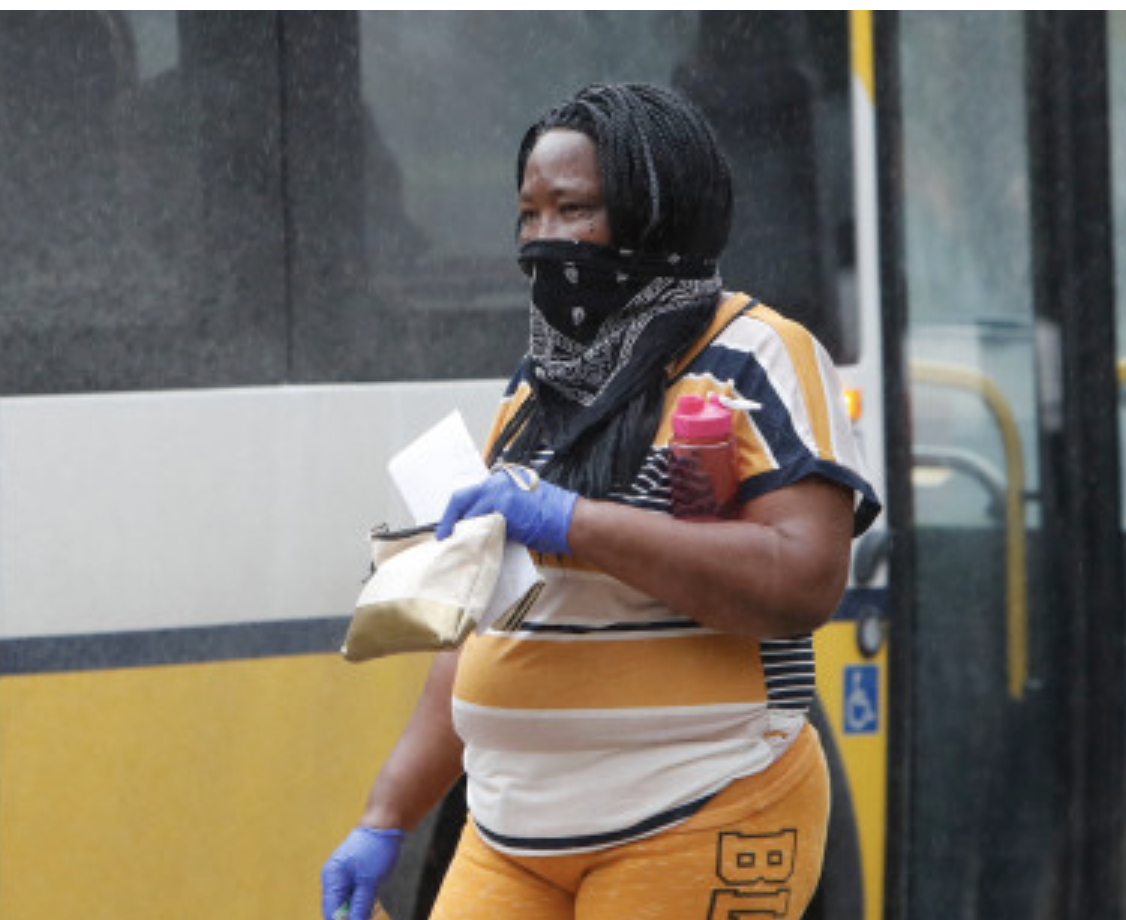
Why wearing latex gloves during the Wu Hu Ker Fluffle is stupid and worse than useless

Losing weight might help you survive the flu, but gloves won’t prevent you from getting it in the first place

Losing weight might help you survive the flu, but gloves won’t prevent you from getting it in the first place

Because you’re not protecting yourself or others

Kung Flu is a respiratory disease, spread when, say, you touch a sick individual, pick up his cooties and then transfer them to yourself by picking your nose with a now-contaminated knuckle. Latex picks up those germs as readily as bare skin, yet, from what I’ve observed of their behavior, people act as though gloves possess some miraculous disinfectant powers, freeing their wearers to touch grocery carts, then their face, and then a nice fat rutabaga in succession, all without picking up or transferring the virus. That’s just plain ignorant and to the extent it provides a false sense of safety and ecourages reckless contact and neglecting to wash one’s hands, dangerous.

“What’s better than wearing gloves in public? Just wash your hands. Really,” said Carolyn Flietstra, a registered nurse and Holland Home executive vice president of home and community care. “If your skin is intact, the virus will not enter through it. But wash your hands really well.”

“As a nurse, it drives me a little nuts to see people wearing whatever disposable gloves to the grocery store, driving their vehicles, eating food, you name it,” “We've all seen it, maybe you've done it. Here's why it doesn't help keep you safe from the coronavirus.”

Flietstra’s main squabble with the rising use of disposable gloves for everyday activities is people wearing them for long periods of time without changing them as they touch multiple things, from grocery products, to the inside of a purse or wallet, to bags, to the backseat or trunk of a vehicle, to the steering wheel - and maybe even drive-thru food after that.

She says to imagine you’re using disposable gloves to keep paint of your hands while painting a room. Pretend the paint is coronavirus.

“Now pretend you don't take the gloves off when you finish painting, but instead touch other walls, your kids, your face, your food,” Flietstra said. “You wouldn't; the paint would be all over the place.”

Not helpful

Not helpful

Expected, but still troubling

Screen Shot 2020-04-02 at 2.31.11 PM.png

Flour is in short supply all around the country, so it’s no huge surprise to see that Amazon’s sold out, but when the giant of American retailers can’t supply a basic staple like flour now, what will things look like when a famine breaks out?

Those preppers, and members of the Church of Latter-Day Saints (Mormons are instructed to store enough food and household items to remain self-sufficient for 3 months to three years), look wiser every day.

In fact, while looking for a link that explained Mormon teachings on the subject I came across this, all of which sounds very sensible, even if it doesn’t mention ammunition.

Mormons don’t stockpile the food in the basement and forget about it. They use what they store and rotate it. When grocery day comes around, they shop from their food storage for non-perishables and then replace it when they shop at a regular store. This allows them to cut food costs. Since they have everything they need, they can shop only when items are on sale. They can also purchase in bulk, which helps keep costs lower. If poor weather conditions cause the price of sugar to rise, they can use their stored sugar and not replace it until prices go down again.

Mormons have three types of storage. The first is a 72-hour kit. This portable storage has what they might need to take with them if they have to evacuate suddenly and need to care for themselves for 72 hours. This includes food, hygiene materials, blankets and pillows, scriptures, and other necessities. It can also include entertainment items for children who may get bored quickly in a shelter.

The second type of storage is a three-month supply. This includes everything a person needs to survive for three months. It often includes the most common foods the family eats, cleaning and hygiene materials, pet food, and anything else that would be useful in helping a family spend no money for three months.

The third type of storage is long term. Many staples, such as flour and sugar, will keep for many years if stored properly. This group often contains just what a family needs to survive for a long period of time if no other foods were available. Many families strive to have a full year of food and supplies, which will get most families through long-term unemployment or illness. The basic necessity items might cover another year or so.

Mormons are taught not to go into debt to buy the food or to worry about getting it all at once. It is very easy to pick up an extra few cans each time you shop and to add another bag of flour, sugar, or baking soda to your cart. The cost, for most, is negligible, but it quickly adds up to substantial security during difficult times. I once read of a group of women who were very poor. They were taught to place one spoonful of rice into a jar each time they fixed dinner. Eventually the jar would be filled and they could seal it and save it for times when there was not enough food. The lesson learned was that almost anyone can create a food storage, even if the start was modest.

Where do you stash all this food? Mormons hope to find houses with large garages, basements, or pantries, but of course, many do not. Families in small homes and apartments are amazingly creative at finding places to keep their food storage. A coffee table with a table cloth might be hiding several boxes or might even be made of food storage boxes. More boxes may be tucked under beds and in closets. I once had boxes stacked neatly under the edge of a breakfast bar and knowledgeable Mormons always nodded and said, “Food storage!”

Knowing there is plenty to eat, wear, and clean with brings comfort when we are faced with the stress of unemployment. Being able to fix a nice meal with our favorite foods elevates our mood and reassures us things are okay, even though difficult times might be ahead. A mother whose family is ill can rest assured that no one need stagger to a store because there is plenty of food in the house. When a snowstorm threatens, Mormons don’t have to rush to the store unless they want to—they can survive the days they are snowed in.

Food and commodity storage is only part of the Mormon beliefs about self-sufficiency. Mormons are taught that God expects us to do our share in taking care of ourselves. While we certainly trust God, we all do things that show we don’t expect God to hand us our lives with no effort on our part. We get jobs and work hard to provide for our needs and then trust God to make up the difference once we’ve done all we can do ourselves.

Self-sufficiency includes staying out of debt in order to minimize our expenses in times of need and also to allow us to make the best use of our money on a daily basis. Interest is expensive and provides no real benefit.

Mormons are also taught to get an education in something they enjoy that will allow them to provide for their families. Although women are encouraged to remain home with their children if possible, they are also taught to get an education so they can support their families if the need arises. Being prepared to have a career that allows you to live at a moderate level of comfort is an important part of self-sufficiency.

Trouble ahead

Kleptocracy Claws: Granny Wine Box won’t losen her grip on all that lovely money she just printed

Kleptocracy Claws: Granny Wine Box won’t losen her grip on all that lovely money she just printed

Pelosi announces an oversight committee to watch the disbursement of $2 trillion. While she claims she and her fellow Democrats want to weed out and prevent fraud, this will be at best an additional pile of muck gumming up the disbursement of funds and most likely just another Trump-bashing exercise.

“The committee should be acting before the act to protect a lot of waste fraud and abuse. That doesn’t just apply to the government, it should be the private sector as well.”

The body, which will consist of both Republicans and Democrats, will also ensure the federal response is based “on the best possible science,” the House leader added.

‘Acting before the act” presumes pre-approval of spending. “Ensuring that the federal response is based ‘on the best possible science’ also implies pre-disbursement review panels, and what, precisely, constitutes “the best possible science”? WHO guidance that coronavirus wasn’t being transmitted by humans? FDA guidance that facemarks were not useful in preventing the spread of the disease? Unproven but seemingly effective testing techniques for the presence of coronavirus antibodies? Should they be fast-tracked? If so, on who say so? Adam Schiff’s?

The committee will have subpoena power and the right to haul witnesses before grandstanding congressmen looking for a few election-year-boosting television appearances. None of this will stop the waste and inefficiency that’s coming, I predict; in fact, it will just steer more money to special friends of politicians. And it will certainly slow down the transfer of money to people and corporations that need it.