Keeping our priorities straight during a pandemic

Screen Shot 2020-05-05 at 6.58.21 AM.png

NIH is looking for a few good scientists, especially if they’ve eve been homeless or are currently persons of color

The National Institutes of Health (NIH) and the Centers for Disease Control (CDC) are not taking the coronavirus epidemic seriously, to judge from their funding priorities. On April 20, those two agencies announced the availability of grants to increase the “diversity” of biomedical research labs. Academic virologists working on respiratory failure, say, could receive hundreds of thousands more taxpayer dollars if they could find a “diverse” student to add to the project. No scientific justification for the new diversity hire is needed; indeed, high school students are eligible, despite the virtual certainty that they will contribute nothing of value. To the contrary, such new hires will be a drag on any medical advance, since the scientists must pledge to mentor the students, taking time and attention away from their scientific research. Those mentees will be chosen not because of their science skills—they need present none—but because of their group’s underrepresentation in STEM.

….

The CDC, NIH, and the National Science Foundation (NSF) have been color- and sex-coding their research grants for years, on the grounds that “scientific innovation,” in the words of the NIH, requires scientists from “diverse backgrounds and life experiences.” But the newly announced “Research Supplements to Promote Diversity in Health-Related Research” exponentially boost those agencies’ social-justice agenda. Besides the usual preferences for women, blacks, and Hispanics, the following categories now also qualify for diversity funding: being or having been homeless; being or having been in foster care; having been eligible for free school lunches; having no parents with a bachelor’s degree; and having received WIC payments (a food program for low-income mothers) as a child or mother. The claim that being black or female increases one’s chances of achieving a scientific breakthrough was always fanciful, but the idea that having been homeless or having had a mother on welfare is in any way relevant to genome sequencing or cancer treatment is preposterous. The NIH and CDC assert that the scientific enterprise requires a wide range of “viewpoints.” Different minds may in fact approach knotty problems differently. But having been in foster care is simply too remote from the challenge of developing a vaccine to block SARS-CoV-2 to be a valid substitute for scientific expertise.

Perma-inventory thaws, slightly

Screen Shot 2020-05-05 at 5.31.35 PM.png

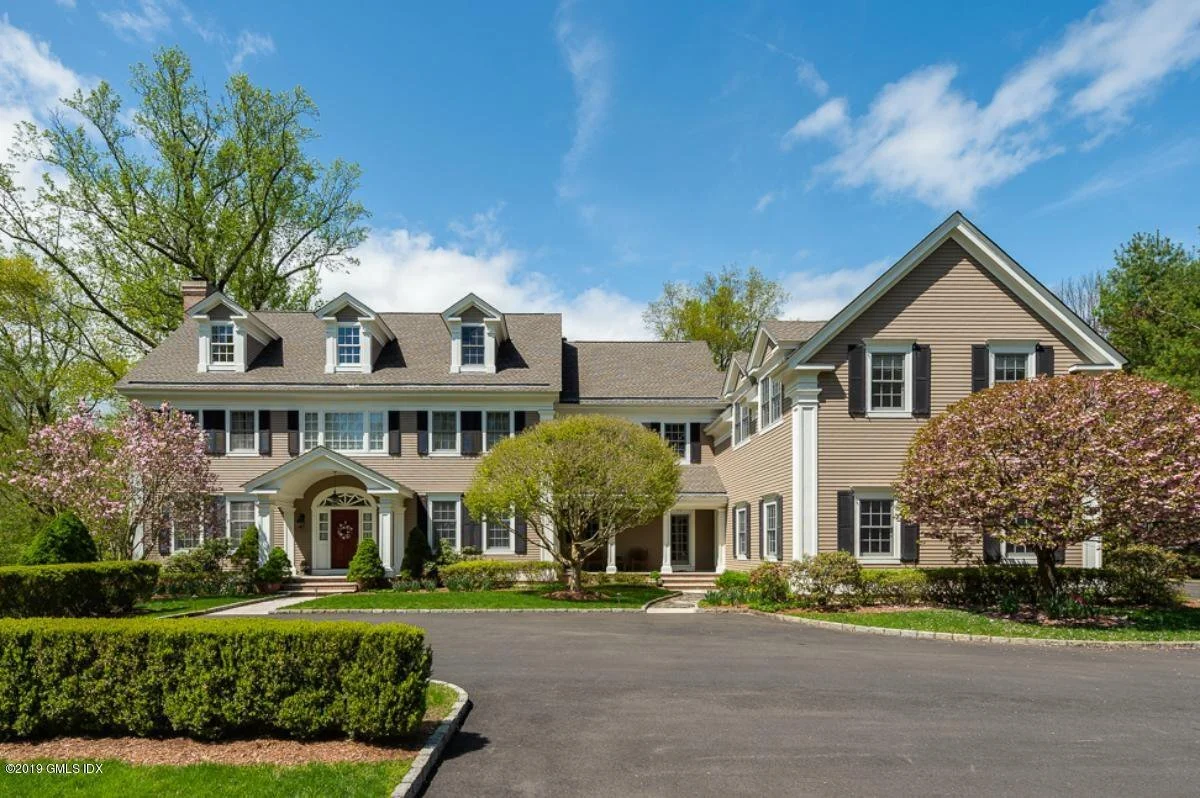
16 Boulder Brook Road, currently asking $3.499, has a contract. The owners paid $5.832 for it when it was newly built in 2007, and tried for $5.795 back in 2016, before losing it to their lender. I thought it might be susceptible to a bid in the low threes last year when it was still priced in the mid-$4s, but couldn’t get my client to bite. I’m glad someone finally has, because there’s little activity elsewhere, and it’s nice to see that open checkbooks haven’t entirely disappeared.

A smattering of real estate news

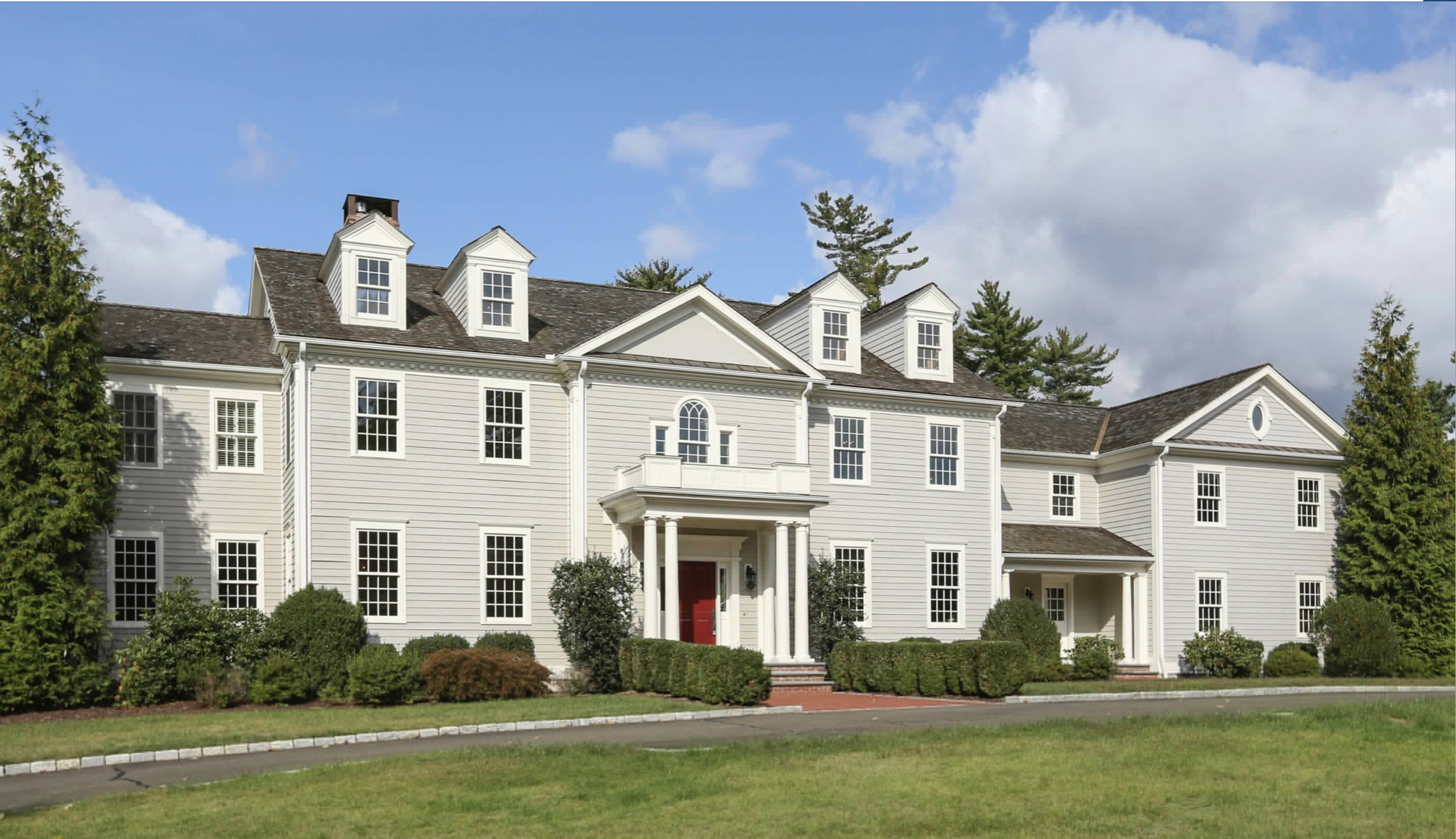
55 Richmond Hill Road

55 Richmond Hill Road

55 Richmond Hill has finally sold, for $2.450 million. Its owners had been trying for more, for years, no doubt because they paid $4.7 for it in 2001, but needs must.

2 Old Stone Bridge

2 Old Stone Bridge

A happier outcome was achieved by the owners of 2 Old Stone Bridge in Cos Cob. They listed the property as a summer rental, May 15 — September 15, at $30,000 per month. Five days after it hit the market they had a renter for $37,500.

11 Center Road

11 Center Road

11 Center Road also enjoyed a happy ending. Listed February 5 at $2.695, it had a contract in just 21 days and closed yesterday at $2,647,838 and no, I don’t know what sort of people waste their time haggling over pennies. Life is obviously not too short, for some.

90 Club Road

90 Club Road

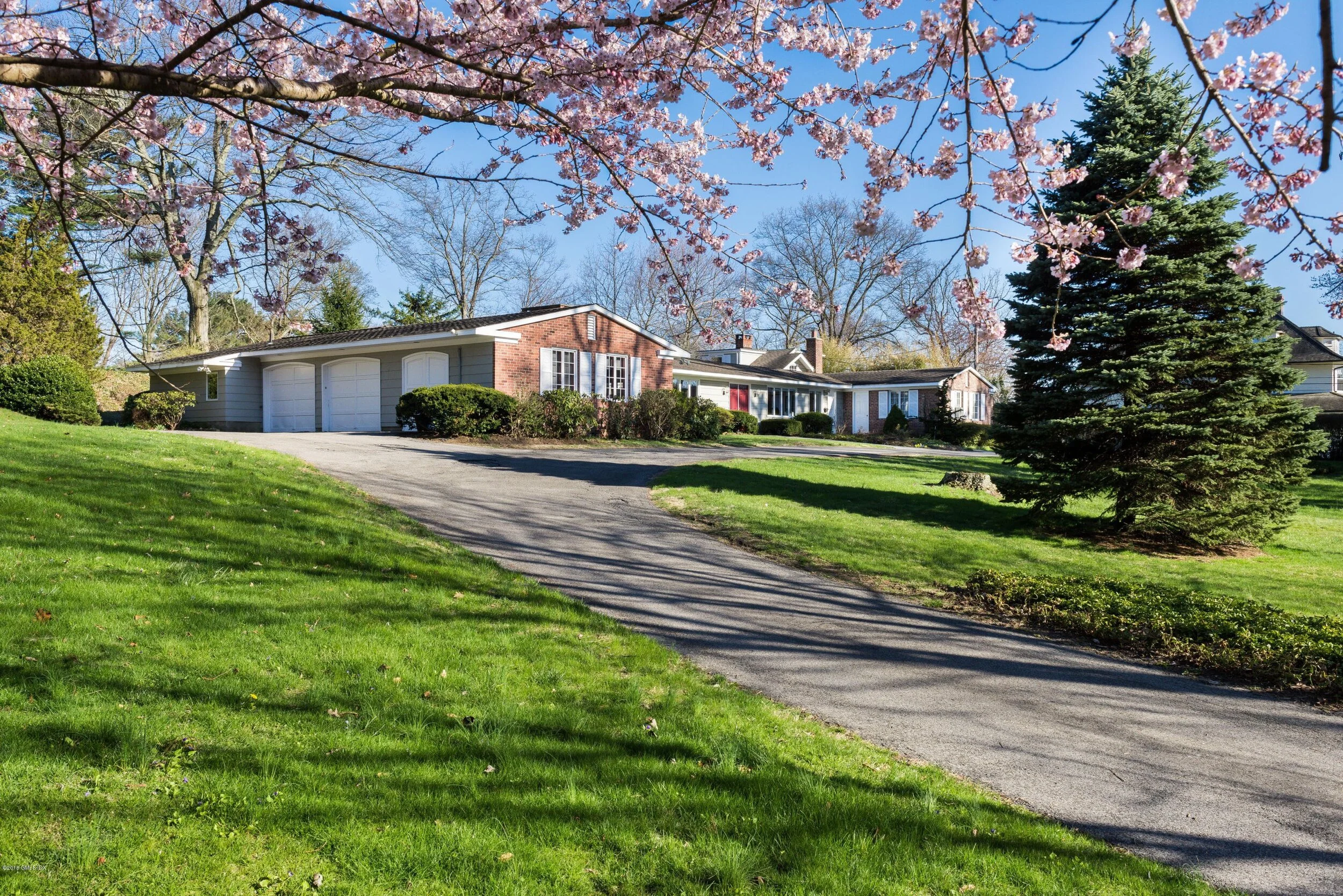
And somewhere between these stories of despair and triumph, word comes that 90 Club Road, Riverside, has sold for $3.350 million. That’s a substantial sum for a building lot, and brother Gideon, whose listing it was, is to be congratulated. Even more credit is due him, however, for hanging on to this listing for four long years as its asking price slowly dropped from $7 million.

It's almost as though they want to spread panic as widely as the flu

Screen Shot 2020-05-05 at 10.30.34 AM.png

Yahoo News:Trump administration privately estimating the coronavirus death rate will double in the next month

The White House's prediction is based on Centers for Disease Control and Prevention modeling, though reported COVID-19 deaths have already far outpaced the CDC's model. The CDC also predicts the U.S. could go from adding about 25,000 new coronavirus cases every day to adding 200,000 or more daily by the end of the month. As some states resume business as usual, those growth rates could further worsen.

Got that? 3,000 deaths a day, 200,000 new cases a day. The White House has debunked this story, as has the modeler who says it was a worst case scenario draft, for discussion, but who reads beyond the headlines? The media is counting on you not doing so.

So who will revisit these numbers May 31 and see if they were accurate? Not our press, certainly.

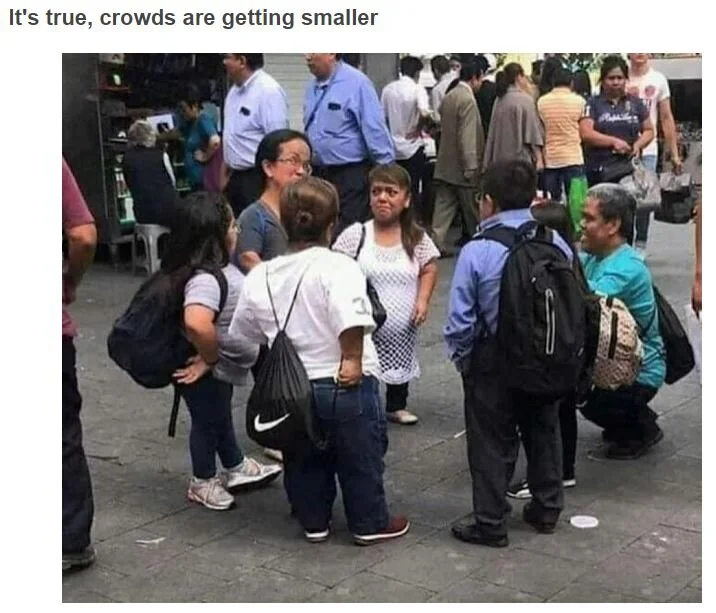
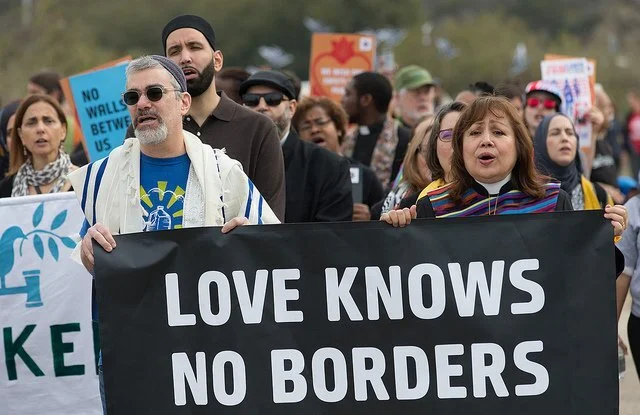
Wait, wait — wasn't one of the prime motivations of the sanctuary people that they could enroll these people in Medicare?

San Diego: “we’d like to buy our town some coke, and great big gobs of flu ….”

San Diego: “we’d like to buy our town some coke, and great big gobs of flu ….”

California asks Trump for help stopping the Mexicans who are overwhelming San Diego hospitals

Measures including stopping them at the border and holding them in quarantine south of the border. In cages, perhaps?

Leo Rosten, “The Joys of Yiddish”, defines chutzpa as

‘That quality enshrined in a man who, having killed his mother and father, throws himself on the mercy of the court because he’s an orphan”.

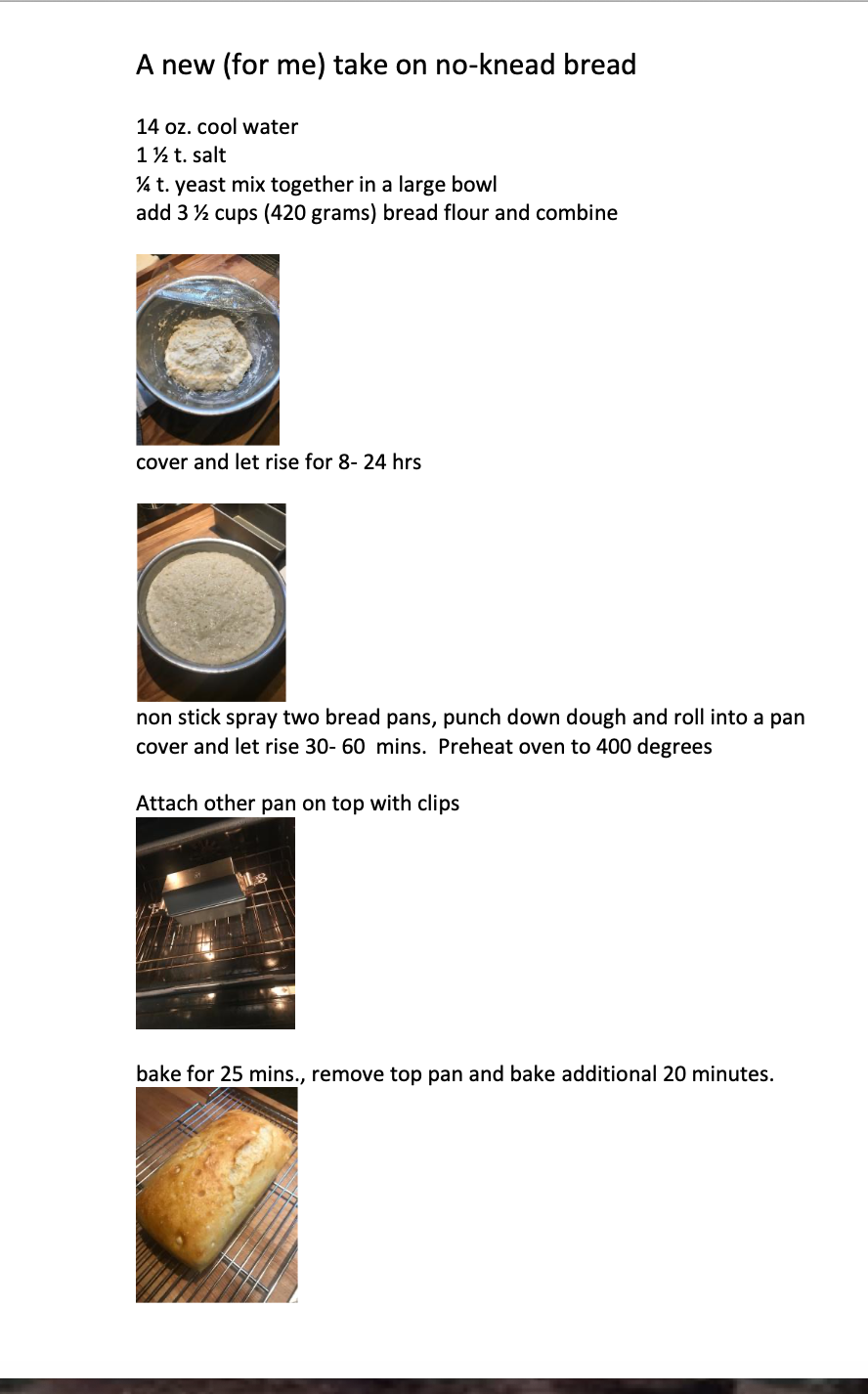
A slightly different no-knead bread recipe

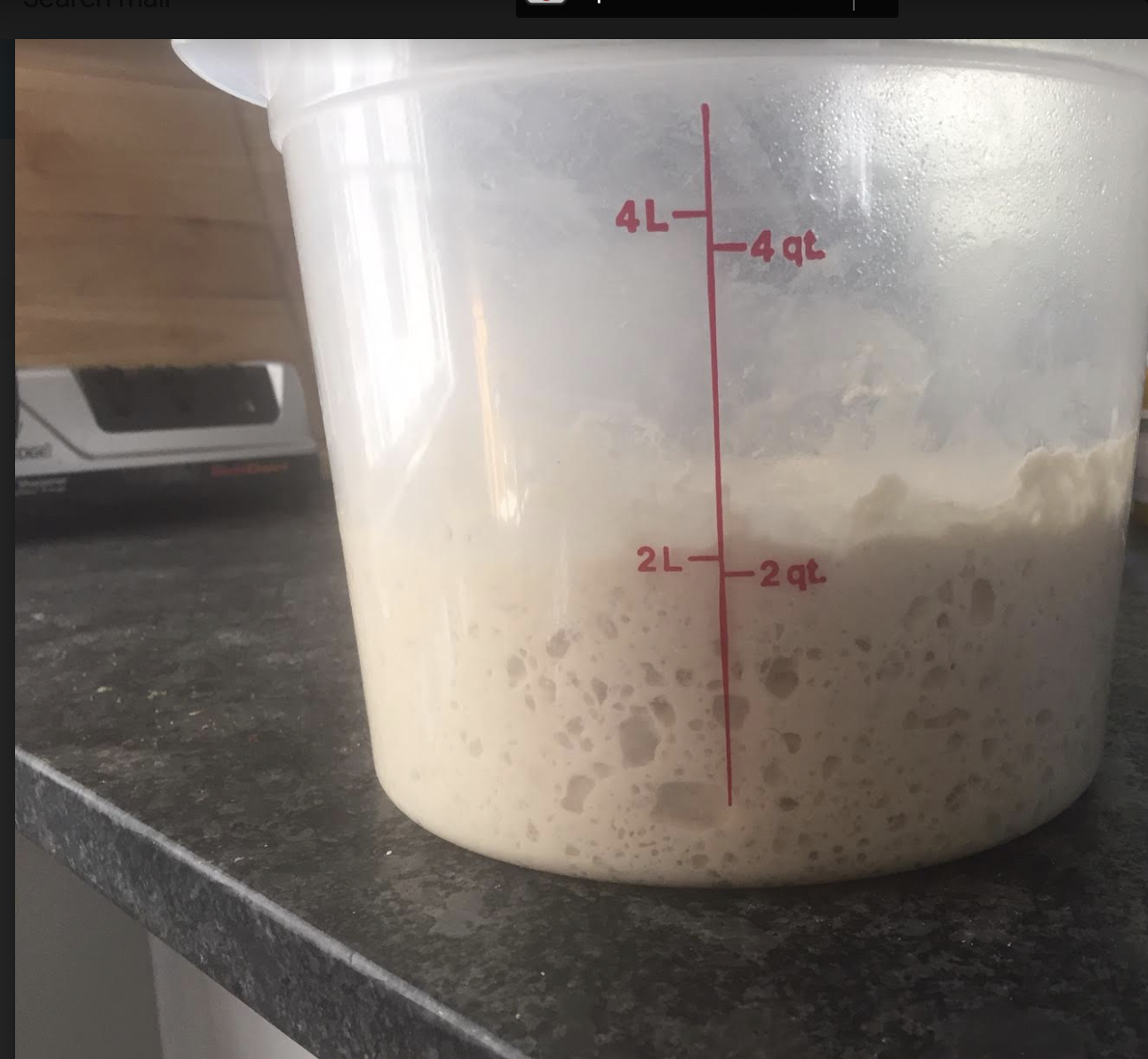
i can still get a rise out of it

i can still get a rise out of it

I’ve made this about four times now, and I like it, for when a conventional loaf rather than a boule is wanted.

The recipe calls for a 400-degree oven rather than the 450 used in heavier dutch ovens, which I suppose is to accommodate the thinner bread pan. Seems to work either way. Just like the original recipe, if you age the dough in the refrigerator for 2-3 days, you’ll get a sourdough tang.

Screen Shot 2020-05-04 at 7.29.58 PM.png

i don't know from indexes, but this sounds discouraging

The Wuhan Coronavirus in Great Britain

Naturally, the lockdown has produced devastating economic effects. According to this report, an index measuring activity in the manufacturing and service sectors dropped from 53.0 in February to 38.0 in March. A reading below 50 indicates a contraction. And the lockdown didn’t go into effect until late March.

By late April, a month into the formal lockdown, the same number had fallen from 38.0 to 12.9 and the British economy was said to be “crumbling.” Jam Vlieghe, the interest rate setter at the Bank of England, declared “we are experiencing an economic contraction that is faster and deeper than anything we have seen in the past century, or possibly several centuries.” The recovery is unlikely to be swift, he added.

Collectivism vs individualism – public health czars have an answer

From the experts who brought you predictions of 22 million dead

From the experts who brought you predictions of 22 million dead

Collectivism”, says the dean of New Haven University’s school for public health and she sees that as a good thing.

We have already seen our attitudes toward privacy dramatically changing in the first few months of this pandemic. People want to know the zip codes with the highest rates of infection, which nursing homes have had COVID related deaths, and who the “super-spreaders” are. People openly share their risk factors—heart disease, diabetes, asthma—as a means of justifying their isolation.

Never before in our society have we considered disallowing employment or free movement based on disease status or immunity. In normal times, this would be considered discriminatory and likely illegal. But in the time of a global public health crisis, it would be wrong not to treat those without immunity differently. Our society has an obligation to protect them through policy and the non-immune have an obligation to stay home, wear a mask and protect the rest of us from the virus.

Antibody testing will become as normal as a blood pressure screen at CVS. Those with immuno-privilege will be able to enjoy restaurants, sporting events and activities at large public venues. Those without immunity will be isolated for their own good. On the basis of having antibodies or not, our society will be split into two classes until we have a vaccine for COVID-19. Believe it or not, this will be a good thing, preventing deaths, keeping healthcare workers safe, keeping our economy open.

Contact tracing for everyone COVID-19 positive in the entire country will become the standard. Contact tracing is inherently incredibly invasive and it has to be for it to work. It also requires Americans to trust state health authorities to hand over intimate details about their movements and relationships. It requires us to abandon many previously held notions of privacy for the good of our society. It will be extremely difficult to extract this information and to adequately protect it. This sensitive information may be used in inappropriate or truly discriminatory ways; but a loss of some privacy is the the cost of restarting our economy and keeping us healthy.

Any meaningful notion of health privacy will be abandoned until this crisis ends. Immunity certificates are likely to come to pass. Immunity status will be known by neighbors, employers, and friends to keep the vulnerable safe from this deadly virus. Letting everyone know, from your employer to your neighbor to the grocery store clerk, that you are in a high-risk category should be the norm. Along with designer cloth face coverings, immunity bracelets may be a popular Christmas gift for 2020.

Sacrificing our private health information is the price we will pay to resume even a modicum of normalcy in our lives. Public health and economic goals demand this of us. Radical health data transparency is likely our only way forward.

But it’s for our own good, so that’s okay.

Will privacy be a post-pandemic victim in CT?

As he announced the state’s new effort to track and contact people who may have been exposed to the coronavirus, Gov. Ned Lamont acknowledged an inherent concern: “it sounds a little big brother.”

The contact tracing effort will take procedures already in use for monitoring the spread of diseases like tuberculosis and scale it up for slowing down COVID, with hundreds of volunteers to be trained on contacting people who may have been exposed to a sick person and instructing them to quarantine. Along with an announced, then quickly shelved, plan by Westport Police to use drones for surveillance, efforts to monitor the spread of the disease have raised new questions about where public health collides with personal privacy in the post-pandemic world.

“It does spell real concern about our life after COVID-19,” said David McGuire, director of the American Civil Liberties Union of Connecticut. “Whatever we do during this public health emergency needs to be grounded in public health and science, not fear, and it needs to be limited in this crisis.” That means having explicit policies on data usage and safeguards, and having all efforts run by public health departments, not law enforcement, he said.

“The personal liberty offense there is actually very much in the person’s self interest,” he said. “You don’t want to invade someone’s privacy unless you’re going to do them some good. There’s the promise of good for the individual and then the privacy issues are not as dramatic.”

Mission creeps

Ideas-Conspiracy-175417397.jpg

As we saw the government moving from monitoring terrorists’ phone calls to listening in on all American citizens, once a practice is accepted as a legitimate but temporary measure, it stays and expands.

DARPA-funded technology touted as an anti-terrorist tool, being deployed against Trump

An anti-Trump Democratic-aligned political action committee advised by retired Army Gen. Stanley McChrystal is planning to deploy an information warfare tool that received initial funding from DARPA, the Pentagon’s secretive research arm -- transforming technology originally envisioned as a way to fight ISIS propaganda into a campaign platform to benefit Joe Biden.

The Washington Post first reported that the initiative, called Defeat Disinfo, will utilize "artificial intelligence and network analysis to map discussion of the president’s claims on social media," and then attempt to "intervene" by "identifying the most popular counter-narratives and boosting them through a network of more than 3.4 million influencers across the country — in some cases paying users with large followings to take sides against the president."

Social media guru Curtis Hougland is heading up Defeat Disinfo, and he received the funding from DARPA when his program was "part of an effort to combat extremism overseas." He explained in an interview with the Post that he was unhappy that top social media accounts often supported Trump, and had effectively defended the president in recent days from claims that he had suggested Americans inject themselves with disinfectant.

So says thedean of New Haven University’s school for public health and she sees that as a good thing.

We have already seen our attitudes toward privacy dramatically changing in the first few months of this pandemic. People want to know the zip codes with the highest rates of infection, which nursing homes have had COVID related deaths, and who the “super-spreaders” are. People openly share their risk factors—heart disease, diabetes, asthma—as a means of justifying their isolation.

Never before in our society have we considered disallowing employment or free movement based on disease status or immunity. In normal times, this would be considered discriminatory and likely illegal. But in the time of a global public health crisis, it would be wrong not to treat those without immunity differently. Our society has an obligation to protect them through policy and the non-immune have an obligation to stay home, wear a mask and protect the rest of us from the virus.

Antibody testing will become as normal as a blood pressure screen at CVS. Those with immuno-privilege will be able to enjoy restaurants, sporting events and activities at large public venues. Those without immunity will be isolated for their own good. On the basis of having antibodies or not, our society will be split into two classes until we have a vaccine for COVID-19. Believe it or not, this will be a good thing, preventing deaths, keeping healthcare workers safe, keeping our economy open.

Contact tracing for everyone COVID-19 positive in the entire country will become the standard. Contact tracing is inherently incredibly invasive and it has to be for it to work. It also requires Americans to trust state health authorities to hand over intimate details about their movements and relationships. It requires us to abandon many previously held notions of privacy for the good of our society. It will be extremely difficult to extract this information and to adequately protect it. This sensitive information may be used in inappropriate or truly discriminatory ways; but a loss of some privacy is the the cost of restarting our economy and keeping us healthy.

Any meaningful notion of health privacy will be abandoned until this crisis ends. Immunity certificates are likely to come to pass. Immunity status will be known by neighbors, employers, and friends to keep the vulnerable safe from this deadly virus. Letting everyone know, from your employer to your neighbor to the grocery store clerk, that you are in a high-risk category should be the norm. Along with designer cloth face coverings, immunity bracelets may be a popular Christmas gift for 2020.

Sacrificing our private health information is the price we will pay to resume even a modicum of normalcy in our lives. Public health and economic goals demand this of us. Radical health data transparency is likely our only way forward.

Will privacy be a post-pandemic victim in CT?

As he announced the state’s new effort to track and contact people who may have been exposed to the coronavirus, Gov. Ned Lamont acknowledged an inherent concern: “it sounds a little big brother.”

The contact tracing effort will take procedures already in use for monitoring the spread of diseases like tuberculosis and scale it up for slowing down COVID, with hundreds of volunteers to be trained on contacting people who may have been exposed to a sick person and instructing them to quarantine. Along with an announced, then quickly shelved, plan by Westport Police to use drones for surveillance, efforts to monitor the spread of the disease have raised new questions about where public health collides with personal privacy in the post-pandemic world.

“It does spell real concern about our life after COVID-19,” said David McGuire, director of the American Civil Liberties Union of Connecticut. “Whatever we do during this public health emergency needs to be grounded in public health and science, not fear, and it needs to be limited in this crisis.” That means having explicit policies on data usage and safeguards, and having all efforts run by public health departments, not law enforcement, he said.

“With any surveillance technology, we’re always concerned about mission creep,” McGuire said.

Lamont and Chief Operating Officer Josh Geballe both defended the data security of the state’s contact tracing effort, which is currently being developed with Microsoft, and believe people will willingly participate.

“My sense is most people understand how important the contact tracing is,” Lamont said, adding that it’s optional for people who test positive for coronavirus to provide their most recent contacts to the state.

Some of it can be done anonymously, Yale School of Public Health Dean Sten Vermund said, which could make it easier to cope with handing over that information. Volunteers need to know who sick people interacted with before they were diagnosed, to instruct those people to quarantine, but they don’t need to know the patient’s identity.

“The personal liberty offense there is actually very much in the person’s self interest,” he said. “You don’t want to invade someone’s privacy unless you’re going to do them some good. There’s the promise of good for the individual and then the privacy issues are not as dramatic.”

He added that other illnesses, like tuberculosis, come with much stronger public health protections over privacy: in all 50 states, people can be forcibly confined and treated to stop the spread of that infectious disease. Contact tracing, while potentially seen as invasive, is “a routine part of public health.”

“You saw a test case in Westport where there was a lot of protest about the drone program almost immediately after the news broke,” the ACLU’s McGuire said. “People are not willing to wholesale trade their privacy and liberty for a speculative promise of a way to safeguard against COVID-19.”