Standard tactic, used over and over again

Screen Shot 2020-05-19 at 9.07.38 AM.png

And a tactic employed by all levels of government. Years ago, after the BET threatened to make a slight cut in the police department’s budget, the Chief released a plan that would cover the lost revenue by laying off all our school crossing guards (who were making something like six-bucks an hour at the time). “You wanna threaten us, eh? How’s about we threaten your kids?”

They keep doing it because it seems to work.

What if the lockdown is working too well?

The beclowning of America

The beclowning of America

Earlier this week Boston’s mayor, citing tests showing that only 10% of its residents have developed Kung Flu antibodies, vowed to continue his lockdown orders. Assuming that those tests are accurate, and the 10% figure is surprisingly lower than other tests in the rest of the world, what’s to be done? Continue the city’s lockdown until a virus is invented, tested for safety ramped up for mass production and then successfully injected into 7 billion people? (By the way, judging from comments by various public health officials warning that “some people” won’t voluntarily submit to vaccination, look for increaing calls for governments to impose mandatory innoculatio programs that will round up citizens and shoot them up with what’s good for them). That could, will, take years.

The flu is certainly a danger, but, though severe cases can be agonizing — my own daughter went through three weeks of hell before her body beat it — it rarely kills. 99% of the deaths associated with COVID-1984 occur in people with pre-existing, life-threatening illnesses, and because old people have far more of such illnesses, the death rate among sick elderly in nursing homes is particularly high.

Those people should stay home, if they choose — no one I know is proposing that anyone, of any age or any condition, who wants to avoid the risk should be forced from their shelters; in fact, we should divert some of the trillions of dollars currently devoted to poor-relief to create special isolation rooms in now-vacant hotels for all who wish them, but those who choose to go out and resume their normal lives should be applauded, not arrested; they’re the ones who are going to raise the percentage of the population with antibody protection to a level acceptable to government officials like Boston’s mayor and enable the vulnerable to come outside again.

If we all stay indoors, the infection rate will stay so low that we’ll never get permission to leave. The original idea of this economic carnage was to slow the spread of the disease to avoid swamping hospitals. Mission accomplished; hospitals are empty and in more danger of closing because of lost revenue than because of too many patients. Now let my people go.

Ding ding ding! We have a winner!

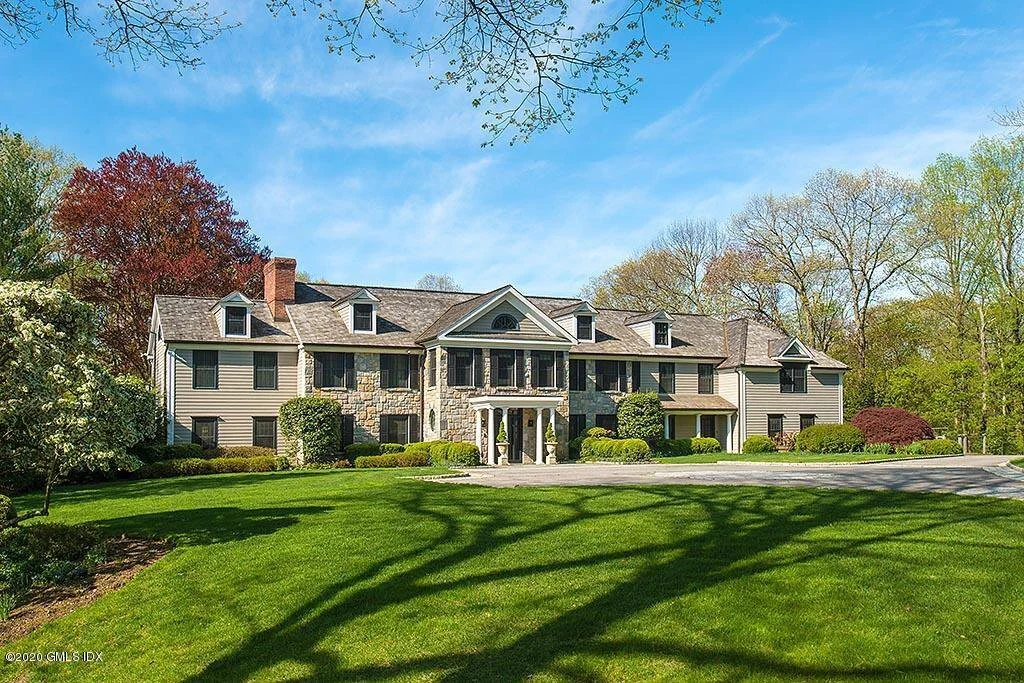
326 round hill.jpg

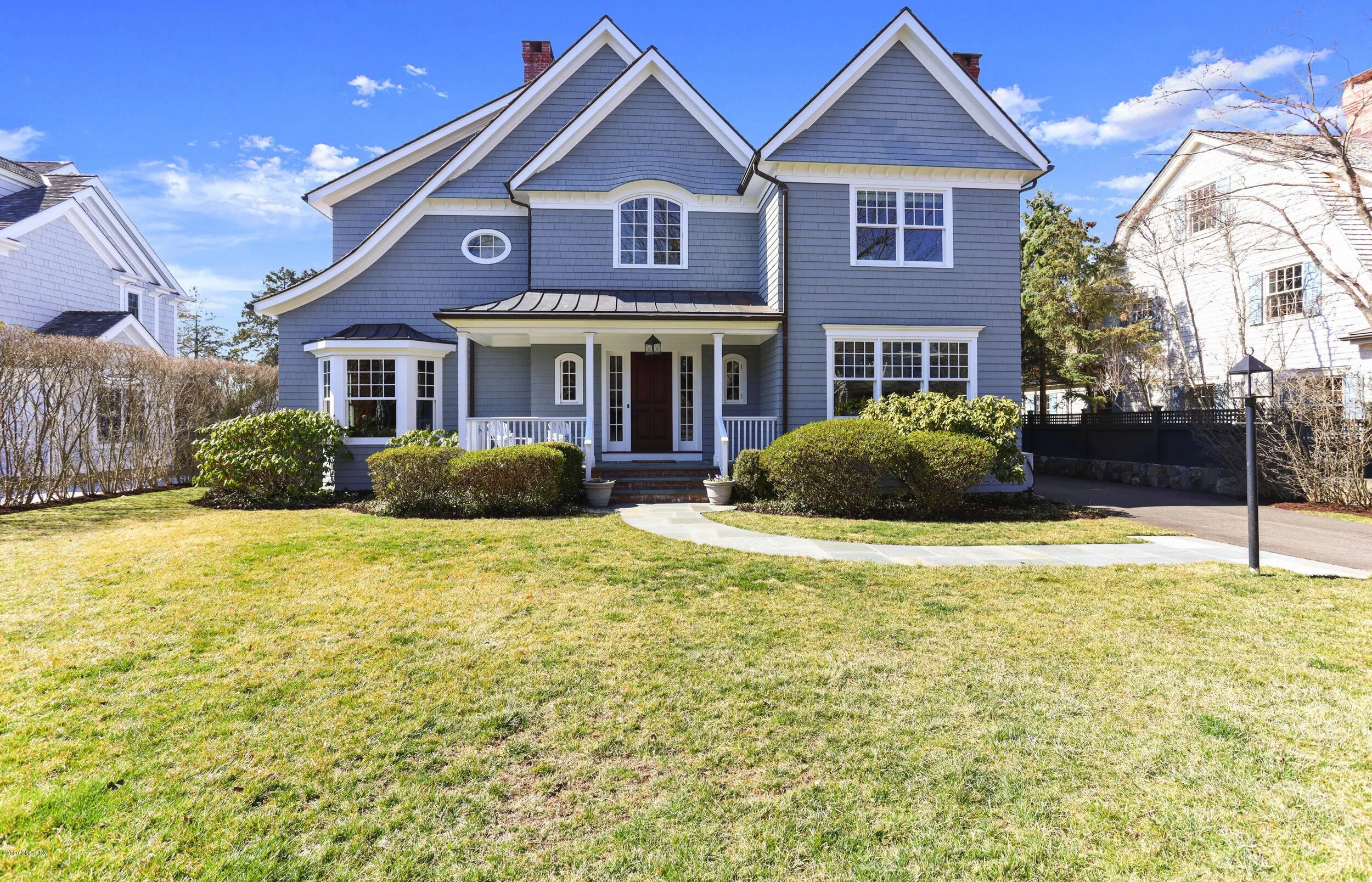
326 Round Hill Road hit the market today asking $6.495 million, making it exactly the one-hundredth active listing priced at $6 million and above. Misery must love company, because there’s been a flood of uber-priced mansions coming on the MLS recently, and unless recent selling trends reverse, we’re looking at easily a five-year inventory.

corporate dining room?

corporate dining room?

Just, just, hmmm

Just, just, hmmm

Listen to the scientists

Epidemiologist who opposes coronavirus lockdown is censored by YouTube.

Epidemiologist Knut Wittkowski, the subject of one of The College Fix’s most read and commented-on articles, says YouTube removed a video in which he criticizes COVID-19 stay-at home measures and advocates a “herd immunity” approach.

Wittkowski, the former (20-year) head of Rockefeller University’s Department of Biostatistics, Epidemiology, and Research Design, told the New York Post he has “no idea” why YouTube took down the video.

“I was just explaining what we had,” he said. “They don’t tell you. They just say it violates our community standards. There’s no explanation for what those standards are or what standards it violated.”

According to the Post report, YouTube CEO Susan Wojcicki had told CNN “anything that goes against [World Health Organization] recommendations would be a violation of our policy and so removal is another really important part of our policy.”

Screen Shot 2020-05-18 at 4.22.39 PM.png


Nice street, but talk about suburban sprawl

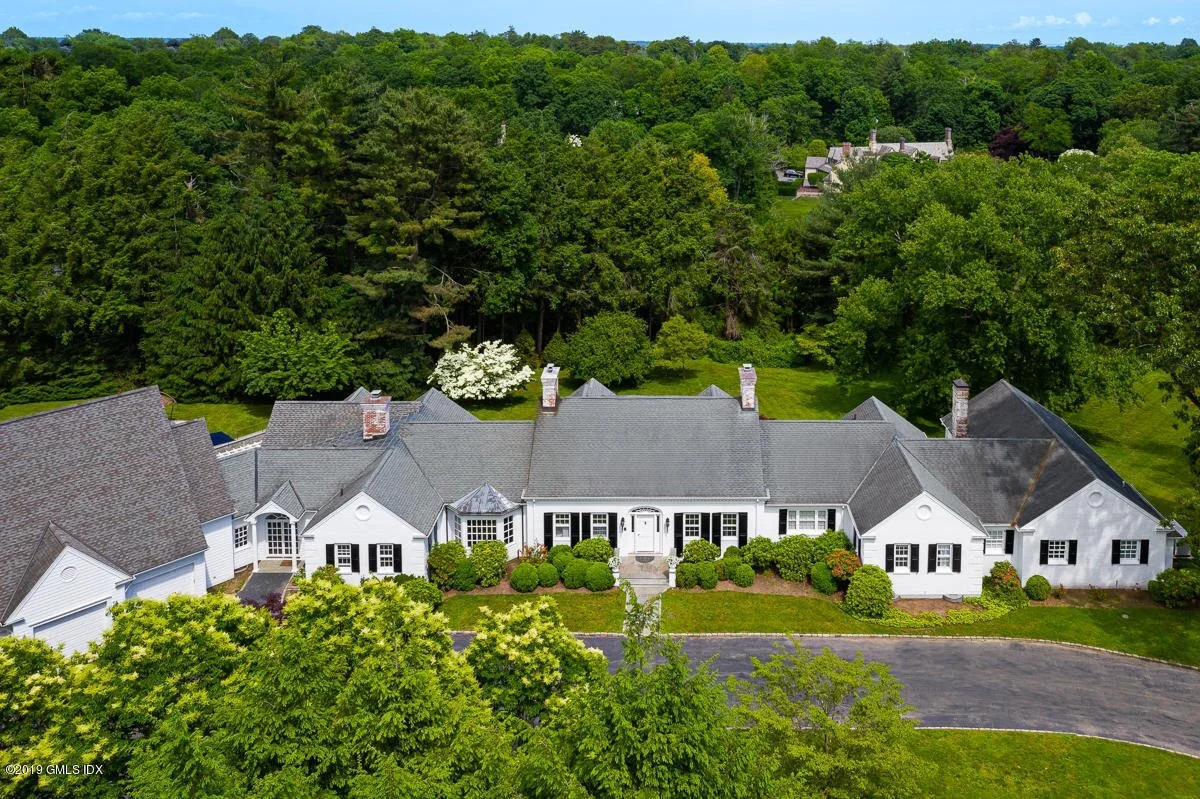
31 meadowcroft.jpg

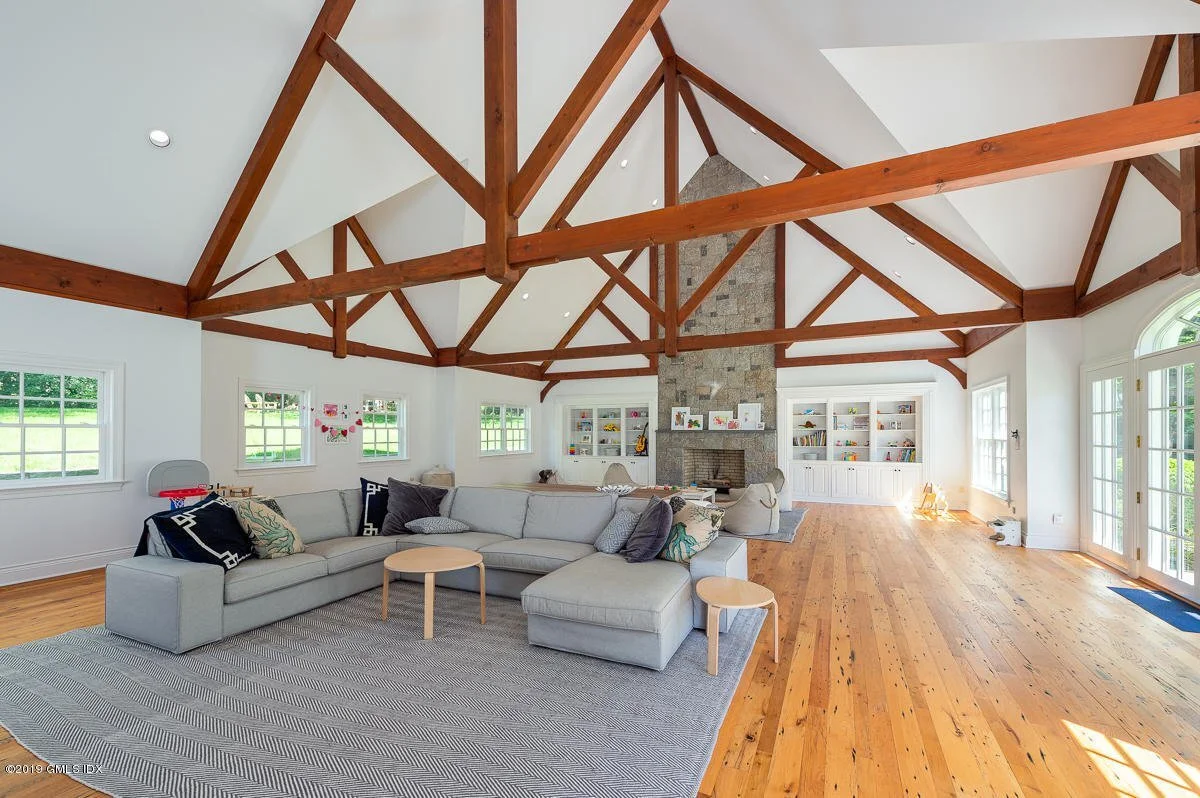
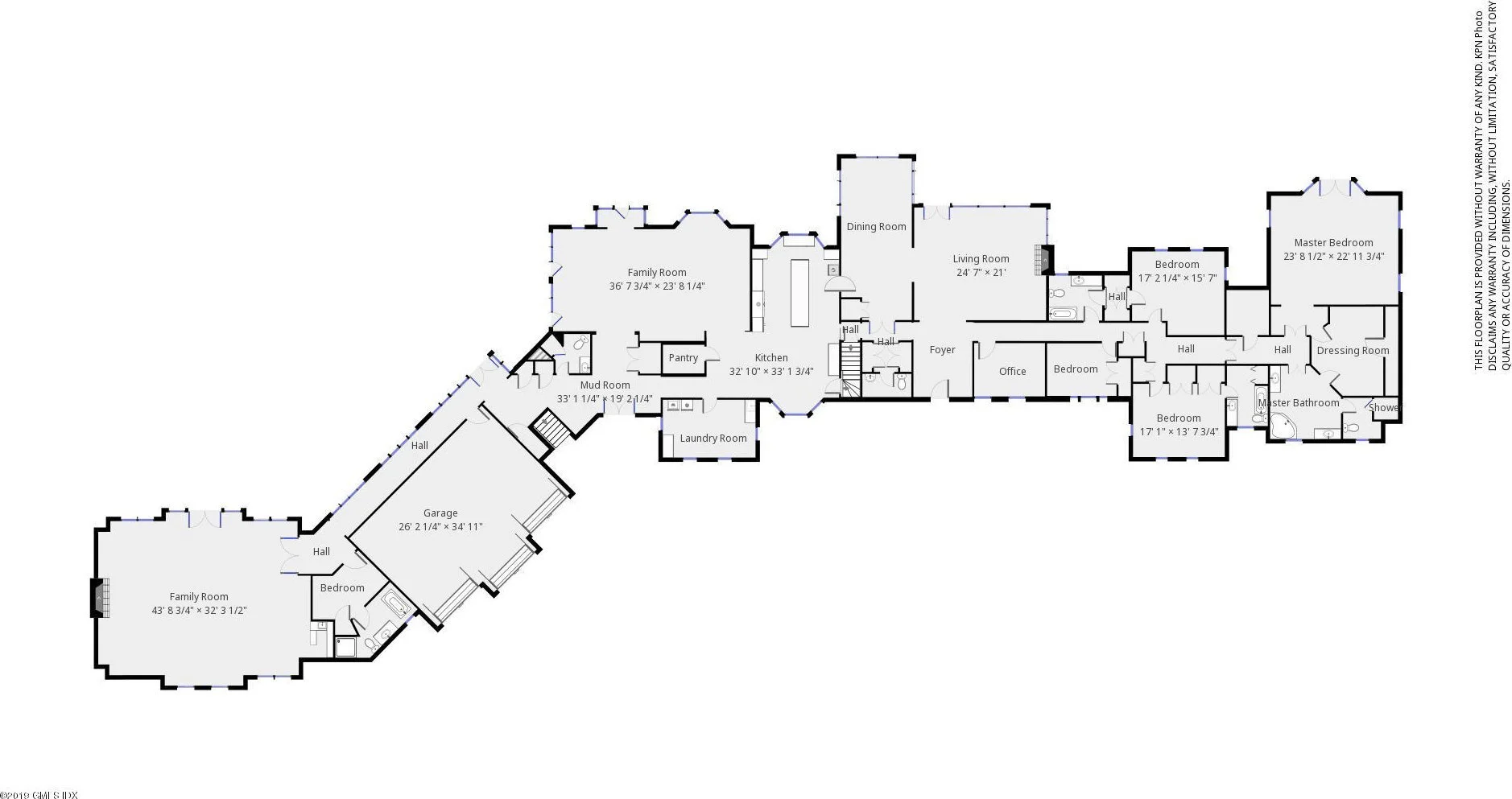
31 Meadowcroft Lane has cut its price to $3.995 from $4.395 million, but will that do the trick? Before Mark Mariani and other spec builders invaded, Meadowcroft was one of the most beautiful roads in Greenwich, and it’s still nice, albeit diminished. And the three acres here have retained their charm. But what’s a 10,000 sq.ft., stretched-out ranch house worth?

The previous owner paid $6.395 for it in 2004, for some reason, and tried selling it for that same number in 2014 before finally throwing in the towel and selling it to these owners for $4 million in 2017. I don’t think the next buyer will make this one’s mistake.

I wish I liked this house more, because I have a buyer for whom the ground floor layout could work, especially with the separate lodging above. But I have no idea what’s going on with the barn-living room thing, the kitchen is dated, and why the hell someone built another huge playroom off the garage is a mystery.

The town values the land at $1.8 (the previous owner unsuccessfully offered it as a land sale at $4.495 from 2016-2017), and the structure at $2.83. I think the land value’s good, maybe even a bit low, but I don’t see the improvements adding an extra $3 million to the package.

barn.jpg
1st floor.jpg

Charm isn't always enough

176 stanwich.jpg

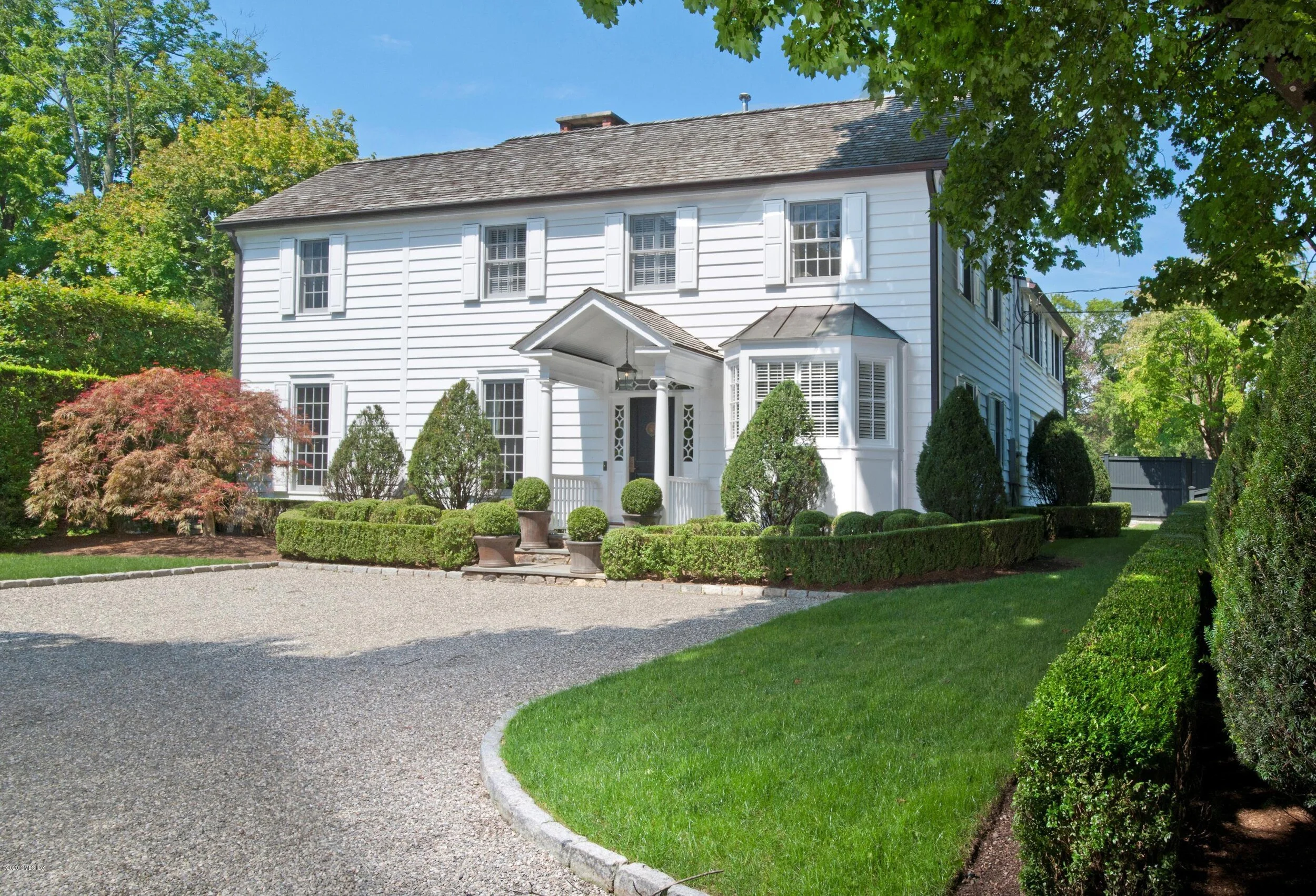
176 Stanwich Road, parts of which were built in 1800, has sold for $2.2 million. The sellers paid $3.165 for it in 2015, so this must have stung a bit. But it does confirm my own prejudice against older houses as safe places to park one’s money. I personally love antique homes, have lived in several over the decades and I prefer them. But finding buyers for them is difficult, even when totally renovated, as this one was in 2014.

This all comes to mind because just last week I was asked for my opinion on a particular house from this one’s era that needs a complete renovation. I told him that I’d value it at the land it sits on and not much more — maybe throw $700,000 at the house itself, just as an inducement to the seller to move off his price, but that total still came in a million shy of the current ask. We’ll see how that works out, if it ever does. I do think that, if not now, then not too much later, the seller will figure out that if he hasn’t found a buyer after eight years, even after cutting his price by half, a bolder haircut must be taken.

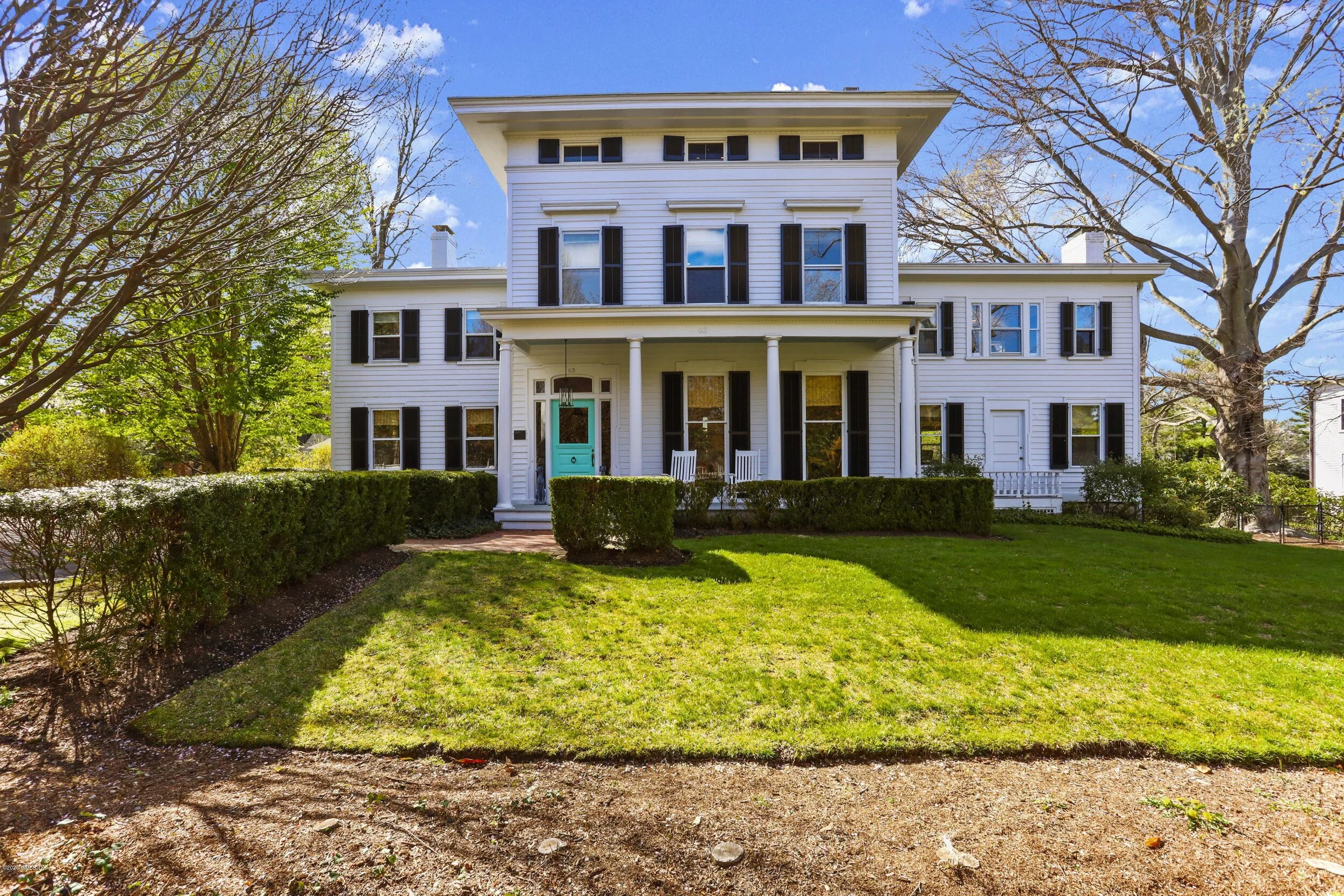
One exception to this rule of diminished expectations is the 1864 Federal at 63 North Street, which just last week was reported as pending after just 17 days. Price this year was $2.950 million; it sold for $2.850 in 2018, after just 14 days, $2.995 in 2013 (19 days) and $2.775 in 2012 (20 days). I don’t know why no one seems to want to stay here long (traffic?) but there’s been no shortage of buyers willing to step up and try it for themselves.

63 North Street, which sold quickly, despite the owners’ er … “bold” color choices, exterior and interior

63 North Street, which sold quickly, despite the owners’ er … “bold” color choices, exterior and interior

Whoever invented the shopping cart and taught these Cos Cob females to walk on their hind legs should have stopped there, before proceeding to typing lessons

Cos Cob’s Dede Brennan also believes in recycling, apparently

Cos Cob’s Dede Brennan also believes in recycling, apparently

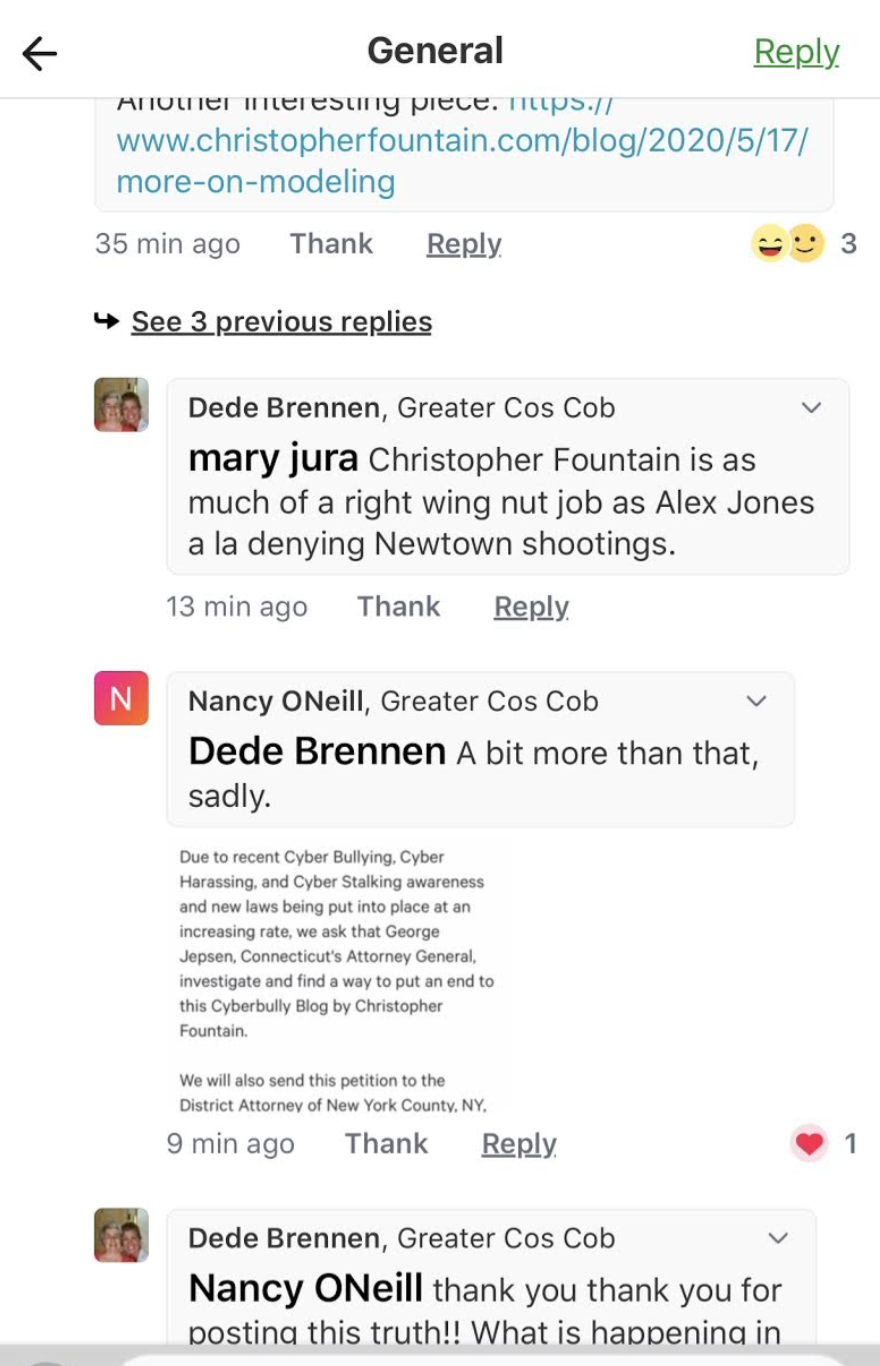
Three elderly women from Cos Cob, Mary Jura, Dede Brennan and Nancy O’Neil were apparently allowed access to the Internet while in the GPD holding pen, and have been venting over the suggestion made here that a total lockdown of the world has been a wee-bit of an overreaction.

Just a tip, Miss O’Neil, from an old lawyer: publishing an accusation of child molestation is considered an act of malice per se, with damages automatically presumed.

Screen Shot 2020-05-18 at 12.56.37 PM.png
Screen Shot 2020-05-18 at 3.20.56 PM.png

Maybe there'll be a spring market after all

7 wahneta.jpg

So far, the past few months of pandemenia has seen real estate activity primarily dominated by rentals, short and long term. But sales may be picking up, with a number of housings selling quickly, even without the benefit of broker and public open houses. Here’s one example: 7 Wahneta Road, Old Greenwich, asking $3.195 million, contract is 24 days.

Built in 2004 for this owner, it seems to have been very well maintained and is in what all realtors love to describe as “move-in condition”. The whole Keoffram Road neighborhood is a great area, so this quick sale wouldn’t have been a surprise in past years, but it’s an encouraging sign today.

More on modeling and the media’s investment in panic mongering

the-stampede-1912-william-robinson-leigh.jpg

Michigan wasn’t gonna be fooled by some limey’s crazy-ass model for Coronavirus projections. Nosiree, they had homegrown talent for that, and based the state’s shutdown on a model developed over a weekend by some college kids.

That model predicted 85,000 deaths, revised in Model 3.0, to a still astonishing 55,000. Actual death count as of May 16th? 683. And who’s dying?

We learned on Thursday that 98.8 percent of all deaths attributed to COVID-19 occurred among residents of long-term care facilities or others with serious underlying conditions (sometimes several of them). Per comments in the daily briefing yesterday (below), all such deaths are attributed to COVID-19.

michigan deaths.png

On a follow-up piece today on Minnesota’s woes, Powerline points out a phenomenon that I’ve noticed elsewhere: the media is all-in on the lockdown and does everything it can to foment hysteria.

“What we have here is a massive political and public policy failure aided and abetted by the media. The obvious truth at the heart of this saga is slipped into the bottom of Joe Carlson’s current Star Tribune story “Minnesota logs 699 new COVID-19 cases day before state relaxes stay-home rules.” The headline contributes to the campaign of fear that is also an essential element of the saga, yet Carlson’s story concludes:”

“Advanced age and living in a group home are risk factors for developing more severe illness. Nineteen of Sunday’s 22 newly reported fatalities happened in people who lived in long-term care or assisted living facilities. All 22 were between the ages of 50 and 99.

Pre-existing health conditions are also a major factor in the death rate. 

In Minnesota, at least 519 of the people who have died had one of seven chronic health conditions, state officials said. So far, only eight people have been confirmed to lack any of those conditions, while full data are not available for the other 195 people who died from COVID-19. Minnesota has seen 722 deaths from the virus.

The conditions tracked by the health department are: chronic lung disease or moderate to severe asthma; serious heart conditions; compromised immune systems from cancer treatment, smoking, bone marrow or organ transplantation and other factors; severe obesity (BMI of 40 or higher); diabetes; chronic kidney disease undergoing dialysis; and liver disease.

Carlson doesn’t perform the calculation for his reader: those with significant underlying health conditions account for 98.46 percent of all COVID-19 fatalities in Minnesota. …

Why this hasn’t been the headline news every day — why it is buried at the bottom of Carlson’s May 17 story — is one of those mysteries the solution to which is hiding in plain view. In the manifestation of the CCP epidemic of 2020 in Minnesota, it is the dog that didn’t bark in the night. Governor Walz has orchestrated a devastating fiasco with great fanfare and with the support of the Minnesota media.

Minnesota’s press is not the only organ deliberately distorting its coverage of this pandemic. Here’s how Maine’s newspaper is pushing the news:

Maine reopening despite missed benchmarks, inadequate testing regime

Gov. Janet Mills has continued to lift lockdown measures that have slowed the pandemic in Maine even though the state has failed to meet key reopening prerequisites and other essential benchmarks and guidelines established by public health experts.

The missed targets include downward trends in new cases, minimum levels of daily tests performed, and the establishment of a regime to routinely test asymptomatic individuals in exposed roles such as health care providers, supermarket clerks, ambulance crews and factory employees.

Facing heavy pressure from business and industry, Mills announced April 28 that Maine would take its first steps toward reopening on May 1, when barbershops, hairdressers, auto dealers, doctor’s offices and golf courses would be allowed to reopen statewide. But at the time, Maine had not met key thresholds laid out by the White House in mid-April: a “downward trajectory” of cases for at least 14 days or, failing that, a reduction in the positive share of coronavirus tests compared to 14 days earlier.

On April 28, Maine’s new-case trend had been going up for nearly a week, and it has ascended more steeply in the two weeks since, growing from 21.7 a day on April 28 to 33.6 a day on May 14, according to a Portland Press Herald/Maine Sunday Telegram analysis of the Maine Center for Disease Control and Prevention’s data.

And then, finally, in the 15th paragraph. a parenthetical admission tagged on [emphasis added — Ed];

The day after Mills’ announcement – Wednesday, April 29 – the new testing data showed the positive rate had actually increased from 4.8 percent to 5.1 percent since the previous report, which covered the period from April 16 to 22. This was lower than the rate earlier in the month – 8.1 percent for the period April 8 to 14 – but also failed to meet the White House criteria. (The rate has dropped dramatically with a large expansion in testing, falling to 1.8 percent in the period ending May 13.)

Maine, Minnesota, everywhere: there is a determined effort to distort news of what’s happening in this pandemic. “Herd immunity” is a term buzzing around these days, but another distinguishing feature of herds is that fear is contagious, and as it spreads so does panic, until you have the entire group stampeding off cliffs. Cattle rustlers used to use this phenomenon to their advantage by whipping up the heard and steering them into box canyons where they could be trapped, subdued, and rounded up. Who are the rustlers today and who’s riding herd? And why?