
Pending on Lindsay Drive
/12 Lindsay Drive, $6.150 million, 8 days from listing to pending, so assume multiple offers.
Greenwich, Connecticut real estate, politics, and more.
Greenwich, Connecticut real estate, politics, and more
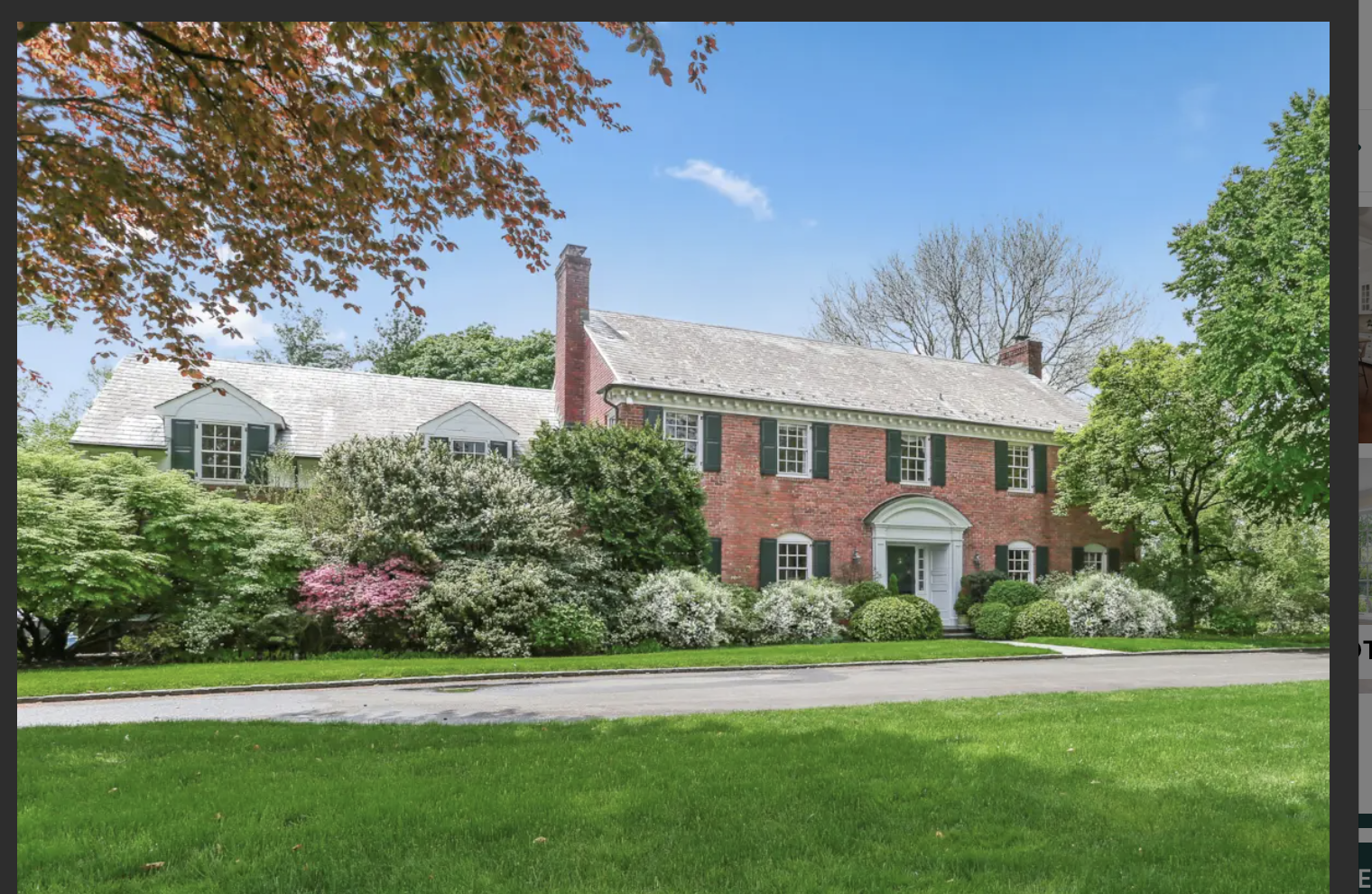
12 Lindsay Drive, $6.150 million, 8 days from listing to pending, so assume multiple offers.

514 Round Hill Road, asked $4.950 million, sold for $4.650.
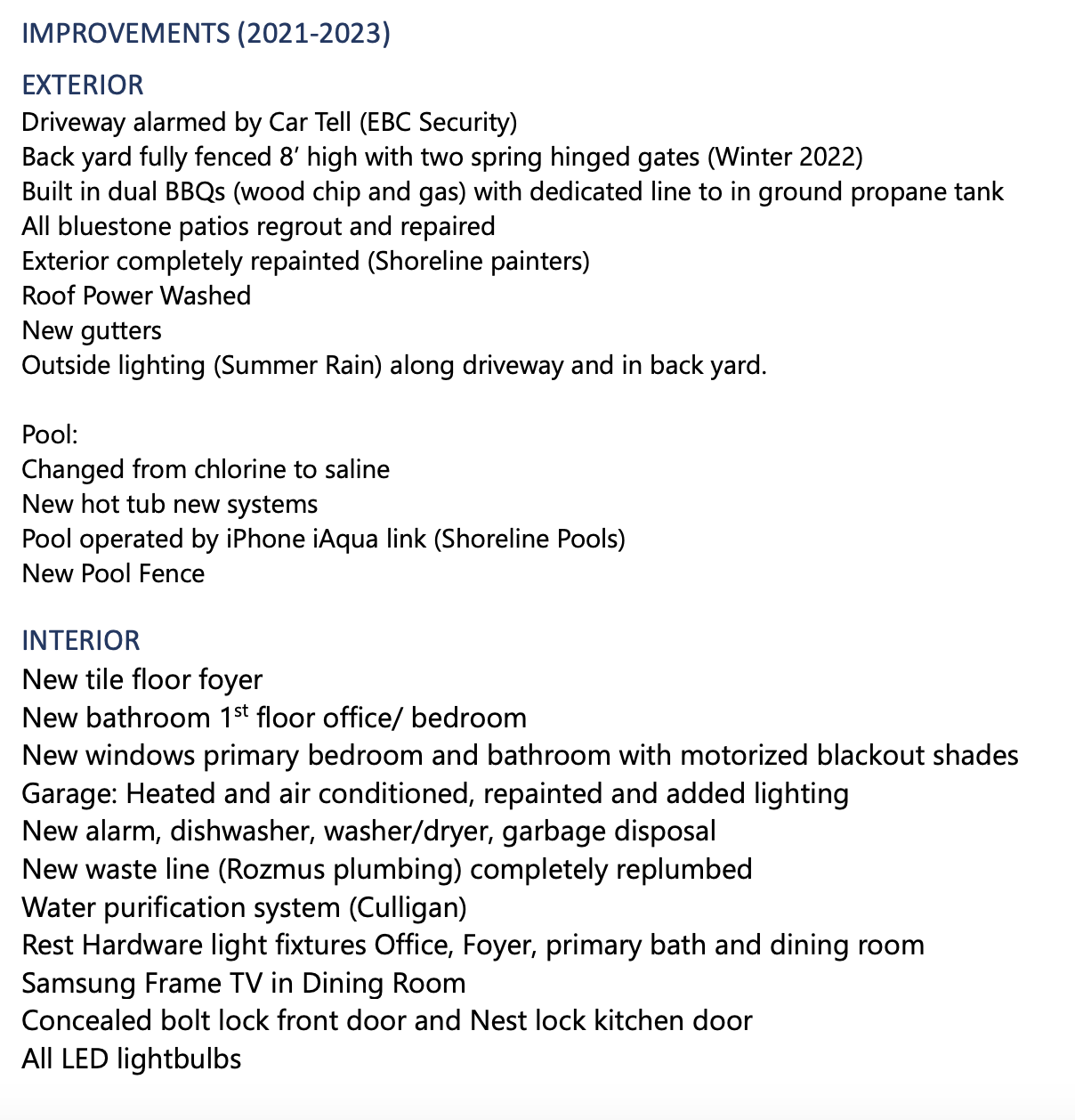
The sellers paid $3,633,000 for the house in 2020 and didn’t do much to it, yet still made (gross) $1,017,000, so that’s not bad for such a short visit.

from his lips to God’s ear
“We cannot win this election … we can only reelect Donald Trump”
"We cannot win this reelection.. we can only reelect Donald Trump!" -Joe Biden pic.twitter.com/MimO44sKZy
— 🔥🇺🇸 KC 🇺🇸🔥 (@KCPayTreeIt) May 22, 2024
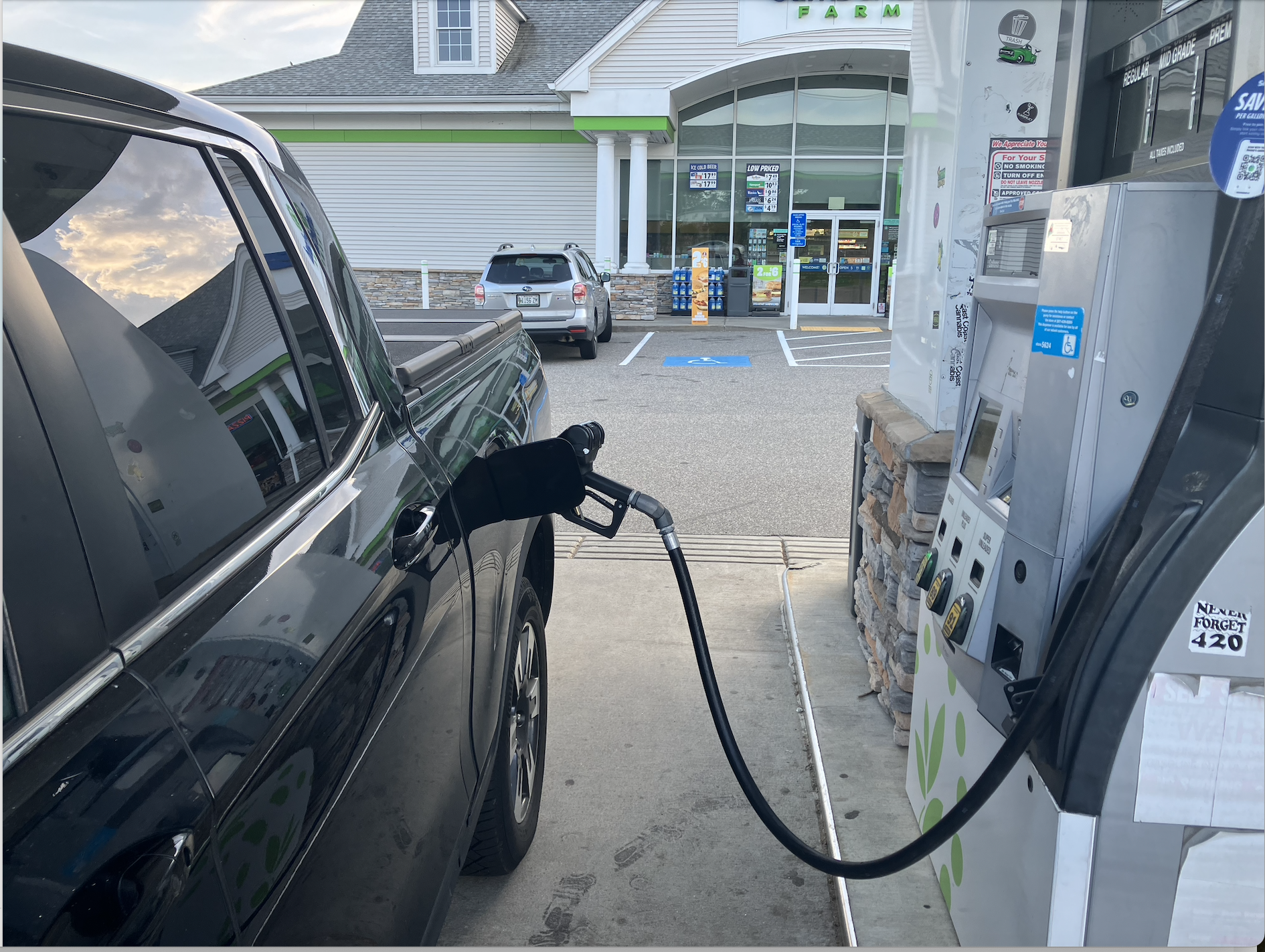
So, I had a meeting at 6:45 this evening, a twenty minute drive from my home. I left 30 minutes before because I knew I was low on gas and would need to fill up. I stopped at a local station and, just for kicks, decided to time the procedure. Getting out of the car, doing the debit card thing, pumping 16 gallons, driving out of the station and resuming my trip took exactly three minutes and thirty seconds. And I was good to go a further 450 miles.
If I had an electric car that needed charging, I’d have had to go out much earlier in the day, find a public charger, and wait anywhere from 25 minutes, to 4 hours, to 12 hours, depending on what charger I found. Or, if I had my own trickle charger at home, I could have stayed there all day while the magic, solar-generated electricity did its thing. A tad inconvenient, but I don’t think my green betters care about my schedule, so what?
Millions of Americans who park their cars on the street or in their apartment building’s outdoor lot (or indoor — not many landlords are going to install individual chargers for their tenants’ cars) and so can’t charge their cars at home don’t realize what’s coming down the road to smash into them in a few years; it should be fun when they do.
But what this year’s voters will notice is the price of Biden gas. On January 20, 2021 (I remember the date because it was Inauguration Day) I paid $1.69 per gallon to fill my tank: The 15.976 gallons I purchased today would have cost $27.14 back then; I paid $3.39 gal. today, for $54.16. That’s a $27.02 difference — double — and I think that difference will be a real attention-getter come November.

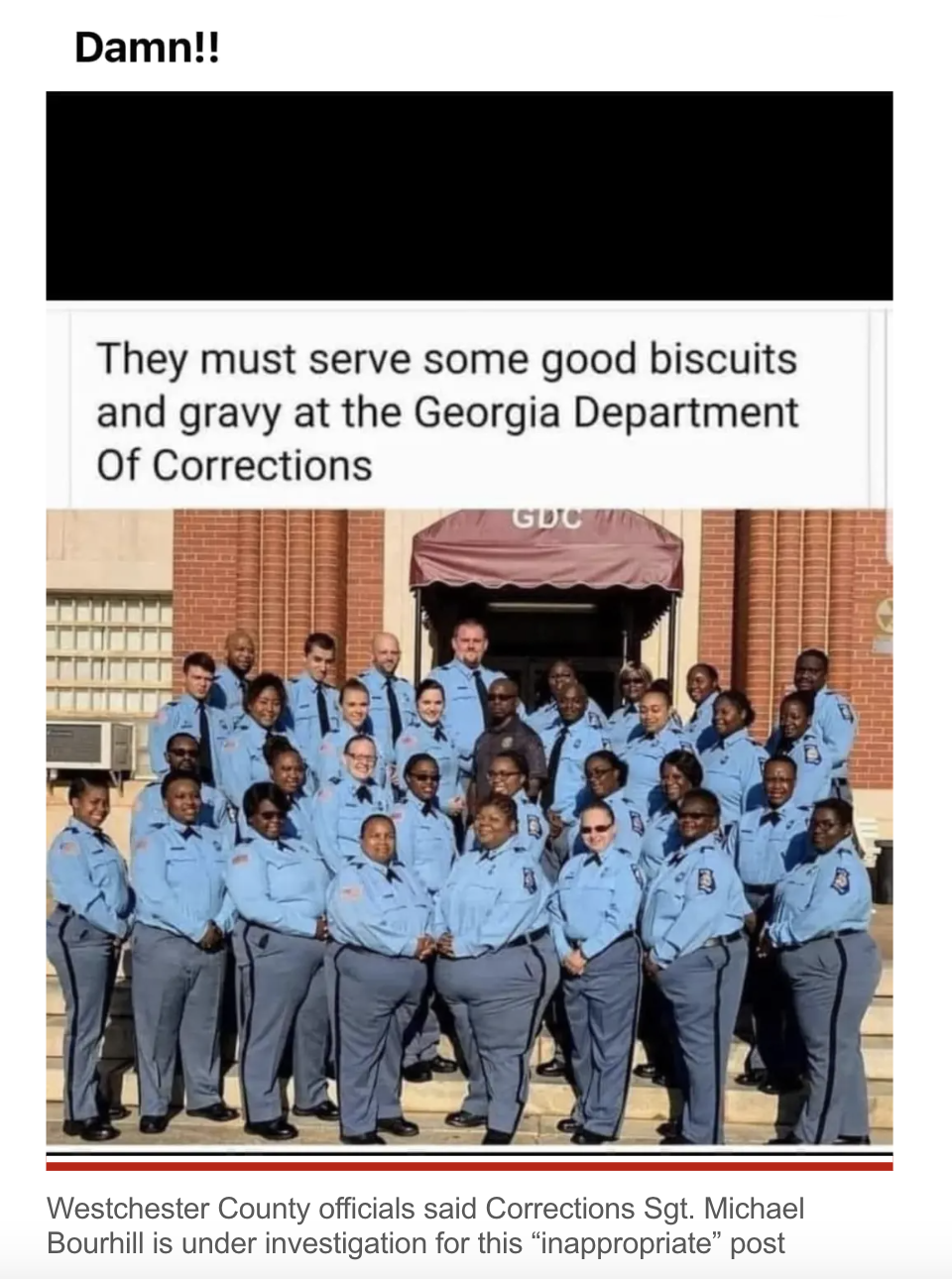
A New York corrections officer has been accused of racism after posting a joke about the guards of a Georgia jail on social media.
The post shared by Sergeant Michael Bourhill of Westchester County displayed an image of the Georgia Department of Corrections members and the caption 'They must serve some good biscuits and gravy at the Georgia Department of Correction'.
Bourhill shared the photo and commented 'Damn!!'
“Posting or reposting inappropriate images is a violation of Westchester County employee policy,” Cioffi said. “Employees who violate this policy will be subject to formal disciplinary charges.”
A Westchester County black corrections officer group took even more umbrage, calling the post racist.
“The Westchester Correction Association strongly condemns the racist and offensive social media post shared by a Westchester Correction Sergeant,” the group said on Facebook.
“Sharing this post is not only unprofessional and inappropriate for any law enforcement supervisor as well as deeply racist and demeaning,” the group said. “To merely share such a post is offensive to this supervisor’s colleagues and co-workers.”
According to the WCA's statement, it seems the primary reason they called the post racist and demanded disciplinary action for Bourhill is because the officers in the photo are 'predominantly Black'.
Umm … that's not racism.
They went on to say:
Regardless if the post implies that Black people eat a lot of biscuits or references the weight of some of the officers in the photo, such posts have no place in our society, let alone within the ranks of law enforcement.
Hold up now. When did biscuits and gravy become a stereotypical food for black folks?
Have they never been to a Cracker Barrel? That place is full of biscuits and gravy … and crackers.
Doesn't everybody love biscuits and gravy?
The WCA statement also said:
As a supervisor, it is important to exercise judgment and sensitivity in order to maintain a respectful and inclusive work environment.
All the words after 'exercise' were unnecessary.
Officer Bourhill is currently under investigation for the post, highlighting just how ridiculous progressives have become.
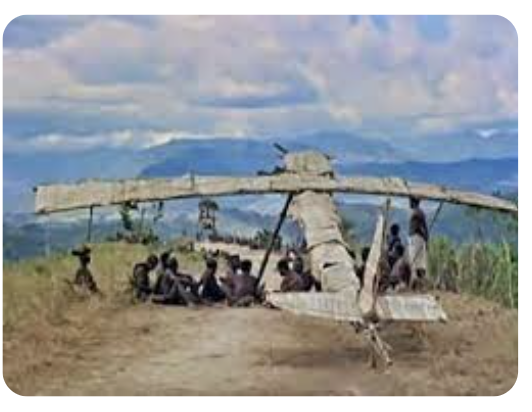
awaiting the manna delivery god
STEPHEN GREEN | 4:00 PM ON MAY 23, 2024
It takes a special kind of stupid to mandate electric vehicles that many people can't afford, charged on a power grid that can't support them. But beyond even that, it takes a special kind of magical thinking to mandate electric trains that haven't been invented.
Welcome to California, the land of magical thinking.
By law, "all new passenger cars, trucks, and SUVs sold in California will be zero-emission vehicles [ZEV] by 2035." ZEVs include EVs, hydrogen-powered vehicles, and plug-in hybrids (but not regular hybrids). If Sacramento gets its way, starting in 2030, freight trains will have to meet the same strict standards.
While it escaped my attention at the time, in November the California Air Resources Board (CARB) issued new regulations "that would require all freight trains to be in a zero-emission configuration by 2035. By 2030, the rule mandates that diesel locomotives that are 23 years or older be retired, even though a locomotive can have a useful life of 39 years or longer."
Passenger trains will have to go full ZEV by 2030 and freight trains by 2035. The problem is that nobody makes a ZEV freight train. It also seems unlikely to be a good idea, but stick a pin in that thought because I'll come back to it momentarily.
The closest thing to CARB's new standard is a battery-electric locomotive made by a firm called Wabtec. But it's only a demonstration engine at this point; it only reduces fuel use by 11% because it has to be used in tandem with traditional diesel engines, and therefore still doesn't satisfy CARB.
>>>>
If there's one thing diesel does very well, it's generate absurd amounts of towing power. Want to pull a hundred cars of freight? Diesel. Need to deliver a semi's worth of unassembled IKEA furniture? Diesel. Towing your 26-foot camping trailer up the mountains? Diesel.
Batteries suck for towing. The additional mass drains them far more rapidly than regular driving does. I can't imagine how many locomotives worth of batteries it would take to pull the massive coal trains I see moving along the Front Range, but most of the ones I see already use four or five diesel engines.
So either California is going to require the most ridiculous number of (non-existent) electric locomotive engines, or they're going to have to electrify their entire network of train tracks. I don't even know if that's possible. But I am laughing at the thought of what would happen when the train hits the Nevada state line and the power runs out.
What can account for seemingly educated people enacting mandates that defy logic, physics, experience and common sense? Why do they demand the impossible, and grow so furious when they’re denied it?
I suggest that they see the amazing wealth and prosperity of the western world and covet it, but have no idea how that wealth was produced, and no knowledge of how to make their own, so they’ve invented an imaginary cornucopia that, upon proper appeal and appeasement of Mother Gia, will magically reward them with earthly and spiritual delights. Or perhaps it’s the opposite; certainly at least some of them see prosperity as wicked, and reject it for both themselves and the world, and seek to destroy it. Either way, a form of religion is involved, and with religion comes ritual.
The article below explains cargo cults as “ a crude attempt to make sense of the world”, and isn’t that what we’re seeing today? Having discarded everything that used to comprise western culture: religion; science; literature, they’ve been left adrift, and need a replacement for what humans have previously used to explain their world. They’ve settled, at least for now, for magic.
Sapiens.org What Cargo Cult Rituals Reveal About Human Nature
When Indigenous communities throughout the area had their first encounters with colonial forces, they marveled at the material abundance the foreigners brought with them. During World War II, when many Melanesians worked for U.S. and Australian military forces, they observed soldiers who never seemed to engage in any productive activities, such as fishing, hunting, working the land, or crafting anything. All they did was march up and down, raise flags, chant anthems, and signal toward the sky.
And when they did that, metal birds appeared and dropped all kinds of goods for them. The Indigenous observers concluded that the strange rituals were causing the cargo to arrive.
With the end of the war, the military bases were abandoned and the goods ceased to arrive. To get the cargo to return, local chiefs began organizing ceremonies that mimicked the rituals of the troops. Soon, elaborate myths and theologies developed around those rituals. Surely, the cargo must have been a gift from the gods—their own ancestors. After all, who else could be capable of producing such wealth? The foreigners had merely discovered the rituals that unlocked these treasures.
These remarkable religious movements became known outside of Melanesia as “cargo cults.” The term first appeared in print in an Australian news magazine in 1945 and was soon adopted by many anthropologists. Others in the field raised objections over the term, pointing to its Western-centric origin and pejorative connotations.
Ethnographers stressed that these movements were about much more than just material goods. They saw them as revitalization movements, acts of resistance against colonial intervention and missionization. By the middle of the 20th century, Indigenous communities throughout the area had experienced more than a century of European and later Australian, Japanese, and U.S. colonial and military interventions. These intruders had taken control of their land and coaxed or forced them into slave labor. Missionaries had also established a kind of moral police that punished those who practiced traditional customs not in accordance with Christianity. Within that context, ethnographers argued, cargo cults had emerged as a way for local leaders to consolidate their power, relieve social stress, and/or unite communities under a proto-nationalist ideology or a demand for political autonomy.
But the emergence of cargo cults also reveals something else: the universal human need for ritual. Examined from this perspective, the practices of Melanesians may begin to look more familiar to those of us living in other parts of the world.
✽
EARLY ANTHROPOLOGISTS SAW RITUAL as a crude attempt to make sense of the world. They often disparagingly described Indigenous beliefs and practices as “prelogical,” like those of young children. The assumption was that one day these groups of people would “grow up” and shed their backward ideas. Ironically, however, in reporting on what they saw as “primitive” or exotic, anthropologists often unwittingly described the behaviors of people in their own societies—revealing some truths about human nature in general.
Research shows that humans have intuitive expectations about ritual efficacy that operate unconsciously. From early childhood, we are drawn to ritualization. Young children are obsessed with routines and patterns, are keen on imitating others, and appear to believe that ritual actions have causal effects. For instance, studies have found that preschoolers think birthday parties cause other children to grow older.
Adults, too, have similar intuitions, even if they don’t realize it. In a study conducted in the U.S., my colleagues and I showed people videos of basketball players shooting free throws. In half of those videos, a player performed a pre-shot ritual like spinning or tapping the ball. In the other half, we switched the camera angle to show the same shots without the ritualized parts. After the ball left the player’s hands, each video stopped, and participants were asked to predict the outcome of the shot. As it turned out, they expected the same shots to be more successful when they were ritualized.
Why would we have such expectations if a ritual doesn’t actually cause cargo to fall from the sky or make our free throws more accurate? This question has bemused social scientists for a long time. But while ritual, by definition, does not have a direct causal outcome, this does not mean it has no function at all.
On the contrary, as I explore in my new book, Ritual: How Seemingly Senseless Acts Make Life Worth Living, rituals play key roles across human societies, helping their members soothe their anxieties, connect, and maintain social order.
✽
MELANESIAN CARGO CULTS FLARED up during times of crisis. When colonists started arriving in the area in the 17th century, Melanesians saw their ways of life upended. The invaders imposed changes that devalued their customs and norms, and colonists’ military strength left them feeling powerless to react. Faced with the pressures of modernization and capitalism, their traditional exchange systems, based on barter and gifting, now seemed obsolete. And while previously self-sufficient, they suddenly felt relative deprivation compared to the foreigners’ opulent lifestyles. It was against this backdrop that cargo cults emerged. And indeed, such movements occurred more commonly in those areas that faced greater encroachment from the colonizers.
This reflects a broader pattern: People are more prone to turn to ritual in stressful contexts such as war, illness, or natural catastrophes.
Indeed, experiments show that ritual can be an effective coping mechanism. For example, in research conducted with Hindu women in Mauritius, my colleagues and I found that performing prayers at a temple helped the women reduce stress (both subjective and physiological) caused by contemplating natural disasters. Likewise, cargo cult rituals may have helped Melanesians cope with the uncertainty of their rapidly changing conditions. They also served crucial social functions. By bringing Indigenous people together to enact them, these rituals forged a sense of common identity and helped create a collective conscience.
Of course, nothing in these rituals will save us from starving, but westerners, especially Americans, are grievously obese anyway, so where’s the harm?
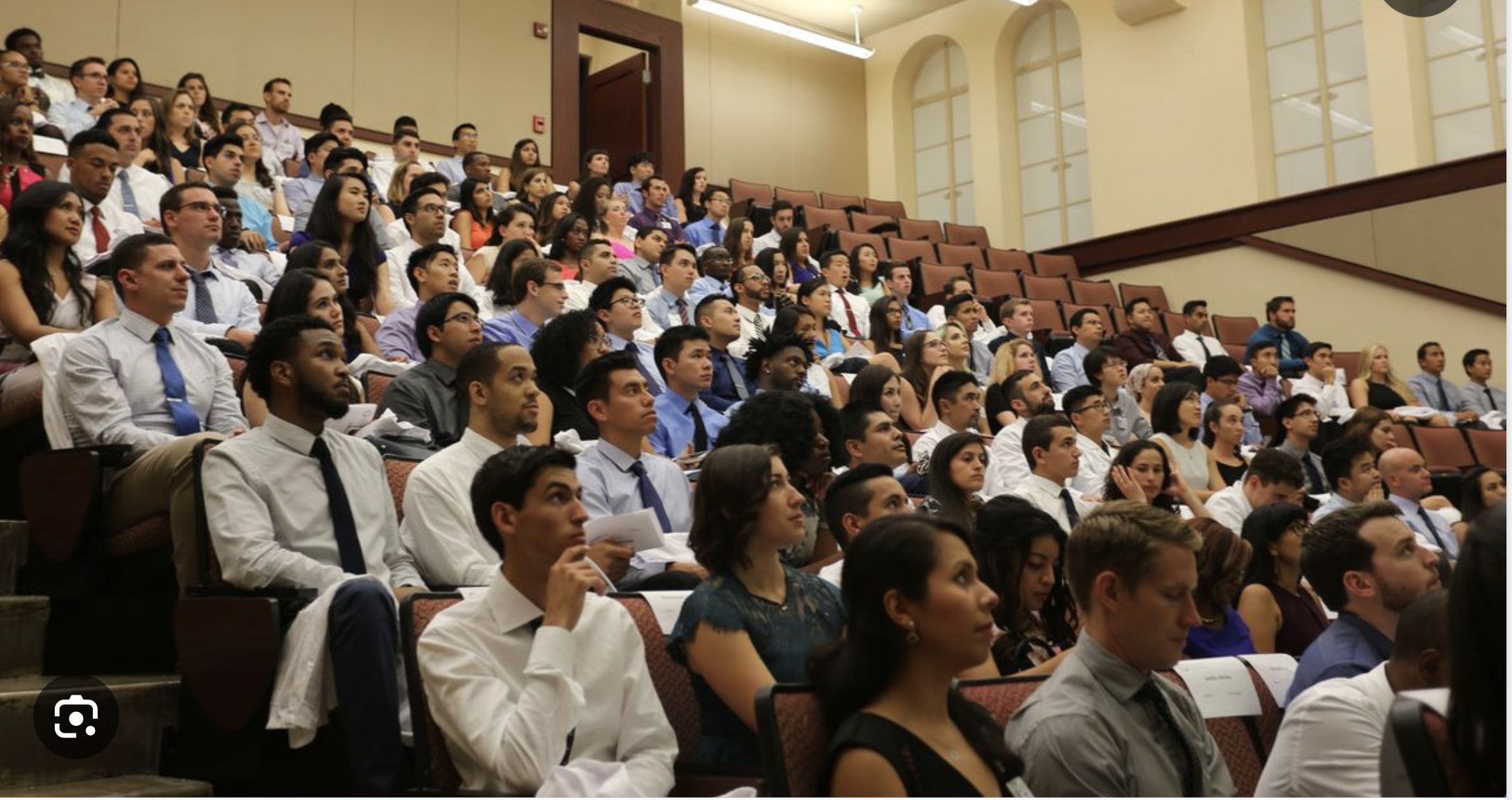
diversity r us at ucla
Looking for a doctor? Choose an Asian, or a white, but otherwise, especially if the physician in question trained at UCLA, the odds of competence are dead set against you. Before you accuse me of racial discrimination, consider: isn’t that exactly what this school is doing?
Long considered one of the best medical schools in the world, the University of California, Los Angeles's David Geffen School of Medicine receives as many as 14,000 applications a year. Of those, it accepted just 173 students in the 2023 admissions cycle, a record-low acceptance rate of 1.3 percent. The median matriculant took difficult science courses in college, earned a 3.8 GPA, and scored in the 88th percentile on the Medical College Admissions Test (MCAT).
Without those stellar stats, some doctors at the school say, students can struggle to keep pace with the demanding curriculum.
So when it came time for the admissions committee to consider one such student in November 2021—a black applicant with grades and test scores far below the UCLA average—some members of the committee felt that this particular candidate, based on the available evidence, was not the best fit for the top-tier medical school, according to two people present for the committee's meeting.
Their reservations were not well-received.
When an admissions officer voiced concern about the candidate, the two people said, the dean of admissions, Jennifer Lucero, exploded in anger.
"Did you not know African-American women are dying at a higher rate than everybody else?" Lucero asked the admissions officer, these people said. The candidate's scores shouldn't matter, she continued, because "we need people like this in the medical school."
>>>>
Since Lucero took over medical school admissions in June 2020, several of her colleagues have asked the same question. In interviews with the Free Beacon and complaints to UCLA officials, including investigators in the university's Discrimination Prevention Office, faculty members with firsthand knowledge of the admissions process say it has prioritized diversity over merit, resulting in progressively less qualified classes that are now struggling to succeed.
Race-based admissions have turned UCLA into a "failed medical school," said one former member of the admissions staff. "We want racial diversity so badly, we're willing to cut corners to get it."
>>>>>
"I have students on their rotation who don't know anything," a member of the admissions committee told the Free Beacon. "People get in and they struggle."
>>>>>
Within three years of Lucero's hiring in 2020, UCLA dropped from 6th to 18th place in U.S. News & World Report's rankings for medical research. And in some of the cohorts she admitted, more than 50 percent of students failed standardized tests on emergency medicine, family medicine, internal medicine, and pediatrics.
Those tests, known as shelf exams, which are typically taken at the end of each clinical rotation, measure basic medical knowledge and play a pivotal role in residency applications. Though only 5 percent of students fail each test nationally, the rates are much higher at UCLA, having increased tenfold in some subjects since 2020, according to internal data obtained by the Free Beacon.That uptick coincided with aThat uptick coincided with a steep drop in the number of Asian matriculants and tracks the subjective impressions of faculty who say that students have never been more poorly prepared.
>>>>
One professor said that a student in the operating room could not identify a major artery when asked, then berated the professor for putting her on the spot. Another said that students at the end of their clinical rotations don't know basic lab tests and, in some cases, are unable to present patients.
"I don't know how some of these students are going to be junior doctors," the professor said. "Faculty are seeing a shocking decline in knowledge of medical students."
And for those who've seen the competency crisis up close, double standards in admissions are a big part of the problem. "All the normal criteria for getting into medical school only apply to people of certain races," an admissions officer said. "For other people, those criteria are completely disregarded."
Led by Lucero, who also serves as the vice chair for equity, diversity, and inclusion of UCLA's anesthesiology department, the admissions committee routinely gives black and Latino applicants a pass for subpar metrics, four people who served on it said, while whites and Asians need near perfect scores to even be considered.
The bar for underrepresented minorities is "as low as you could possibly imagine," one committee member told the Free Beacon. "It completely disregards grades and achievements."
Several officials said that they support holistic admissions and don't believe test scores should be judged in isolation. The problem, as they see it, is that the committee is not just weighing academic merit against community service or considering how much time a given student had to study for the MCAT. For certain applicants, they say, hardship and community service seem to be the only things that matter to the majority of the committee's 20-30 members, many of whom were handpicked by Lucero, according to people familiar with the selection process.
"We were always outnumbered," an admissions officer told the Free Beacon, referring to committee members who expressed concern about low grades. "Other people would get upset when we brought up GPA."
Lucero hasn't been kind to dissenters. Speaking on the condition of anonymity, six people who've worked with her described a pattern of racially charged incidents that has dispirited officials and pushed some of them to resign from the committee.
>>>>
After a Native American applicant was rejected in 2021, for example, Lucero chewed out the committee and made members sit through a two-hour lecture on Native history delivered by her own sister, according to three people familiar with the incident. No applications were reviewed that day, an official present for the lecture said.
In the anesthesiology department, where Lucero helps rank applicants to the department's residency program, she has rebuffed calls to blind the race of candidates, telling colleagues in a January 2023 email that, despite California's ban on racial preferences, "we are not required to blind any information."
>>>>
The focus on racial diversity has coincided with a dramatic shift in the racial and ethnic composition of the medical school, where the number of Asian matriculants fell by almost a third between 2019 and 2022, according to publicly available data. No other elite medical school in California saw a similar decline.
"It's a combination of a bad curriculum and bad selection," another professor said, referring to the admissions process. Some students are accepted with GPAs so low "they shouldn't even be applying."
>>>>>
Lucero uses proxies like zip codes and euphemisms like "disadvantaged" to shut down criticism of unqualified candidates, citing a finding from the Association of American Medical Colleges that, technically, most students with below-average MCATs make it to their second year of medical school. How well they do after that point goes undiscussed and undisclosed.
"We have asked for metrics on how these folks actually do," one committee member said. "None of that is ever divulged to us."
>>>>
“Within three years of Lucero’s hiring in 2020, UCLA dropped from 6th to 18th place in U.S. News & World Report’s rankings for medical research. And in some of the cohorts she admitted, more than 50 percent of students failed standardized tests on emergency medicine, family medicine, internal medicine, and pediatrics.”
(FWIW): "I don't know how some of these students are going to be junior doctors," the professor said. That’s easy: all hospitals have DEI departments now, just as medical schools do, and these graduates will be hired, in the place of competent ones. Alternatively, and if the proponents of DIE are correct and these minority students will end up in minority neighborhoods, maybe the usual pattern will triumph: the liberals will achieve their own goal, and the poor will pay the price.
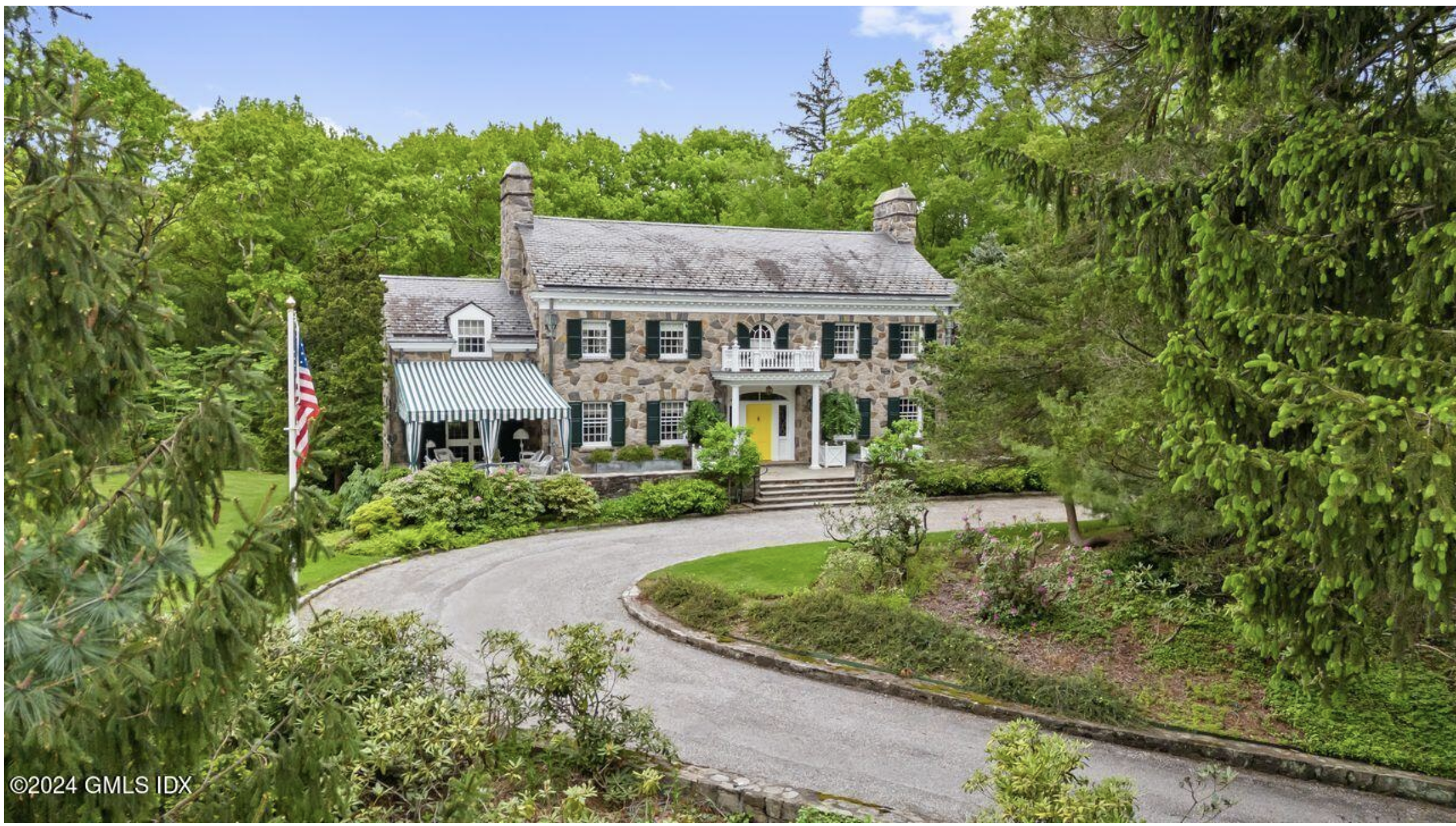
17 Alden Road, which will be priced at $5.750 million, showings to begin May 28th. I’ll be curious to see the markets’ reaction to this home. Built in 1930, its late owner bought it almost 50 years ago, and he doesn’t appear to have done much updating. Then again, he was 96 when he died in Florida last year, and I imagine that at that age he was perfectly comfortable with the way it was decorated, so why change it?
And good for him — that’s a perfectly reasonable decision, but younger buyers are going to want to make some significant, and probably expensive renovations here.
2.35 acres.

joe barbieri having refused to loan out the zebra, this stager has decided to attempt to one-up him. we’ll see how that works out.

definitely not joe’s chickens — he doesn’t have any to lend

382 North Street is pending. Currently priced at $2.950 million, it started off in June 2022 at $4.1. It’s a perfectly decent house, nicely set off from North Street, but dated: built in 1956, it was last updated in 1991, and it shows. But the fact that it lingered this long in this market is attributable to the pricing decisions made over the past 24 months and not to the merits of the house itself.

the sound of approaching hoofbeats
You can’t dump Joe unless you also also shed Kampallawalla Ding Dong, and until now, what passes for wisdom in Washington has declared that impossible, given the identity politics that rule the Democrat party. But what’s this? Someone has given the Daily Show permission to mock the VP, and that’s unheard of. It will take someone trained in Kremlinology to figure out what this portends, but it suggests to me that Miss Word Salad shouldn’t start measuring for new curtains in the Oval Office quite yet.
This Comedy Central Daily Show skit ripping Kamala Harris' word salads is both brutal and hilarious. pic.twitter.com/ODT5hc4Cf3
— Matt Wolking (@MattWolking) May 22, 2024
Be notified of new posts! Sign-up here:
Want to comment without registering?