

Pending in Riverside
/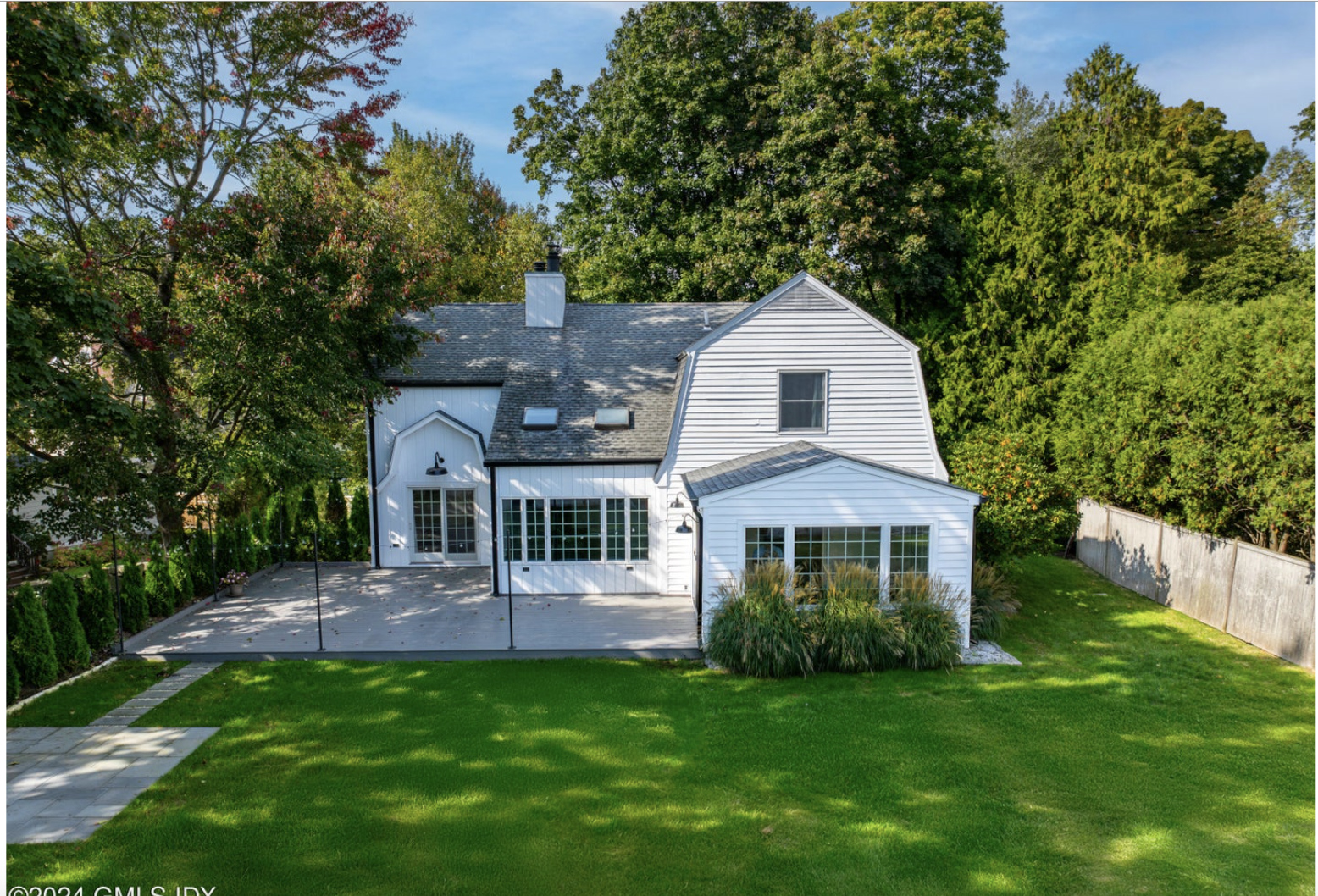
Mentioned here when it hit the market a few weeks ago, 6 Hendrie Avenue, $2.550 million, is now pending. Nice location, decent house, so no surprise that it’s found a buyer.
On the other hand, Portland, Maine deserves exactly what it's about to receive, good and hard
/
Portland Elects Second Democratic Socialist to City Council
Wes Pelletier, a longtime member of the Maine Democratic Socialists of America (Maine DSA) was elected to the Portland City Council on Tuesday, making him the second democratic socialist who will be serving on the city’s nine-member policymaking body.
…. He will join District 5 City Councilor Kate Sykes, the former co-chair of Maine DSA, as the second democratic socialist on the Portland City Council.
The national DSA put out a statement on X Wednesday congratulating Pelletier on his victory.
“A former chapter co-chair, Wes has been a member of DSA for close to a decade where he has fought to bolster rent control in Portland to take on an unprecedented housing crisis,” the DSA wrote.
Portland’s socialists are mostly made up from non-taxpaying students at the University of Southern Maine, and that institution’s graduate baristas and folk singers, supplemented by all the best people from Massachusetts. Because Portland’s charter allows any proposed law, no matter how stupid, to appear on the ballot with just a handful of signatures, the Socialists have put rent control (5% maximum increase, with no credit for repairs or improvements) and a $22 per hour minimum wage up for voting on recent years, and both, as well as a myriad of of other dystopian plans have passed by slim majorities. Portland’s very liberal mayor, Kate Synder, was so frustrated by the process: “issues that should be discussed and considered in a rational way are reduced to one or simple sentences that are voted on without thought” that she chose not to seek a second term, and got out of Dodge.
She had this to say about the group last year:
In November of last year, former Portland Mayor Kate Snyder described the influence of the Maine DSA on the city’s political landscape as “very real, and very powerful.”
“I think the national platform of the Democratic Socialists of America has really taken hold in Portland, Maine,” Snyder told WGAN Morning News host Matt Gagnon. “And there are many people who are very receptive to the message and who have taken on that mantle, and who are moving that national agenda forward in our small city.”
After two decades of growth, Portland is still thriving, and perhaps it will continue to prosper. But I remember the decades when the city was a dive, with a commercial vacancy rate of 67% as recently as the late 90s, and I expect to see those days return, soon. What can’t continue, won’t, and the student socialists and their adult enablers are working hard to ensure that the halcyon days of abandoned buildings and low-to-no rent are part of the city’s future.

Speaking of garbage ....
/
The doomsday warnings from the NYT editorial board about the next Trump Presidency are a lot funnier with the Curb Your Enthusiasm theme running in the backgroundpic.twitter.com/RD7rQuBgja
— Will Chamberlain (@willchamberlain) November 7, 2024
And …
This woman shaved her head to protest Trump’s win and to fight the patriarchy
— Libs of TikTok (@libsoftiktok) November 6, 2024
This might be the best meltdown yet 😂 pic.twitter.com/9DCw0uHCRc
And their other job is collecting grants serving as global warming experts
/
“Garbage! Their claims are garbage, and so are they!”
Here’s how many bees you’re killing with your car — and why that’s dangerous for the environment
New research finds that millions upon millions of bees are killed in collisions with cars in the United States annually — posing a major problem for the economy and environment, experts insisted in a buzzy new report.
The study, published in the journal Sustainable Environment, was conducted in Utah using sticky traps fixed to the bumpers of mid-sized cars — that were then driven at length around The Beehive State.
… “We estimate that hundreds of millions [of] bees could be killed every summer, just considering the roads on which we conducted our surveys,” they wrote.
“Regardless of what the number is — if it’s millions or billions — it’s a large number of bees that are being impacted,” author Joseph Wilson told Sciencenews.org.
“My gut says we’re likely underestimating, because every time I drove, I hit at least one bee.”
Reed Johnson, a researcher in Ohio State’s Department of Entomology with no affiliation to the new data, has warned for years that bee populations are at serious risk.
Losing so many winged insects — he said bees are the most important pollinators around — will sting worse than we imagine.
Johnson explained that bees pollinate about a third of the world’s food supply and their natural services are valued at nearly $20 billion annually.
He also noted that the populations are “declining at a rapid, unprecedented rate.”
Scary stuff, and absolute bullshit:
Honeybee populations are hitting record numbers. Weren’t they dying off before?
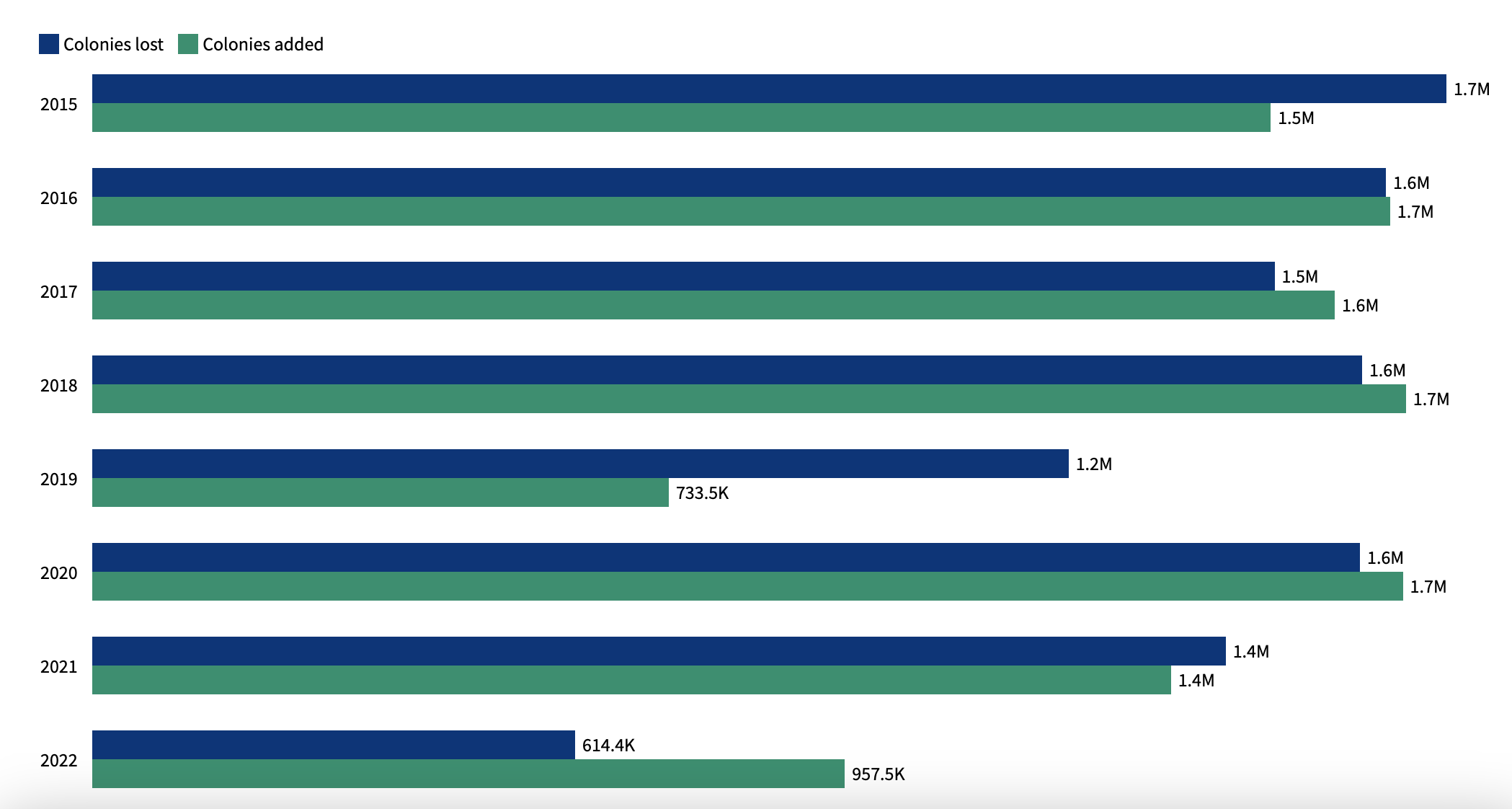
Between January 2015 and June 2022, the US lost 11.4 million honey bee colonies and added 11.1 million.[2]
Annual loss rates for honey bees have improved compared to previous decades, such as the 1980s when rates were as high as 9% nationwide. The highest loss rate over the past decade has been 4%, indicating a concerning but manageable decline for those who rely on bees for crop pollination.
A little more than a decade ago, environmentalists and agriculturalists were sounding the alarm for bees. Some 10 million beehives had been lost in the previous years, and scientists weren’t completely sure why. The consequences of this widespread loss could have been dire for crops and humans.
Today though, bees are still around. In fact, the U.S. might have more honeybees than ever, with more than 1 million bee colonies added in the last five years, bringing the total to nearly 4 million. Bees are still struggling in many ways, but they’re far from endangered.
Bryan Walsh, editorial director at Vox, joined “Marketplace” host Kai Ryssdal to talk about how we all got it so wrong, and what the reality is for bees today. An edited transcript of their conversation is below.
Kai Ryssdal: So you wrote in Time Magazine, like 10-ish years ago, about bees. The headline was “A World Without Bees.” And yet we still have bees. What happened?
Bryan Walsh: We clearly do. Yes. I mean, sometimes that happens. When you’ve done this as long as I have, like 20 or 25 years, sometimes you were right and sometimes you’ll be wrong. As it turns out, the bees were a lot more resilient than perhaps some of us expected. But also, I think the reason why they are is because they turned out to be really valuable to us. I think a lot of it came down to the fact that we just looked at honeybees in the wrong way. We saw them as kind of a wild species at risk of extinction. They’re actually more like a domesticated species.
If someone bid full price on this and lost it, they're probably kicking themselves
/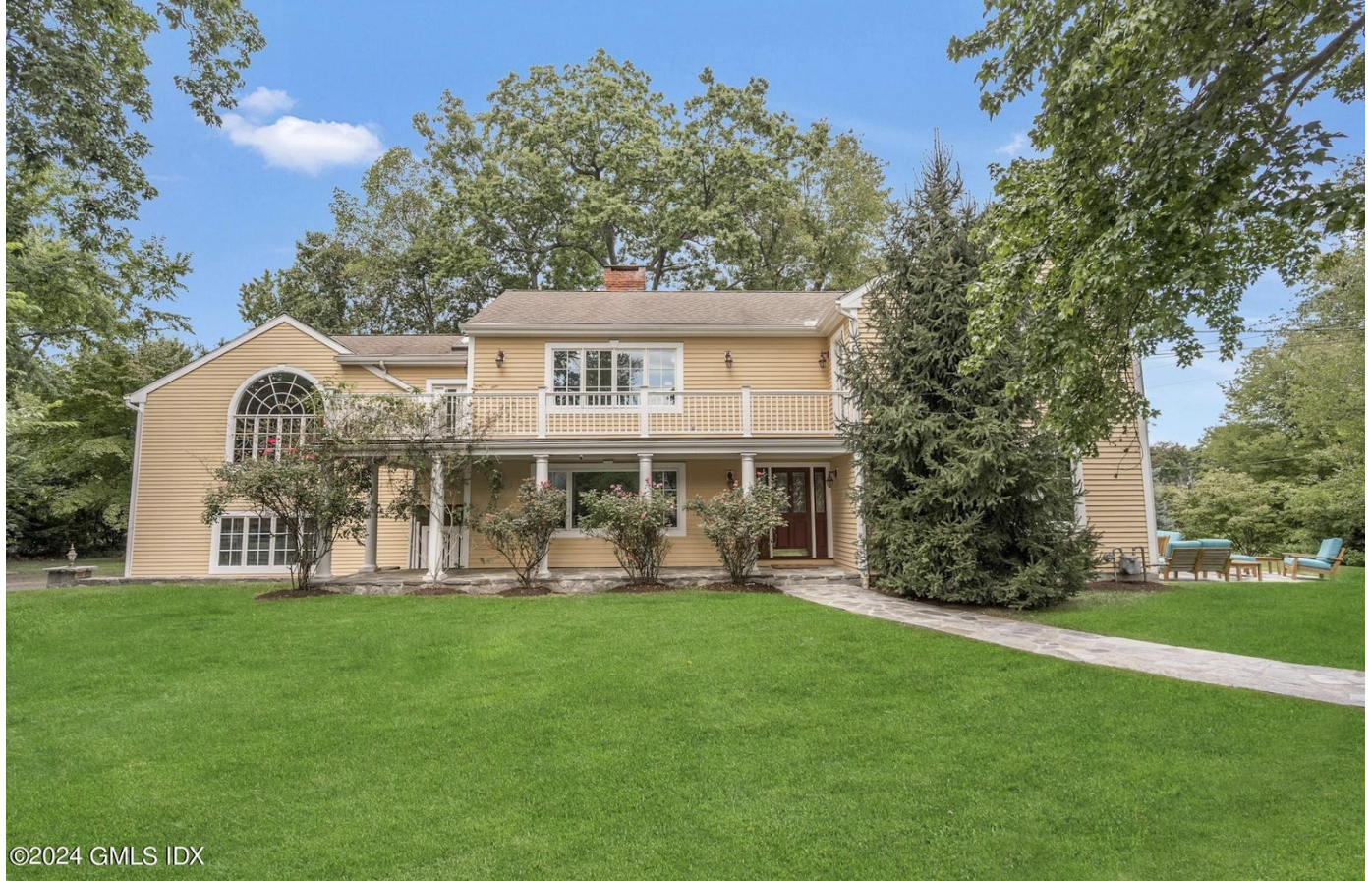
19 Morningside Drive, priced at $1,999,999, has sold for $2 million.
I'd take it; but then, I would have to take it — I'm shy a one and a four.
/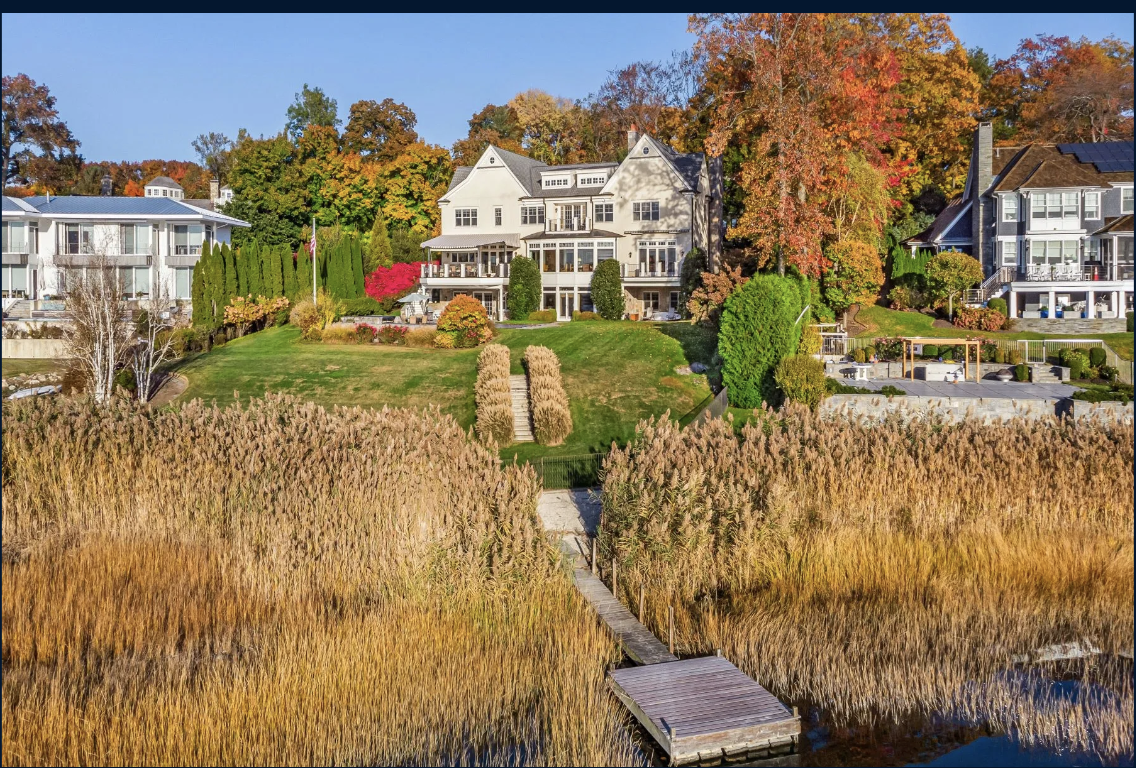
52 Carriglea Drive, Riverside, is new today and asking $14.250 million. Nice house, nice street, and a very nice view, even it looks across Cos Cob Harbor rather than down the Sound. Mud flats at low tide, but you’ll want to keep your yacht at the RYC, just a few hundred yards away.
The owners bought the property as a building lot in 2003 for $4.425 million, and it’s obvious that much more money was put into building new. I don’t know what it will eventually sell for, but my best scientific guess is “a whole lot”.
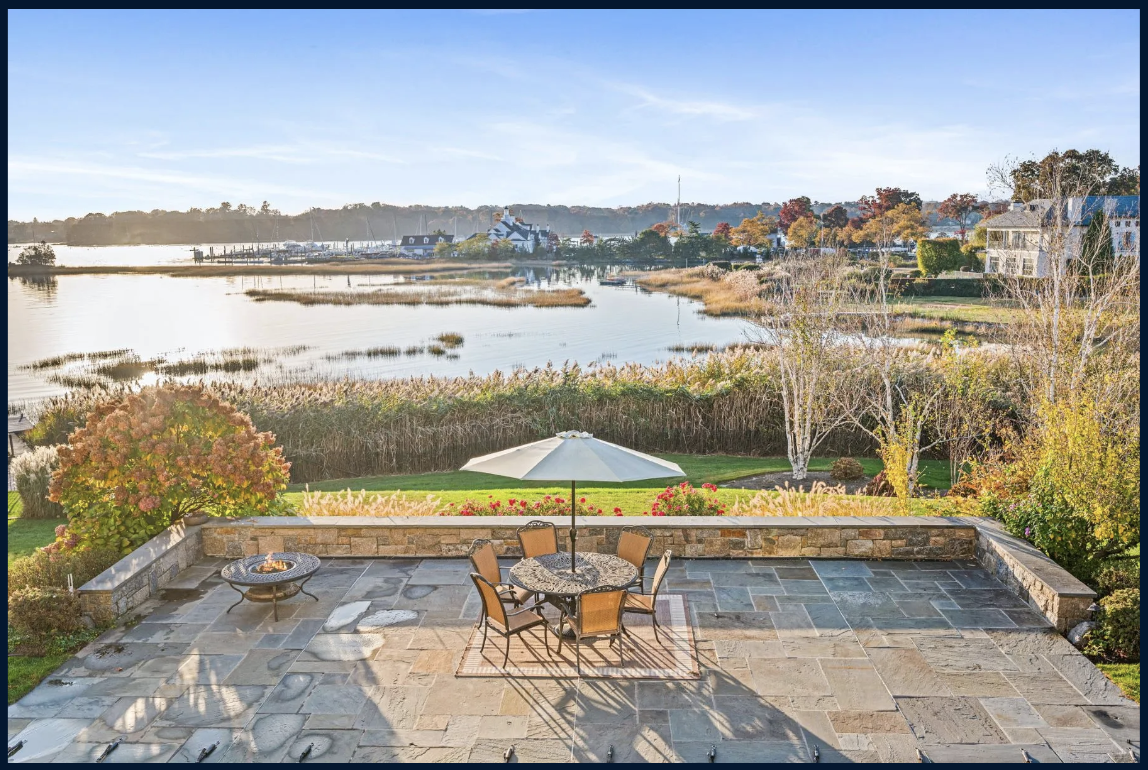
you can keep an eye on your boat from the terrace

gone and mercifully forgotten – 1969 was not a banner year for architecture
Now, this is just tragic
/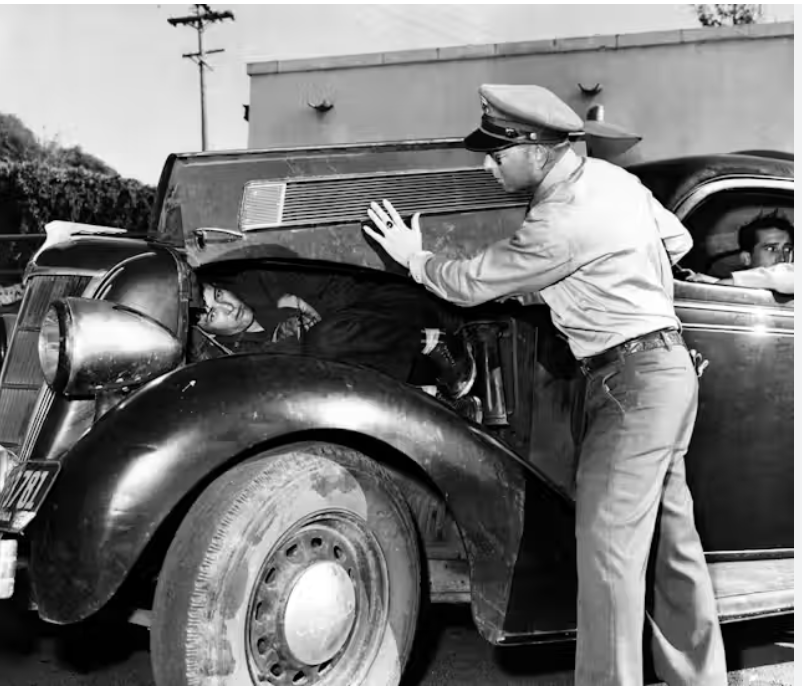
out you go!
LMAO 😂😭😂😭😂 pic.twitter.com/IxFy8mBYi1
— I Meme Therefore I Am 🇺🇸 (@ImMeme0) November 7, 2024
The only downside of Trump's victry is that Tim Walz will no longer be around to entertain us
/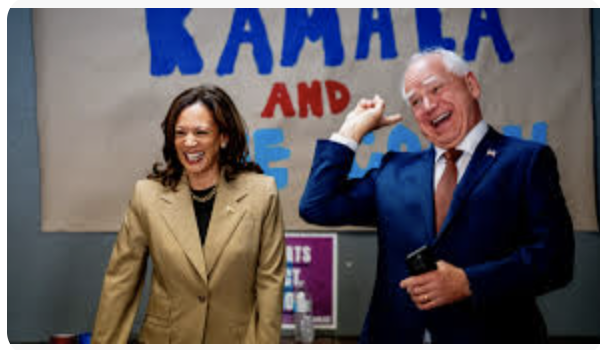
I’m gonna miss Tim Walz…
— Graham Allen (@GrahamAllen_1) November 6, 2024
pic.twitter.com/AvKJ7hBTwV