I posted on this housing bill our Democrat representatives were poised to pass last Friday.
(Part of) What HB 5002 Would Do
Section 5(b)(11): Requires as-of-right approval of 2–9 unit “middle housing” on all commercial-zoned land.
Section 6: Eliminates town-set parking minimums, replacing them with developer-submitted “needs assessments.”
Section 9: Requires state-approved local housing plans in newly established “priority housing development zones.”
Section 19: Grants the Attorney General power to sue towns over zoning outcomes alleged to have “discriminatory effects.”
Other provisions include portable sanitation infrastructure for the homeless (Section 7), a ban on hostile architecture (Section 11), and the creation of regional stormwater and waste management roles (Section 15).
With a slight delay caused by Republican opposition and time off for the holiday, the Democrats reconvened Tuesday and rammed it through — or up, as you might consider their act.
House Bill 5002, which passed 84-67, is an expansive bill tackling issues including zoning, transit-oriented development, parking, homelessness and fair rent commissions. It combines Democratic priorities from across a few legislative committees and aims to address the impact of the severe lack of housing, particularly affordable housing, in Connecticut.
“You can’t solve this crisis one step at a time,” said Housing Committee co-chair Rep. Antonio Felipe, D-Bridgeport. “We need a big move that makes progress, and I think this bill does that.” (Translation: Only another step towards our ultimate goal of dictating and controlling all property use in Connecticut.)
…. Republicans took particular issue with the policies around zoning and parking. Debate stretched across nearly 12 hours, and centered largely on local control, what members called one-size-fits all solutions and concerns that towns don’t have the infrastructure to support more housing.
“It will change your district. It will change your municipality. It will change your town or city,” said Housing Committee ranking member Rep. Tony Scott, R-Monroe, of the bill.
Much of the discussion Tuesday centered around a policy known this session as “Towns Take the Lead.” * The proposal analyzes the regional housing need, then divides that need up among towns and assigns each a set number of units. Towns would have to include how they’d plan and zone for those units in their 8-30j plans, which are due every five years.
It’s similar to fair share policies proposed in past sessions, and uses the methodology from a fair share policy to determine how many units of affordable housing towns would need to plan and zone for, with a general goal to increase housing stock and cut down on segregation. The bill contains some other specifications for the housing, including requirements to build units for families and for certain income levels.
Under the bill language, towns would be able to contest their assigned numbers and tell the legislature how many units they think they can accommodate, and lawmakers will approve or deny the towns’ proposals.
Opponents have said the proposal dilutes local control and imposes cookie-cutter solutions on towns. Scott, whose hometown of Monroe would have to plan for 326 units, called the numbers “astronomical,” “unrealistic,” and “comical.”
“You can’t get into that high opportunity neighborhood.”
Rep. Geoff Luxenberg, D-Manchester, gave an impassioned speech Tuesday night … and questioned why loss of local control and cost to towns was the center of the conversation.
“The cost of inaction, the cost of stagnation, the cost of looking the victims of this housing crisis in the eye and saying, ‘Sorry, we’re not going to build one more house. Sorry, you can’t get into that high opportunity neighborhood. There’s a wall that keeps you out,'” Luxenberg said, “Mr. Speaker, that cost is far too high.”
(Mr. Luxenberg is not just drunk with power, he’s also a danger when he’s driving. I do wish he’d just stay home, drunk on his sofa, off the road and out of the lives of others.)
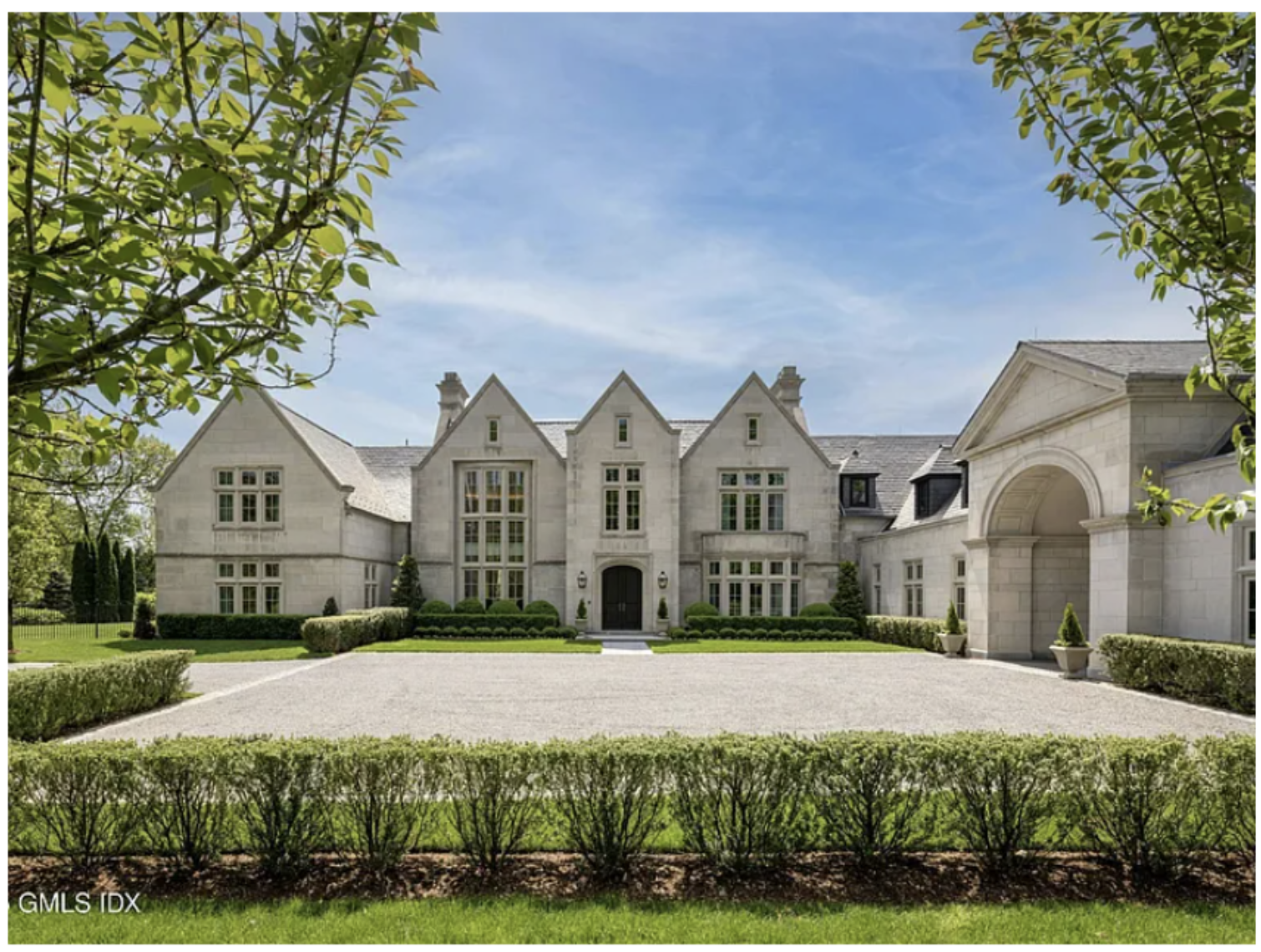
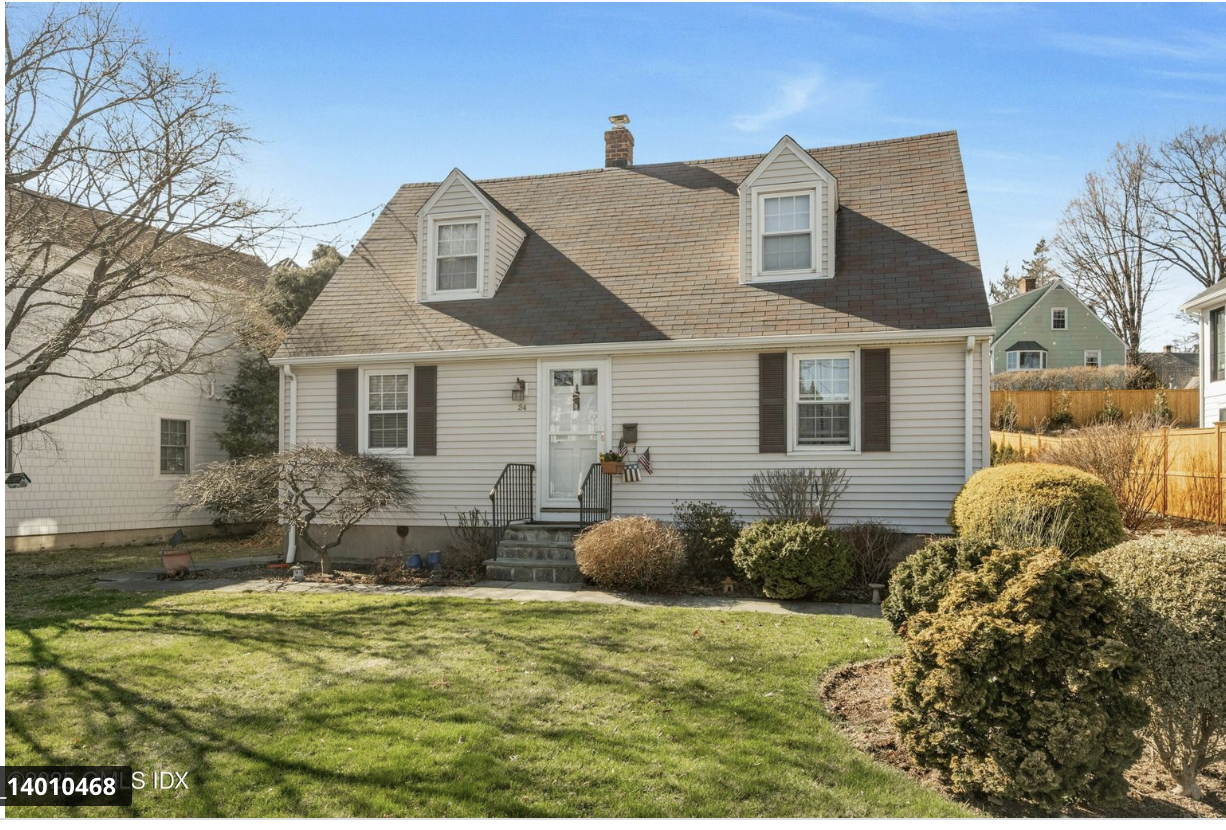
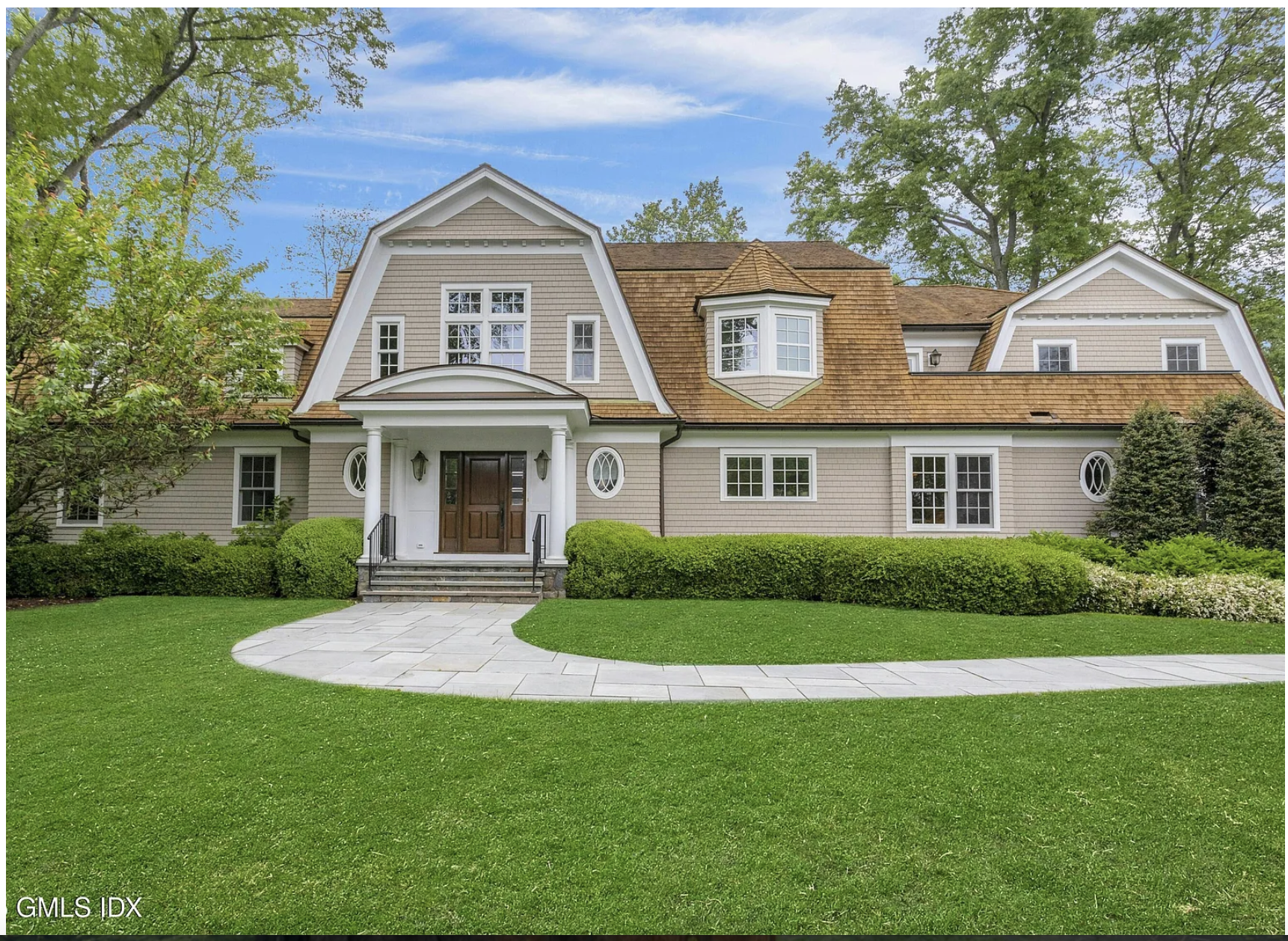
On a fundamental level, by what right does Mr. Luxemberg or any of his fellow looters claim the power aand the knowledge to determine what is everyone’s “fair share”, and distribute it accordingly. Does everyone in the state — the country — the world — have a right to live in”high opportunity neighborhoods”, whatever they are? Our own representative Steve Meskers lives literally around the block from 12 Innis Lane, that sold yesterday for $2.825 million. Not very long ago, that very basic house would have sold for less than half that sum; now, a person who could have afforded to live there has been priced out of the opportunity to join Meskers in his neighborhood. Does our all-knowing overlord have plans to “make things fair” for that excluded individual? If so, what? If not, why not?
And, even assuming Greenwich is compelled to build the 3,500 units of moderate income Meskers et al have determined is our “fair share”, who will decided which lucky members of the general public will get to live in them? Surely there are tens of thousands of state residents who would like to live in Greenwich and can’t. And millions more in the other states, and billions more around the globe. What’s the procedure here, Steve?