Mierda de toro: Hatford, home of so many bad ideas, tosses another one on the pile


Dancing on the fertilizer pile

Before we get to the Greenwich Time article, here’s a word from Google AI, responding to the question “what is the annual subsidy amount of the NBA’s contribution to the WNBA?”

The NBA doesn't provide a single fixed annual subsidy amount to the WNBA; rather, it covers the league's operational losses, which have historically been around $10 million annually but are projected to be much higher, possibly around $50 million in 2024, according to recent reports. The NBA's financial support for the WNBA is a long-term investment to sustain the league, which has never turned a profit since its inception. [1, 2, 3, 4, 5]

Historical and Projected Losses

  • Early Years: For many years, the WNBA had an average annual loss of over $10 million, a figure consistently cited by former and current NBA commissioners. [1, 5]

  • Recent Projections: More recent estimates from late 2024 suggest that the league and its teams are expected t

That’s the background — the WNBA has never made money, and never will. And Here’s the GT article, that includes, as these idiot schemes always do, the word “investment”. I do not think that word means what these people think it means.

Could the state really invest public money in the CT Sun? Here's how it might work

In an effort to keep the Connecticut Sun from leaving [Uncasville], state officials are weighing a solution with little precedent in American sports: using public money to buy a stake in the team.

The idea represents somewhat of a last-ditch effort to save a WNBA team that has called Connecticut home for more than 20 years. The state's apparent preference would be for a private owner to buy the team and keep it in Connecticut, possibly with the help of state money for a practice facility.

But as the WNBA and its parent organization, the NBA, object to a plan to move the Sun to Hartford, Gov. Ned Lamont and his administration have sought to get creative, floating the possibility of direct public investment in the team through the state's pension fund.

Here's what to know about the possibility.

How would this work?

As CT Insider's Dan Haar reported earlier this month, state investment in the Sun would likely take the form of a minority stake in which the Mohegan Tribe continues to control the team. Lamont indicated last week the state could work in partnership with a private investor, former Milwaukee Bucks owner Marc Lasry.

Unlike the more common arrangements in which states or cities help fund privately owned stadiums for teams to play in, this arrangement would leave Connecticut with equity in the Sun, meaning the state could collect dividends and profit from any future sale.

In this scenario, the state would also likely build a practice facility for the team, which it would own. The Sun would continue to play at Mohegan Sun Arena in Uncasville, though it could also host a small number of games in Hartford.

The plan is designed to circumvent the WNBA, which has blocked proposals to move the Sun to Hartford or Boston because it doesn't consider either city next in line for a franchise. Connecticut officials believe the league would have less ability to block a state partnership with the Mohegan Tribe since it wouldn't require relocating the team.

Any investment in the Sun would be at the discretion of Connecticut Treasurer Erick Russell, who oversees the state's pension fund and the rest of its investment portfolio. At a news conference last week, Russell said he was open to the arrangement, presuming his office determined it "would be in the benefit of pensioners."

In a statement Thursday, Russell said Lamont was leading negotiations and that no deal had been reached.

"My position hasn’t changed," Russell said. "As always, any decision to invest state pension funds would be guided by the goal of achieving the best risk-adjusted returns for the retired teachers and dedicated state workers who depend on us for their retirement security."

What kind of precedent is there?

At least in American sports, there is little precedent at all for this sort of arrangement, says Andrew Zimbalist, an economist at Smith College who has extensively studied sports finance.

…. While some have compared the proposal to the Green Bay Packers' unusual ownership structure, Zimbalist noted, this would be meaningfully different, with the state acting as a large stakeholder, in place of the many small stakeholders who own the Packers.

Zimbalist said leagues typically view public ownership as needlessly complicated.

"The reason why leagues historically have not allowed it to happen is because they don't want to deal with the politics that are involved with city ownership," he said. "If behind each owner is an unwieldy, bipartisan political mess, then it becomes rather impractical."

Asked last week if he was worried the WNBA would block the state from investing directly in the Sun, Lamont said he doesn't "think there's any issue there."

What could be the benefits? [And what price, entertainment and “state pride”? ‚— Ed]

Most obviously, the plan could have the benefit of keeping the Sun in Connecticut, something Lamont and other top public officials say is important to them. It would preserve the state's lone major-league professional sports franchise at a time when the WNBA is surging in popularity, generating entertainment and state pride for tens of thousands of residents.

"The Governor and I are advocating, fighting to keep (the Sun) in Connecticut, because they have an extremely loyal fan base here, and we want to continue to grow it," Lt. Gov. Susan Bysiewicz said last month, echoing comments from Lamont and others.

“Beyond that, it could pay off for state taxpayers and pensioners if the investment proves wise and Connecticut is able to profit off its ownership of the team. The governor noted last week that sports teams often appreciate in value and that the Mohegan Tribe had profited significantly since buying the Sun in the early 2000s. “

Ask Mohegan Sun if it was a good deal they made 20 years ago," Lamont said. "We've got private investors in alongside us — they like the nature of this investment and think it's a really good long-term return."

[And that’s why our pseudo-Indians want to sell it, eh? If private investors are so eager to particpate, why is there a need to force taxpayers to pay for this? — ED]

What could be the downsides? Well, gee.

At a news conference Thursday, Connecticut Republicans criticized the Democratic Lamont administration for failing to provide detail about the proposal and for what they called irresponsible use of public money. 

"You would think common sense would dictate that investing funds should simply be based upon what's a good investment," Senate Republican Leader Stephen Harding said. "There needs to be structure and fiscal responsibility and a level of respect for taxpayer money and for public employees' money."

The lawmakers argued that pension money should be used solely for the purpose of earning the highest return on investment, not for spurring economic development or tourism.

In response, Lamont spokesperson Rob Blanchard accused Republicans of "inserting politics into the Governor's economic efforts"

Nothing political about the Democrats’ proposed boondoggle, no siree, “it’s for the good of the people.” Uh huh.


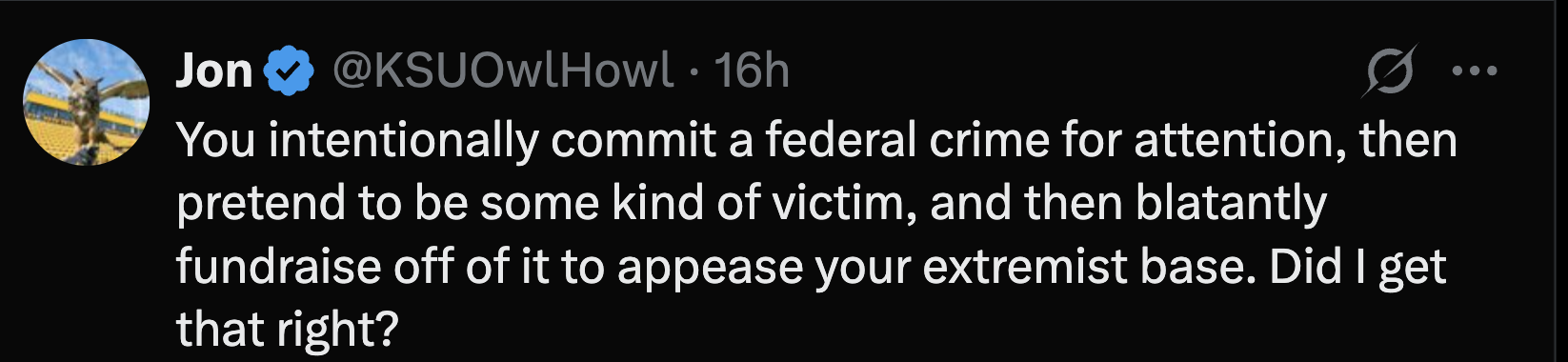
FAFO Chronicles

the fact that this person is wearing a COVID mask during her fundraiser tells us all we need to know about her

Not the Bee:

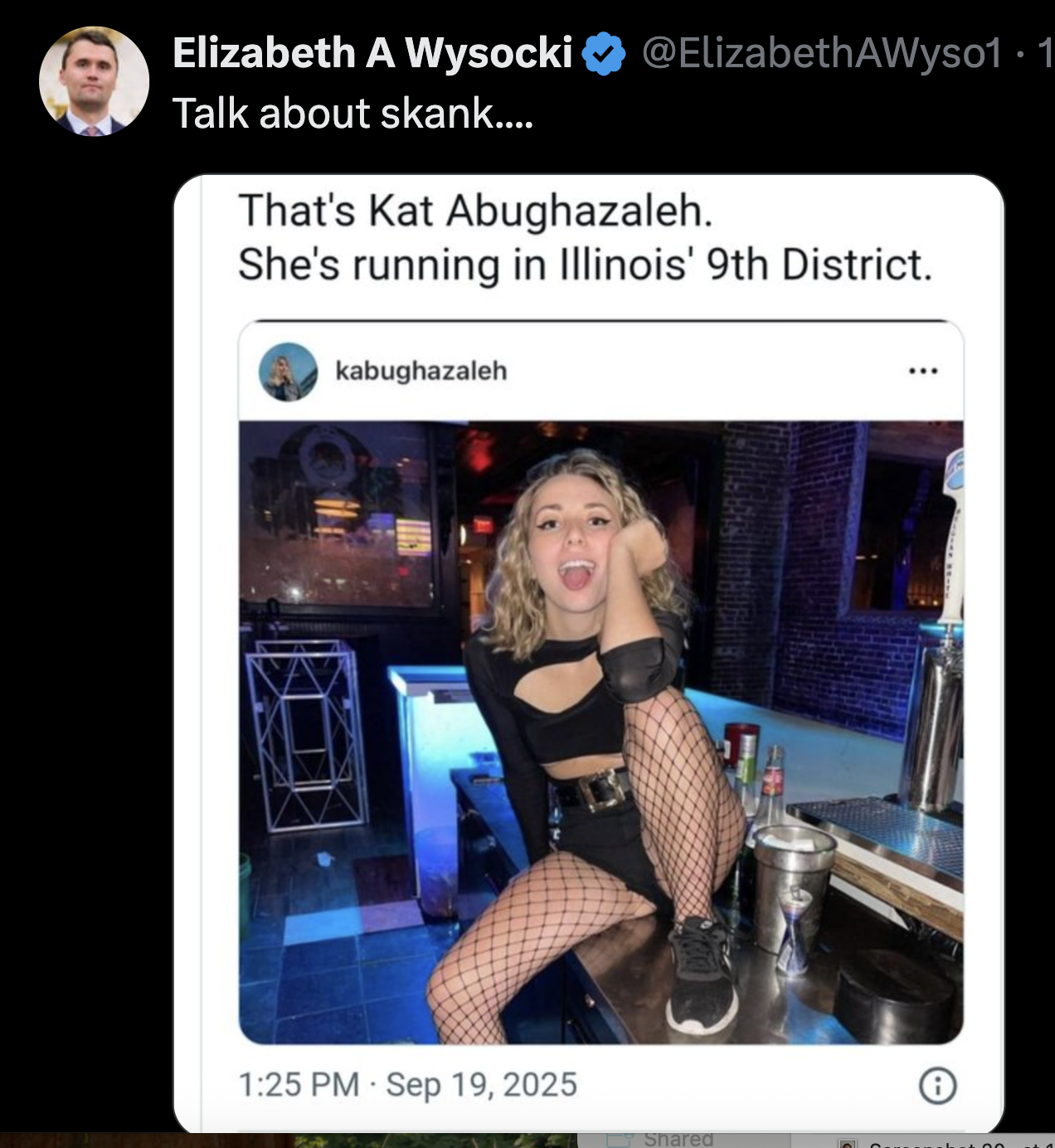
Kat Abughazaleh is running for U.S. Congress in Illinois and decided the best way to raise her profile was to do stupid things and win stupid prizes while ICE was conducting an operation in Chicago.

Commenters were not kind:

This article from the Bangor Daily News concerns the demise of public open houses in the Maine real estate market, but it’s a nationwide phenomenon

My personal experience with public open houses is that they could occasionally result in new clients, who wandered in and, and after a discussion of the market and the comparative advantages of neighborhoods in general, decided to engage my services in their house hunt; I don’t recall ever selling the particular house being shown that day to such people.

To me, public open houses — as distinct from broker open houses, which expose new properties to fellow agents who can then go pitch them (or not) to their own clients — are no more effective than the For Sale signs allowed in other towns; Bill Raveis, whose eponymous firm has offices across Connecticut and several neighboring states, liked For Sale signs not, he said, because they sold individual houses — tracking his firm’s statistics showed that they didn’t — but because they did drive traffic to the Raveis company itself. That’s great for the firm, but does the individual homeowner no good.

If public open houses actually worked, perhaps the security risks associated with admitting strangers into your house to kick the tires, steal that urn containing granny’s ashes, or, worse, case the joint for a later midnight visit might be worth it, but if you look at the history of homes in Greenwich that have sat on the market for months, even years — and there are still properties like that on our MLS, even in this market — you’ll see that the luckless agent has conducted an endless number of public open houses, sometimes every weekend, for all that time, without success. If open houses could persuade buyers to ignore a bad neighborhood, or unappealing design, or deferred maintenance, you’d expect to see that reflected in the time on market history; it isn’t.

Price it right, sell it; otherwise, you might as well stay home.

After that introduction, here’s the Bangor Daily News article itself:

This once common tactic for selling homes is disappearing in Maine

Open houses, which were once considered a common part of the home sale process, have fallen by the wayside in recent years due to changes in Maine’s real estate market. 

While open houses are still useful in some cases, real estate agents agree they aren’t needed in order to sell a property. The practice was primarily killed by new technology, the pandemic and Maine’s frenzied housing market. 

The dwindling number of open houses across the state is one of many ways the state’s housing market — and housing marketing strategies — have transformed in a few short years. It also points to the ripple effects of the global pandemic that are still being felt today. 

The state’s housing market has cooled considerably from the fever pitch it reached in the heart of the pandemic, but properties are still changing hands quickly. That doesn’t leave much time for brokers to schedule and hold open houses, said Jeff Harris, Maine Association of Realtors president and a broker at Harris Real Estate in Farmington.

Homes sat on the market for an average of nine days before being snatched up in August 2021, according to Redfin. Last month, properties were available 41 days before closing.

“Open houses would be scheduled and everybody would put them in their calendars, then a day later you’d get a note saying the house is under contract and the open house is canceled,” said Chris Lynch, president and owner of Legacy Properties Sotheby’s International Realty, which has six offices throughout the state. 

But open houses were becoming less common long before the pandemic. As the housing market recovered from the recession that hit the U.S. in 2007, houses were selling faster and the habits of house hunters were shifting. 

The pandemic then halted open houses altogether in 2020, as larger indoor gatherings weren’t allowed. When they returned, guests were required to wear face masks, gloves and even shoe coverings, Lynch said. 

While the slow return of open houses was rocky at first, Lynch said their absence showed they weren’t actually needed. 

“We found that there really wasn’t a meaningful correlation between open houses and actually selling the property,” Lynch said. 

Open houses draw mostly “looky loos” who only want to take a peek inside a home and aren’t interested in buying it, Lynch said. Sellers often decide against holding an open house in order to avoid inviting those people in, especially when an open house doesn’t guarantee an offer. 

Most serious buyers work with a real estate agent to find a house, which allows them to schedule private showings of homes, Harris said. Shoppers usually prefer having time and privacy to walk through a home alone. 

….

Additionally, technology has advanced to allow interested buyers and nosey neighbors alike to see a home’s interior without ever stepping foot inside, negating the need for an open house. 

Online listings usually include dozens of photos that show every inch of a property’s interior and exterior. In some cases, virtual tours of a property take the viewer through the home, which gives a clear idea of the building’s layout. 

“With the new technology, now when people come into a home for the first time, it’s almost like a second showing,” Lynch said. “Interested buyers look behind all the doors and cabinets that were closed in the pictures because they already know everything that was exposed.”

While open houses have become less common and aren’t necessary, Harris said they can still be useful in some cases. For example, an open house often generates interest and could get a seller multiple offers, especially for a clean, turnkey home in a desirable neighborhood. 


Coming on the market: two listings, two designs, both claim locations in coveted areas, although to my taste, in only one case is that true

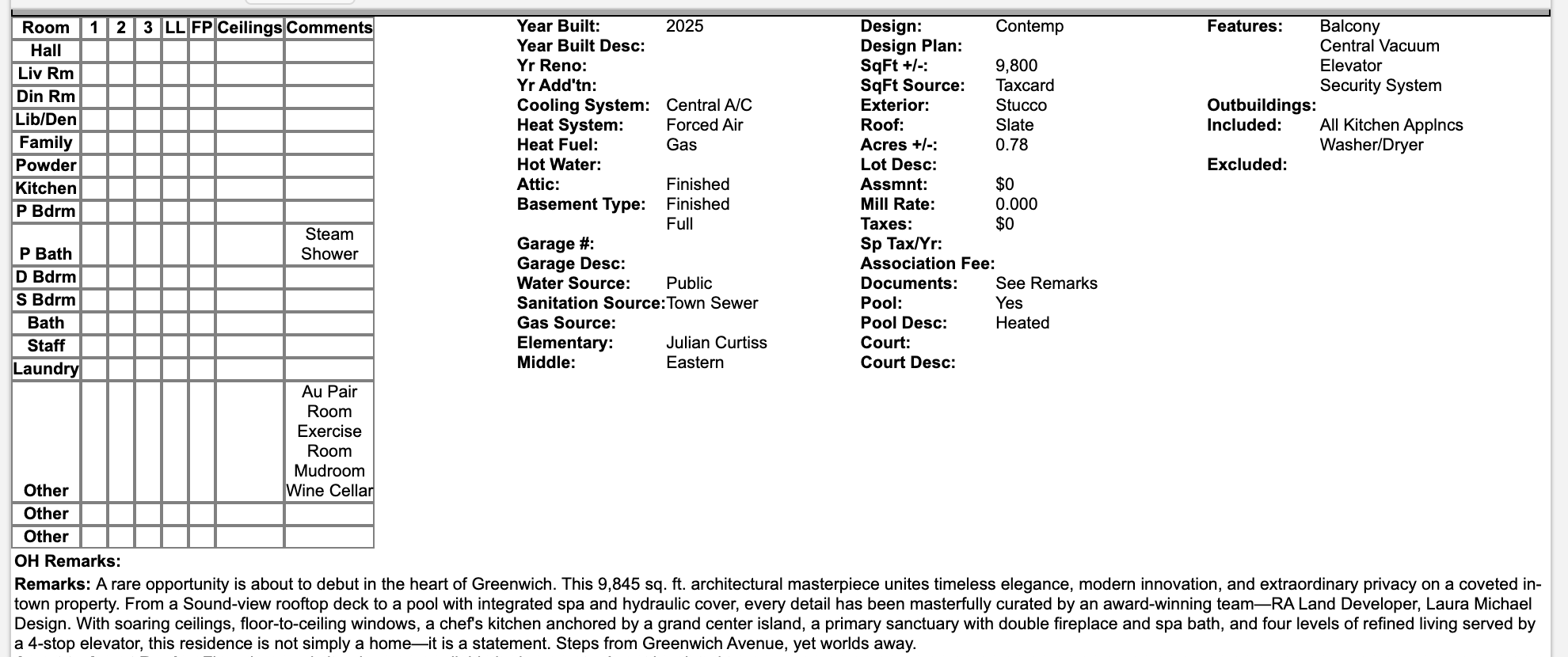
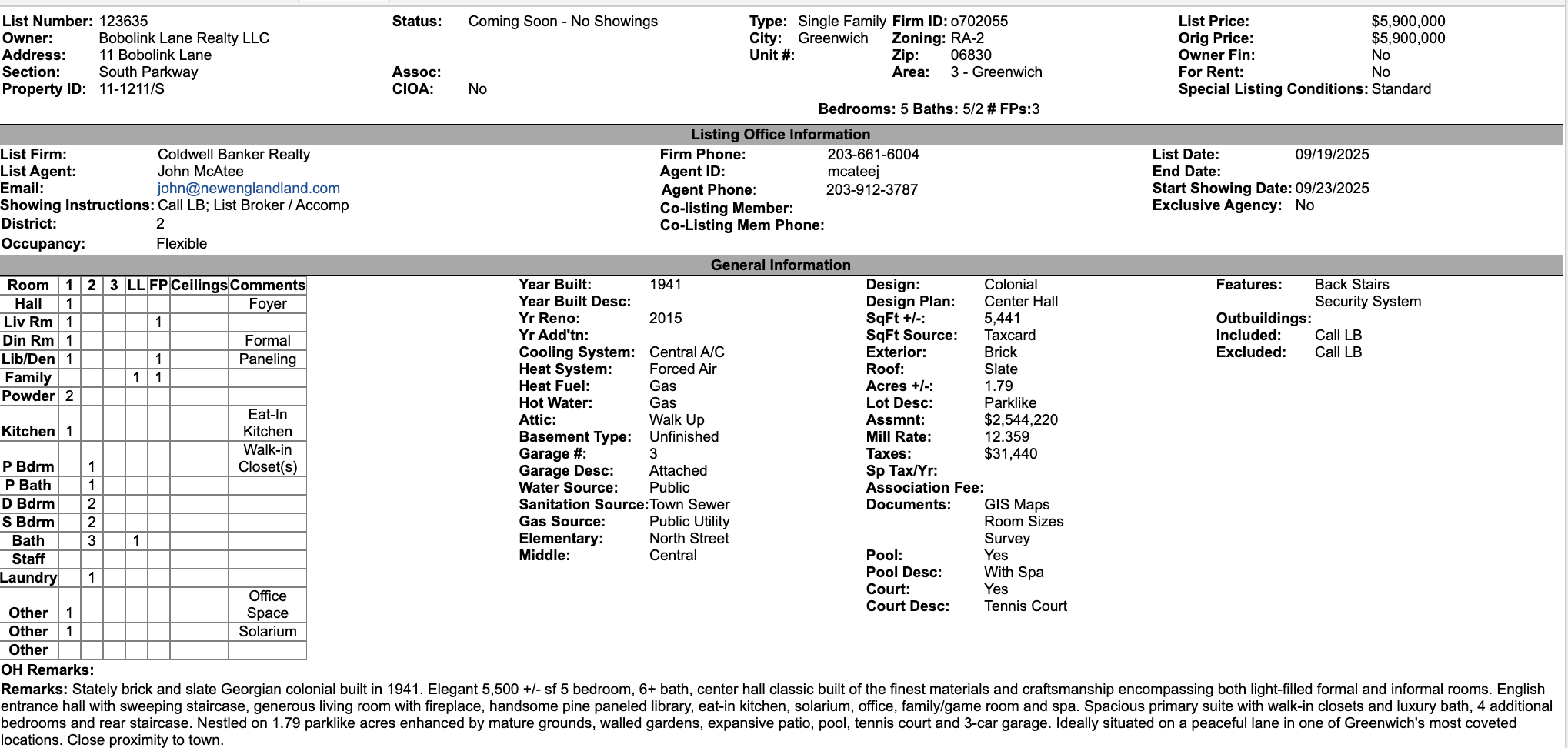
3 Anderson Road, new construction, $9.850 million. (Not yet on MLS, so no link). It has the requisite chef’s kitchen, and is said to be in “a coveted in-town location” which, if you think you’re the type to enjoy watching the construction of the 274-unit expansion of the moderate income Quarry Knoll development in your backyard, could be true.

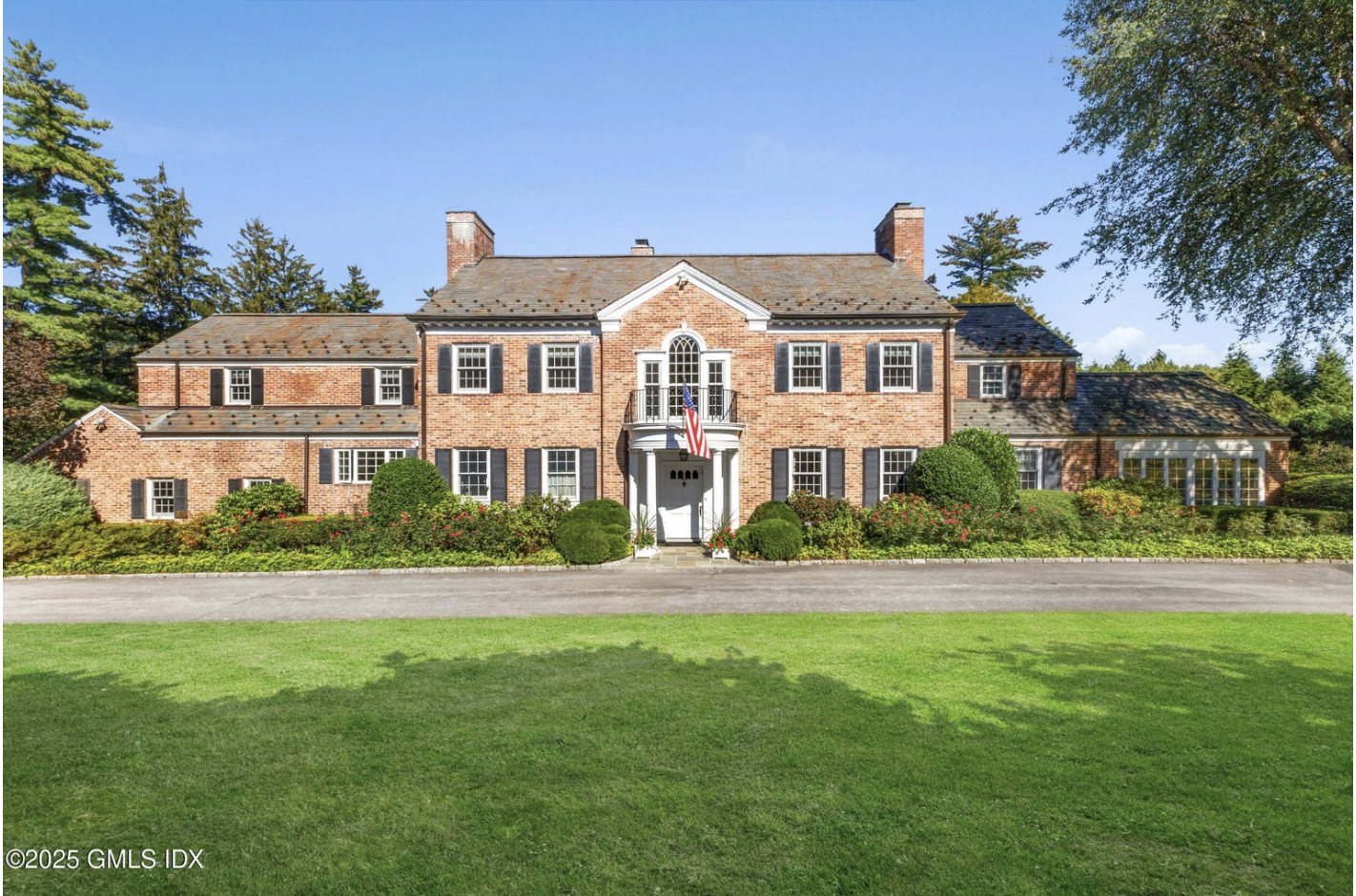
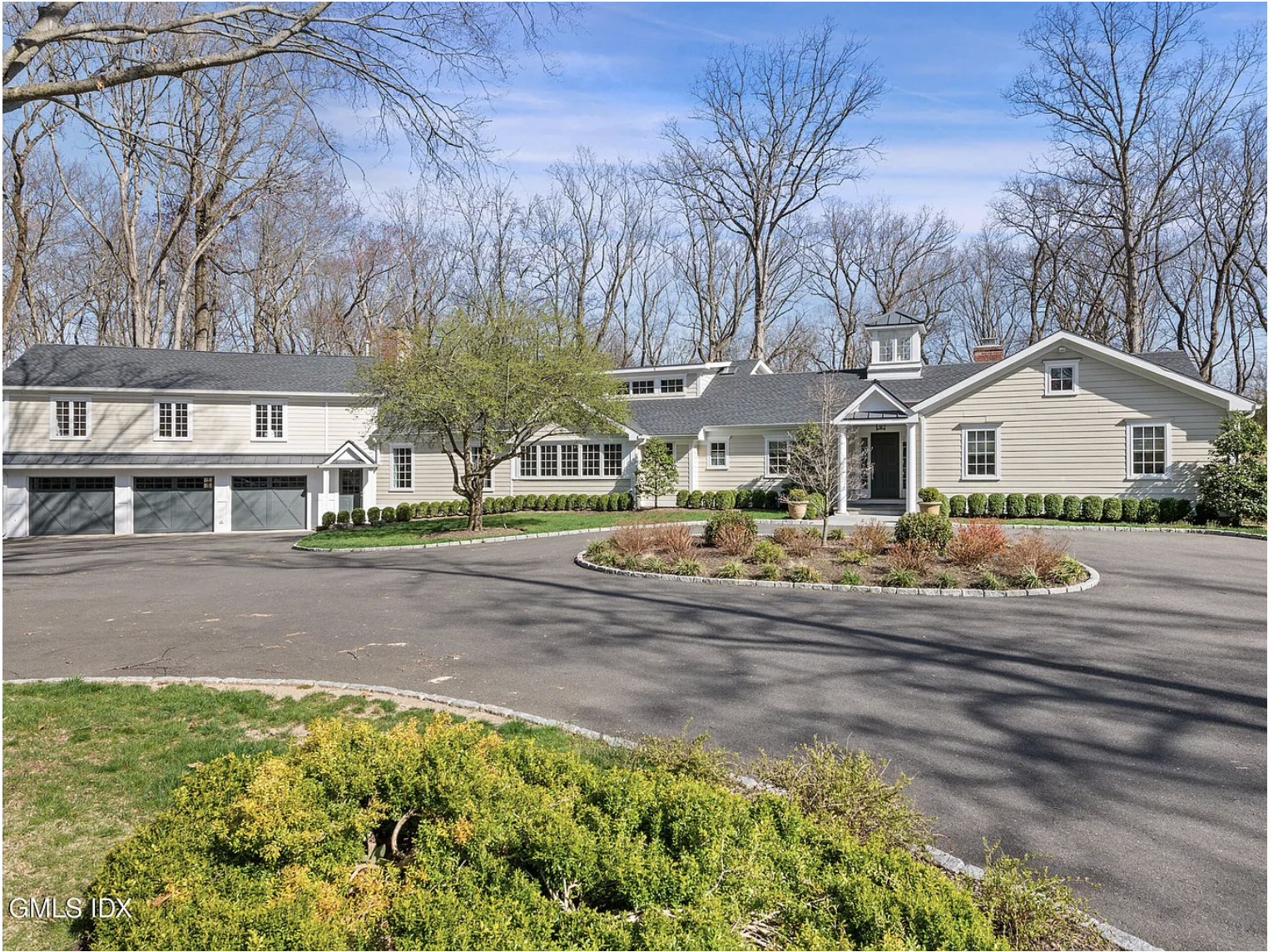
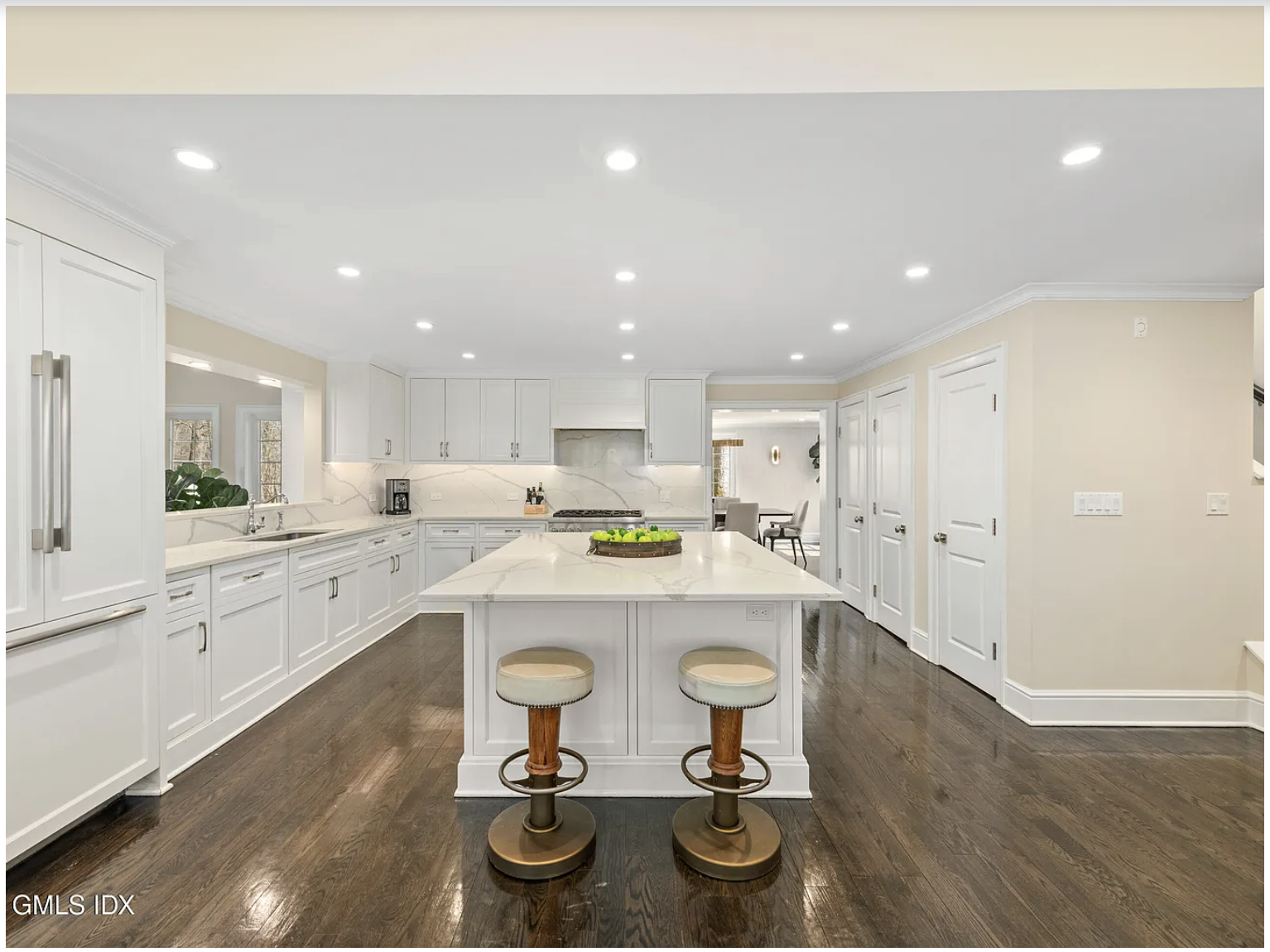
Or you could save close to half that money and pick up 11 Bobolink Lane for just $5.9 million instead. 1941 construction, beautifully maintained, and although listing agent John McAtee is to modest to say so, it’s bound to have either a chef’s or gourmet kitchen, don’t you think? It is, John promises, sited in “one of Greenwich’s most coveted locations”, and for once, I might agree with that description. The house itself seems pretty special, although whether it will appeal to the new 30-year-old buyers set is to be determined.

We've defunded it — can we now demand all the money we dumped into it the past decades?

'$9bn gone': PBS, NPR defunded! Trump’s public broadcasting budget axe gets Congress' green light ($1.1bn, actually, but why quibble?)

NPR Continues to Pretend Tyler Robinson's Political Views Are a Big Mystery

Can’t tell what political persuasion he was until we learn whether he supports all the other issues proper-thinking Americans worry about: Where does he stand on the minimum wage? Immigration? Free, clean nappies and Tampons for college snowflakes?


An anti-Semite at Columbia? Ho hum, she’s just one of hundreds. But if you doubt that Global Warming is a religion, notice what course she’s teaching — this is science?

Columbia Climate Lecturer Calls Charlie Kirk a 'Dead Nazi'

Hadeel Assali, who is teaching an active course on 'race, climate, and environmental justice,' has endorsed terrorism against Israel and called for its 'abolition'

A Columbia University "environmental justice" lecturer called Charlie Kirk a "dead nazi" in a social media post that criticized the Ivy League school for lowering its flags to half-mast in compliance with a federal directive honoring the slain conservative commentator.

The lecturer, Hadeel Assali, shared a photo from a self-described "queer, trans, black, indigenous, and person of color" graffiti artist showing a wall in Los Angeles defaced with the message, "2 black men were lynched & the media is mourning a dead Nazi." Assali added her own message: "And Columbia university has flags at half mast for the dead nazi."

Assali's radical rhetoric doesn't stop with Kirk. On Sunday, she posted on Instagram, "May we see the abolition of Israel and Zionism within our lifetime."

COVID slush fund

A paragraph in an otherwise ho-hum article on a defalcating small town sports team treasurer — happens all the time — caught my eye: the money stolen came from a $200,000 grant from the state, and I wondered where the state got the money. Duh. It was leftover COVID relief program money, cash that the geniuses in Hartford, having run out of ideas on what to spend their federal windfall on, other than saving it, and what fun is that?, just tossed it out to any of their pals who asked for it.

Naugatuck Little League treasurer stole $165K for gambling on FanDuel before his death

NAUGATUCK — The treasurer of a local Little League embezzled more than $100,000 [$165,000 total] from the organization's bank account for gambling prior to his death in May, police say.

An investigation into transactions in Union City Little League's bank accounts found that Kenneth Grohs, who had sole access to the funds, withdrew $115,000 for bets on FanDuel and about $50,000 more in cash between 2023 and his death, according to a report from the Naugatuck Police Department obtained by CT Insider.

….

Here’s what grabbed my attention:

“Police said funds in the league's account included a $200,000 grant it received from the state of Connecticut on Oct. 31, 2024.

As it turns out, tiny Naugatuck has two little league organizations, so they each got $200,000. Multiply Naugatuck by 100,000 other small towns across america and you get a better sense of the recklessness and folly of our politicians’ — from both parties — response t and participation in the Panicdemic fraud.

But wait, there’s more!

First, here’s Naugatuck’s representative crowing about grabbing a $500,000 share of that unspent money sitting idle in the state’s coffers:

State Senator Jorge Cabrera announced this week the state will provide three Naugatuck groups with $500,000.

NAUGATUCK, CT — State Senator Jorge Cabrera announced this week the state will provide three Naugatuck groups with $500,000.

In a news release provided Tuesday by the state senator, Cabrera (D-Hamden) also announced a Beacon Falls group will receive $100,000 and a Hamden group will receive $75,000 "after Democrats negotiated, wrote, and voted to use one-time, unexpended American Rescue Plan Act (ARPA) funds for Connecticut that President [Joe] Biden and congressional Democrats approved back in 2021."

Under the terms of the bill approved Tuesday by Democrats, according to Cabrera:

  • The Peter J. Foley Little League of Naugatuck, founded 75 years ago, will receive $200,000 in ARPA funds

  • The Union City Little League of Naugatuck, which offers instructional leagues for girls and boys to learn softball and baseball beginning with T-Ball leagues and progressing through major divisions, will receive $200,000 in ARPA funds

  • The United Way of Naugatuck will receive $100,000 in ARPA funds

  • The United Way of Beacon Falls will receive $100,000 in ARPA funds

  • Fixing Fathers One Day at a Time of Hamden, an organization that helps fathers strengthen their bond with their children and their families while educating fathers on the importance of their role as fathers, will receive $75,000 in ARPA funds.

According to Cabrera, House Bill 5523, "AN ACT CONCERNING ALLOCATIONS OF FEDERAL AMERICAN RESCUE PLAN ACT FUNDS AND PROVISIONS RELATED TO GENERAL GOVERNMENT, HUMAN SERVICES, EDUCATION AND THE BIENNIUM ENDING JUNE 30, 2025," passed the house and senate on mostly partisan lines and now heads to Governor Ned Lamont for his signature into law.

"I'm pleased to be able to bring some mid-year funds to some very deserving local groups who do so much good for our community," Cabrera said in a news release. "This is a one-shot infusion of capital that I'm sure will be put to good use."

And now that that money’s been thrown away and the candy store’s door locked, guess who’s wailing about the inhumanity of cutting $511,000 from Naugatuck’s school budget?

SEN. CABRERA APPLAUDS STATE LAWSUIT AGAINST TRUMP ADMINISTRATION FOR CUTTING CONNECTICUT SCHOOL FUNDING

HARTFORD – State Senator Jorge Cabrera (D-Hamden) today applauded Attorney General William Tong for joining in a 25-state lawsuit against the Trump Administration for illegally cutting billions in American education aid – including cutting more than $50 million in Connecticut.

“The seven towns in my district are losing a combined $1.5 million. It’s mind-boggling,” Sen. Cabrera said. “We just went through a spring budget cycle of putting town and school budgets together, holding public hearings, and having folks vote on town budgets. We all did our part. To have one man come in at the last minute and cut before- and after- school programs, adult education, and other necessary programs is crazy. Now we’re looking at mid-year budget cuts or local tax hikes because of Donald Trump. I want to thank Attorney General Tong for this courage in taking on this flawed Republican government, and I wish him the best of luck.”

The Republican education cuts in Sen. Cabrera’s 17th Senate District include:

  • Naugatuck: -$511,351