Keyan Sanai, a Douglas Elliman broker in Manhattan, described one prospective purchaser who demanded a price cut dubbed the “Mamdani discount,” warning that values would plummet post-election, before halting the hunt altogether.
“One told me, ‘If I buy now and this guy gets elected, it’s going to be a raw deal,’” Sanai said. “Everyone’s either holding off or saying, ‘Let’s be out by Jan. 1, even if we sell at a loss.’”
FWIW: And there’s also this, something I’ve been telling clients for years and years: it’s plate tectonics: for so long as NYC attracts bright, successful young people (well, successful) from the country and the world, they’ll meet, fall in love, have babies, outgrow their co-op and look to the suburbs for more space, better schools (sometimes) and a lawn. My own parents followed that path in 1954, and others before them did the same thing, including my father’s parents in 1900. The caveat here is that if New York City stops drawing such people, the pipeline will go dry.
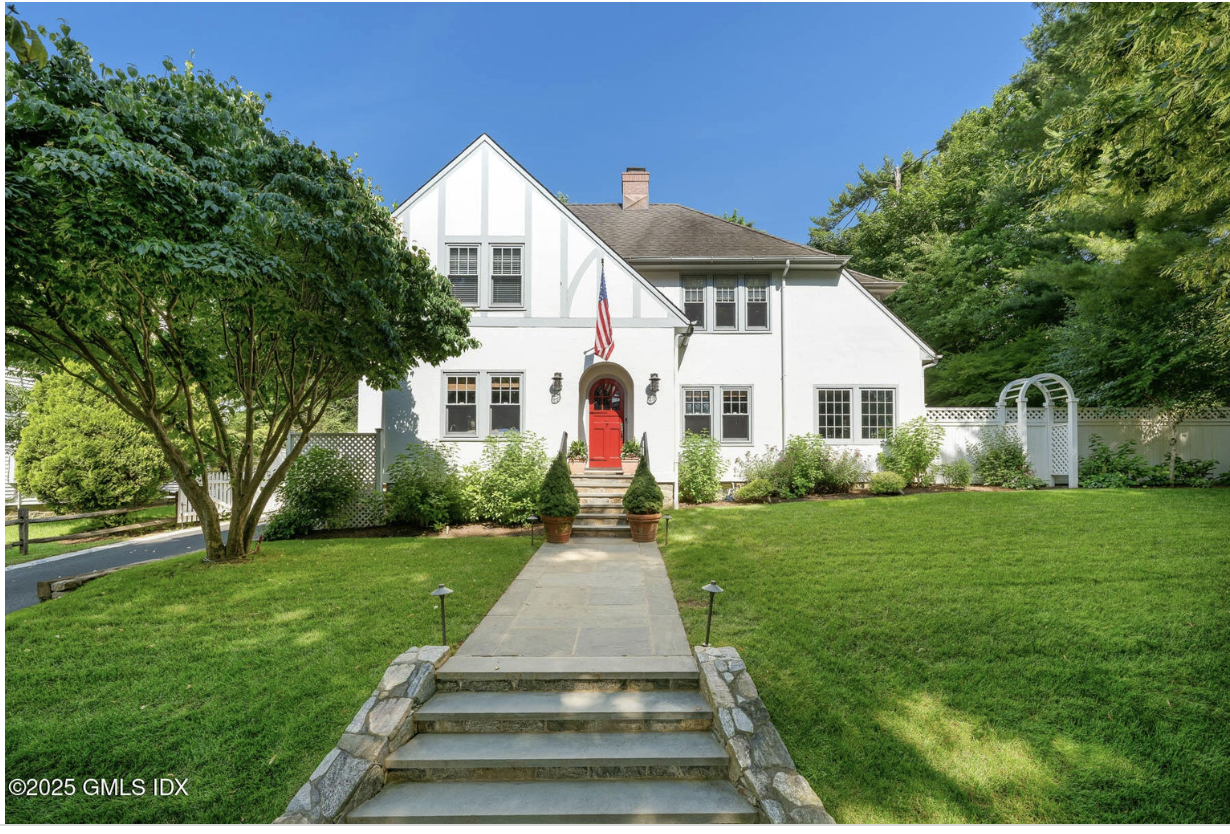
NYC Agents emphasize that while election jitters amplify long standing grievances over crime and costs, the suburbs’ allure — lower taxes, yards and perceived security — predates the campaign.
And then there’s the second home push: also a phenomenon with a long history — Romans built summer villas to escape the heat, Englishmen built 40-bedroom country cottages, onky returning to London for the Season — but powered today by an ocean of new cash. Two examples:
The East End’s unprecedented revival is being fueled by a wave of home sales priced above $10 million
In the Hamptons, New York’s affluent beach-vacation destination, the luxury real-estate market has come roaring back.
The number of homes sales above $10 million on Long Island’s East End has surged to unprecedented levels, even topping the area’s pandemic boom. The uptick comes even as Florida and other locales have replaced New York City as a primary home for many billionaires.
“The Hamptons is, for lack of a better term, kicking ass at the very high end of the market,” said real estate appraiser Jonathan Miller of Miller Samuel.
The Numbers
The high-end Hamptons market was in the doldrums before Covid. Home sales of $10 million or more plummeted from 58 in 2015 to 30 in 2019, as the ritzy area faced increased competition from areas such as Nantucket and the Hudson Valley. Along with many other rural vacation destinations, the area rebounded during the pandemic home-buying spree, but was floundering again by 2023 due to high interest rates and a scarcity of listings, real-estate agents said.
Since then, however, the luxury market has rebounded. As of early October, the region had notched 74 home sales and was projected to see at least 94 by the end of the year—the highest since Miller started tracking the market more than two decades ago. Even 2021’s Covid-era buying frenzy produced only 54 such deals.
The Drivers
Several factors are fueling the comeback. Lower interest rates have brought buyers off the sidelines, said real-estate agent Kyle Rosko of Douglas Elliman. While most home buyers in this price range don’t rely on mortgages, their fortunes are often tied to businesses that are sensitive to rates, he noted.
Miller also pointed to strength on Wall Street. Firms from Morgan Stanley to Bank of America have reported surging revenue from trading and investment banking, driving industrywide profits, according to New York state data. Compensation expenses also jumped roughly 10% in the first half of this year, signaling fatter bonus pools and renewed optimism across trading floors.
One reason the Hamptons market slowed after the pandemic surge is that a number of wealthy New Yorkers—traditionally the core demographic of Hamptons homeowners—moved to Florida amid the rise of remote work. While Miami and Palm Beach, Fla., are now considered primary home markets for many billionaires, the Hamptons remains primarily a vacation-home market, said Rosko. That means Hamptons buyers are more likely to take their time looking for just the right house. “It’s a nonnecessity luxury asset,” Rosko said.
And it’s happening even down east. Driven by Massholes and New Yorkers, sadly. “Sad”, because they’re bringing their politics and squishy thinking with them, with the predictable results.