
Having destroyed their restaurant and music scenes, Portlanders might just have well sat back and let market forces finish the job
/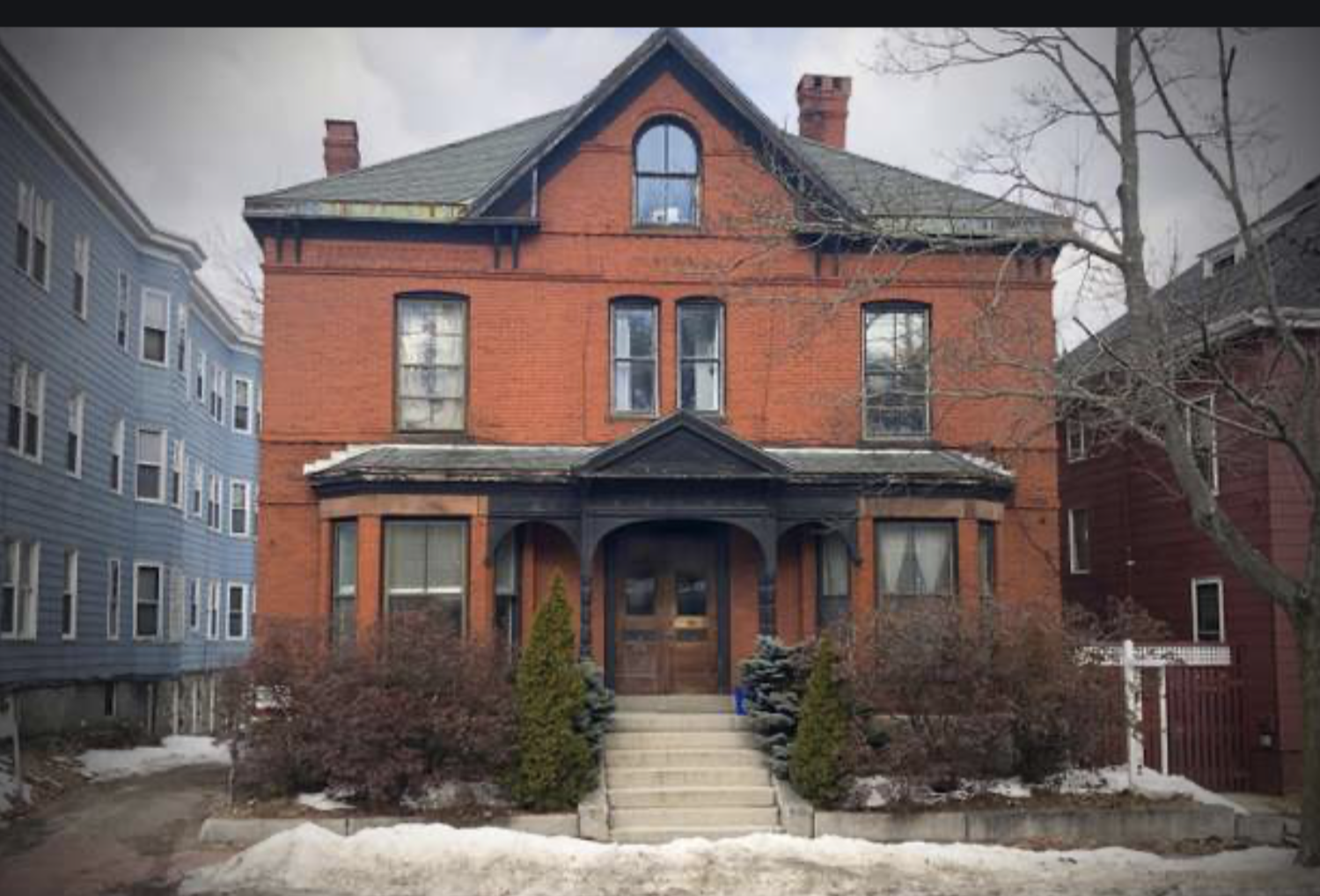
For sale: “As is”, and will stay as is
But not content to wait, last week Portland Maine residents voted for two ballot measures introduced by the Socialist Party of America that will raise the minimum wage to $18 per hour, and impose rent control throughout the city.
The measure caps rent increases at the rate of inflation, triples the required notice period to 90 days for landlords who wish to end tenancy for monthly renters without a lease, and creates a seven-member rental board made up of tenants and landlords – no more than three of the latter – appointed by the Portland City Council.
The board would have to approve any rent increases above the inflation rate plus any annual property tax increases, up to 10 percent in any given year, to cover repairs or major upgrades to the property.
Mike Lacourse of the Southern Maine Workers’ Center said the new measure will help make it so “more working people can build their lives in Portland without the constant threat of rising rents and lack of housing.”
The Maine Affordable Housing Coalition did not take a position on the rent-control proposal. Opponents who helped defeat a similar measure in 2017 by an even larger margin say the passage of Question D may actually lead to more regular rent increases, the deterioration of existing rental units and little new rental housing development.
Kaili Moore and her husband Ed live on the second floor of a West End building they bought nearly four years ago, and they rent out the other units. They have purchased two other buildings, fixed them up and rented them out.
“I think what’s hard about the referendum is that the intention is good,” Moore said. “We do have a housing problem in Portland.”
Moore, a licensed social worker who transitioned to property management, said she has seen both sides of the equation. She said Portland has old housing stock with many apartments that need updating after years of neglect.
“We’ll go in and fix them and raise the rent to a market-rate rent,” she said. “We’re not pricing things crazy high. We want to get good tenants, people who can afford to be there.”
If the new measure prevents Moore from asking for market-rate rents, she wondered, “how do we make nice places for people to live and still be fiscally responsible with it?”
In 1994, when one of the pioneers of the Portland revival opened its first coffee shop, commercial vacancy rates in the city stood at 40% but showing signs of life. Coffee by Design either signaled a burgeoning revival or spurred it, but either way, more coffee places soon, opened, restaurants followed, bookstores grew, and the music scene exploded. The more it grew, the more out-of-state young people were attracted, and they further fueled the expansion.
And that, in turn, produced a revival of the housing stock, with many beautiful, but run-down homes rescued from ruin and restored. The city was looking — is still looking — good.
And that’s been a great thing; grow or decline, there’s no stasis in urban America. Those Portland residents who think there is might travel two-hours north to Bangor or Skowhegan to see what failed cities look like — but the new arrivals are(were) young and, as the products of modern education, socialists, which they understand to mean that someone else will take care of them and give them what they want. They’re all woke, and 60% of them are renters, so rent-control is a no-brainer (this crowd of spoiled 20-30 somethings, known for demanding that their mommies come up to Portland and clean their rooms, might be, but aren’t, interested in this fun tidbit from the Democratic Socialists of America platform:
We don’t agree with the capitalist assumption that starvation or greed are the only reasons people work. People enjoy their work if it is meaningful and enhances their lives. They work out of a sense of responsibility to their community and society. Although a long-term goal of socialism is to eliminate all but the most enjoyable kinds of labor, we recognize that unappealing jobs will long remain. These tasks would be spread among as many people as possible rather than distributed on the basis of class, race, ethnicity, or gender, as they are under capitalism.
These useful idiots assume that they will be the ones in charge of assigning (others) the unpleasant jobs and won’t be changing bedpans and sweeping the streets themselves. Wait’ll they find out that their mother doesn’t live here anymore.)
Anyway, the point of all this ramble is just to note the demarcation between the revival of an aging port city and the start of its return to aging, deteriorating somnolence.
Next up: Newly-arrived urban Coloradans vote to reintroduce wolves into ranch and elk territory.
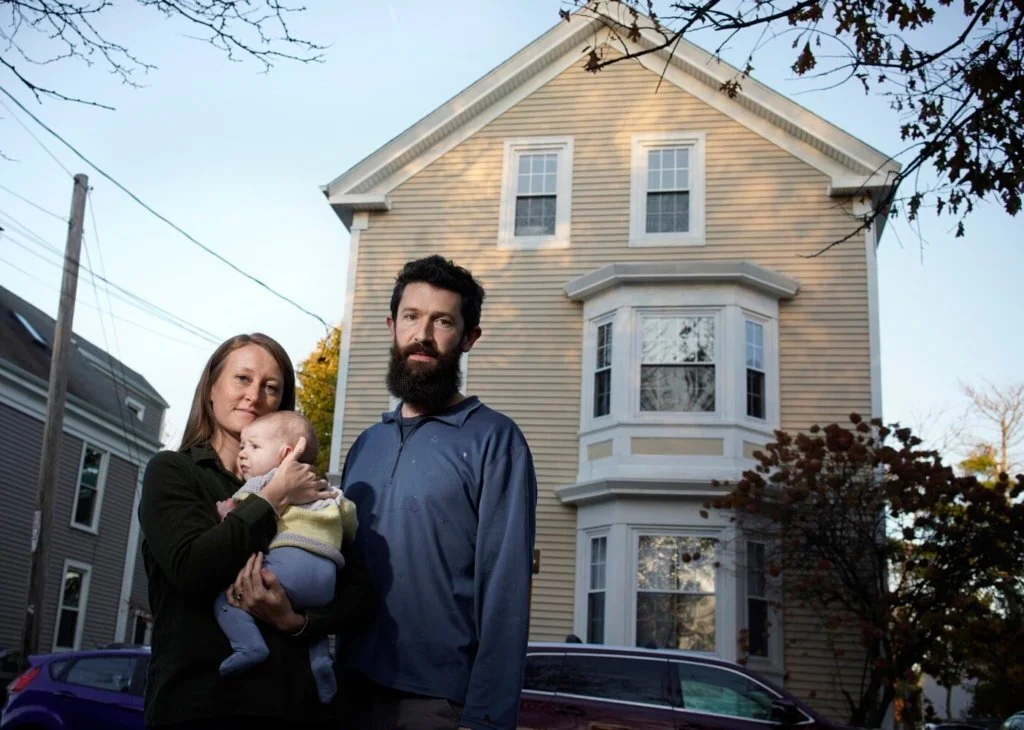
Evil, capitalist Portland landlords Kaili and Edward Moore will be forced to mend their wicked ways
(Photo credit: Gregory Ric)
