Greenwich neighborhood names, history of
/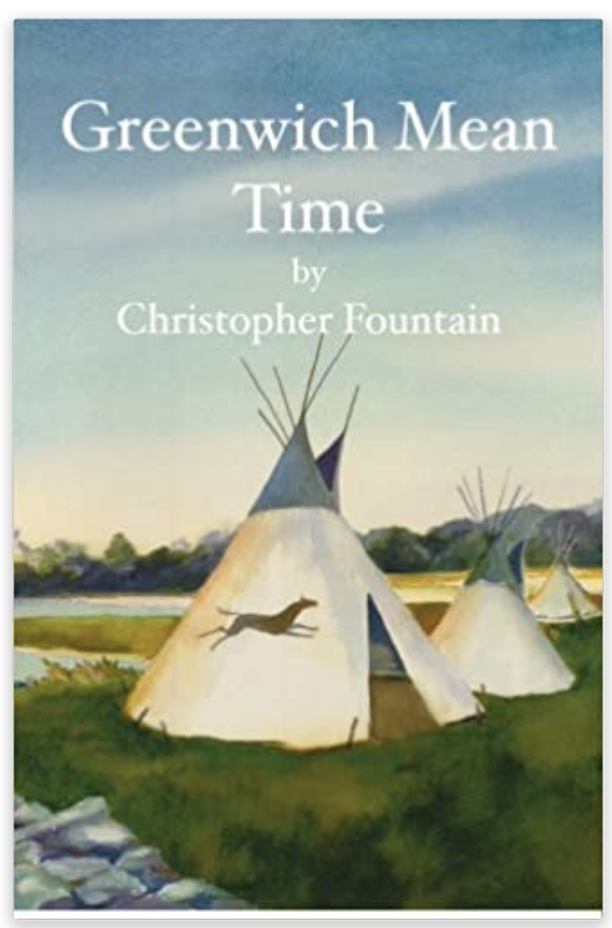
Tipis come to tod’s point, courtesey of ellen hopkins-fountain
I stumbled across this page about the origin of Greenwich place names on the Greenwich Hysterical Society’s website and thought readers might enjoy it.
Here are just two samples, but it’s a good read in its entirety.
Rock Ridge
The over 150-acre Rock Ridge Farm of Zaccheus Mead between Glenville Road and Lake Avenue had originally been one of the greatest farms in central Greenwich, but by 1882 it had lost its investment value as a farm when the site was purchased for $15,000 by Mr. and Mrs. Nathaniel Witherell. The Witherells created a rural weekend retreat on the farm for poor working girls from New York City with a “Vacation House” they constructed named “Cherryvale.” They later added a poor house for children called “The Fold,” which they maintained as a free summer home for needy children. By 1899 they had subdivided a portion of the farmlands into two-acre plots with town water and electricity that developed into an exclusive residential community, incorporated on November 26, 1901, as the Rock Ridge Association. Listed among its elite residents were the Rockefeller and Lauder families. Each plot initially sold for $15,000, exactly what Witherell had paid for the entire farm, reaping enormous profits.
Old Greenwich
The historic community of Old Greenwich is the original Town of Greenwich. On July 18, 1640, local Native Americans, who had inhabited the land since the late Archaic Period, sold what was then a marshy wilderness, to a small group of settlers for the sum of 25 red coats, only a portion of which was delivered. The first founder was Captain Daniel Patrick. He was by reputation a freewheeling, unscrupulous rogue who had emigrated from the Netherlands with his Dutch wife, Anne Van Beyeren, after being appointed in 1630 by the new Governor John Winthrop of the Massachusetts Bay Colony to be one of the first military commanders of the militia in the New World. The second, Robert Feake, was the son of a British goldsmith who had emigrated from England 10 years before and, by 1640, was a wealthy landowner in Watertown. The third settler was a young intrepid Englishwoman, Elizabeth Winthrop Feake, immortalized by Anya Seton in The Winthrop Woman. She was the niece of Governor John Winthrop and his formerly widowed daughter-in-law who had married Robert Feake after emigrating from England in 1631. Elizabeth Winthrop’s particular purchase, which was an exceptional transaction for a woman at the time, was “Monakewego,” a neck of land known today as Greenwich Point, but on maps of the period as “Elizabeth’s Neck.” A portion of these lands was subsequently transferred from Patrick and Feake to Jeffrey Ferris, an Englishman who is credited with naming the settlement “Greenwich” after the town of Greenwich in England.
“Greenwich” became the name for central Greenwich in 1848 when the first train station was constructed in town. It was changed because “Horseneck,” the former name for the downtown central area, was considered too provincial. Afterwards, the original community of Greenwich became “Greenwich, Old Town,” but when the train began stopping there in 1872, the community’s name was changed again to “Sound Beach” in order to attract summer tourists to the beaches. It reverted back to “Old Greenwich” in 1931 because there were no longer any public beaches to serve tourists disembarking from the train.
[editor’s note: in fact, the name was changed precisely to dissuade the great unwashed others from disembarking in “Sound Beach” hoping to find a place to recreate]