At the risk of hurting the feelings of my readers from the world of finance who were playing in this sandbox, Good!
/Then: Commercial Investors Are Sucking Up All American Housing! Now: They’re Losing Their Shirts!
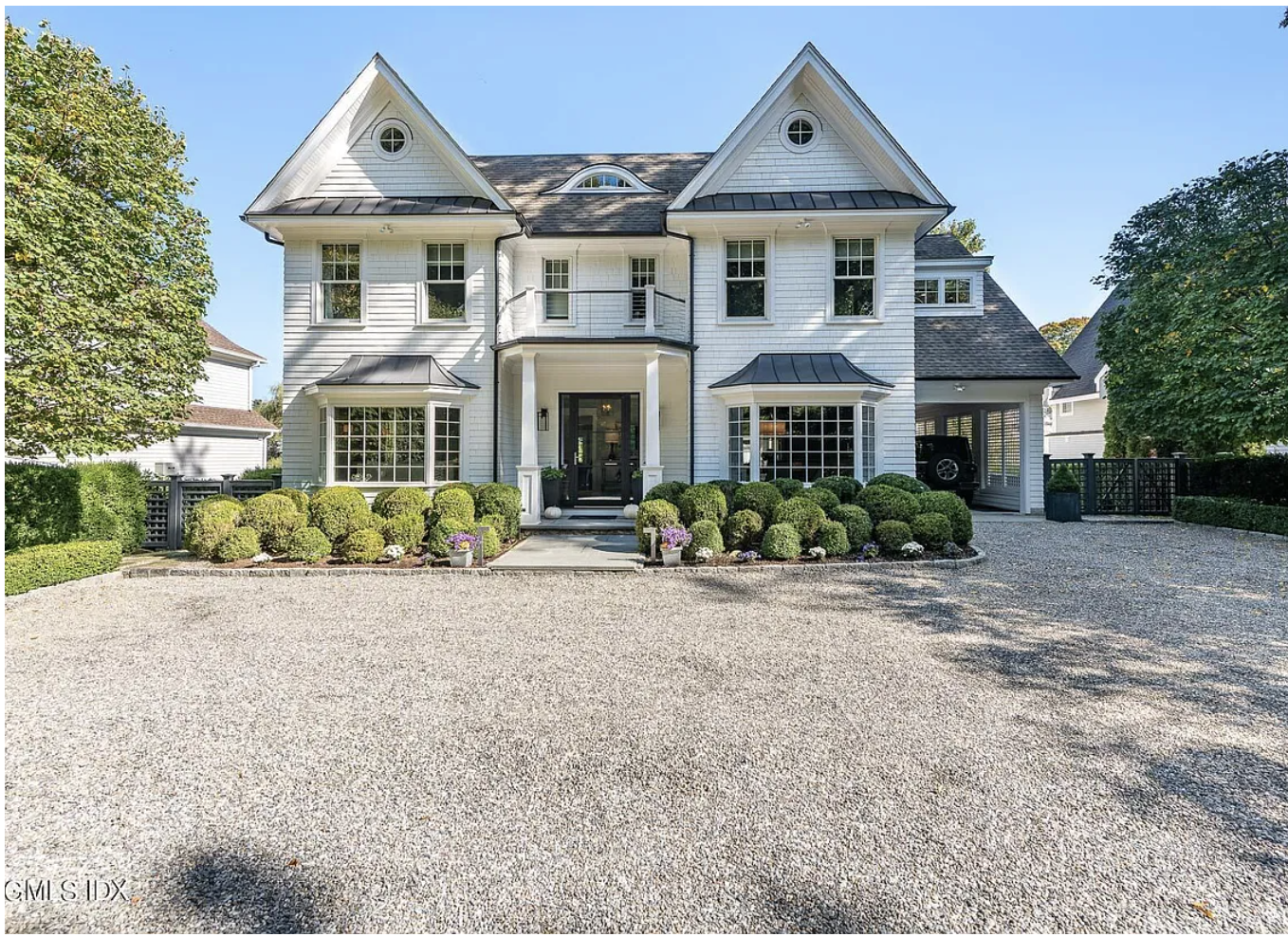
If you can remember all the way back to pre-Flu Manchu 2020, housing prices were soaring and there were a raft of articles decrying how commercial investors were snapping up housing as fast as they possibly could, pricing ordinary Americans out of the market.
Now, some two years later, it’s evident that a lot of those commercial investors kept buying right up through the peak of the market, and are now proceeding to lose their shirts on those deals thanks to the Biden Recession.
Take, for example, OpenDoor, the company that sends out those endless “We want to buy your home” letters. They promised investors they were going to use the Internet to revolutionize home-buying by flipping homes at scale and cut out the middle man. How well did they succeed?
Now that they’ve had a while to run their system, the answer is: Not so well.
Takeaways:
One thing I was unaware of: Commercial investors in residential real estate fund their purchases through variable interest rate debt.
OpenDoor’s outstanding debt balance “has ballooned from $271 million to $6.1 billion.”
Every point rise in interest rates costs OpenDoor $40 million more in interest rate payments.
“OpenDoor is truly a modern day house of cards. The company’s revenue grew from $1.8 billion in 2018 to over $8 billion in 2021. To grow they scaled, going from 18 markets to 44 markets in the U.S. In those four years, the company went from flipping 7,000 homes a year back in 2018 to now flipping 21, 000 homes most recently in 2021.”
“Despite OpenDoor’s top-line growth, the company has incurred loss after loss after loss, each bigger than the last, even in a strong rebound year in 2021. Where the company sold a record number of homes, OpenDoor incurred a record loss of over $600 million.”
Some math snipped. “OpenDoor would need to sell roughly sixty thousand homes a year just to break even with how much it costs the company to exist in its current burn rate. Every time the interest rate goes up a single point, OpenDoor needs to sell an additional 2,000 homes in order to offset that additional $40 million.”
Free money always tempts “smart” people to play silly games. When free stops, so does the fun.