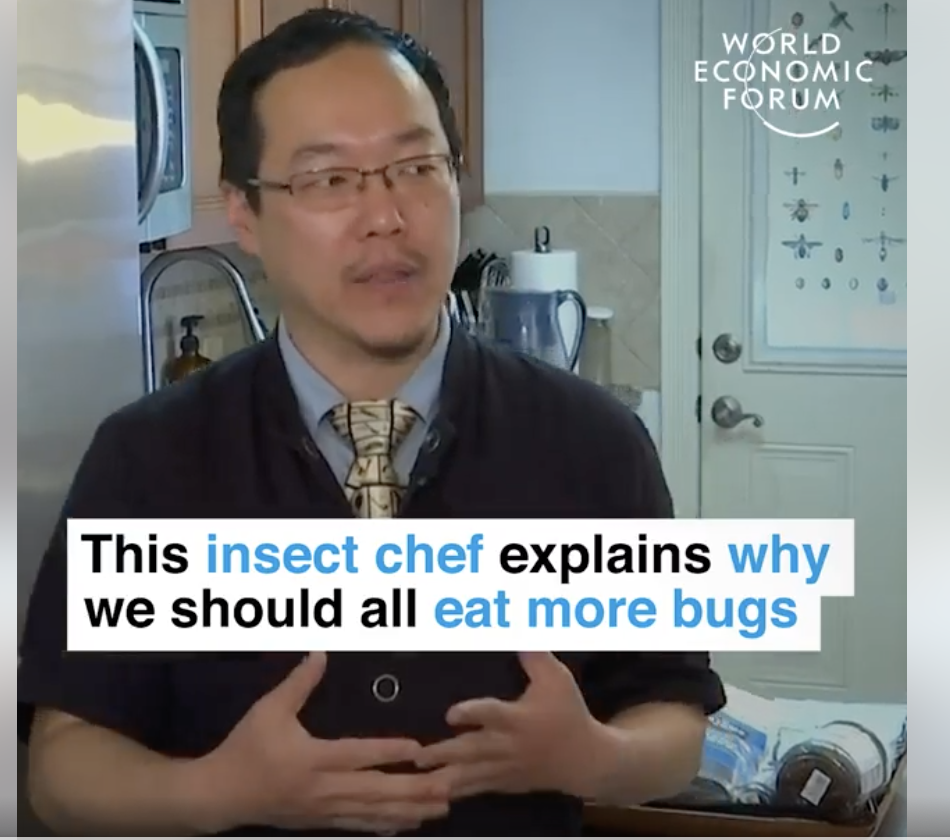
What, at this point, does it matter? They're going to force us to eat it, if they allow us to eat at all
/
Fake meat sales plummet after a brief consumer experiment with the stuff.
In fact, it was obvious all along that curiosity only went so far because, even during the height of the lockdown meat shortage, while the real meat shelves were bare, the soy burger section overflowed with unwanted goo.
“In 2020, with everyone stuck at home,” the Washington Post reported last week, “sales of plant-based-meat brands like Impossible, Beyond Meat and Gardein skyrocketed, increasing 45 percent in a single year.”
The story went on to insist that “Soon, it seemed, everyone would be eating burgers, chicken fingers and steaks — made purely out of vegetables.”
Did it ever really seem like that? Sales of highly-processed plant-matter “meat” surely increased, but they never made a serious dent in most meat-lovers diets.
Sales plateaued in 2021 and began to rapidly shrink in ’22. Beyond Meat’s publicly traded shares crashed by 80%, performing far worse than the market as a whole. Impossible has been laying off workers left and right.
Despite millions of Americans reducing their beef consumption — perhaps in part due to severe inflation at the grocery store — “plant-based meats aren’t succeeding as expected,” said WaPo.
“In any case,” Fast Company‘s Brian Kateman insisted, “plant-based meats are still generally healthier than the traditional meat products they’re aiming to imitate.”
Oh, really?
Dr. Amy Myers — a recovering vegetarian — reported in December that faux “beef” lacks “key beneficial fatty acids, vitamins and minerals found in animal protein such as vitamin B12.” “Additionally,” she wrote, “heme-iron is the most bioavailable form of iron, and it can only be found in real animal protein.”
For those seeking to avoid real meat for health reasons, nutritionist Carrie Forrest recommends avoiding fake meat, too, because it “is not a nutrient-dense food; in fact, it contains ingredients that can actively harm your health.”
Ethan Brown, who founded Beyond Meat in 2009, promised to recreate the “blueprint of meat” and engineer “meat” that would “help solve heart disease, diabetes, cancer, climate change, natural resource depletion, and animal welfare,” according to Bloomberg’s summary of his promises.
“Fake meat was supposed to save the world,” Bloomberg reported last week. Instead, “it became just another fad.”
Former “hardcore” vegan (and current environmentalist) Logan Hailey noted in 2021 that the environmental footprint of the plant-based ingredients that make up an Impossible Burger is “MASSIVE compared to that of a (single ingredient!) grass-fed beef burger.”
But the reason for shrinking sales likely has little to do with whatever health benefits fake meat has (debatable) or whether it’s actually good for the environment (ditto).
The Washington Post also reported last week that the real reason consumers are turning their noses up at fake meat is because, well… IT’S FAKE.
The paper spoke with Steffen Jahn, a professor of marketing, who noted that “The mimicking of real meat introduces that comparison of authenticity.”
And that’s a problem.
Europe, Australia, and New Zealand are already closing down their meat production, and the Greens are busy forcing the U.S. to follow their lead. So this headline is entirely on point: