Sears mail order homes
/
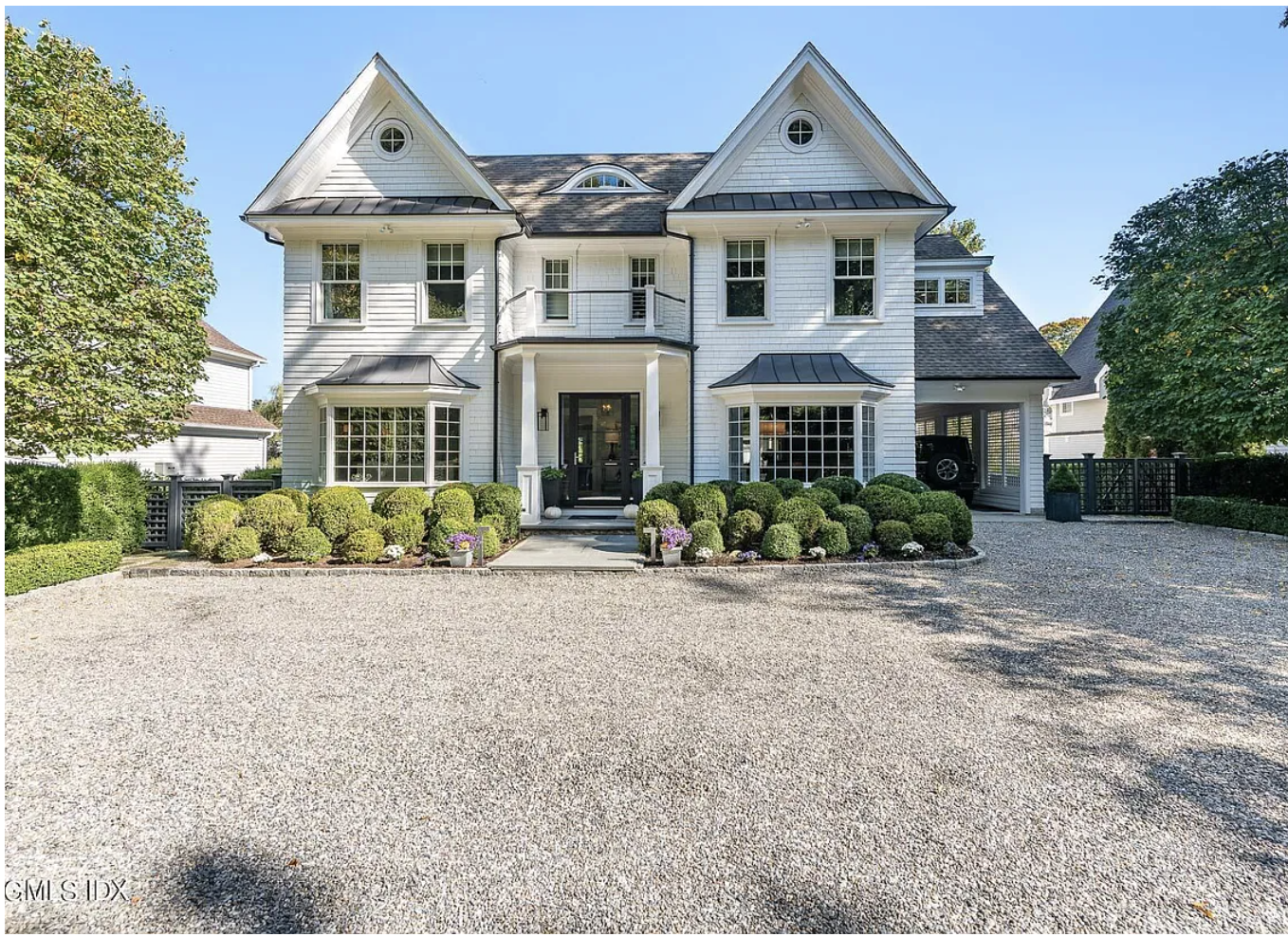
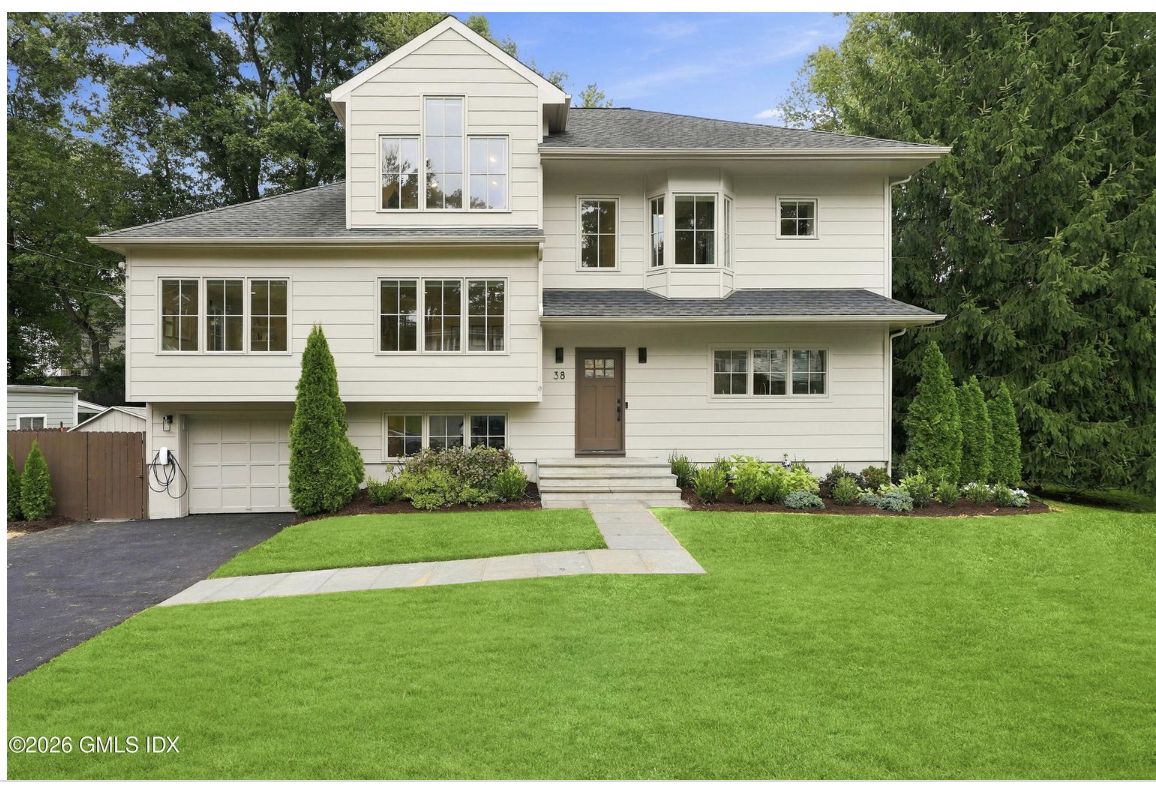
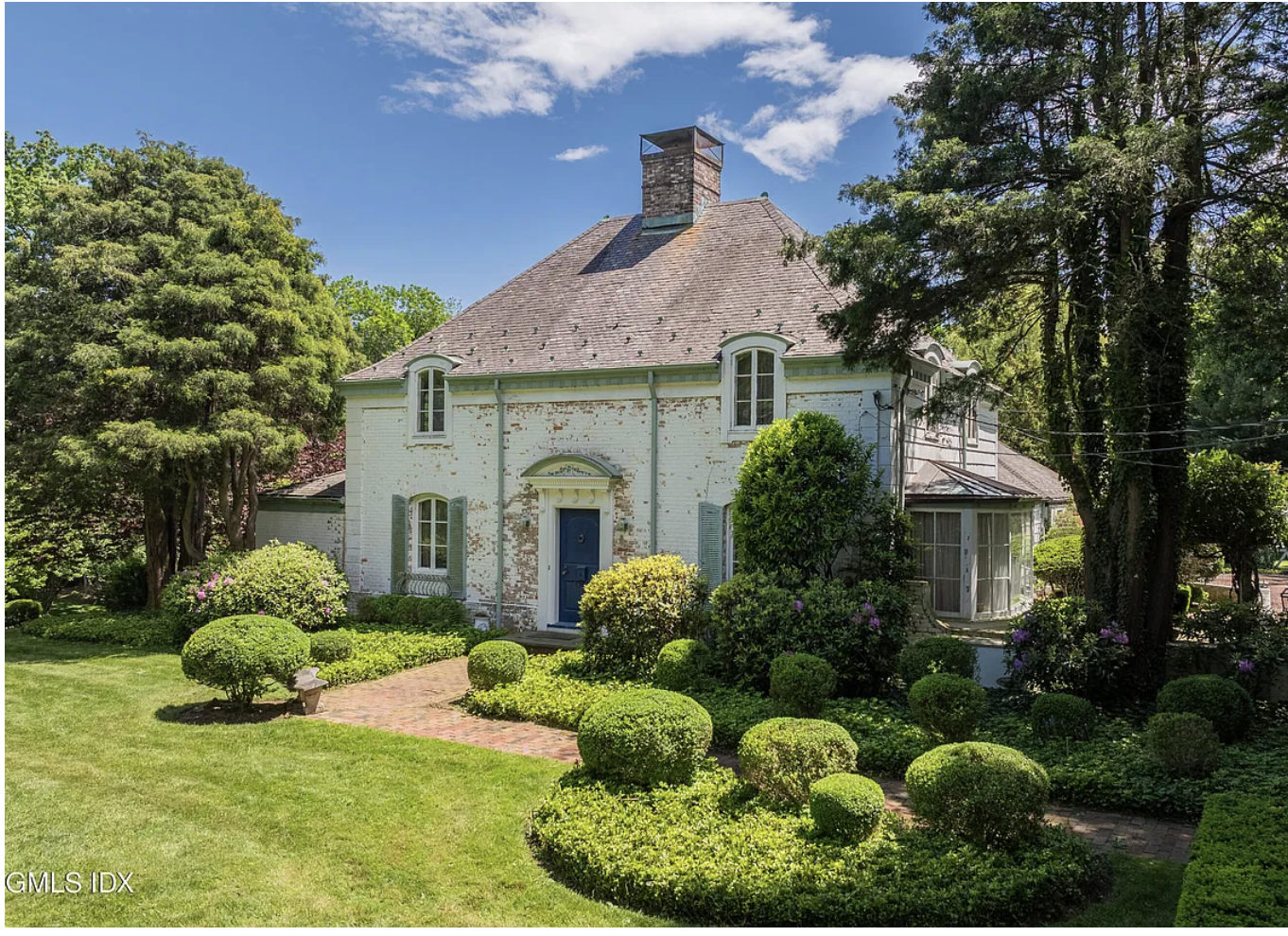
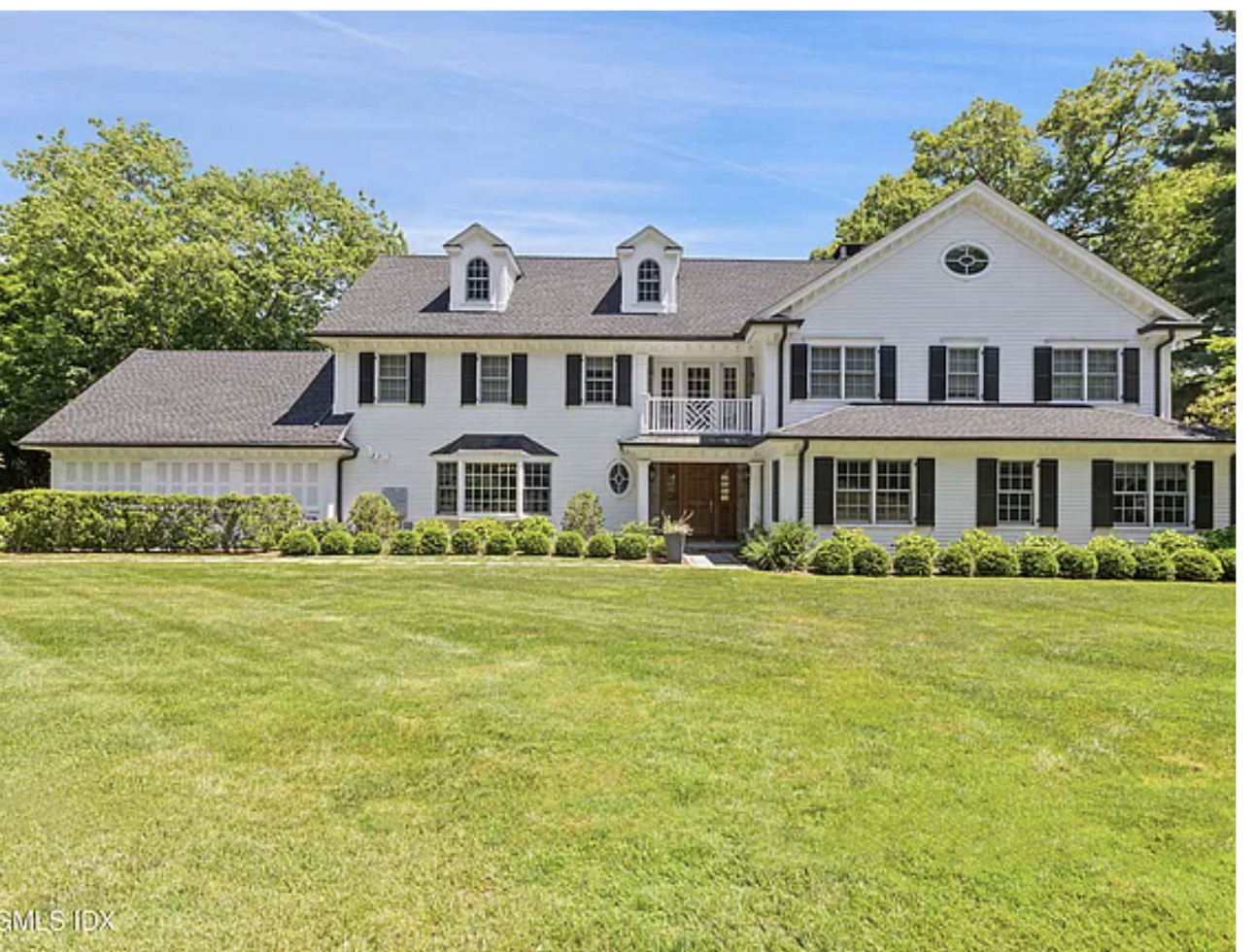
I’ve written about Sears homes before, but this article from Historyfacts.com arrived in my inbox today, and I found it interesting and thought (at least some) readers would too, especially Riverside, where there are at least three homes remaining on Chapel Lane, all delivered in 1911 to the New Haven’s Riverside railroad station and brought to and assembled on Chapel Lane a few hundred yards away. There may be more such homes scattered about town, but these three: 11 Chapel, 13, and 17 are those I know about.
The Rise and Fall of Sears Mail-Order Homes
In 1906, Sears was a flourishing catalog company that had just launched a highly successful initial public offering. The company went public under the name Sears, Roebuck and Co. after completing the construction of an enormous new headquarters and distribution center in Chicago, which totaled 3 million square feet of floor space over 40 acres of land. Sears advertised the new complex as “the largest mercantile plant in the world,” and included illustrations of it on the backs of its catalogs. It was a heady time for the company, but not everything was running smoothly.
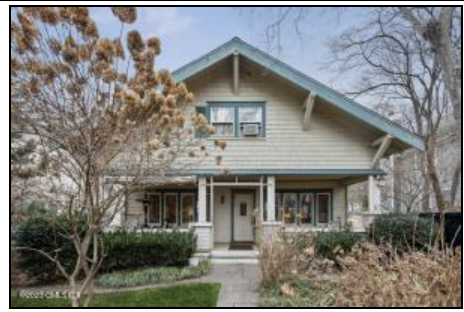
Crossman Manor 17 Chapel Lane
Though Sears was growing, its building supplies department was proving unprofitable, and a decision to close it loomed. Manager Frank W. Kushel was appointed to oversee the liquidation of the department, but he instead developed a way to sustain it: All the supplies needed to construct a home were bundled together with blueprints, and shipped directly from the factory. This eliminated the need to warehouse the materials, thus saving costs, while simultaneously creating a bigger-ticket product line. The Book of Modern Homes and Building Plans — the first catalog of Sears mail-order houses — was sent to prospective customers in 1908.
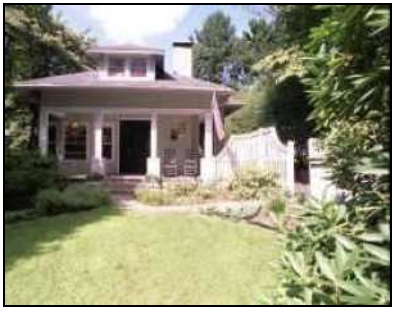
17 Chapel Lane
Sears was not the first company to sell kit houses — the Aladdin Company, Montgomery Ward, Lewis Homes, and others were also in the market around the same time — but Sears touted its status as one of the “largest commercial institutions in the world” with its massive distribution center, and promised to save customers between “$500 and $1,000 or more” in building costs, while guaranteeing the quality and reliability of materials. Balloon-style framing design, with drywall instead of lath and plaster, reduced the carpenter hours needed to build a house, in turn lowering the total cost for the buyer. In the initial 1908 catalog, 22 home designs were offered, ranging in price from $650 to $2,500 (roughly $20,000 to $80,000 today) and in sizes from unassuming to approaching grandeur.
Not surprisingly, delivery of materials was a complex operation. The average buyer didn’t have the space to store all the building pieces at once, so shipments were phased. The lumber and nails for the frame arrived first, in order to allow the roof and enclosure to be built, thus ensuring adequate shelter for the ensuing materials. When the customer was ready, they sent for the next shipment, which included millwork and inside finish. Hardware, paint, and any additional furnishings were the third and final shipment.
The majority of mail-order houses arrived by train; the buyers hauled the materials from the boxcar to their building site, unless they were well heeled enough to pay for the railroad to truck the supplies from the station. The first orders for homes were placed by customers around late 1908 or early 1909.
Sears moved aggressively to improve home offerings and stimulate sales. In 1909, it acquired a lumber mill in Mansfield, Louisiana. The following year, electric lights and gas (high-end amenities at the time) were included in home designs. The next two years saw the completion of an additional lumber mill in Cairo, Illinois, and the acquisition of a millwork plant in Norwood, Ohio.
The new facilities enabled the company to manufacture its entire line of homes using its own sources, which allowed for an expanded number of home designs. By 1912, the Modern Homes department reached an annual sales volume of $2,595,000, which equated to a profit of $176,000. This was enough to wipe out the previous losses from the department’s former building supplies incarnation. Kushel’s plan was a success.
In 1916, Sears introduced the feature that is most often associated with its mail-order homes: ready-cut lumber. Cut in the factory to fit, the lumber did not require any trimming before it was nailed together. This allowed for cost savings for the buyer as fewer carpentry hours were needed (a savings Sears estimated at 40%), and it was advantageous for the company as well: Sears was able to purchase lumber in more economical lengths, as well as use second-grade lumber and convert it to first-grade via trimming. The trimmed pieces were often repurposed for other materials — with the timber waste removed, freight costs were substantially reduced. To further encourage sales, Sears reintroduced its own mortgage program, which had originally been active from 1911 to 1913.
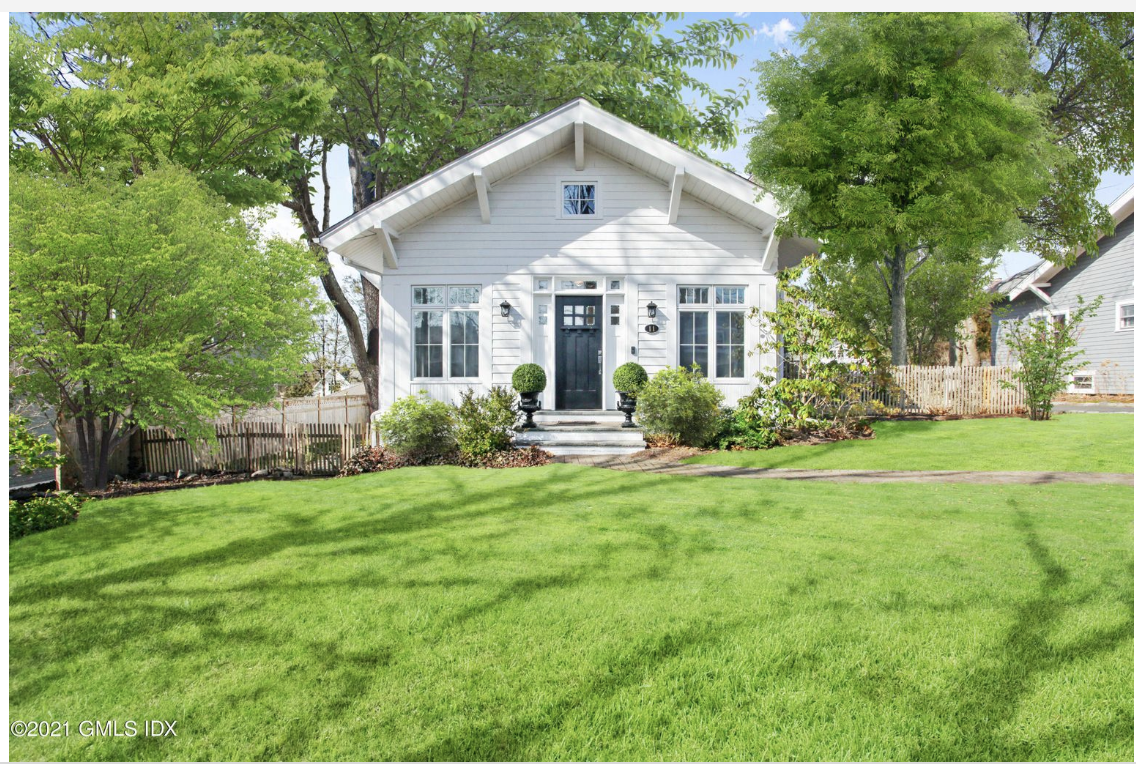
11 Chapel Lane
In 1919, the end of World War I brought with it the end of wartime building restrictions. A housing boom ensued, spurred on by the return of soldiers. Sears introduced three tiers of Modern Homes: Simplex Sectional (small two-room structures), Standard Built (less-insulated homes best suited for warmer climates), and Honor Bilt, high-end homes that featured amenitiessuch as cypress siding, kitchens with white tile sinks and enameled cupboards, and “Air-Sealed Wall construction.” Sales from 1912 to 1920 totaled $29,160,000, at a profit of $3,377,000. During that same time frame, around $3.8 million in mortgage loans were written.
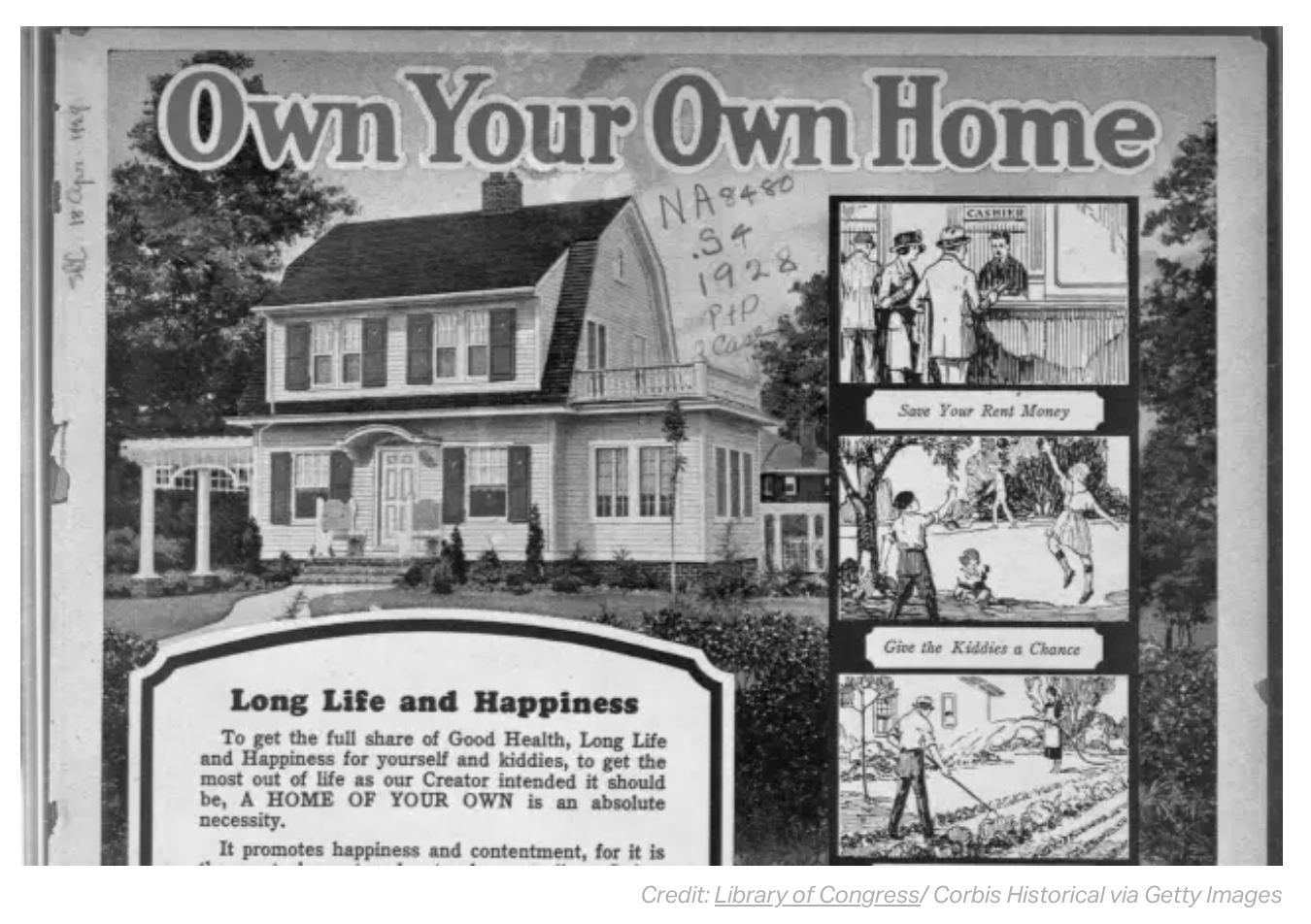
During the 1920s, Sears set its sights on maximizing the booming housing market. The company had opened its first sales office specifically for Modern Homes in Akron, Ohio, in 1919, and in 1920, it built a Philadelphia plant that became the base of Sears’ East Coast operations. In 1921, sales offices opened in Pittsburgh, Cleveland, Cincinnati, and Dayton, followed by sales offices in Chicago, Philadelphia, and Washington the following year.
The offices used the Sears mortgage program as a major selling tactic, steering buyers toward mortgages, and the company’s loan policy became more and more lenient in response to sales pressure. Accordingly, sales were booming, increasing from an average of 125 units shipped per month in 1920 to 326 units in May 1926 from the Cairo plant alone. But by 1926, mortgage loans represented 97% of sales.
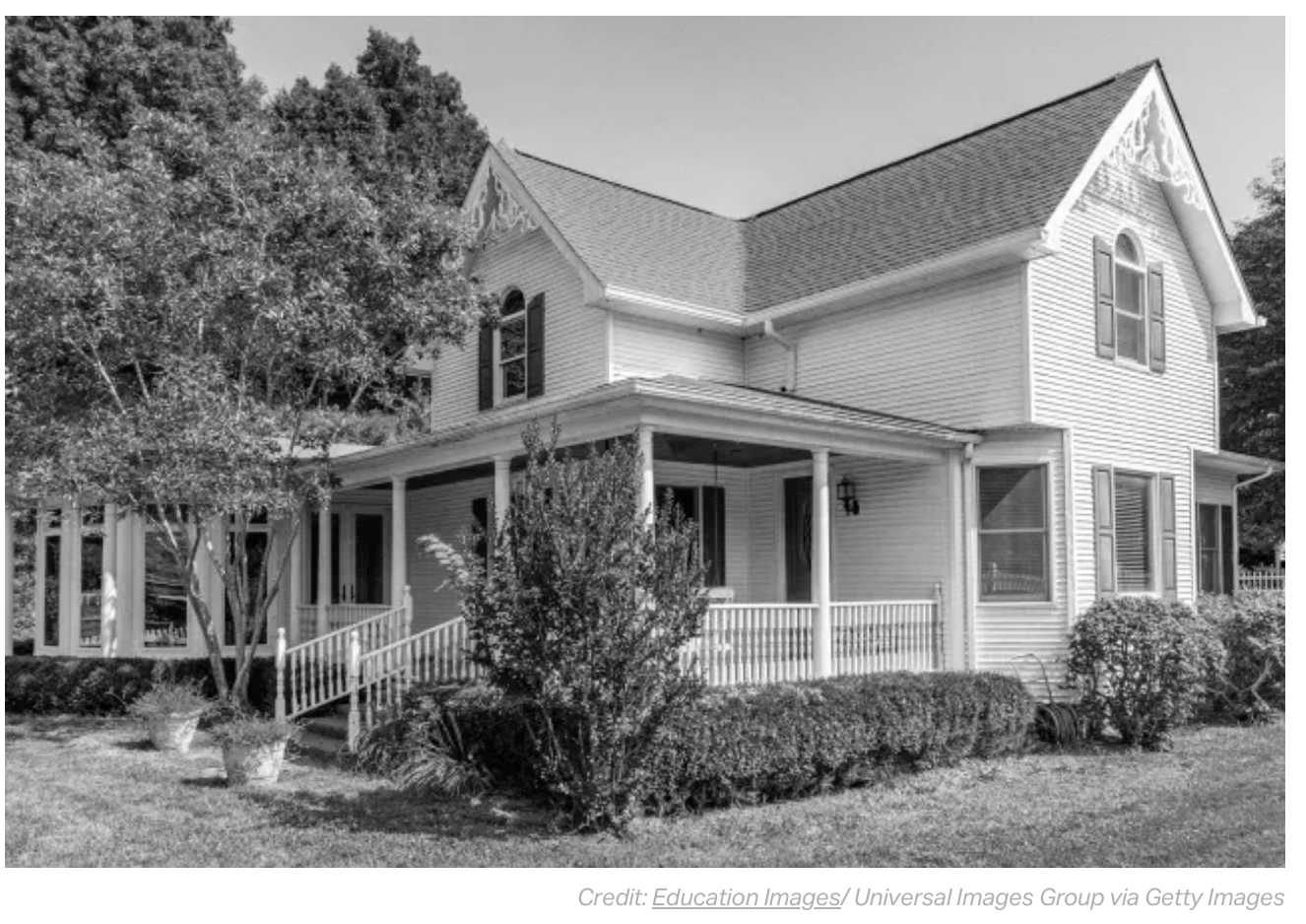
(from the article — Not a chapel lane home)
The year 1929 was set to be a banner year for Sears Modern Homes. The department had sold 49,000 houses from its inception up to that point. It was averaging 250 units shipped per month just from its Cairo plant, and had a sales staff of 350 people in 48 different offices throughout the country. The $12,050,000 in sales for 1929 represented the highest total the department had ever had. But when the stock market crashed in October 1929, eventually plunging the United States into the Great Depression, Sears Modern Homes was one of the many businesses the bottom fell out of.
The decline was swift. The Sears annual stockholder report for 1932 plainly stated, “Since September 1931, [the Modern Homes department] has operated at a loss. Its sales declined over 40% in our fiscal year, with resulting losses of $81,154,984 during the year.” Two years later, the annual report relayed the dire state precipitating the end of the department: “About $11,000,000 in mortgages were liquidated during the year and the Modern Homes Department was discontinued.”
The department was reopened in 1935 under a different configuration, selling prefab houses by Chicago’s General Houses, Inc., and the Modern Homes catalog continued to be issued until 1940. Modern-day Sears house enthusiasts cite 1942 as the final year a Sears mail-order home was built, as orders from the final 1940 catalog continued to be filled in the year or so after the catalog was published. Unfortunately, Sears’ own records of home sales were destroyed, complicating a definitive date.
Though the 1929 stock market crash and Great Depression provide a tidy explanation for the beginning of the end of the Sears Modern Home department, historians Boris Emmet and John E. Jeuck made a different assessment in their seminal 1950 book, Catalogues and Counters: A History of Sears, Roebuck & Company. The book points out the unsustainability of the business model. Increased sales thresholds for Modern Homes necessitated building (or acquiring) more manufacturing plants to handle the increased production needs. The costly production facilities required investments in shipping and transportation, too, along with an increasingly growing and complex service organization to support the business.
The push for sales meant relying on ever more lenient mortgages and approving otherwise undesirable credit risks, creating what Emmet and Jeuck called an “ever increasing and ever more unsound mortgage receivable structure.” Ultimately, the business was simply not scalable: As sales increased, profit margins declined. The peak profit margin for Modern Homes was 15% in 1919 and 1920. It dropped to an average of approximately 10% from 1921 to 1926, and fell under 5% by 1928. The narrowing margins left the business unable to weather a slowdown in sales, let alone a large economic crisis. As Emmet and Jeuck wrote, “At any time subsequent to 1926, the onset of a [sales decline] would probably have developed losses comparable to those which actually were incurred after 1929; the condition was inherent in the structure.”