I don't care, really — I'm not a fan of taxpayers subsidizing other people's homes, but at least stop pretending we're worried about the high cost of housing
/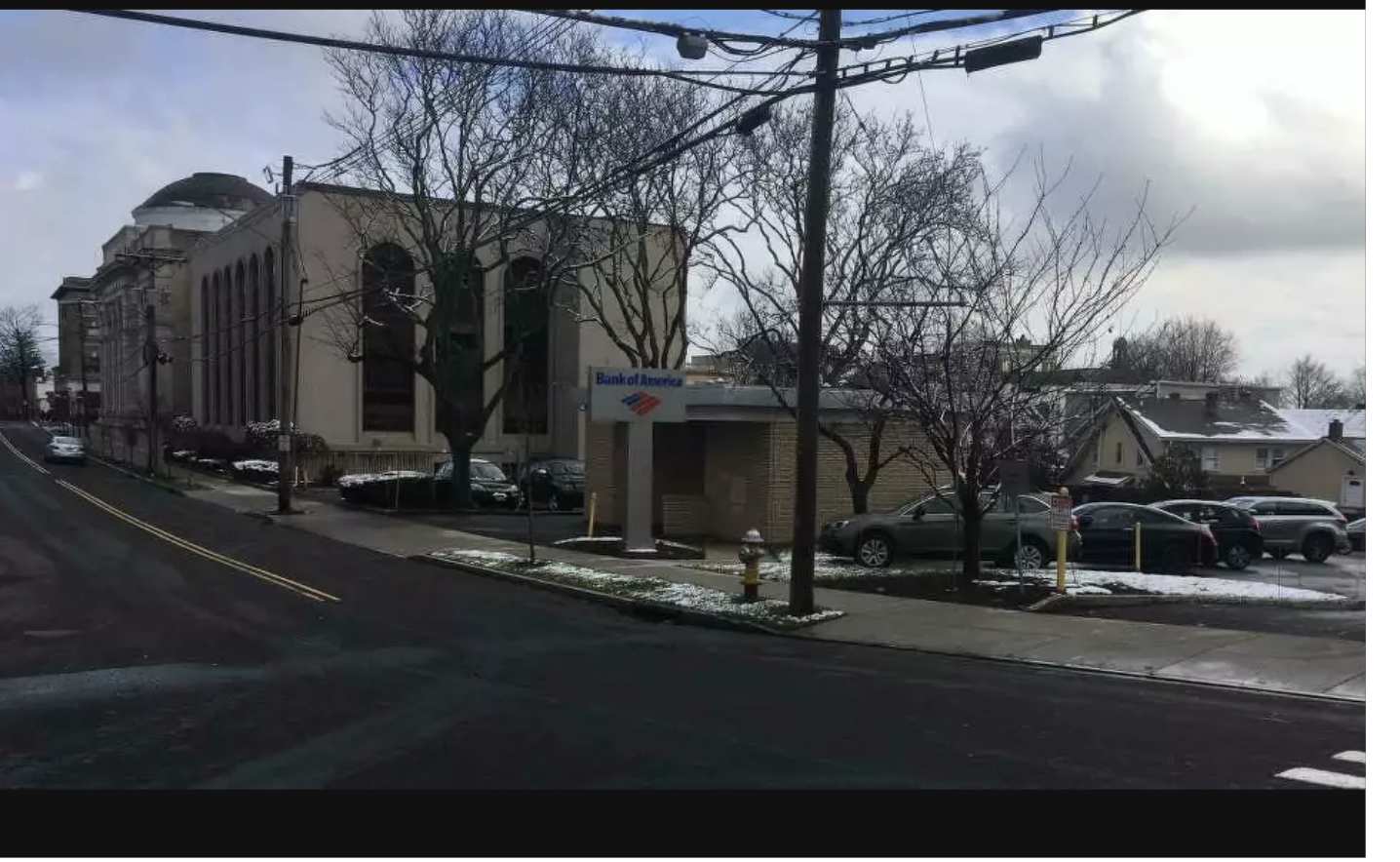
240 Greenwich Avenue
From 60 units, 18 of which would have been “affordable”, to 40, back up to 60, and now down to 12, all luxury units. Our P&Z sides with the opposing neighbors, again, and shrinks a housing project down to a size that inevitably drives prices higher and out of reach for the “ordinary poor” such as lawyers and dentists.
There’s nothing new here; in fact it’s the same old story repeated again and again. Here’s one from just last week concerning the thwarted Mason Street project:
Cut a project’s size from 92 units to 74, demand that 1/3 of those be “affordable”, while also demanding that they are built to the same size as the market rate units, and eliminate any ground-floor retail use that could help subsidize the project. That’s a recipe for making any such project too impractical to build, and I assume that’s the intention.
GREENWICH — The Planning & Zoning Commission is being sued by developers over conditions it imposed on approvals for two large residential buildings on Mason Street that were authorized by the commission in December.
The lawsuit seeks to overturn the conditions and grant approval for the project with retail space and no restrictions on the size of the affordable units.
Mason Street Partners and developer Joshua Caspi say the conditions that the commission imposed went against state law 8-30g, which is designed to provide the community with affordable housing units. The law states projects offering affordable housing units, as the Mason Street development has been proposing, can only be denied or modified on "health and public safety" issues.
The lawsuit contends that the conditions imposed on the approvals — eliminating any retail space from the project and requiring that the affordable units be nearly identical in size as the market-rate units — ran counter to the state law and should be invalidated.
…. The long-running and controversial project was resubmitted to the Planning Commission in November, with a reduced number of total units in both buildings on Mason Street set at 75, down from 92 in an earlier draft. The 24 affordable units were evenly distributed in the two buildings.
During review, the commission went into a lengthy discussion about "comparability," seeking to ensure that the affordable units did not carry any perception that they were of lesser value or quality. Commissioners said they wanted to avoid any perception of "a rich door, poor door," in the phrase that came up during discussions of the application.
As part of its condition for approval, the commission required that the affordable units would have to be no less than 90% of the size of the market-rate units. The commission also said there could be no retail space in the buildings, which would have taken up around 4% of the total square footage of the new construction.
“The smallest affordable units in the Mason Street development would be larger than most of the condo units on the market in Greenwich at full price.”
The developers in their suit took issue with the requirement for "comparability."
According to the legal complaint filed last month, "Mason Street Partners responded to this concern by pointing out that comparability is not a health or safety concern," the lawsuit stated. In addition, the developers claimed, earlier court rulings held that "comparability was 'a matter of opinion' that cannot be a basis of denial.” Further, they stated, the smallest affordable units in the Mason Street development would be larger than most of the condo units on the market in Greenwich at full price.
….
The loss of retail, as well as the requirement to make the affordable units substantially larger relative to the size of the market-rate units, would cause a financial strain for the project, the developers argued.
“Affordable” new housing can’t be built without subsidies — the cost of construction is too high (you can’t even accomplish it in Maine, where land costs in most parts is negligible) — so either those seeking cheap housing will have to settle for older, less desirable units, or someone has to buy new ones for them. Why a handful of lucky people should be handed winning lottery tickets is a question best left to liberals to ponder in their Episcopalian Sunday coffee klatches, but, really, “we don’t want to stigmatise the poor by putting them in units smaller than their rich neighbors”? I call bullshit: it’s about preserving and even increasing property values, and if reducing the number of units makes a project unbuildable, great; and even if it just drives the prices of unsubsidized units higher, that’s acceptable too.
The miasma of hypocrisy oozing from these commission hearings is nauseating.