No one in the history of the world has ever washed a rental car before returning it, or purchased fake meat more than once
/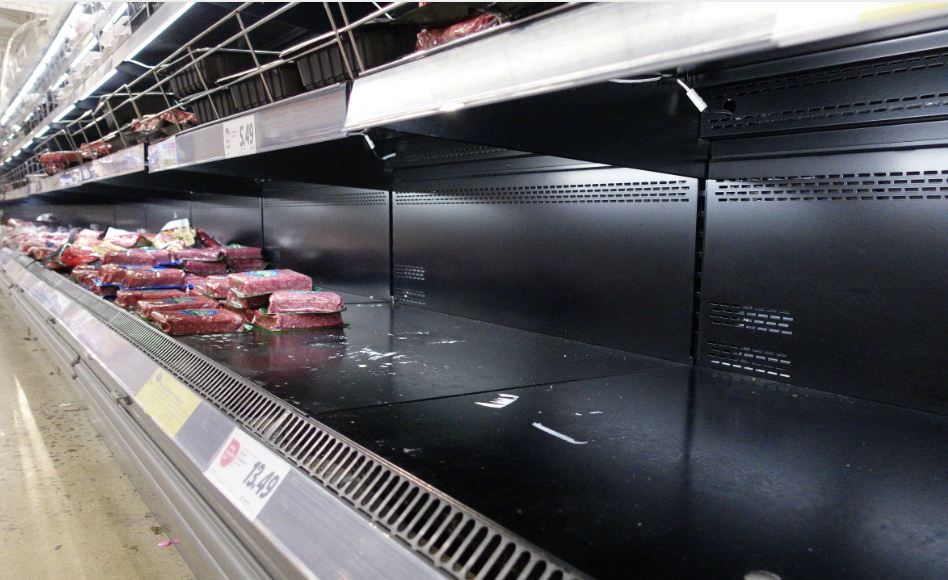
Lockdown, 2020: given the choice of plant “meat” or no meat, consumers overwhelmingly chose to go without
September 4, 2025: Beyond Meat Sales Plunge as Firm is Over $1 Billion in Debt
In a development that will likely come as a surprise to no one who is a regular reader of Legal Insurrection, it appears there has been a precipitous drop in the sales of products from the “meat alternative” company, Beyond Meat.
Once the darling of the plant-based food space, Beyond Meat has suffered a precipitous decline in sales as consumer consumption plunges. Economic uncertainty and concerns over the processed nature of the offerings has pushed shoppers toward cheaper animal options.
Beyond Meat had cash and cash equivalents of $103 million as of June 28, compared to $132 million at the end of 2024, the company said in its most recent earnings release. In May, the company raised $100 million from a plant-based nonprofit, providing the alternative meat company with much-needed cash.
Creditsafe estimated that Beyond Meat had $1.2 billion in debt. Around half of its outstanding bills were between 1 and 30 days past due in July, compared to roughly a third in September of 2024.
“This increasing delay in payments to suppliers indicates that the company could be experiencing liquidity pressures,” Ragini Bhalla, head of brand with Creditsafe, said in a statement. “These rising DBT figures highlight growing financial challenges, especially considering their troubling Q2 earnings results.“
The publication Mashed woke up to what was happening years too late, but did manage to figure it out eventually, and published this on october 6, 2024:
The Story Behind Fake Meat And Its Quick Downfall
…. Customers didn't come back for seconds
A more urgent problem for the plant-based meat industry was that it was hemorrhaging customers. The enthusiasm for plant-based products between 2019 and 2021 was, it turned out, largely due to first-time buyers. Perhaps the excitement surrounding the companies' innovations inspired meat-eating stalwarts to give the products a chance, only to decide, inevitably, that they preferred real meat. In 2022, Maple Leaf, a Canadian pork company that also owns two plant-based meat brands, conducted a review of the U.S. market and concluded that the industry was stalling. About 60% of U.S. households had given plant-based meat a try, leading to skyrocketing sales, but so few of them had turned into repeat customers that sales flattened.
The expectation that plant-based meat would only become increasingly popular as more people tried it proved to be unfounded, leaving the companies in a tricky spot with investors and shareholders.
Plant-based meat is ultra-processed
Another driver of the plant-based meat craze was the idea that protein made from plants must be healthier than regular meat. Studies have consistently shown that consuming red meat, both processed and unprocessed, can shorten the lifespan. In 2012, researchers from Harvard estimated that swapping one serving of red meat with healthier options like fish, poultry, and nuts every day could lower the risk of mortality between 7 and 19%. If you're craving a hamburger or a hot dog, it stands to reason that a Beyond Burger or a plant-based sausage would be a better option.
However, it didn't take long for health professionals to point out that many of the most popular plant-based meat companies rely on ultra-processing and excessive amounts of unhealthy ingredients like salt and saturated fats to achieve the meat-like texture and flavor of their products. Where a beef patty might contain only one or two ingredients, a plant-based patty might contain 20 or more. Recent studies have shown that the regular consumption of ultra-processed foods increases a person's risk of cancer and early mortality. *
Comparing the fat and calorie content of fast food meat burgers with popular plant-based burgers is equally sobering. For example, a McDonald's Quarter Pounder has 420 and 18 grams of fat, eight of which are saturated fats, including the bun. In contrast, a plant-based patty from Moving Mountains without a bun has 270 calories and 20 grams of fat, a whopping 18 of which are saturated.
It's expensive
Health concerns aside, plant-based meat is just plain pricey, even compared to regular meat. Initially, the novelty of the products likely allowed customers to overlook the price tag, but not in the long term. When the Boston Consulting Group predicted exponential growth in the sector through 2035, it highlighted the fact that plant-based meat would grow more affordable in the coming years, anticipating that it would be equal to meat in the near-distant future. In the cost of living crisis that emerged after the coronavirus pandemic, however, consumers didn't have the luxury of waiting for this to happen. When even the cheapest and least flavorful plant-based meat products continued to be more expensive than the real thing, sales began to slump.
This was a particular problem for the companies because 95% of people who had been fans of plant-based products were also meat-eaters. When affordability became a primary concern, the choice to switch back to regular meat was a no-brainer.
Sales and stocks slumped
Through this combination of factors, plant-based meat sales began to plummet. In August of 2023, the CEO of Beyond Meat broke the news to investors that its sales had fallen more than 30% in the past quarter compared to the previous year, prompting its shares to fall by 12%. Far from being on track for growth as had been predicted, the company was shrinking. The landscape for the rest of the industry was nearly as bleak.
It wasn't that vegan and vegetarian products had grown less popular, it was that fake meat, specifically, was losing its shine. A 2023 survey from the vegan company Strong Roots found that 61% of global consumers were trying to increase their plant-based intake, even as 40% of respondents were reducing or eliminating plant-based meat from their diets (via the BBC). This statistic suggests that fake meat has gained a negative reputation even as consumers embrace eating less meat.
Mind you, investors should have seen this coming long ago:
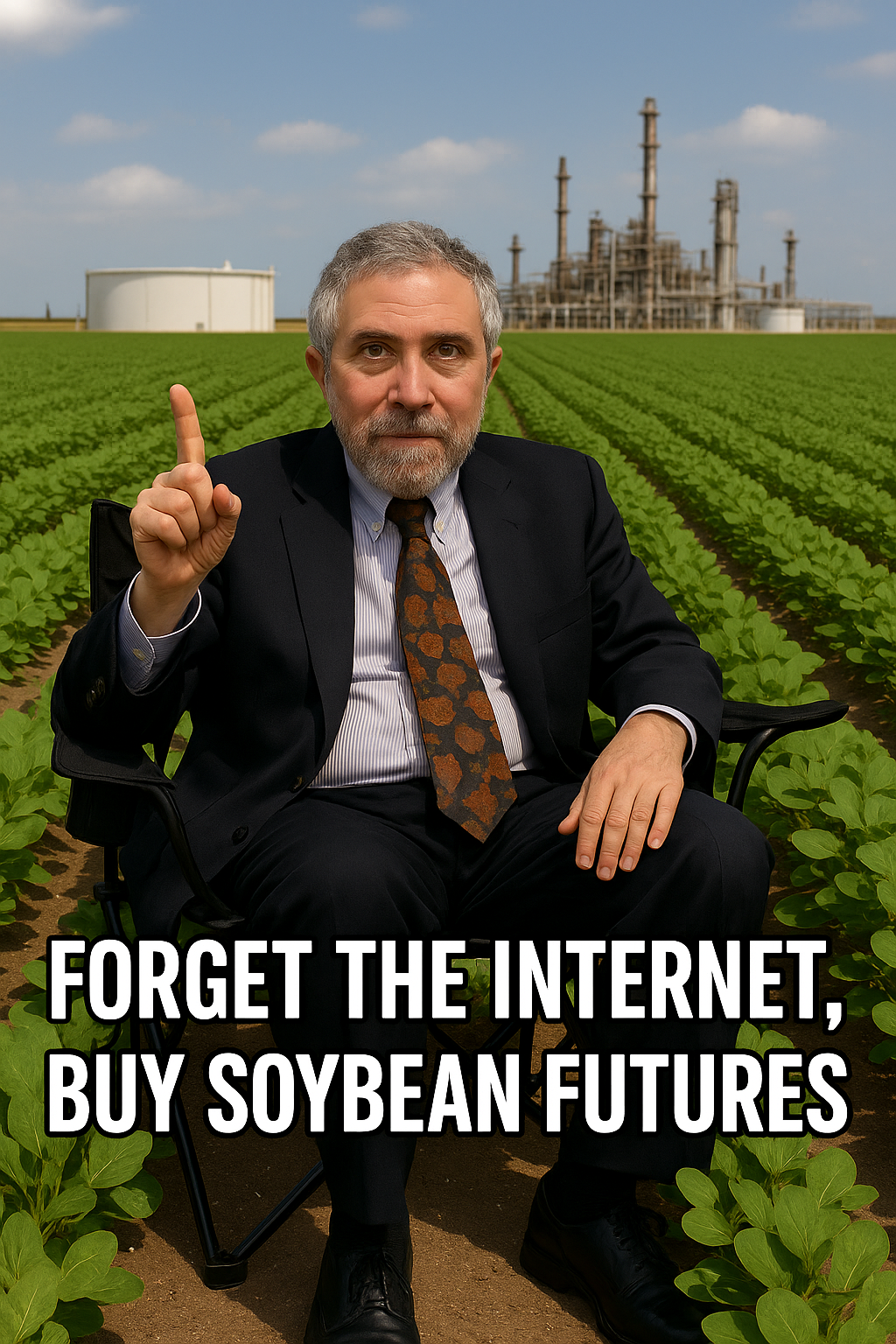
And for the millions of you who don’t watch CNBC, there’s always Tom Friedman Paul Krugman (confused Friedman with Krugman — fixed now; we regret the error):
*
I'm gonna live forever. https://t.co/N2ETGL9O5k
— Leslie Eastman ☥ (@Mutnodjmet) September 2, 2025