Medical School: DEI and DIE
/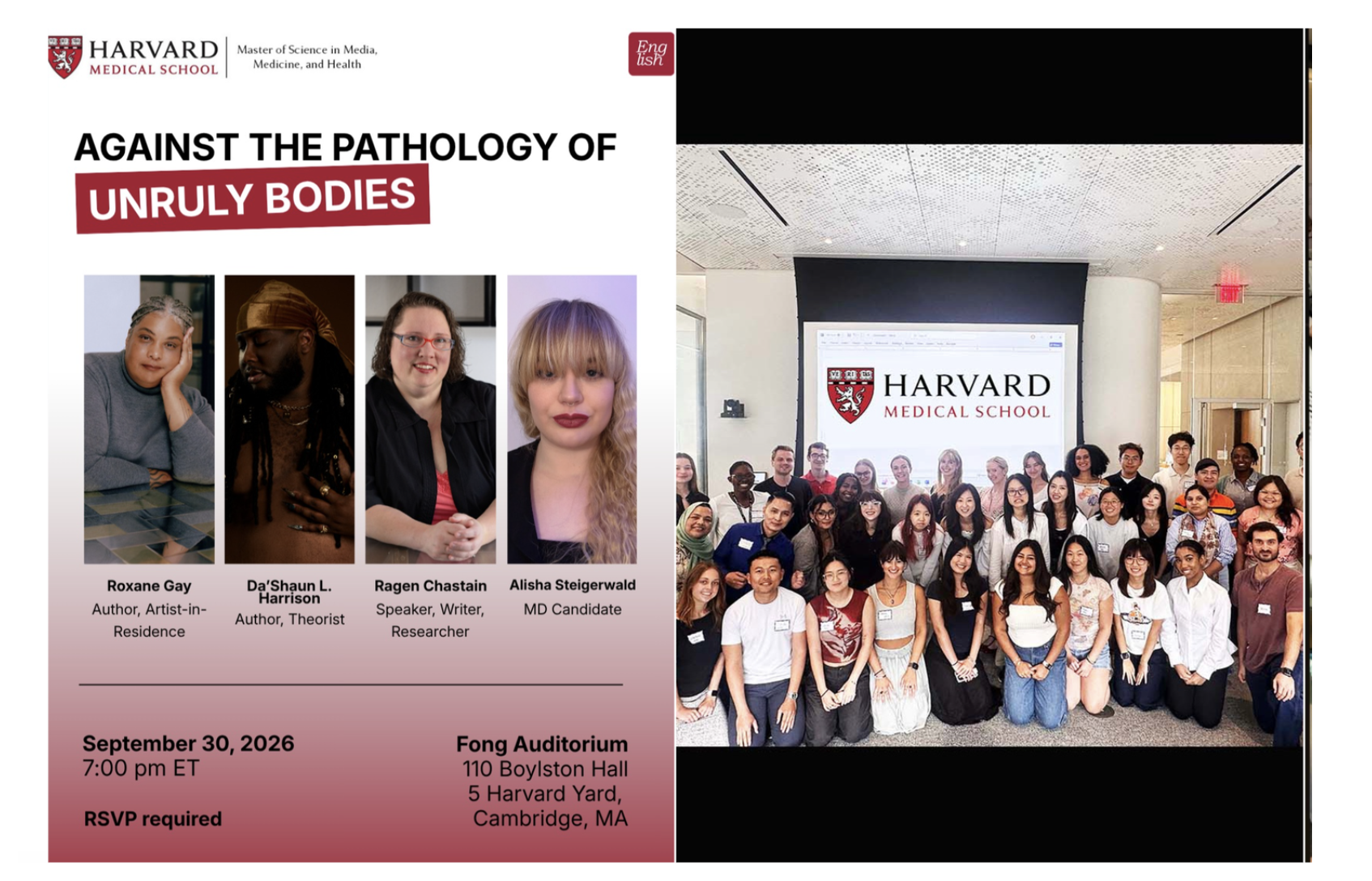
I saw this on Harvard Medical’s website and it inspired another post. Can you spot the white males in this photograph?
For that matter, can you count the number of Americans? I would far prefer to entrust my health to a well trained Indian or Asian doctor than a Harvard DEI graduate, but surely there are still some Americans, male and female, capable of handling the rigors of medical school.
The Hospital Hiring Numbers That Have The Trump Admin Demanding Answers
At one hospital, only two Americans were accepted for residency positions.
.@ROCRegional: Show us the numbers. How many residency slots went to H‑1B and J‑1 visa holders? How many American applicants got a fair shot? @POTUS’ EO puts visa abuse under the microscope. If the system is being gamed, we’ll work with @VP’s @WHFraudTF to expose it.
— Inspector General Anthony D'Esposito (@USLaborIG) September 27, 2026
Additionally, RGH’s Internal Medicine residency program has 72 residents, according to the American Medical Association’s FREIDA database, with 24 residents in each postgraduate year. The program lists J-1 visa sponsorship for international physicians.
The hospital’s reliance on foreign workers extends beyond doctors, too. In January, WXXI reported that roughly 150 international nurses had relocated to Rochester through Rochester Regional Health’s recruitment program, while another 80 were waiting for visas. RRH officials described international nursing recruitment as an important part of the health system’s workforce strategy. At the time, the officials complained that the pipeline was slowed by the Trump administration’s $100,000 fee for certain new H-1B petitions.
The Rochester controversy comes amid a broader national reliance on immigrant health care workers. Immigrants accounted for 17% of the U.S. health care workforce in 2024, including 28% of physicians and surgeons, according to KFF. Thousands of foreign-trained doctors enter U.S. residency programs each year.
Republican Sen. Eric Schmitt of Missouri criticized the system, writing on X that “our medical system is structurally designed to promote foreign labor and hurt Americans.” Schmitt argued that Americans are “routinely blocked from becoming doctors by our outdated residency match program, in favor of foreign grads.”
The residency system is highly competitive, and American medical graduates must secure residency positions before they can practice independently. Critics argue that hospitals should not be turning to foreign workers for positions that could go to qualified Americans, particularly when U.S. medical graduates already face intense competition for limited residency slots.
That concern is at the center of the Rochester controversy. Public records show Rochester General Hospital sponsors H-1B workers, including medical residents, while Rochester Regional Health has actively recruited international nurses.
What remains unclear is whether 80 of the hospital’s 82 residency positions actually went to H-1B or J-1 visa holders, a number that Rochester Regional Health has not yet confirmed. D’Esposito is now demanding that the hospital show exactly how many residency slots went to foreign visa holders and how many went to Americans.
Look at this chart. These are American residency programs. Red = foreign resident doctors. Grey = Americans. Some hospitals are almost 100% foreign. A lot of these doctors came in on visas. Some have been tied to fake credentials and USMLE cheating scandals. I pay the premiums. I wait months to be seen. Taxpayer-funded Medicare GME money(over $21 billion a year) is training these foreign doctors instead of Americans. And I DO NOT even trust these doctors ! Why should we keep funding this?
— Expose H1B Fraud (@JobsNowPaper) September 27, 2026