Beware teenage fashion trends: they'll come back to bite you
/
Young teens are self-identifying as lesbian, gay, and bisexual at decreasing rates, according to newly released CDC data for 2025. The drop in LGB identification was most notable among girls and younger high schoolers. From 2023-2025, the percentage of 9th graders identifying as LGB dropped from 17% to 11%, while among 12th graders, identification only dropped from 18% to 16% in the same time period. The percentage of high-school girls identifying as LGB dropped from 27% in 2023 to 22% in 2025. Among boys, LGB identification dropped from 9% to 7%. The largest decline was among 9th-grade girls, where LGB identification dropped from 30% in 2021 to 17% in 2025.
— The Maine Wire (@TheMaineWire) October 1, 2026
(continued): From 2023-2025, the percentage of 9th graders identifying as LGB dropped from 17% to 11%, while among 12th graders, identification only dropped from 18% to 16% in the same time period. The percentage of high-school girls identifying as LGB dropped from 27% in 2023 to 22% in 2025. Among boys, LGB identification dropped from 9% to 7%. The largest decline was among 9th-grade girls, where LGB identification dropped from 30% in 2021 to 17% in 2025.
I posed the following question to Google’s AI:
Q, I remember reading a WSJ profile of a stock analyst from the 1980s era, in which she said that when she saw that (something like) 75% of Izod shirts were being purchased by teenaged girls, she dumped the stock immediately "because there's nothing more fickle and temporary than teenage girls' sense of fashion". Or something along those lines — it was long time ago. I do remember when the crocodiles disappeared from the Greenwich preppies’ chests back then, which was fine with me; never wore them, and thought they were just another example of stupid teen conformity. Leaving that personal opinion aside, is my memory about the demise of Izod accurate?
A. Your memory is spot on regarding both the sudden collapse of the brand and the exact logic Wall Street retail analysts use when evaluating fashion fads.
While the precise Wall Street Journal article text from that era isn't fully indexed here, your quote perfectly captures a timeless rule of retail investing: when a niche heritage brand becomes an over-saturated teenage fad, it is usually a sign that the brand has peaked and is about to crash. [1]
The actual corporate and financial mechanics behind why the alligator shirt suddenly vanished from upscale places like Greenwich align perfectly with your memory:
1. The "Diworseification" of Izod
During the 1970s and 1980s, Izod Lacoste wasn't owned by a fashion house—it was owned by General Mills (the cereal company). Legendary investor Peter Lynch famously used General Mills' ownership of Izod as a textbook example of "diworseification"—when a great company buys completely unrelated businesses they don’t understand.
2. Squeezing Growth from a Fad
When the preppy craze exploded in the early 1980s, General Mills saw massive profits and tried to aggressively sustain that growth.
The Shift: To keep sales climbing, they shifted target demographics toward mainstream teenagers and young girls.
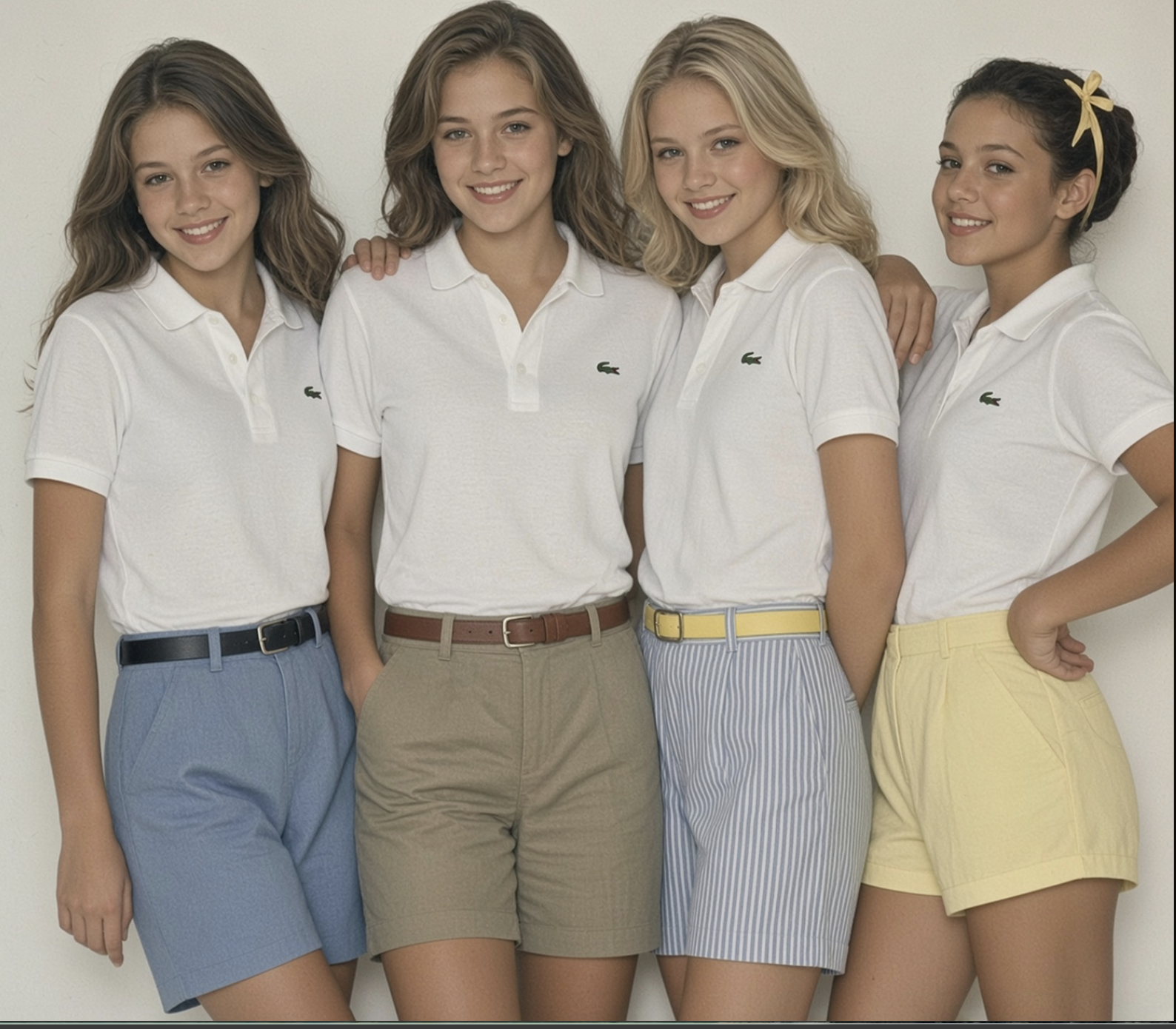
The Mistake: They overproduced the shirts, dropped the price to around $35, and began selling them everywhere—including discount department stores and lower-end retailers. [1, 2, 3]
3. The Fickle Demise
Just as the analyst in your memory predicted, as soon as the alligator shirt became ubiquitous among suburban teenagers, it lost its exclusive, upper-class status symbol. The core affluent market abandoned it as "conformist," and the teenage demographic quickly moved on to the next trend (like Esprit or Benetton). Sales plummeted so severely that General Mills was forced to completely exit the clothing business and sell the brand off by 1985.
FWIW: So, who’s cashing in on this latest, temporary fashion? Hospitals, drug companies, and legions of social therapists/counselors who have a new revenue source to squeeze.