Stanwich sale, solar panels, and other “improvements”
/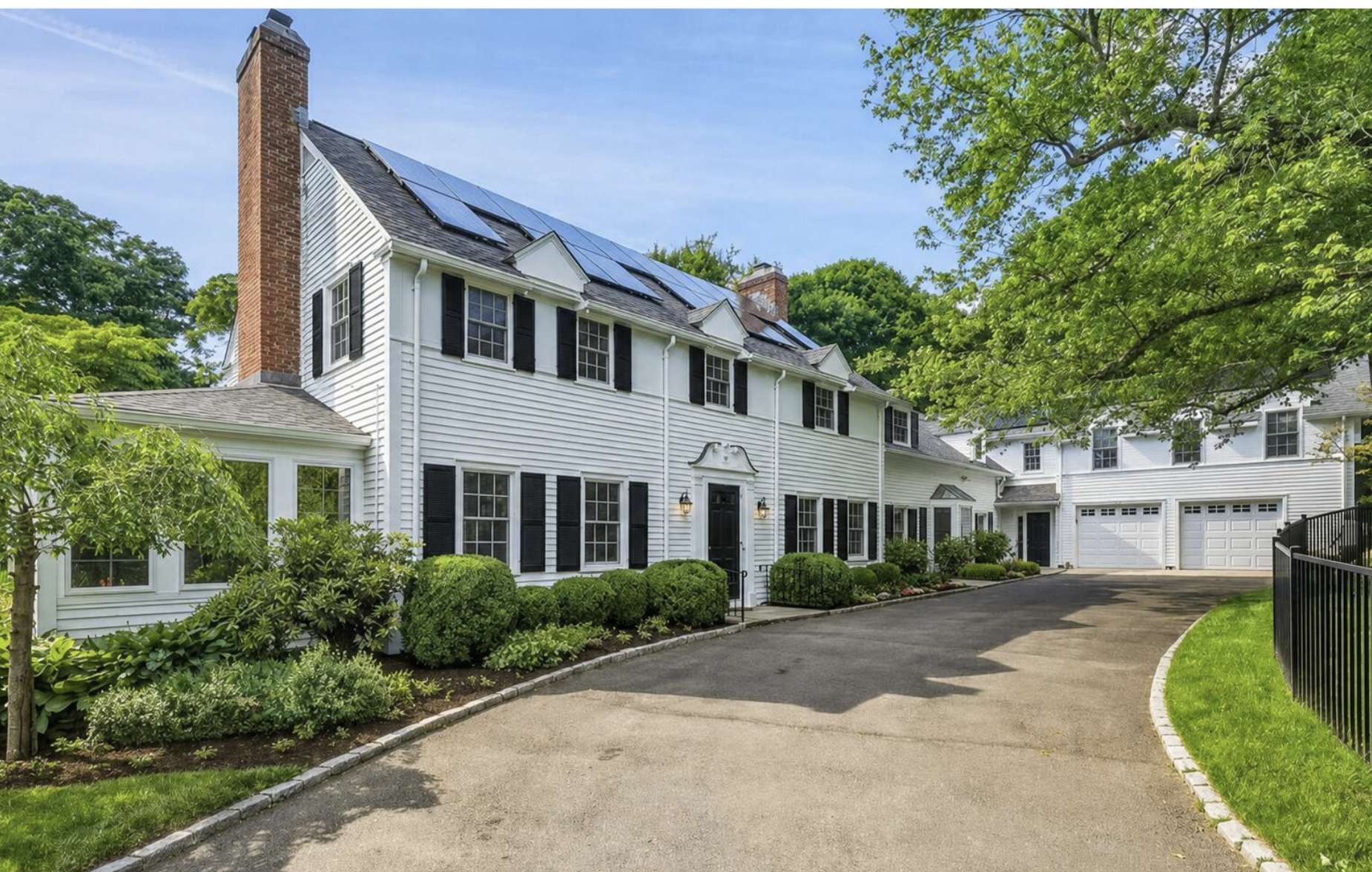
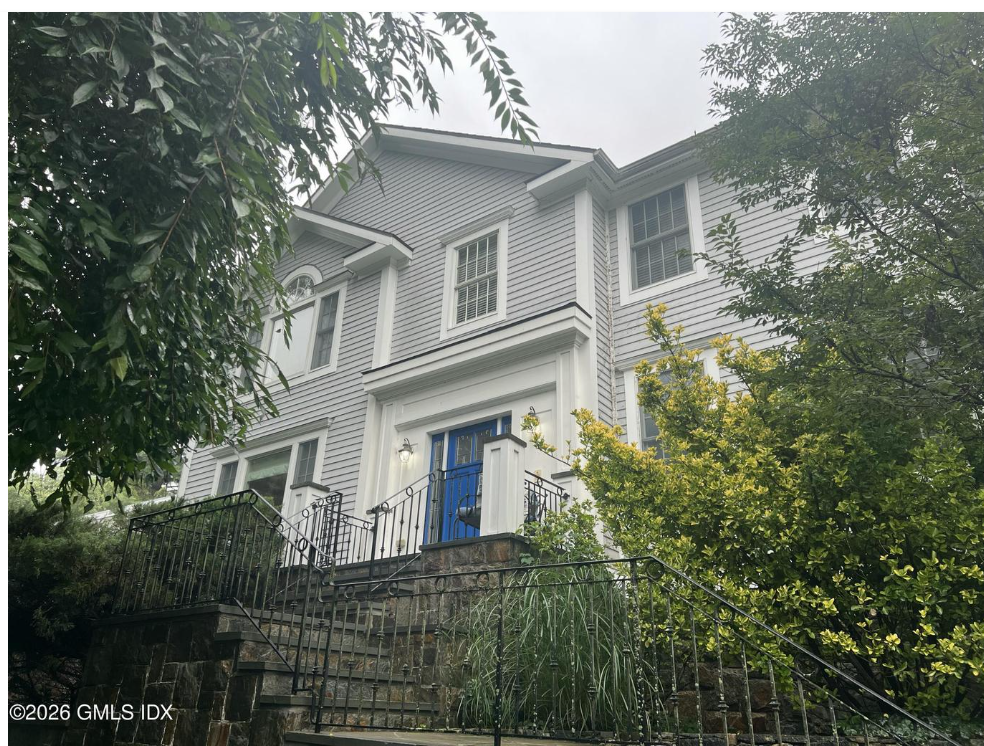
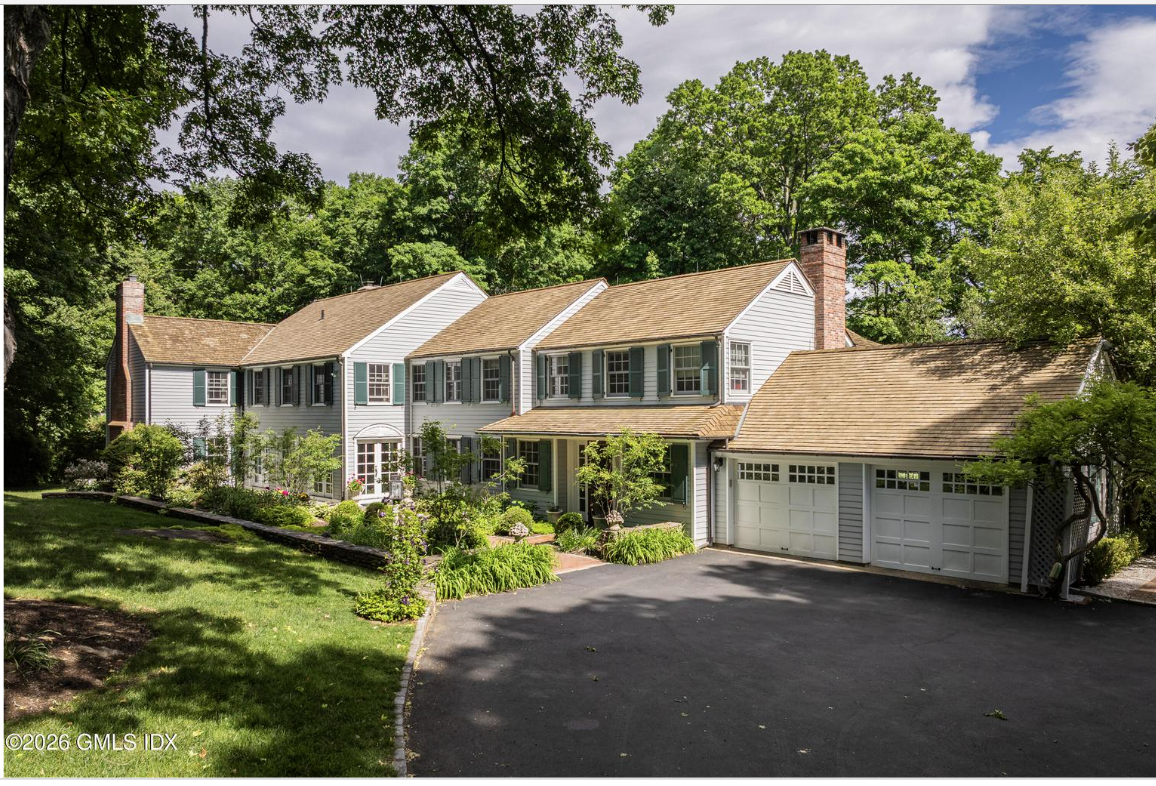
39 Stanwich Road, a beautiful 1900 house on almost an acre, was listed at $3.895 million last summer and has sold for $662,500 — 17% — less: $3,232,500. There are lots of reasons for a house to fail to fetch its asking price, the primary one being that the initial ask was too high, but I do wonder at the decision to install solar panels on the newish — 2024 — asphalt roof in 2026, presumably in contemplation of putting the house on the market. Was that part of the reason it failed to perform to their great expectations?
Start off with esthetics: the array of solar panels is located on the most visible part of the house, the side that greets potential buyers, and competes with the dormers that contribute to the architectural character of this home. So, rather than add to the home’s appeal, it detracts from it. The result is an expensive “improvement” that, to my eye, diminishes the appearance of an expensive house.
And that leads to my second point, the difference between economic value vs market value; the first generally adds nothing to home’s price, because buyers won’t pay for it. Residential buyers pay for what delights them, not necessarily for what saves them money. Early in my career, I dragged a bewildered couple down to the basement of a new house in Old Greenwich we were looking at to show them the beautiful, German manufactured Buderus gas furnace, which run at something like 98% efficiency. “Oh”, one of them asked in bored voice, “that’s very interesting — and how thick did you say the marble kitchen counters were?” I stopped spending much time pointing out energy-saving features in homes after that. A $30,000 kitchen upgrade can produce an emotional response (not in me) that a $30,000 mechanical upgrade never will. Never mind that the furnace will save thousands over its lifetime while the kitchen countertops save precisely nothing.
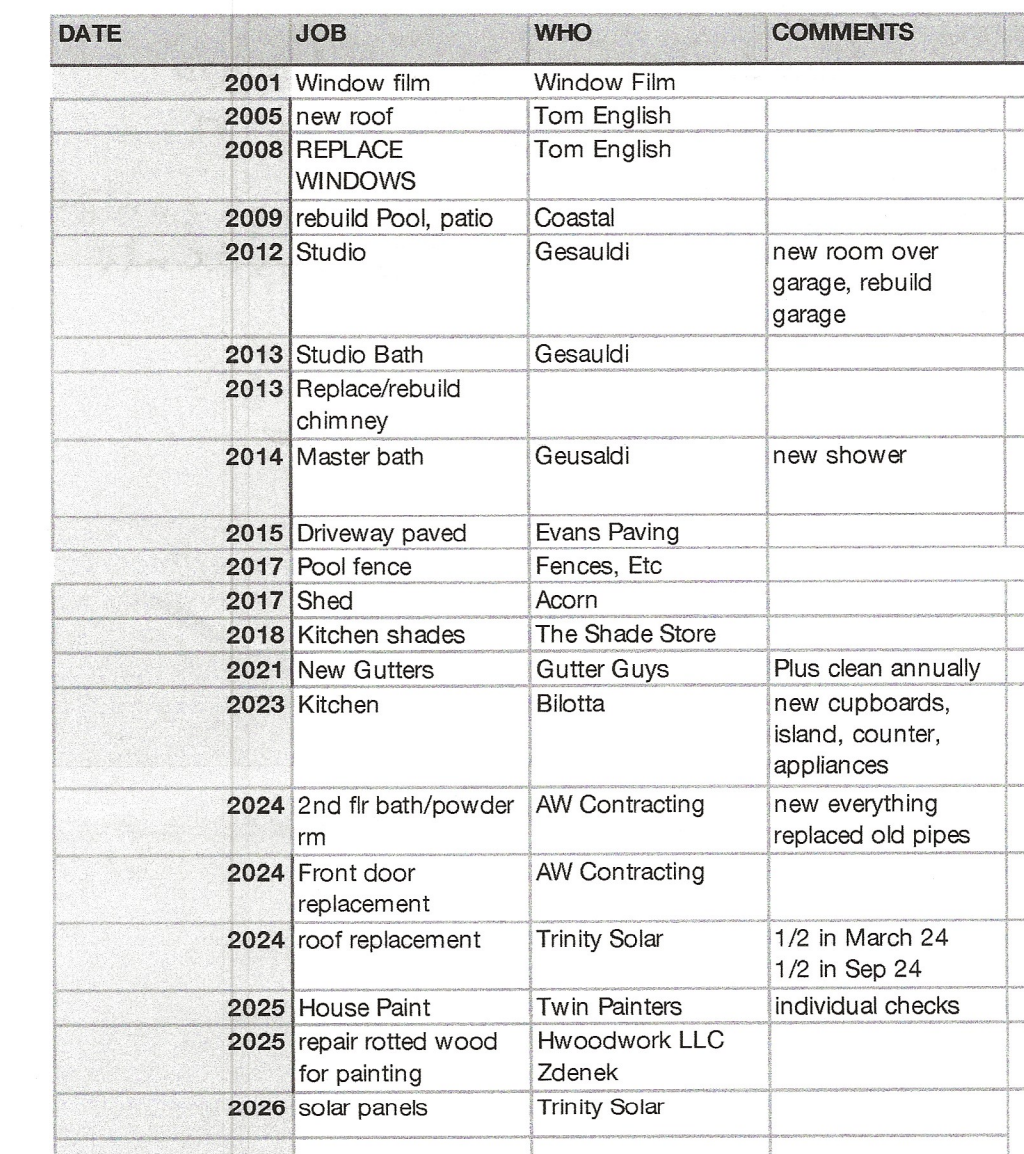
All of hwich brings up a third point: maintenance vs enhancements. Homeowners contemplating the sale of their house often believe that shelling out for a new roof or new chimney, both of which were done here, or a new furnace, new kitchen appliances, etc., is cash that will recouped upon sale: those are maintenance items, not improvements, and buyers rightfully expect mechanical systems to work. A new roof generally doesn't make buyers say, "Wonderful! I'll pay another $100,000!" Instead, an old, failing roof makes them say, "I'll deduct $100,000 for the inconvenience, uncertainty, and expense of replacing it." The takeaway: sellers get punished for deferred maintenance but are seldom rewarded proportionately for correcting it.
IMPROVEMENT LIST AS OF 2026: