"Forty acres and a mule" update: the crops have failed, the mule's dying, and other people's money has run out
/
Evanston's reparations program runs dry after high cannabis taxes backfire
The City of Evanston, Illinois' Reparations Committee issued $25,000 to 44 residents earlier this month in reparations' payments and is currently looking for other ways to keep the program funded.
Committee members have reportedly previously discussed the lack of revenue from their cannabis tax source, due to low sales at the two dispensaries in the city. "When you tax something at a high rate, customers are less likely to purchase that product and are more likely to identify alternatives," Tiffany Ingram, the executive director of the Cannabis Business Association of Illinois, told Fox News Digital on Wednesday.
"And so that's why you see customers going to other places like Michigan or Missouri, if they're close to the border, or purchasing products from the illicit market or purchasing alternatives like unregulated Delta 8," she said.
According to the city’s resolution, Evanston committed the first $10 million of the city’s Municipal Cannabis Retailers' Occupation Tax — a 3% tax on gross sales of cannabis — to fund the program.
Another way the program is funded is through the city’s Real Estate Transfer Tax Ordinance. According to a city memo, the fund had received $276,588 from Evanston’s real estate transfer tax.
The fund was primarily supported by the cannabis sales tax and real estate tax money, since there were no philanthropic donations this year as of Jan. 31, and it received $1,010 last year. Furthermore, the city reported $55,956.22 in donations to the Reparations Fund as of September 2024.
Evanston was the first city in the nation to pass a reparations plan, pledging $10 million over a decade to Black residents in November 2019. Established in 2019 and approved by the City Council in 2021, the program issues $25,000 direct cash payments to Black residents and descendants of Black residents who lived in Evanston between 1919 and 1969.
So far, 137 Evanston residents have received reparations payments totaling $3.47 million, and more are expected by year’s end, reaching 171 recipients with about $4 million allocated to direct descendants.
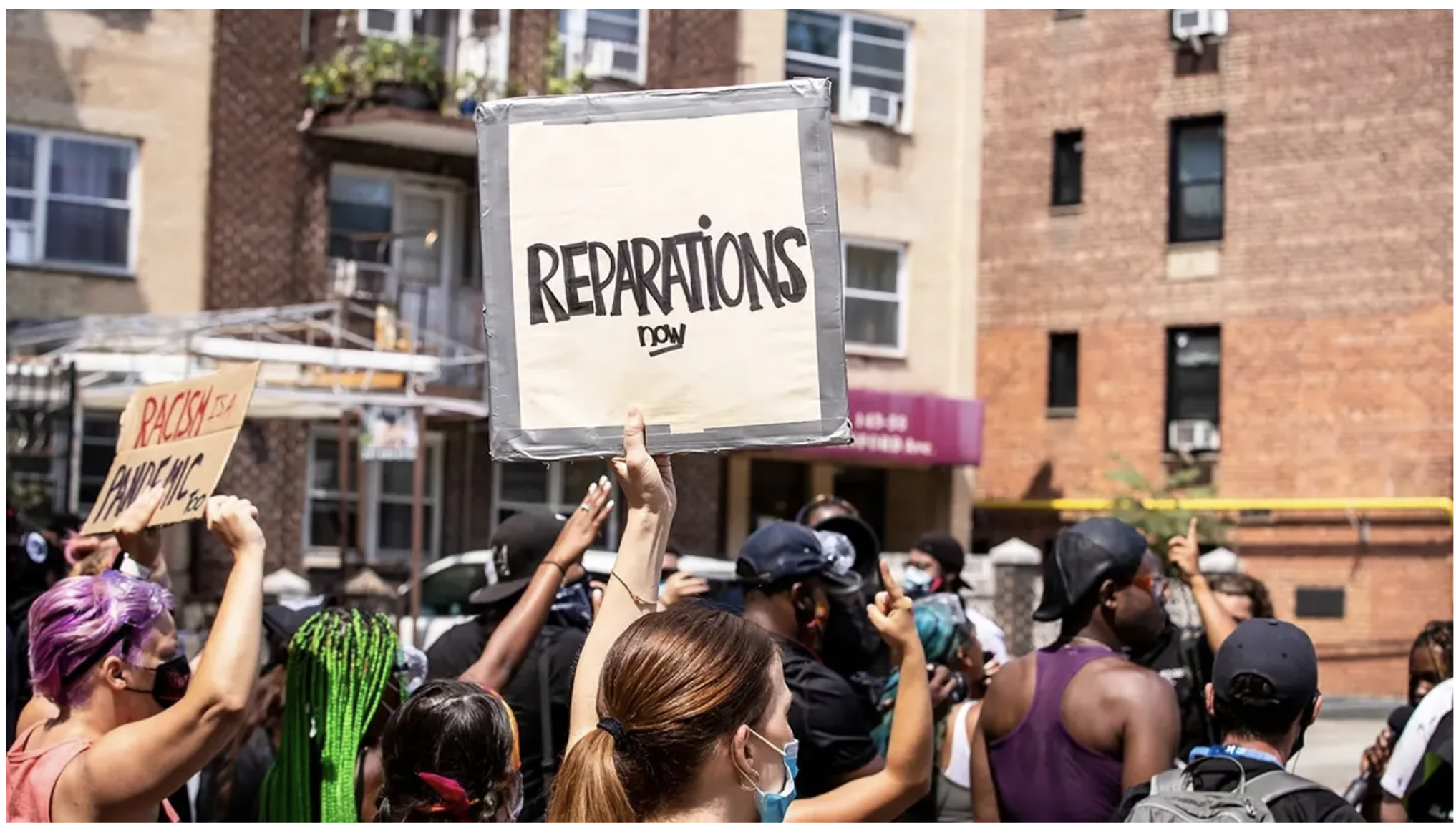
Every day is Jubilee Day in San Francisco, although it often rains