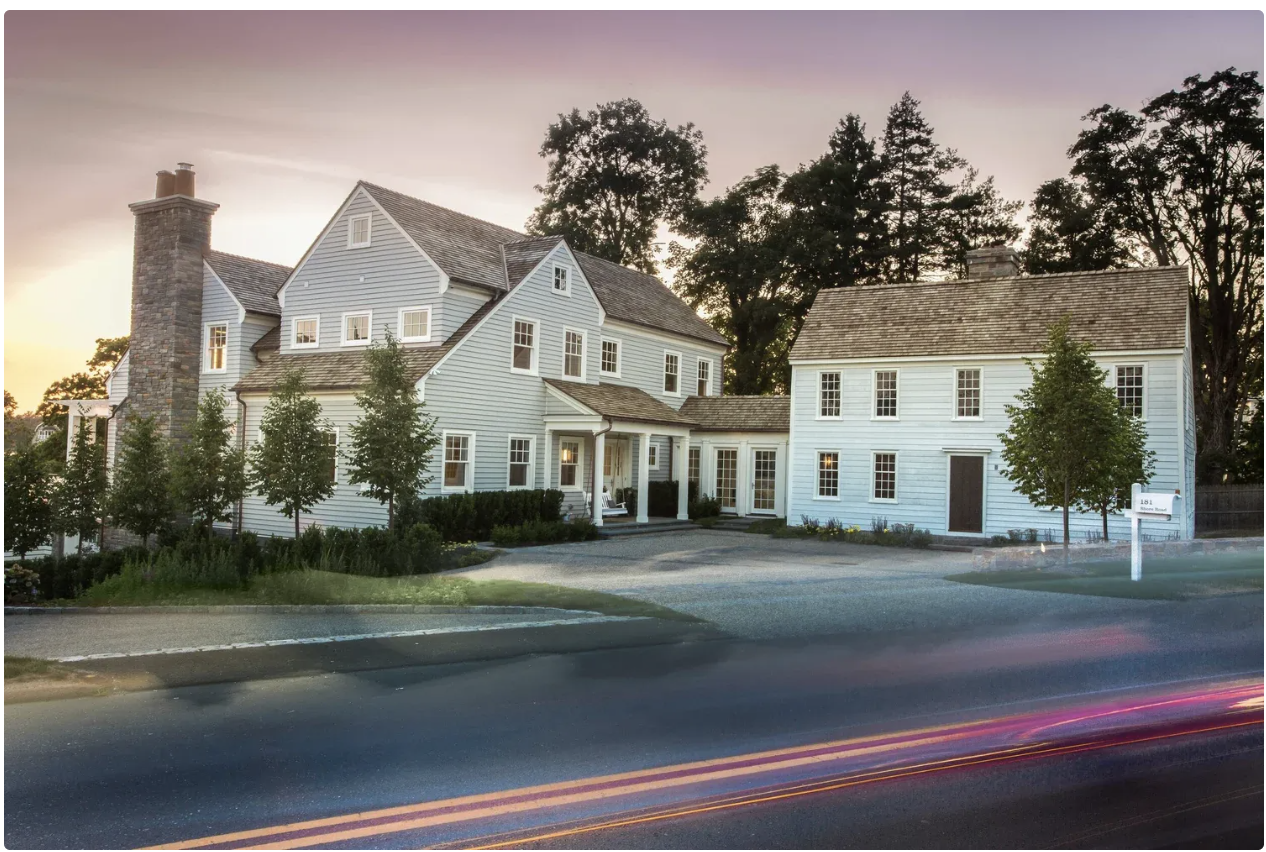
New on the market as a rental, but hardly new to Riverside
/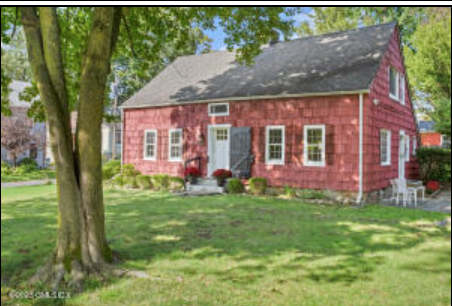
as it looked, pre-renovation, in 2024
1 Cary Road, $13,500 per month
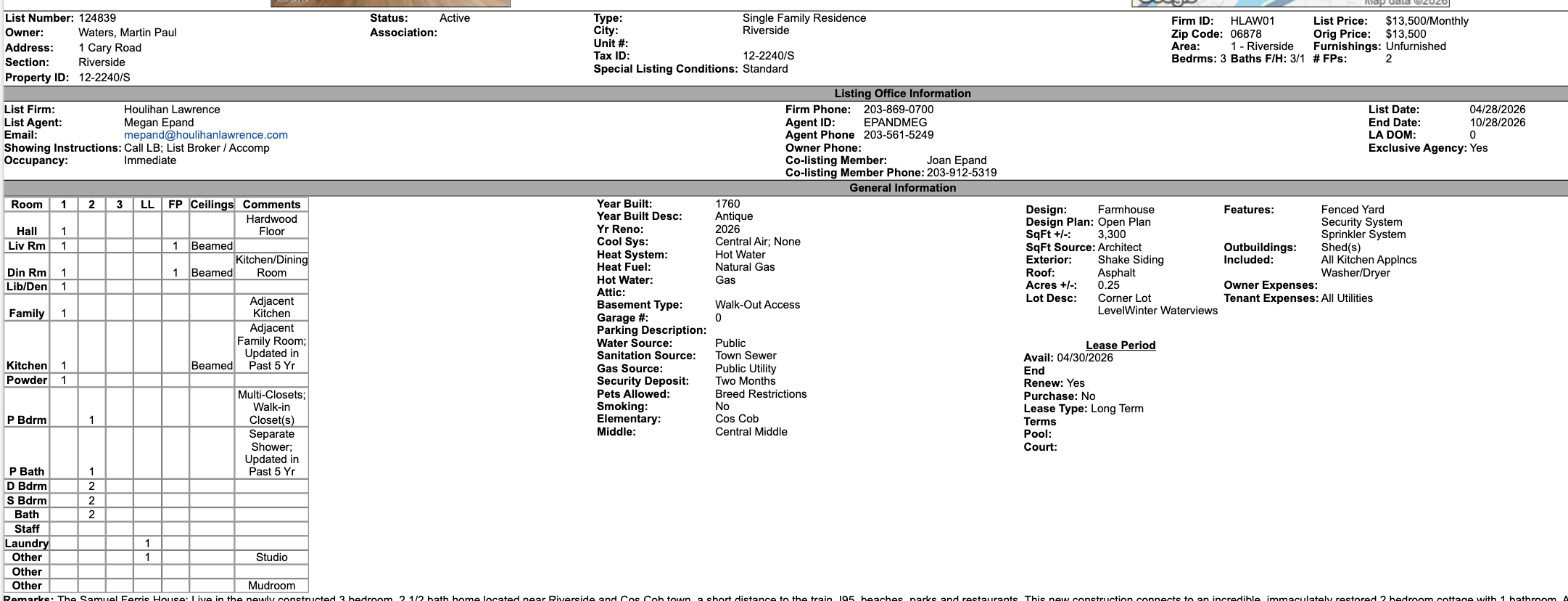
The Samuel Ferris House: Live in the newly constructed 3 bedroom, 2 1/2 bath home located near Riverside and Cos Cob town, a short distance to the train, I95, beaches, parks and restaurants. This new construction connects to an incredible, immaculately restored 2 bedroom cottage with 1 bathroom. Approximately 2100 Sq. ft of new space also includes additional storage space in the basement not included in this figure. Great flat yard and distant water views of the Mianus River. The guest cottage, which has been restored to near original condition, can be used as an office/ in law or guest suite with 1200 sq. ft distinguished as the oldest house in Riverside and one of the few remaining 18th century buildings on Putnam Avenue. The Samuel Ferris House (circa 1760) sits proudly with its storied history. Beamed ceilings, original wide floorboards and other charming Colonial features combine with the modernity of central AC and all new electrics and plumbing.
It’s sort of complicated, because a new addition has been added to the original home, and I couldn’t quite figure out how it all worked, so I asked Gideon, and he told me that my favorite antique property savior, Chris Franco (the houses are antique — Chris and his wife, Rachel are not), was involved in the project. Gid reached out to Chris, and here’s his reply in full, giving the history of, first, the Elizabeth Feake House at the entrance to Tod’s Point, and then Cary Road:
I’m publishing it here because it’s a great story and illustrates how old houses can be saved from the dumpster without resorting to simple, uncompensated confiscation as Los Angeles just did to the owners of a cottage Marilyn Monroe one spent six months in.
Chris Franco:
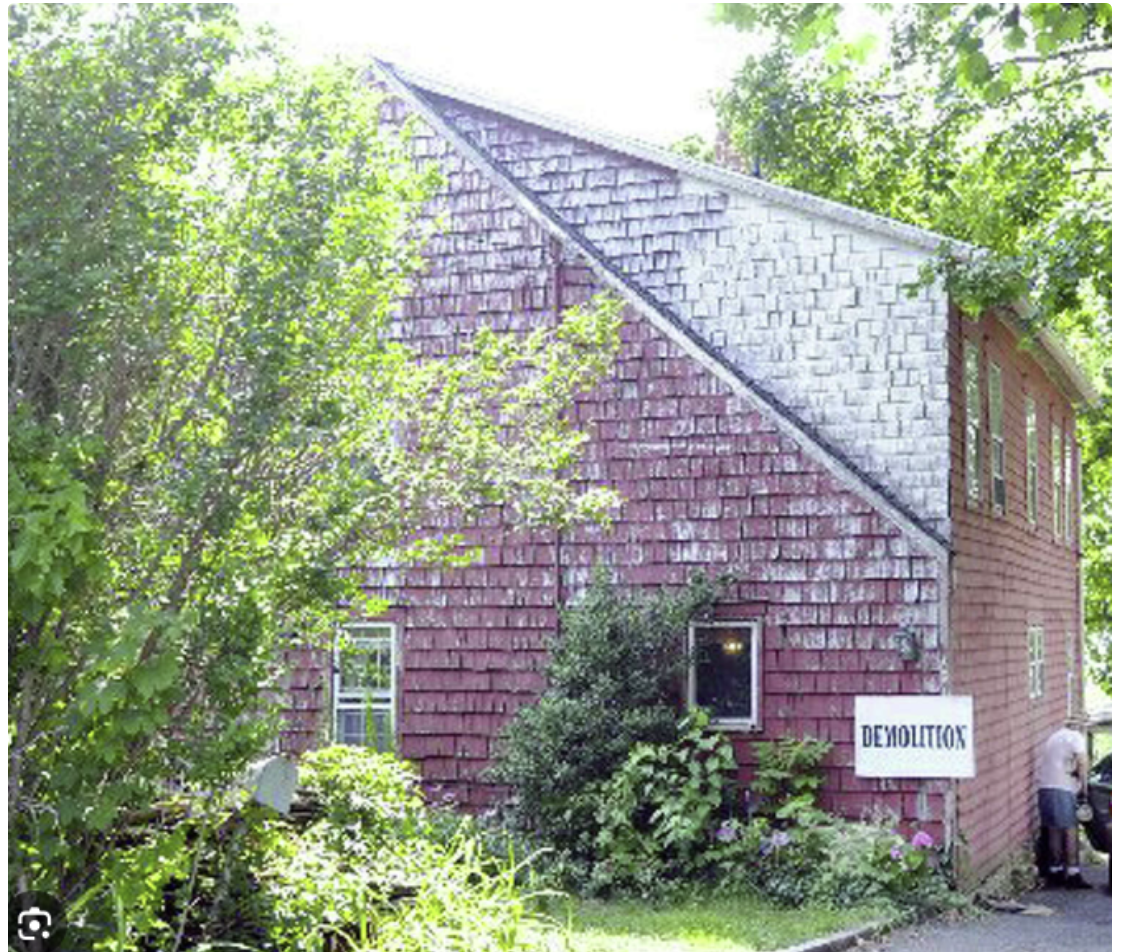
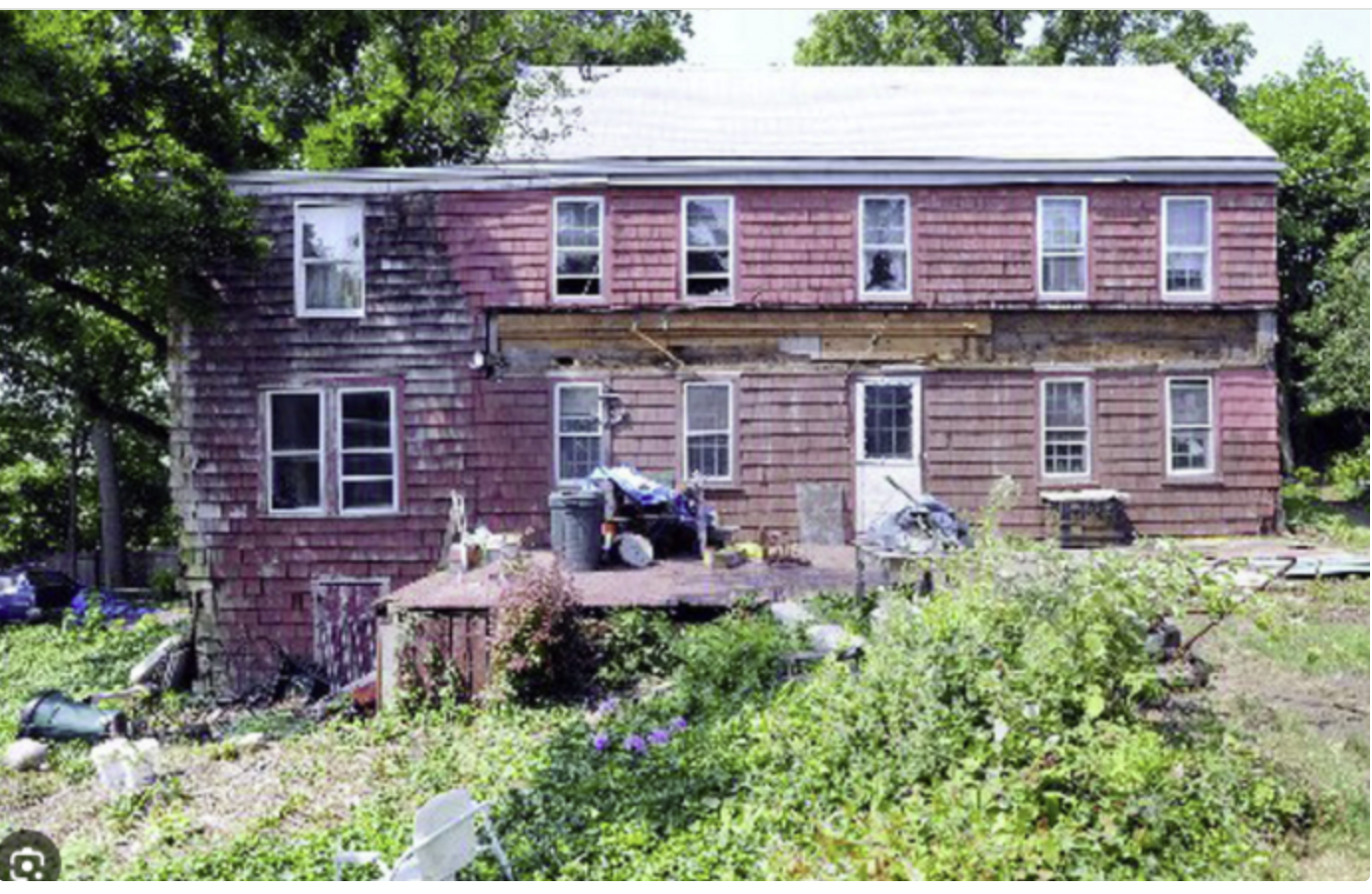
The Feake-Ferris house (c1645-1689), at 181 Shore Rd., was known by some of us old-timers to be a very old house. A few years back, it was purchased by Martin and Anna Waters, and it was posted for Demolition. The Greenwich Point Conservancy, the Greenwich historic District Commission, and the Greenwich Historical Society met with the sellers, and asked if we could do some work to ascertain the house’s provenance. Upon doing the research, we became aware that it could be one of the oldest houses in town. The Greenwich Point Conservancy retained the Columbia University’s Lamont Dougherty Earth Observatory, the top dendrochronology (dating old wood) team to date the house, and it was determined that the house was built between 1645 and 1689.
It was originally built by Elizabeth Winthrop Feake (the “Winthrop Woman”) and her husband, Robert Feake, who sold it to Jeffrey Ferris in 1650 when they left Greenwich. He died in 1666, and his son James Farris expanded the house to its present configuration in 1689.
The Greenwich Point Conservancy’s board decided that we would do whatever we could to save the house, as it was not only the oldest house in Greenwich, but also the first house in Greenwich, as it was Elizabeth’s house and she was one of the original signers of the town’s deed in 1640. It is noteworthy that the deed states that Greenwich Point was “the particular purchase” of Elizabeth in the original deed, and the Point was known for the first 250 years of the Greenwich history as “Elizabeth‘s Neck”
After the house was posted for demolition, the Greenwich Point Conservancy, its attorney, and Martin Waters and his attorney, met and discussed a way to save the house. Martin offered to novate transfer the purchase contract over to the Greenwich Point Conservancy, but we did not feel that we were able to take on having a museum house and the expenses associated with carrying it. So we entered into a Strategic Alliance Agreement between the Greenwich Point Conservancy and the Waters.
Under the agreement, the Greenwich Point Conservancy agreed to restore (and pay for the restoration) of the old house. Martin and his family would build a new house. The Greenwich point Conservancy retained design approval rights to the exterior of the new house , and Martin and Anna kindly hired the Greenwich Point Conservancy’s architect to design the new house.
This way we were able to attain a balanced design for the new house, with the old house. The strategic alliance agreement also provided that a preservation-easement be placed on the old house, and then it would be maintained and not modified in perpetuity. The agreement also provided that the Greenwich Point Conservancy would have the right to conduct a tour for the public of the old house on one weekend each year.
Thereafter the Greenwich Point Conservancy proceeded to complete the restoration of the Feake-Ferris house, and the Waters built their new house, and against all odds (in retrospect, what could go wrong!?) it turned out to be a fabulous partnership, where the parties end up better friends at the end than when the project started. The project/ home has been an enormous , and award-winning, success. The Greenwich Point Conservancy is deeply grateful that the Waters family trusted us to work on the house, and we all are so pleased with the result.
Fast forward, and the Samuel Ferris house on Cary Road became available. It had been purchased by a non-profit organization, Historic Properties of Greenwich, which is a preservation organization founded by Elise Green, and of which Chris Franco is a board member. After protecting the house with a Local Historic Property restriction (similar to a preservation easement) it put the property up for sale. Chris Franco reached out to Martin Waters, and asked if he would be interested in seeing the house. Long story short, Martin ended up purchasing the house, and executing a preservation project that was similar in spirit to what was done at his beautiful home on Shore Road in Old Greenwich. So now the Waters own the oldest house in Greenwich, which is the oldest house in Old Greenwich, as well as the oldest house in Riverside.
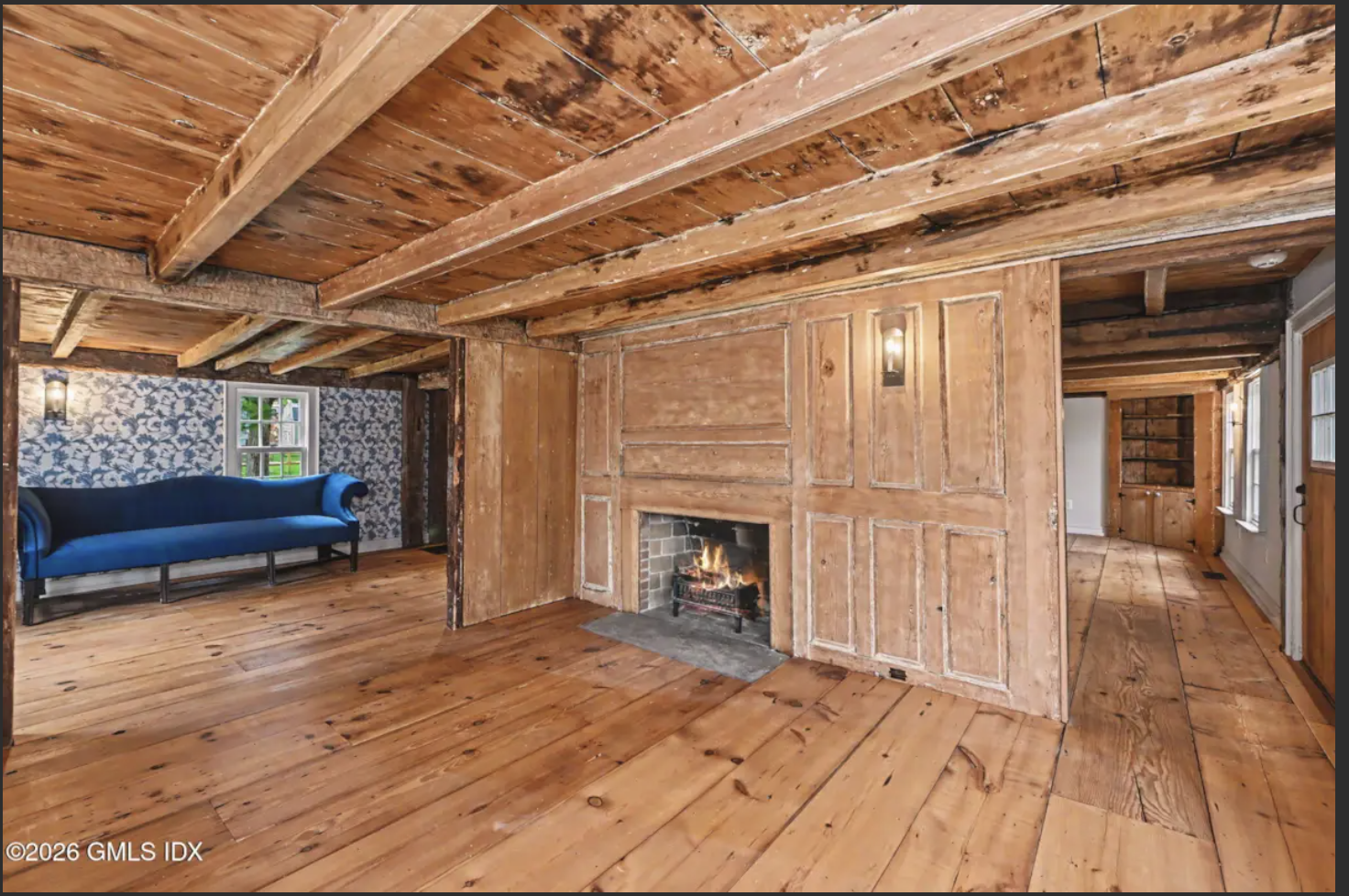
as preserved, 2026
UPDATE: Ct Tempest sends along these photos of the Elizabeth Feake House before it was rescued:
And Susie sends this: