Co-Op City woes
/
(Spoiler alert: monthly maintenance fees for a 1-bedroom apartment in this moderate-income “affordable housing” project will jump from $900 to $4,000)
Co-op City: What It Looks Like When Energy Reality Catches Up To You
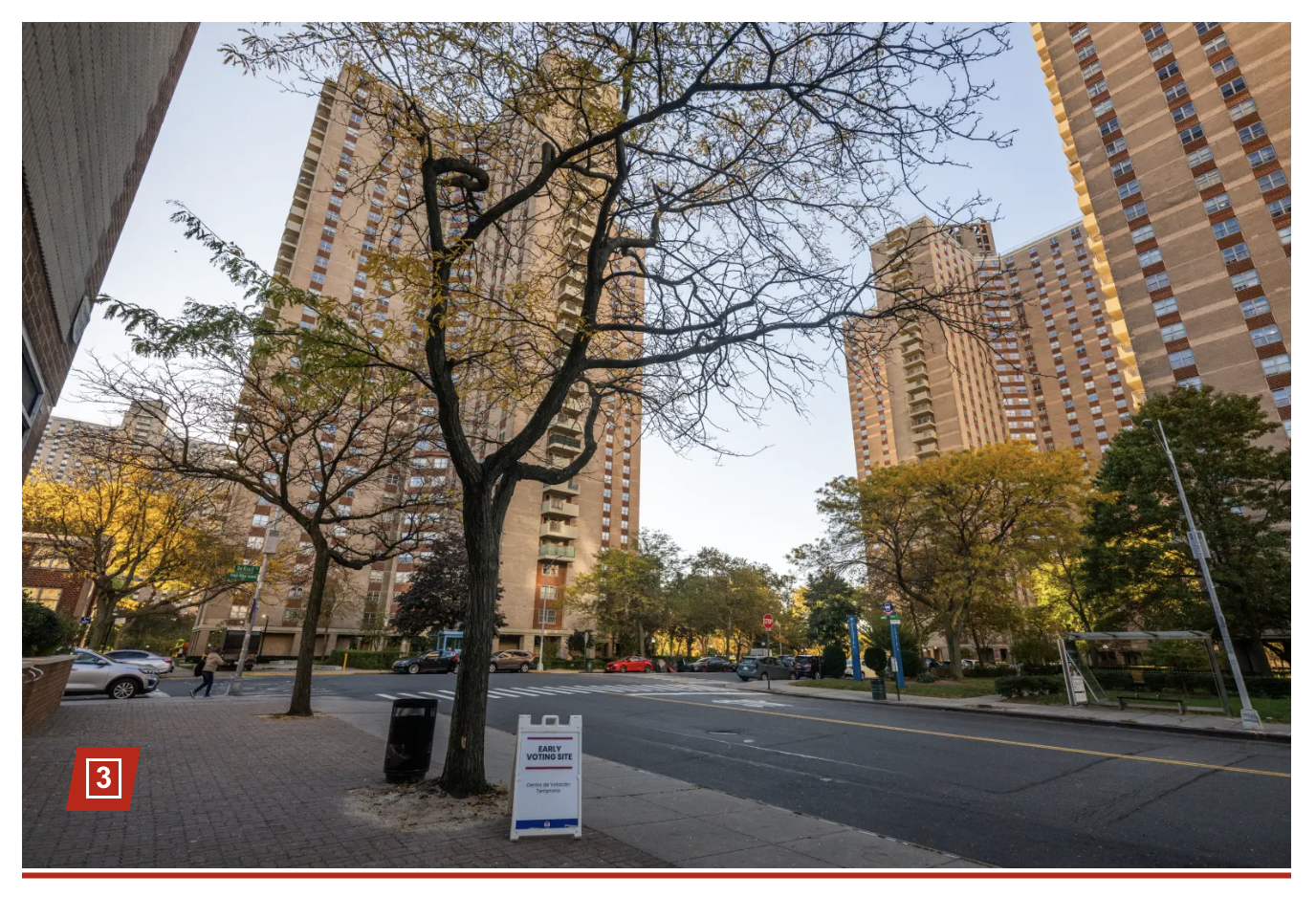
Co-op City, located (like the Yankees) in the New York City borough known as The Bronx, is the largest co-op apartment community in the City, and indeed in the United States. Built in the 1960s and 70s, it has more than 15,000 residential units in some 35 high-rise buildings, plus a smaller number of townhouses.
…. [It] has now suddenly become ground zero in the clash between energy fantasy and reality that is starting to come into focus as the deadlines of the State’s and City’s 2019 climate statutes start to get closer. The New York Post reports on the reality side of the story in a large piece today with the headline “NY’s climate mandates may send fees in affordable Co-Op City complex soaring from $950 to $4K.”
Meanwhile, over on the reality side of the equation, at Co-op City, they are confronting the actual costs compliance with the impending and overlapping mandates of both the State’s and City’s climate statutes. Co-op City is an owner-occupied community, so the costs of compliance will fall on the owner-occupants. The racial demographics of the community, per NICHE.com, are: 64% African-American, 28% Hispanic, 4% white, and 4% other. [*] So this is not exactly your vision of the snooty Park Avenue Manhattan co-op. Co-op City currently has its own power plant — fueled by natural gas — that provides all the electricity for the complex, as well as heat, hot water, and air-conditioning. Monthly maintenance bills to the owners, which include the cost of energy, currently average about $950 for a one-bedroom unit.
Co-op City’s current fossil fuel power plant is apparently quite efficient, but not enough so to meet the impending deadlines of New York City’s Local Law 97 [and the state’s Climate Leadership and Community Protection Act of 2019] Co-Op City will be forced to shut down its natural gas power plant and replace it with carbon-free clean energy sources such as wind, solar, hydropower and battery storage. They have now done studies on the prospective cost of that, and the Post reports on the results in today’s piece. Excerpt:
A top Co-Op City official warned that residents could pay four times more in monthly maintenance charges if New York State’s controversial green-energy laws aren’t peeled back. Jeffrey Buss, Co-Op City’s general counsel, claimed monthly maintenance fees could skyrocket from $950 for a one-bedroom to more than $4,000 to pick up the tab for the edicts. . . . [T]he state’s Climate Leadership and Community Protection Act of 2019, coupled with a city green energy law [Local Law 97], would force Co-Op City to shut down its natural gas power plant and replace it with carbon-free clean energy sources such as wind, solar, hydropower and battery storage, [Buss] said.
So between the costs of the electric heat conversion, closing their own efficient power plant, and buying lots of additional electricity from Con Edison, they project that the residents’ monthly maintenance costs will multiply by about a factor of four, from under $1000 per month to about $4000. Apparently that’s what the PSC commenters think of as “affordable.”
Co-op City has looked into building “renewable” resources to replace its natural gas power plant, but has figured out that that is completely infeasible:
Buss said it is technologically impossible for Co-op City to completely replace its gas-fueled plant with cleaner energy sources. He said renewable, fossil-free energy sources such as solar, wind, or geo-thermal energy aren’t capable to meet the heating, cooling and electrical demands of Co-Op City. “Although our co-generation turbines can run on 30% hydrogen,” Buss said, “there is no hydrogen supply…I don’t know the solution.”
They do have a plan to install solar panels on top of the parking garages, but those will be capable of providing only a small percentage of their power needs:
Co-op City is diversifying by installing solar panels on top of its garages, which would result in the largest urban solar project in the US. But solar energy would only meet a fraction of Co-op City’s power needs, he said.
Buss’s conclusion: complying with the impending State and City energy mandates would be “foolish.”
*Interesting; when built, its demographics were 70% white (mostly Jewish), 30% other.