Hollywood can't fail fast enough
/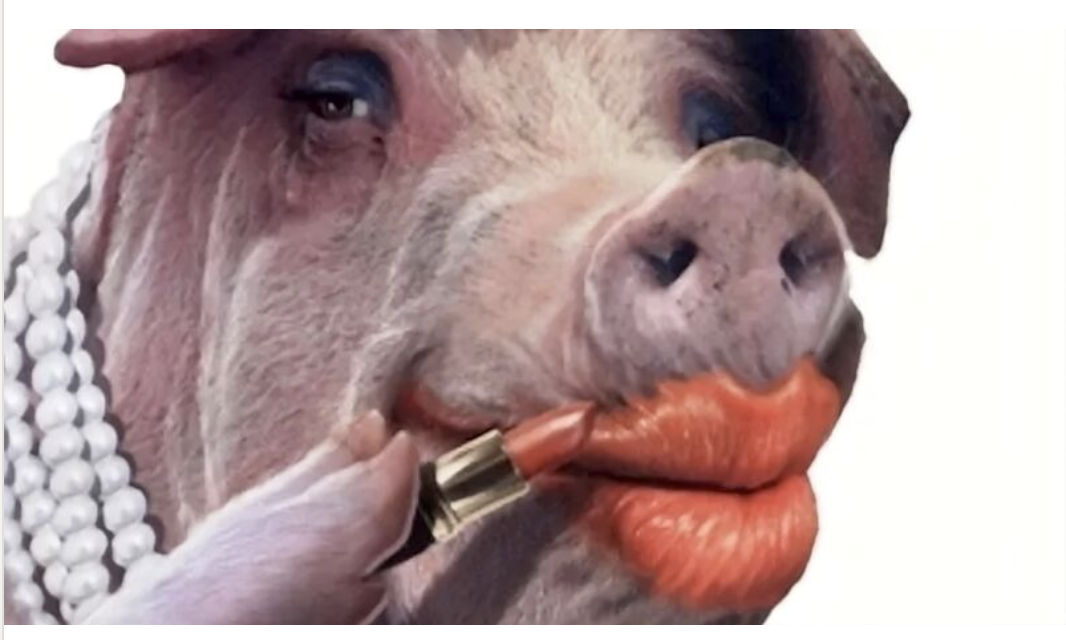
Animal Farm Gets Ideological Rewrite as New Film Blames Capitalism Instead of Communism
A new animated adaptation of George Orwell’s Animal Farm is drawing fierce backlash after it was revealed the film shifts the story’s core message away from communism and toward a critique of capitalism. The controversy has ignited a broader debate over Hollywood’s growing habit of rewriting classic literature to fit modern ideological preferences rather than honoring original intent.
The film, directed by Andy Serkis, takes Orwell’s famously bleak political allegory and reshapes it into a family-friendly animated feature complete with slapstick humor, futuristic elements, and — most controversially — a hopeful ending. For many readers and longtime fans of the novel, that change represents more than creative license. It represents a fundamental misunderstanding of what Animal Farm was written to warn against in the first place.
Orwell’s Original Message Was Never Subtle
First published in 1945, Animal Farm was Orwell’s scathing allegory of the Russian Revolution and the rise of Soviet totalitarianism. The animals overthrow their human owner in the name of equality, only to watch the pigs become even more oppressive than the humans they replaced.
The story was not ambiguous. Orwell was critiquing how revolutionary movements rooted in collectivist ideology inevitably collapse into corruption, propaganda, and authoritarian control. The pigs were not misunderstood heroes. They were the point.
That clarity is precisely what critics argue has been lost in this new adaptation.
Turning Capitalism Into the Villain
Rather than focusing on the pigs’ abuse of power, the new film reframes the central conflict around capitalism itself. The animals are now depicted fighting to save their farm from corporate exploitation, represented by a new human antagonist named Freda.
Freda is portrayed as a greedy businesswoman attempting to seize control of the farm for profit. The character is voiced by Glenn Close and is explicitly positioned as the story’s true villain, replacing the original novel’s focus on internal tyranny.
This shift has not gone unnoticed. Viewers reacting to the trailer online have pointed out that the story now appears to suggest communism “works” — at least until capitalism interferes. For many, that reversal turns Orwell’s warning on its head.
A “Happy Ending” That Undercuts the Warning
Adding to the controversy is the film’s optimistic conclusion. In Orwell’s novel, the animals ultimately fail. The pigs become indistinguishable from the humans, and the revolution is revealed as a tragic cycle of power and betrayal.
In contrast, the new adaptation ends with the animals overthrowing the pigs and planning a brighter future together.
On the other hand, Stephen Green says that my hope’s already been realized:
Who Killed Hollywood? Or Did it Kill Itself?
"The Hollywood industry is dying," comedian David Spade told Fly on the Wall cohost Dana Carvey last week, specifically calling out California Gov. Gavin Newsom and L.A. Mayor Karen Bass.
California and L.A. stopped competing for big-ticket productions, which is why studios decamped to Georgia, the U.K., and, yes, even Romania. But there's more to the story than just California's business-hostile environment driving filming out of state.
Whether filmed in Los Angeles or Timbuktu, Americans increasingly won't buy what Hollywood sells.
Netflix largely produces "second screen" content that people kinda-sorta watch while scrolling on their phones, and will pay for on an all-you-can-eat basis. But streamers produce very little that would otherwise draw people into theaters. What struck me most about Project Hail Mary — which hit the big screen on Friday to great reviews and awesome ticket sales — is how rare that kind of good-natured hit film is.
I hope Project Hail Mary goes on to earn a gazillion dollars, and maybe even remind Hollywood that you don't need capes, a sequel, or a reboot to produce a winner. Just a really good story that almost anyone can enjoy will do. We still love going to the movies, but Hollywood only sometimes remembers anymore how to get us to go.
Alas, the summer slate is filled — you guessed it — capes, sequels, and reboots. And, of course, more second-screen algorithm-pleasing slop from the Netflix content firehose.
The view from Flyover Country is that Hollywood committed suicide, and that Newsom and Bass just added a few shovels of dirt on top of the coffin.
I was last in a movie theater two years ago, when I took two friends to see a special, limited-run re-release of Blazing Saddles on its 50th anniversary. Two of us had seen it several times over the years, the younger friend never had; all three of us agreed afterward that it could never be made today (Mel Brooks said the same thing years ago) and that’s sad.
However, and based on the recommendation of CT Tempest, Mikki and other readers, I’m going off today to see “Project Hail Mary”. Hollywood won’t care whether or not it fills a seat with my aging butt — I’m not the demographic — but maybe it should have, before it went woke.
There is something tremendous about Project Hail Mary where it's incredibly kid-friendly, but it's not a kids movie. It's the rare adult entertainment that kids can engage and they'll never feel like it is talking down to them. https://t.co/xTHc3aFCaG
— PoIiMath (@politicalmath) March 22, 2026