Beware the shifting Overton window
/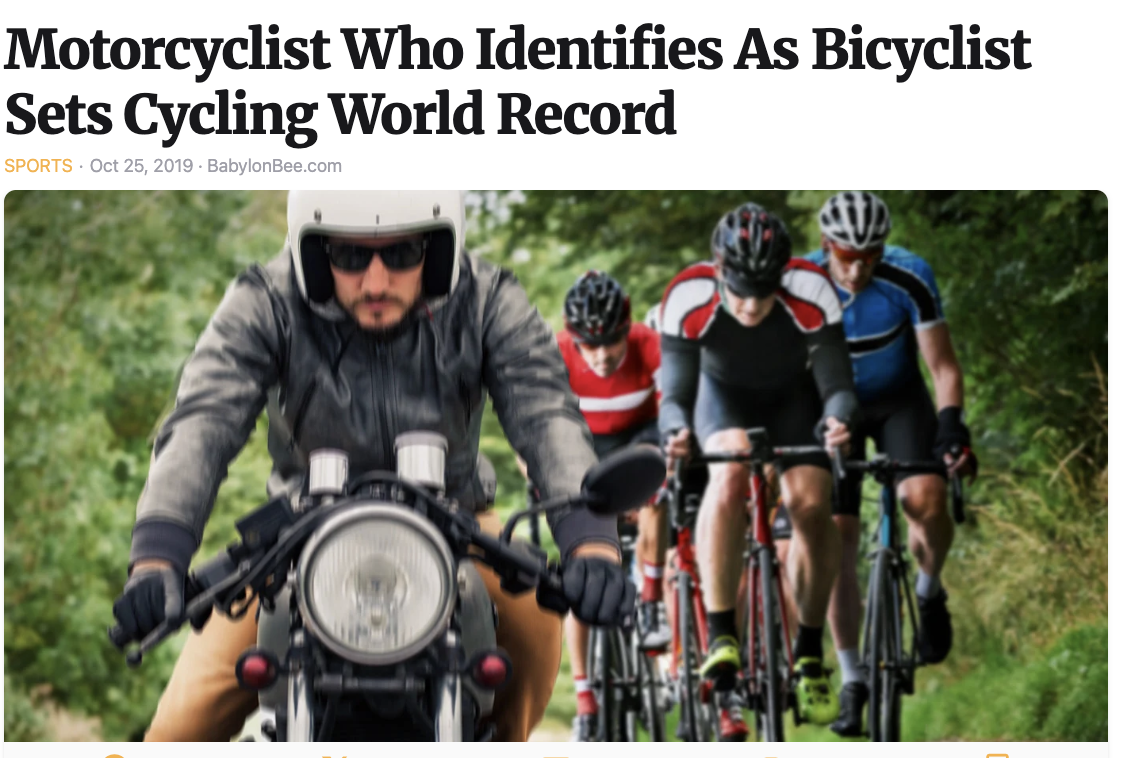
Vermont Republican State Senator Worried That People Identifying As Animals May Skirt Proposed Bestiality Law
Vermont case reminiscent of Maine middle schoolers identifying as cats.
As Vermont’s state legislature considers expanding the range of sexual activities considered bestiality, an alert GOP senator sees the handwringing on the wall.
During a recent legislative hearing on the proposed bill, Sen. Steven Heffernan, R-Addison, raised fears the measure may simply be a veiled excuse for Therians to escape prosecution.
“In these crazy times, what happens if the individual identifies as an animal having intercourse with an animal?” Heffernan wondered aloud. “How are the courts going to handle that?”
Renee McGuinness, policy analyst for the Vermont Family Alliance, said Heffernan isn’t far off in his skepticism.
“Sounds cray-cray, I know,” McGuinness wrote in an op ed for the Vermont Daily Chronicle.
But she said current legal reproductive rights and an upcoming election on an equal-rights amendment in Vermont make the question worthy of consideration.
“Would the state have the legal legs to enforce its own bestiality laws if a Therian sued the state for its right to engage in sexual activity with an animal?” McGuinness asked rhetorically.
A growing number of children identify as Therians, aka animals, according to an article in Mamamia, a publication and podcast in Australia, that McGuinness highlighted.
“According to the article, adults with psychology degrees advise parents to encourage their Therian-identifying children to explore their animal identity,” she said. “If a minor identifies as an animal, would they also be exempt from Vermont’s bestiality laws which apply to humans, not animals?
“What if both an adult and a child identify as animals? Would Vermont’s bestiality laws apply to them as a couple?
“If schools are encouraging students to explore their sexual identity through kindergarten classroom books and Vermont Agency of Education’s LGBTQ+-inclusive sex education, are some school personnel also encouraging students to explore their animal identity?”
Heffernan said he’d reluctantly vote for the bill, H.578, “but I wanna make this chamber aware of what’s coming.”
AI Overview
The Overton Window is a political theory describing the spectrum of policies and ideas that the public finds acceptable at any given time. Politicians can generally only support ideas within this "window" without risking their careers. Ideas outside this range are considered "unthinkable" or "fringe".
Who Created It?
The model was developed in the mid-1990s by Joseph P. Overton, a senior vice president at the Mackinac Center for Public Policy. He created it to illustrate how think tanks, advocacy groups, and intellectuals can influence public policy.
The Degrees of Acceptance
Political commentator Joshua Trevino expanded Overton's concept by breaking down political acceptability into six distinct degrees, moving from least to most acceptable: [1, 2]
Unthinkable: Ideas completely outside mainstream discourse and culturally rejected.
Radical: Ideas outside of mainstream debate, but openly discussed by activists or fringe groups.
Acceptable: Ideas where public pushback lessens, entering everyday conversation.
Sensible: Ideas viewed as rational or logical, even if not yet fully backed by the majority.
Popular: Ideas broadly accepted and supported by society.
Policy: Ideas that have been translated into active laws or government action. [1, 2,
How the Window Shifts
The window is not static; it moves, shrinks, and expands over time based on societal norms, values, and deliberate political advocacy. [1, 2]
Gradual movement: Think tanks, media, academics, and grassroots activists publish research, frame debates, and repeat specific stories to make once-radical ideas seem normal over time.
Extreme anchoring: By aggressively advocating for extreme positions, activists can make slightly less radical or moderate policies seem perfectly sensible and acceptable by comparison.
External events: Wars, economic shifts, or viral cultural moments can rapidly move the window in ways no one plans. [1, 2]
Examples in Society
Same-Sex Marriage: In the late 20th century, the idea was widely considered unthinkable or radical in the mainstream political arena. Decades of activism and shifting societal norms caused the window to shift, making it a popular policy and a legally acceptable reality.
Marijuana Legalization: What was once considered taboo became gradually shifted into "acceptable" and "popular," leading to legalization in many regions across the globe.
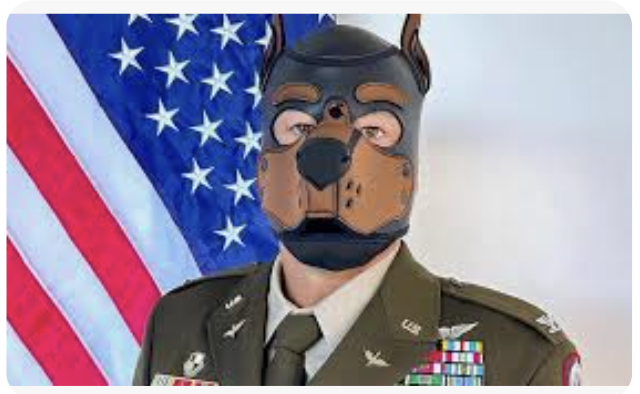
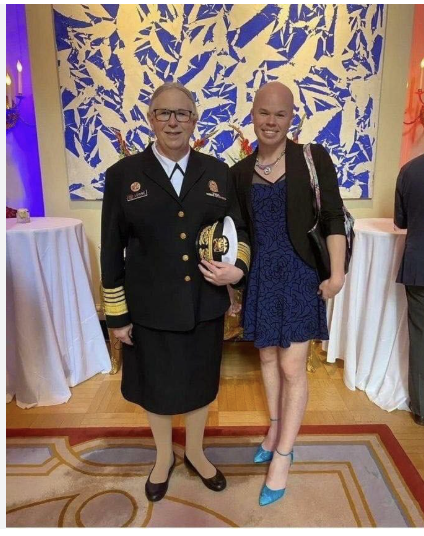
Interesting that Google AI doesn’t include the biggest shift, boys who think they’re girls.