Disbarment for Miko, jail time for all
/
hard landing in denver
MASSIVE SCANDAL UNFOLDING IN DENVER
— Libs of TikTok (@libsoftiktok) June 26, 2026
You will want to read to the end. Absolutely shocking corruption and coverup.
Denver City Council blocked Denver International Airport from leasing space to Key Lime Air, because the airline worked with ICE.
There was just one problem…
It… pic.twitter.com/a3RGMmgya6
Denver City Council blocked Denver International Airport from leasing space to Key Lime Air, because the airline worked with ICE.
There was just one problem… It violates FAA rules.
So what did they do? City attorney Miko Brown allegedly urged the airport to fabricate an investigation into the airline’s safety record to cover up for illegally discriminating against the airline for political reasons.
When word got out, Brown and Mayor Mike Johnston flat out denied it. However CBS just obtained an internal airport memo appearing to reveal the entire thing was true.
City officials conspired to discriminate against a private company for political reasons then lied about it to cover it up
The Justice Dept should investigate.
Here’s the CBS report:
Internal Denver International Airport memo appears to corroborate claims city officials called false
By
Brian Maass
Updated on: June 25, 2026 / 6:50 PM MDT / CBS Colorado
An internal Denver International Airport memo obtained by CBS Colorado appears to corroborate key details of a closed-door meeting that city officials have been publicly disputing.
The memo, written days after a January 6 meeting among city and airport officials, documents a conversation at the center of a federal lawsuit filed by a former airport attorney. That lawsuit, in part, accuses City Attorney Miko Brown of pushing airport officials to investigate a charter airline's safety record -- not because of genuine safety concerns, but to create legal cover for a city council vote that put $90 million in federal grant money at risk.
The dispute over Key Lime Air
The episode began with a routine-seeming request. Key Lime Air, a charter air service, sought to lease 1,200 square feet of office and storage space at the airport last year — the kind of agreement Denver International Airport regularly enters into with airlines.
But the Denver City Council voted overwhelmingly against the lease last December, after learning Key Lime Air had contracted with federal immigration authorities to transport detainees.
That vote created a legal problem. Federal Aviation Administration rules bar cities from treating airlines unequally, and the council's action put $90 million in federal grant funding in jeopardy, according to one council member.
According to multiple sources with direct knowledge of the matter, City Attorney Brown attended a meeting on January 6 with the airport and Mayor's Office officials to address the fallout from the council vote. Attendees included airport Chief Executive Phil Washington, airport attorney Everett Martinez, the mayor's interim chief of staff Emily Garnett, and other senior airport and mayoral staff.
A lawsuit and a denial
What happened in that meeting might never have become public, except that Martinez was later placed on administrative leave and filed a federal lawsuit against the city in March. According to the suit, Brown suggested at the January meeting that Denver International Airport investigate Key Lime Air's safety record -- not because of legitimate concerns, but to retroactively justify the council's vote. Martinez said Brown was effectively asking the airport to fabricate an investigation, calling the proposal likely illegal and unethical.
When CBS Colorado asked Mayor Mike Johnston's office about the lawsuit in March, a spokesperson answered it as coming from "a disgruntled employee" and said, "The city attorney did not say the things listed here. No one called for a fake investigation on Key Lime."
The following day, Brown sent a memo to her own staff stating "The alleged claims are untrue."
The memo
Last month, CBS Colorado obtained an internal airport memo written by Martinez on January 13. The memo was sent to the Denver airport's vice president of airline affairs, who signed off on it -- an acknowledgement that the executive considered it an accurate account of what was said. The memo names all eight people who attended the meeting.
According to the document, Brown told airport officials: "Well you all should investigate Key Lime yourselves. If the FAA comes knocking, I want to be able to have in my back pocket that council was also voting because of safety issues but ran out of time to get to talking about that before voting."
Two sources familiar with the memo confirmed both its existence and its accuracy to CBS Colorado.
The memo also states that Denver International Airport lawyer David Steinberger met with Brown again on January 9, and that she wanted him to once more raise the safety scrutiny she had recommended at the first meeting. It further recounts that Brown emailed Steinberger with "continued questions about investigating Key Lime's safety record" after the January 6 meeting, and " told him to relay to the group that they should continue considering safety violation inquiries into the Key Lime." According to the memo, Brown told Steinberger that "a bad argument is better than no argument."
Legal questions
Denver attorney Steven Zansberg, who specializes in First Amendment law reviewed the memo, the timeline of events, and the city's denials. He said the memo appears to document an attempted scheme that ultimately did not move forward.
"It does appear to be a plot, a scheme, to generate information after the fact to justify an improper decision by the city council," Zansberg said.
Zansberg said it is the denials -- not the original proposal -- that create the greater liability for the administration.
"There's obvious political exposure for being caught red-handed in an outright lie," he said. Asked whether the memo amounted to officials being caught in that position, Zansberg said: "It certainly appears so from the memo."
He said unresolved questions remain about how far up the chain the matter went.
"How high up did it go? The mayor? Was the mayor aware, and who else in the mayor's office -- who knew and who authorized a categorical denial?" he said.
Were it still Biden’s DOJ, we’d never know; as it is, perhaps we will. Fun times.
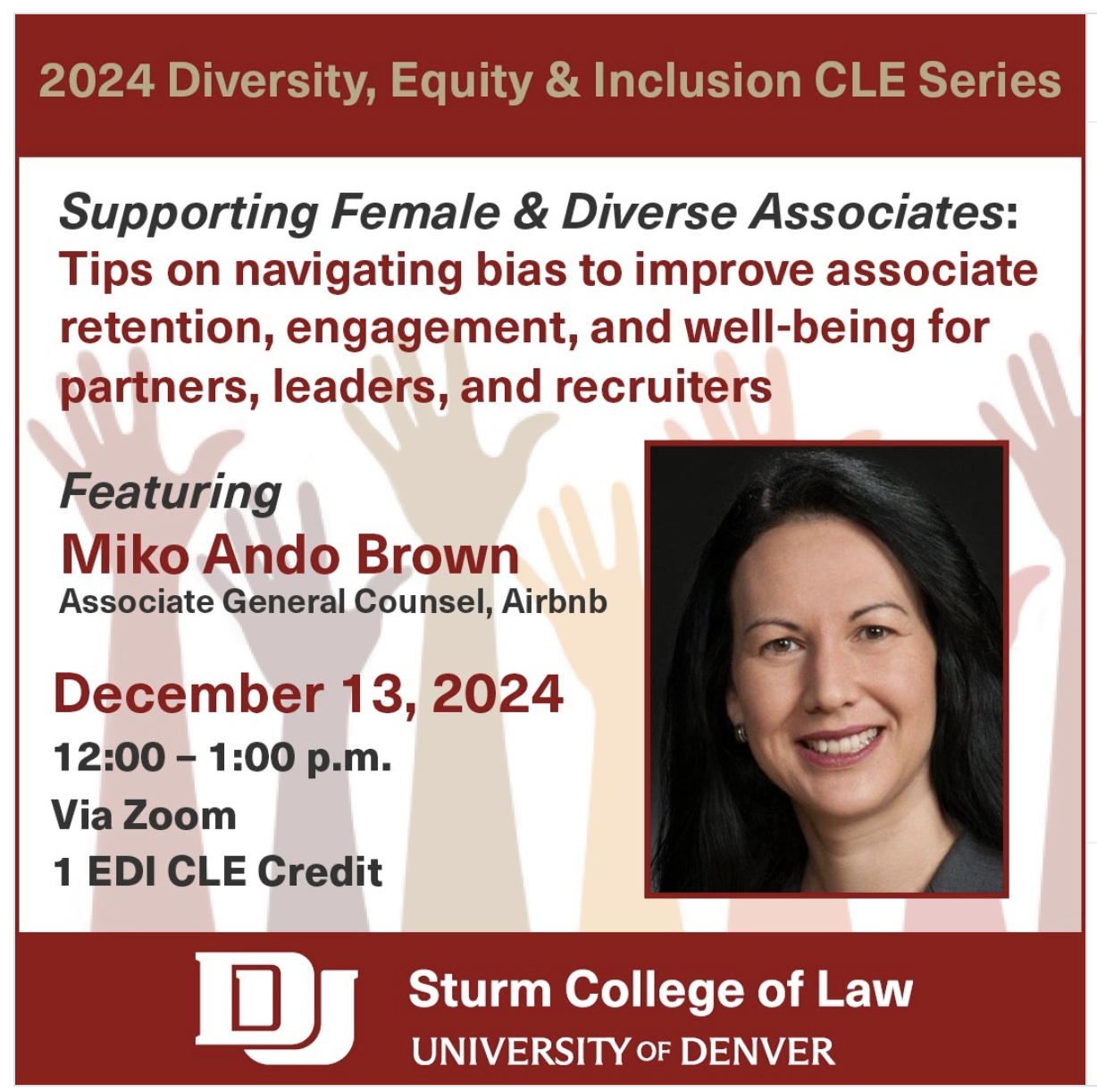
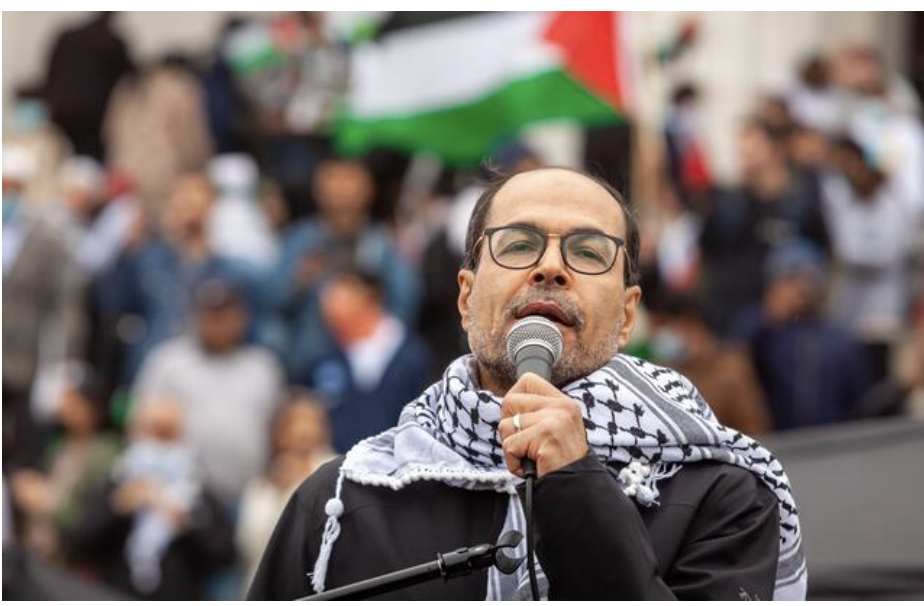
Here’s Miko Brown from a few years ago, lecturing on, what else, DEI: