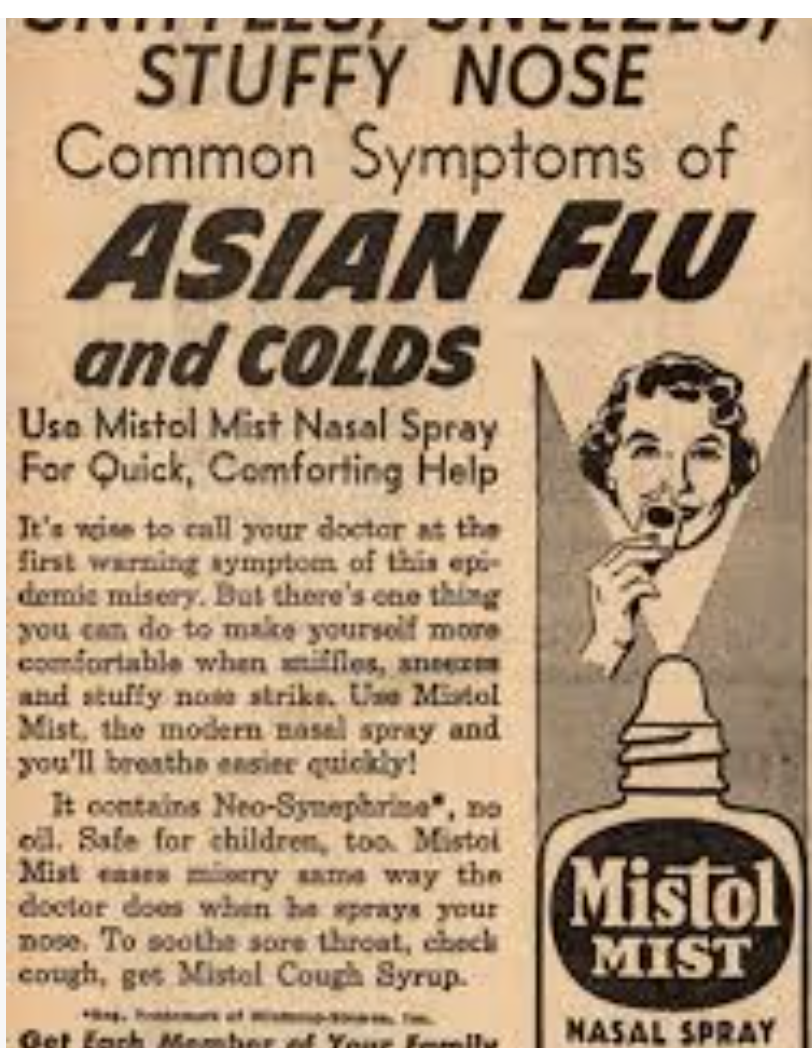
“Let us all keep a cool head about Asian influenza as the statistics on the spread and the virulence of the disease begin to accumulate.” ~New York Times editorial, Sept. 17, 1957
“So, what was it like to live through the Asian flu of 1957?” I recently asked my father.
“What’s the Asian flu?” replied my father, who was in second grade at the time.
“Well, do you remember the Hong Kong flu of 1968?” I followed up, thinking that surely he’d remember something that killed around 100,000 people (the equivalent of 160,000 today) when he was in college and very news-savvy.
“I remember the riots in ’68 and the oil crisis in the ’70s, but don’t recall anything about flus.”
Try this social experiment on anyone who lived through the 1950s and 1960s, or try it on yourself if you are a Baby Boomer or older. You likely don’t recall any disruption in your life nor any trauma-induced fear and panic. That is because there wasn’t any disruption.
The 1957 Asian flu, a form of H2N2 influenza that is believed to have originated in China, is estimated to have killed 116,000 Americans, the equivalent of roughly 200,000 in today’s larger America. Given that an estimated 25 percent of the entire country contracted that flu and a much larger share suffered from strong symptoms, one has to wonder what the recorded death toll would have been had we tested everyone and counted those deaths as liberally as we do today.
….
Another more dangerous aspect of the Asian flu as compared to COVID-19 is that it seemed to be more dangerous to pregnant women and to cause birth defects, similar to what was observed during the Spanish flu. A study published in Minnesota in 1959 found that nearly 20% of deaths that occurred during pregnancy were due to the 1957-58 epidemic, making it the leading cause of death for pregnant women during those months. One-half of all women of child-bearing age who died during the epidemic were pregnant. Imagine the panic that would have induced today!
It’s not that our government wasn’t concerned at all about the Asian flu. After the virus raged on through the summer of 1957, a vaccine was produced, and by September 11, 1.8 million doses were delivered to the military and 3.6 million to the general population. The vaccine, like all flu vaccines, was partially successful, but people continued to die for several more months and, on a smaller scale, for years to come until the Asian flu mutated into the H3N2 Hong Kong flu in 1968. The government and the people understood that medical care and vaccines work, but there was never a thought to shut down people’s lives, and nobody ever thought that humans could stop the spread of the actual virus. Hence, few remember living through it.
During the onset of the H1N1 pandemic (swine flu) in 2009, D.A. Henderson, the former dean of Johns Hopkins School of Public Health, who is widely credited with helping to eradicate smallpox, co-authored an analysis of the public response to the 1957 flu in an attempt to draw parallels and glean some lessons in preparing a response to the swine flu. He noted that the 1957 epidemic began early in the year in Asia, particularly targeting those with pre-existing conditions for the most deadly cases, and eventually infected 25 percent of the U.S. population in the fall.
….
Also, rather than panicking everyone and counting every last case in the country, they “recommended that ‘hospital admissions be limited as far as possible to those cases of influenza with complications, or to those with other diseases which might be aggravated by influenza.’”
Health officials understood what our leaders today clearly don’t, which is that for a virus that targets only certain people with serious complications or death and is broadly mild (and today, downright asymptomatic) in most others, the worst thing you can do is treat every case like a serious case, needlessly stressing medical care, and risk spreading the virus in hospitals to vulnerable people who are already there, often for other ailments and chronic conditions. It was all about treatment where it was needed and developing a vaccine for the vulnerable.
What about the ability to arrest the virus through superstitious Middle Ages rituals like virtue-signaling mask-wearing and social isolation of the healthy with the sick?
As Henderson et al. observed: “At the meeting, ASTHO also stated that ‘there is no practical advantage in the closing of schools or the curtailment of public gatherings as it relates to the spread of this disease [emphasis added].’ This was in recognition that they saw no practical means for limiting the spread of infection.”
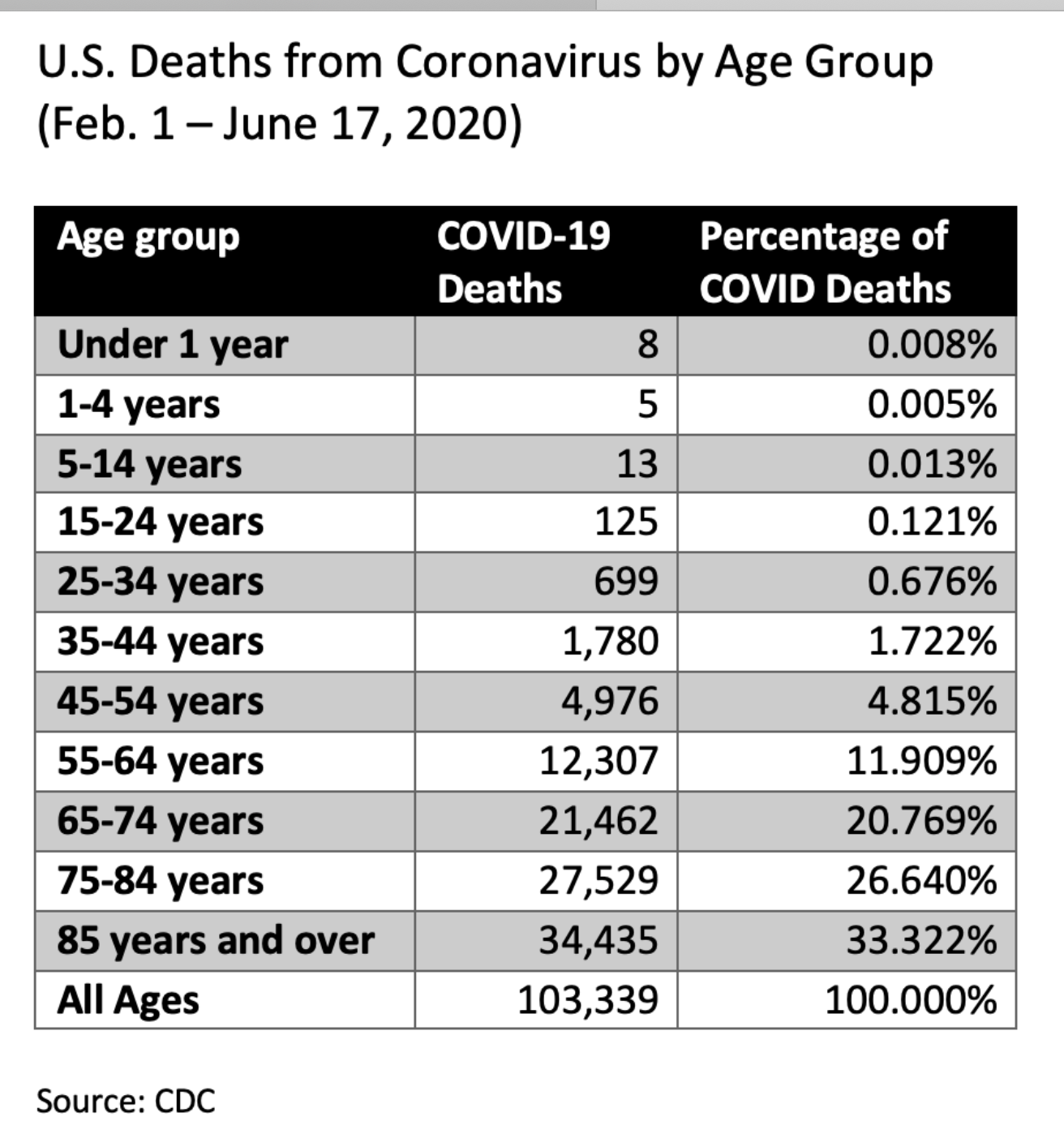
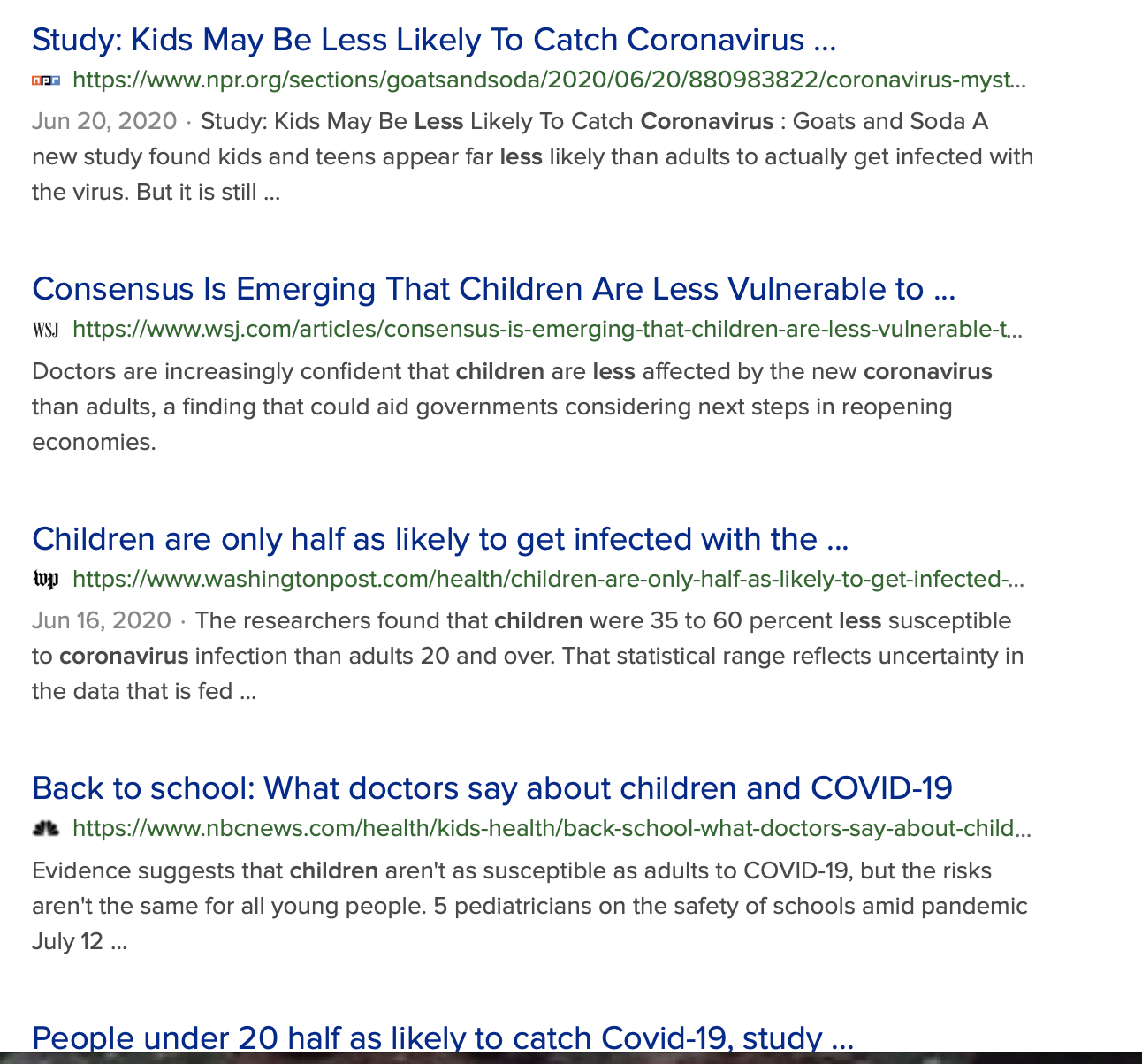
The epidemic spread through the country throughout the fall until the excess deaths leveled off in mid-December and then seemed to jump slightly later in the winter. Unlike with COVID-19, although children rarely died from the Asian flu, they appeared to get sick and contribute to mass spreading. “It was estimated that over 60% of students had clinical illnesses during the autumn,” writes Henderson et al. In fact, he notes that there was a “complete absence of protective antibody among children and young and middle-aged adults,” unlike today, where older people seem to have less immunity to the virus.
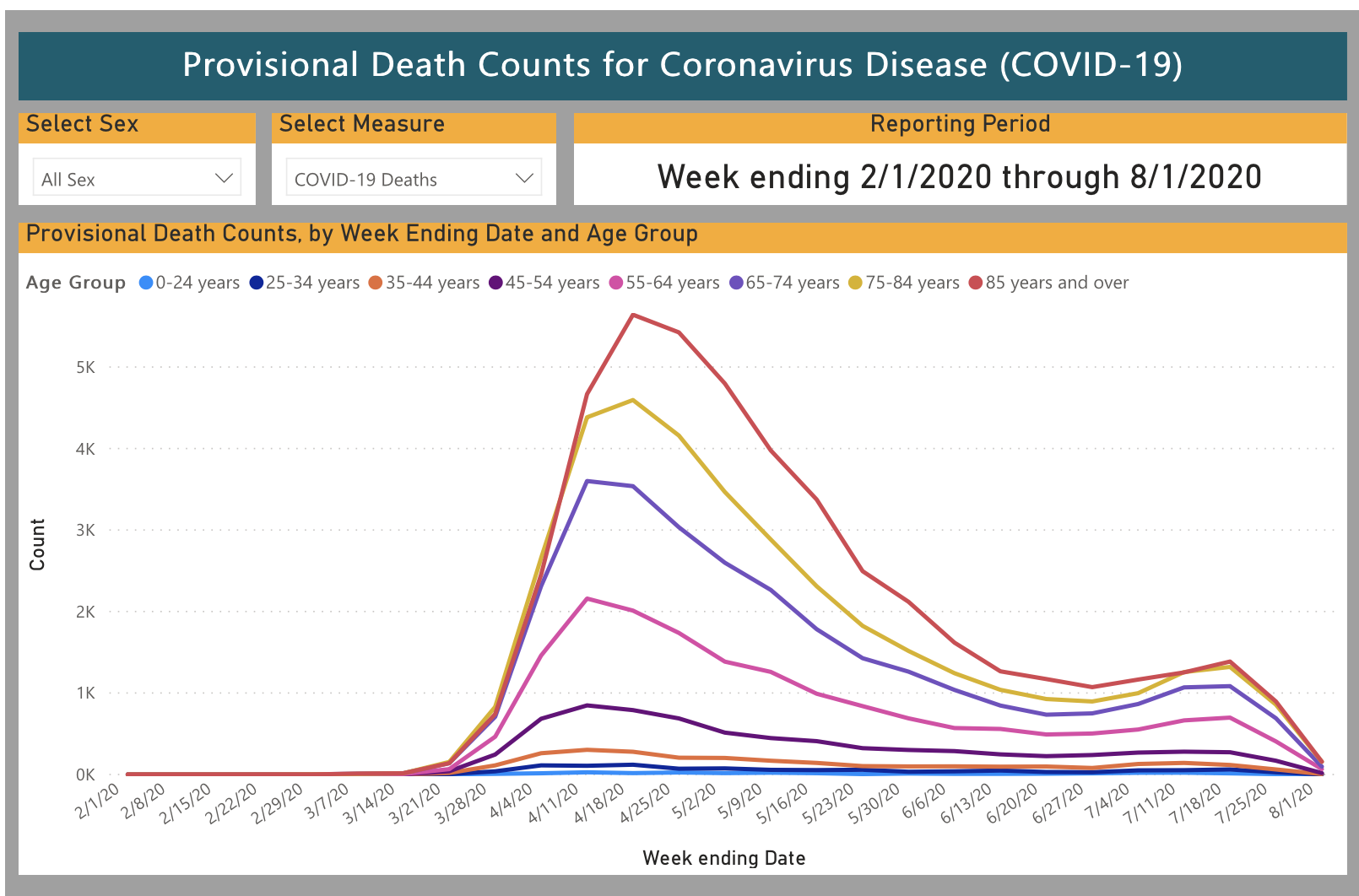
Yet, despite the high percentage of absenteeism in a lot of city schools, the schools were never shut. The surgeon general said the epidemic was “not alarming” and estimated that the fatality rate was no more than two-thirds of 1%. By contrast, in most areas of the country today, the fatality rate from COVID-19 appears to be closer to 0.2%-0.3%, and in some places, significantly lower.
Henderson’s paper further observes that hospitals were often crowded but there was always enough surge capacity to deal with the patients. “The Maryland State Department of Health, which appointed an Influenza Advisory Committee in June 1957, referred to pandemic cases as being ‘mild diseases,’ noting that the virus ‘does not cause more serious illness than other types of flu—it simply affects more people.’”
In a dynamic related to today’s predicament, Henderson notes that no efforts were made to close down the economy and quarantine people. “Quarantine was not considered to be an effective mitigation strategy and was ‘obviously useless because of the large number of travelers and the frequency of mild or inapparent cases.’”
….
“Closing schools and limiting public gatherings were not recommended as strategies to mitigate the pandemic’s impact, except for administrative reasons due to high levels of absenteeism…In early October, the Nassau County Health Commissioner in New York stated that ‘public schools should stay open even in an epidemic’ and that ‘children would get sick just as easily out of school.’”
Sound familiar? Most of the transmission occurring at home? And again, back then, kids got sicker from the Asian flu and transmitted it more than they do SARS-CoV-2.
When I bring up the 1957 example, some have challenged me by suggesting the situation back then wasn’t so dire as to warrant lockdown because they produced a vaccine early on. However, Henderson contends that it was “too little, too late” because it was only available to 17% of the population, was only 60% effective, and wound up circulating after the virus had already peaked. “Given the limited amount of vaccine available and the fact that it was not more than 60% effective, it is apparent that vaccine had no appreciable effect on the trend of the pandemic.”
The paper closes with the following 30,000-foot overview of the Asian flu response:
The 1957-58 pandemic was such a rapidly spreading disease that it became quickly apparent to U.S. health officials that efforts to stop or slow its spread were futile. Thus, no efforts were made to quarantine individuals or groups, and a deliberate decision was made not to cancel or postpone large meetings such as conferences, church gatherings, or athletic events for the purpose of reducing transmission. No attempt was made to limit travel or to otherwise screen travelers. Emphasis was placed on providing medical care to those who were afflicted and on sustaining the continued functioning of community and health services. The febrile, respiratory illness brought large numbers of patients to clinics, doctors’ offices, and emergency rooms, but a relatively small percentage of those infected required hospitalization.
Remember, this is with 25% of the population getting the virus within just a few months (equivalent to 110 million today) and a larger share of those people suffering a serious, if not deadly, case of the flu, including children and young adults. While the health system was certainly much better than it was during the pre-antibiotics era of the 1918 Spanish flu, it was primitive compared to today’s standards. Yet, we managed and thrived. “The overall impact on GDP was negligible and likely within the range of normal economic variation,” notes Henderson.
What we didn’t have back then were mass media, social media, and the incurable virus of evidence-free panic propagation to induce an epidemic of fear and paranoia. [emphasis added] While this current virus is worse than recent flu-like epidemics this generation, it is much more in line with the 1957 Asian flu and its sister, the 1968 Hong Kong flu. If you lived during the time, you most assuredly remember Woodstock, which occurred during the peak of the Hong Kong flu, but you are unlikely to remember the epidemic.
In 2006, three years prior to writing his analysis on the 1957 epidemic, Henderson co-authored a paper in which he observed, “There are no historical observations or scientific studies that support the confinement by quarantine of groups of possibly infected people for extended periods in order to slow the spread of influenza.” Thus, from 1957 until fairly recently – before the medical profession was politicized – they all understood that we lack the ability to stop the spread of a flu-like virus. The best we can do is treat it without sowing panic. As Henderson warned, “Experience has shown that communities faced with epidemics or other adverse events respond best and with the least anxiety when the normal social functioning of the community is least disrupted.”