Wrong, but not in the long term, I think.

32 hettiefred.jpg

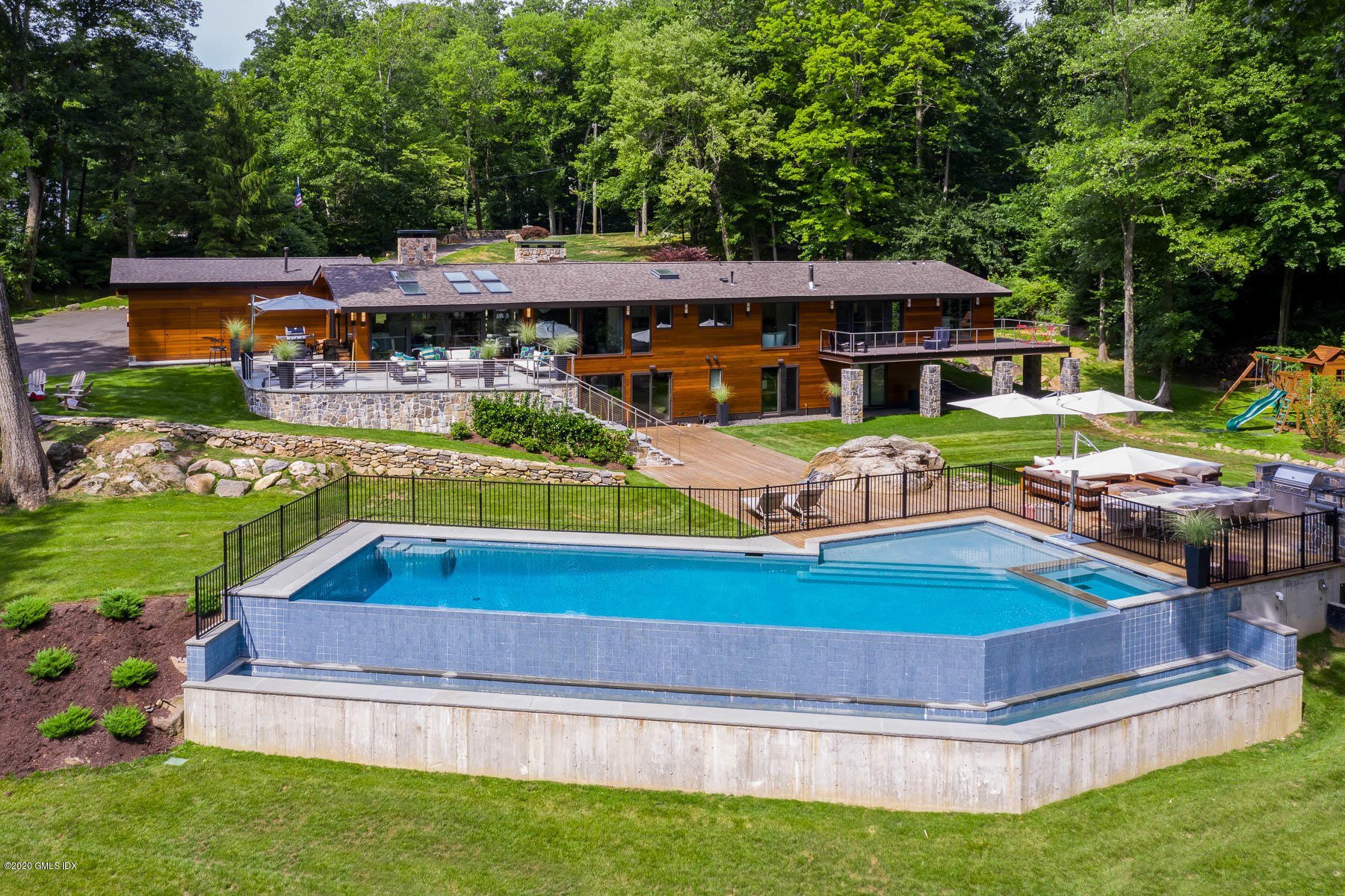
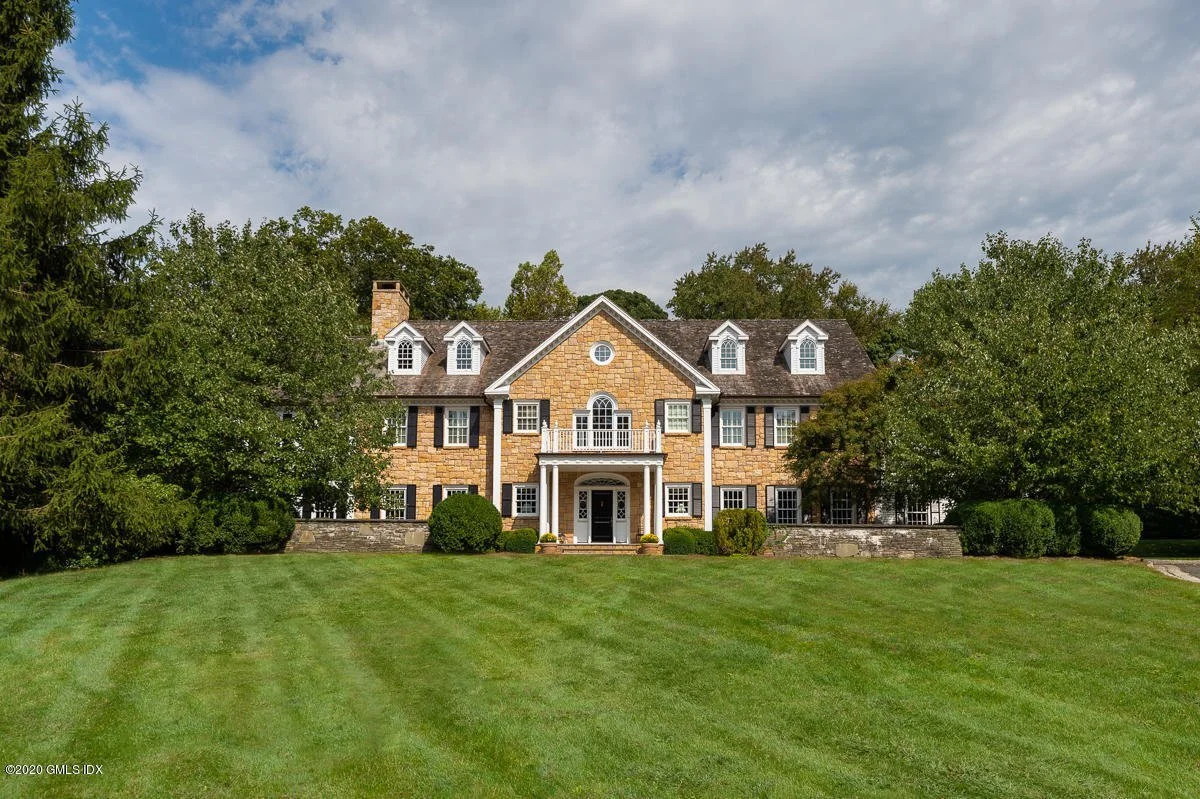
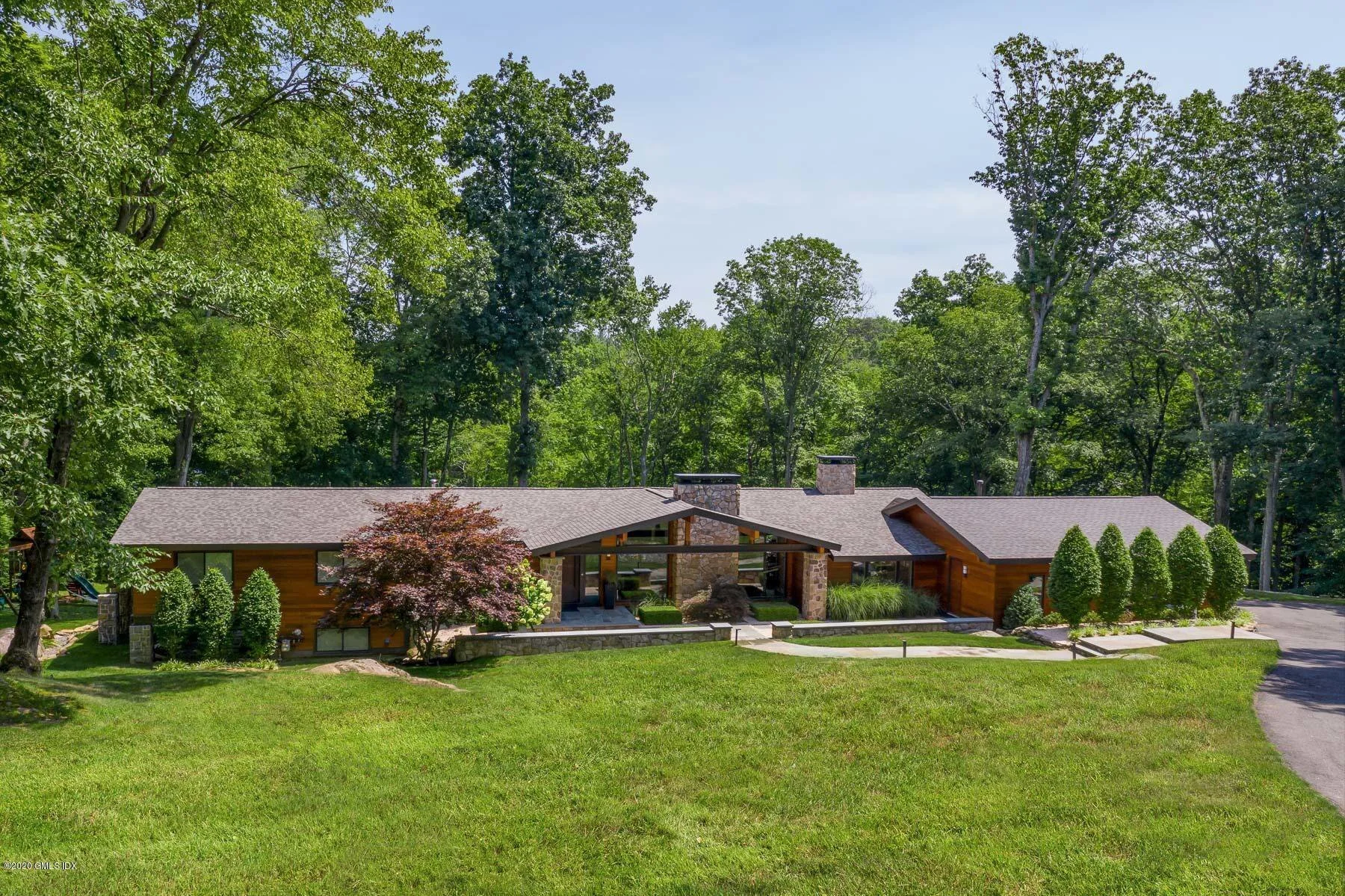
Just two days ago I advised a client to avoid a new listing at 32 Hettiefred Road, asking $2.5 million, because that section off King Street has traditionally been a slow-seller. Today it’s reported as pending after just four days. “Pending” suggests an all-cash deal, no inspections, which makes me suspect a desperate New Yorker has stepped up.

I could be entirely wrong, as I am about soo many things, but I’ll remain convinced that we’re watching a temporary phenomenon until a couple of years proves otherwise.

Hey, all I can offer clients is an honest opinion, based on experience and knowledge, and not tainted by a desire to move a house and gain a comission. I can be wrong, but I’d rather err in favor of helping avoid a loss, rather than missing out on an opportunity for gain. (What a self-serving statement, eh? Still …)

All that said, it’s a very decent house at just $2.5.

Going down

highland.jpg

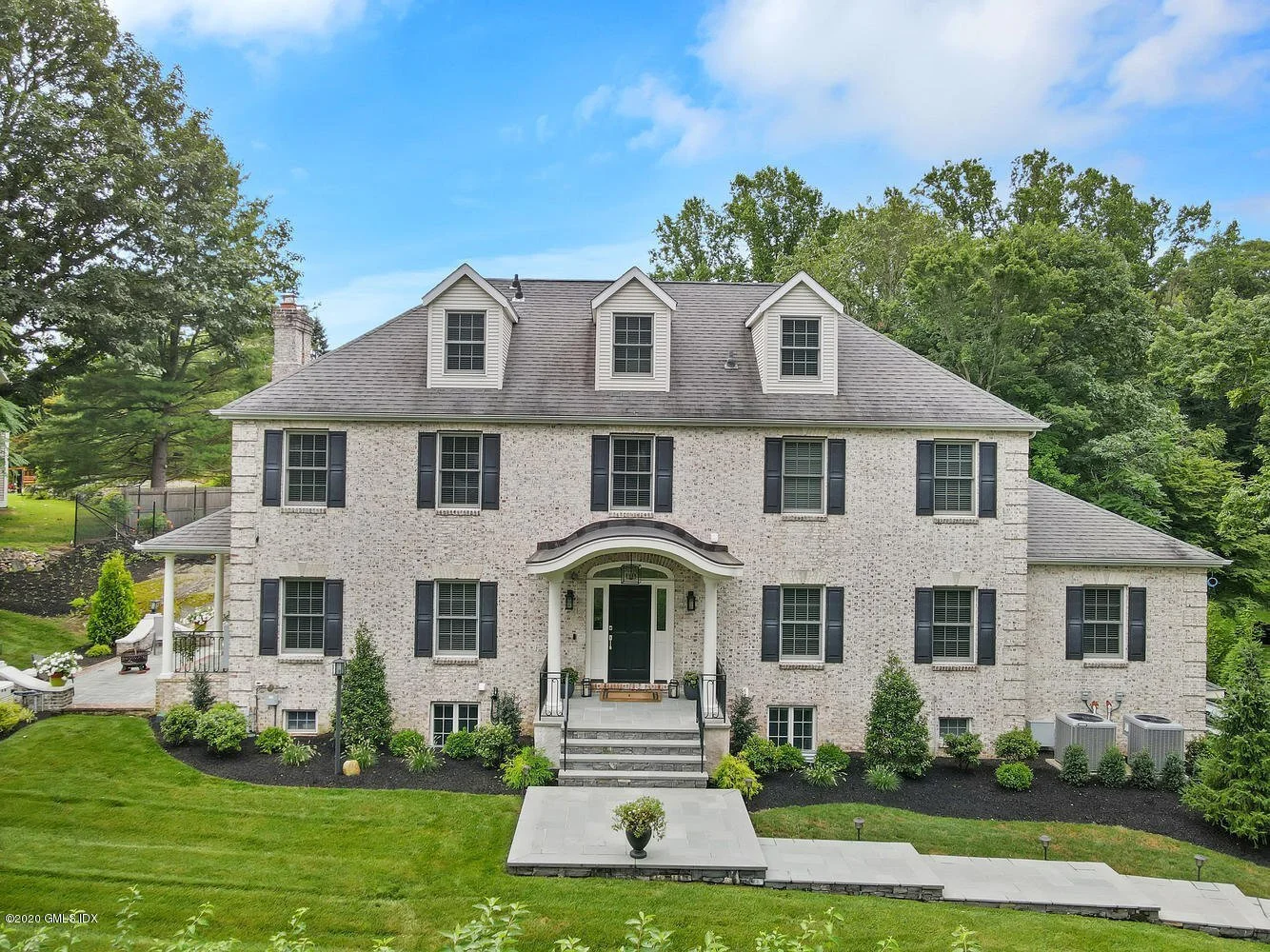
33 Highland Farm Road (off Round Hill), which started off in May at $6.725 million, has dropped to $5.750. Aside from its unfortunate Garden Brick Face facade, it’s a nice house, but its value has been declining for years. These owners paid $6.1 for it in 2013 after it started at $7.750 in 2010, and the previous owners paid $6.905 in 2005.

I advised a client interested in it a few months ago to wait, and I’d repeat that caution today, though some NY refugee may jump in ahead of him; sometimes you can win by losing.

Hmm - apparently not every buyer in the market is looking for newer construction in move-in condition

meadow.jpg

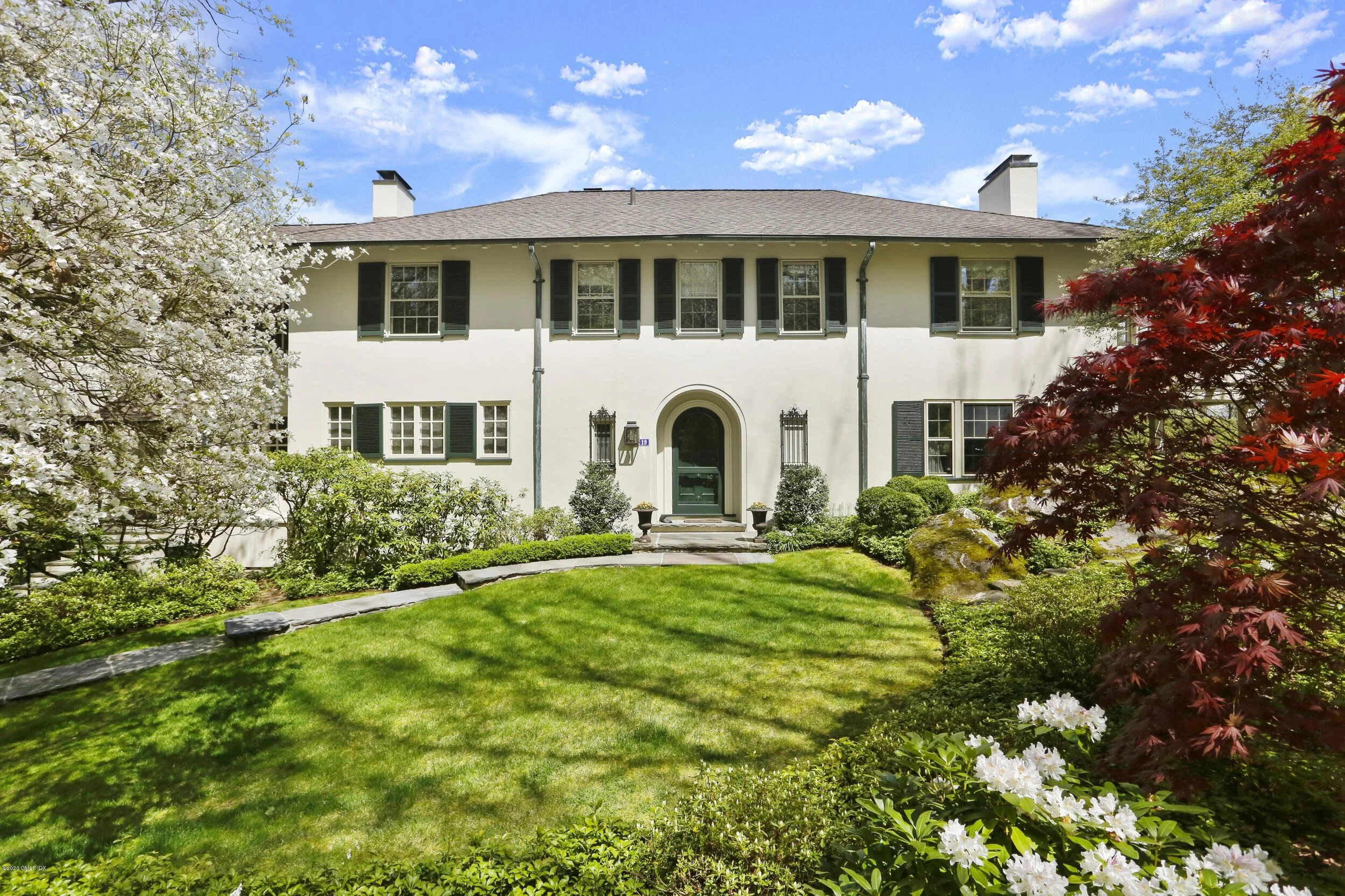
Which would be great, if true. 19 Meadow Lane (parallel to Zaccheus Mead), a 1921 house in need of some serious updates, listed at $3.450 million and has gone to contract after just 11 days. Given the time lag between accepted offer, inspections, and contract negotiations between the lawyers, that probably means it found a buyer in the first or second day on the market.

It may be a land sale, but I hope not; part of Greenwich’s charm is its inventory of gracious old homes, and this is one of them. It’d be nice if someone who appreciates houses like this has appeared.

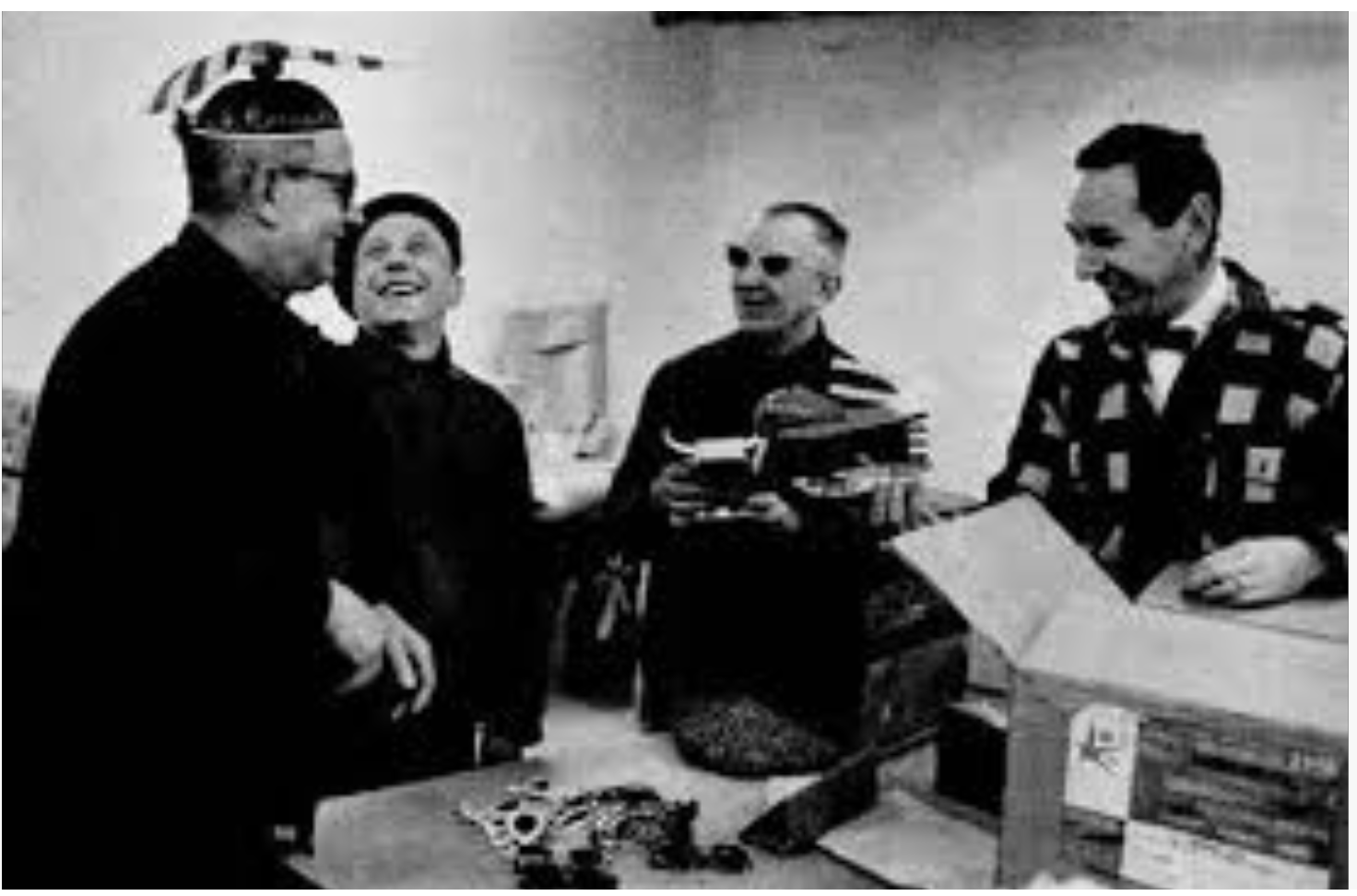
Probably won't see this run on the NYT's op-ed page

Screen Shot 2020-08-18 at 6.56.45 AM.png

Which is all the more reason to read it. Joel Kotkin: No future awaits those who rage against family, work and community

Excerpt of an essay well worth reading in its entirety:

In doing research for my 1992 book Tribes, I found ethnic success was less about gaining unquestioning compliance on cultural and political matters from the majority than in encouraging behaviors, such as frugality, hard work and mutual support. This latter approach has propelled virtually every successful dispersed ethnic group, from the Jews and British to the Chinese, Indians, Palestinians, Lebanese, and West Indians. As the great Arab historian Ibn Khaldun noted, “Only tribes held together by a group feeling can survive in the desert.”

This notion of a mutual assistance is more important than attempts to “reprogram” whites into “anti-racism” as defined by the woke. Discriminated-against minorities have succeeded, first and foremost, by developing their own skills and economic power, building alternative institutions and strengthening family ties.

In this country, Irish, Italians, Jews, and Asians, among others, were long barred from certain jobs and many neighborhoods. Rather than wait for the majority to discover tolerance, they labored in niche economies—fish mongering and construction among Italians, gardening and farming among Japanese, retail ownership for Koreans and the garment trade for the Jews. Among Asians, the first generation’s struggles allowed their children to make remarkable progress by stressing education and, when needed, political action. These groups have done, for the most part, better than whites. Asians, for example, constitute 74 percent of all Stuyvesant, a prestigious New York City academic high school, students.

African-Americans once widely embraced this approach. In the first half century after slavery many leaders, from pragmatists like Booker T. Washington to nationalists like Marcus Garvey, stressed both personal responsibility and social cohesion. Even Garvey, the father of black nationalism, modeled his program partly on Jewish success.

At its very essence, it seems absurd to base a group’s ascent on winning over people assumed to be congenitally racist at heart. Indeed much of the strongest progress among African-Americans took place in the 1950s and 1960s, when discrimination was far more rampant but black business communities, families, and church institutions were not just intact but cohesive and strong. The Blacks who built successful businesses in the first half of the last century, notes historian John Sibley Butler, nurtured a culture of “self-help”—in part due to their exclusion from mainstream business—that brought economic rewards, helping build powerful religious and educational institutions critical to the nascent Civil Rights Movement.

Governor Newsom discovers what every thinking person has been predicting for the past decade

California Energy Board meets to discuss inexplicable blackouts

California Energy Board meets to discuss inexplicable blackouts

Temporarily suspends his ban on energy production from non-green sources

What? Solar roof panels and wind beanies can’t provide enough energy to power the state? Who’d have ever guessed? Californians voted for this disaster, let them roast in the dark.