Taxes

Powerline’s Chart(s) of the Day

Stephen Hayward:

The Daily Chart: Kamala’s Tax Dream

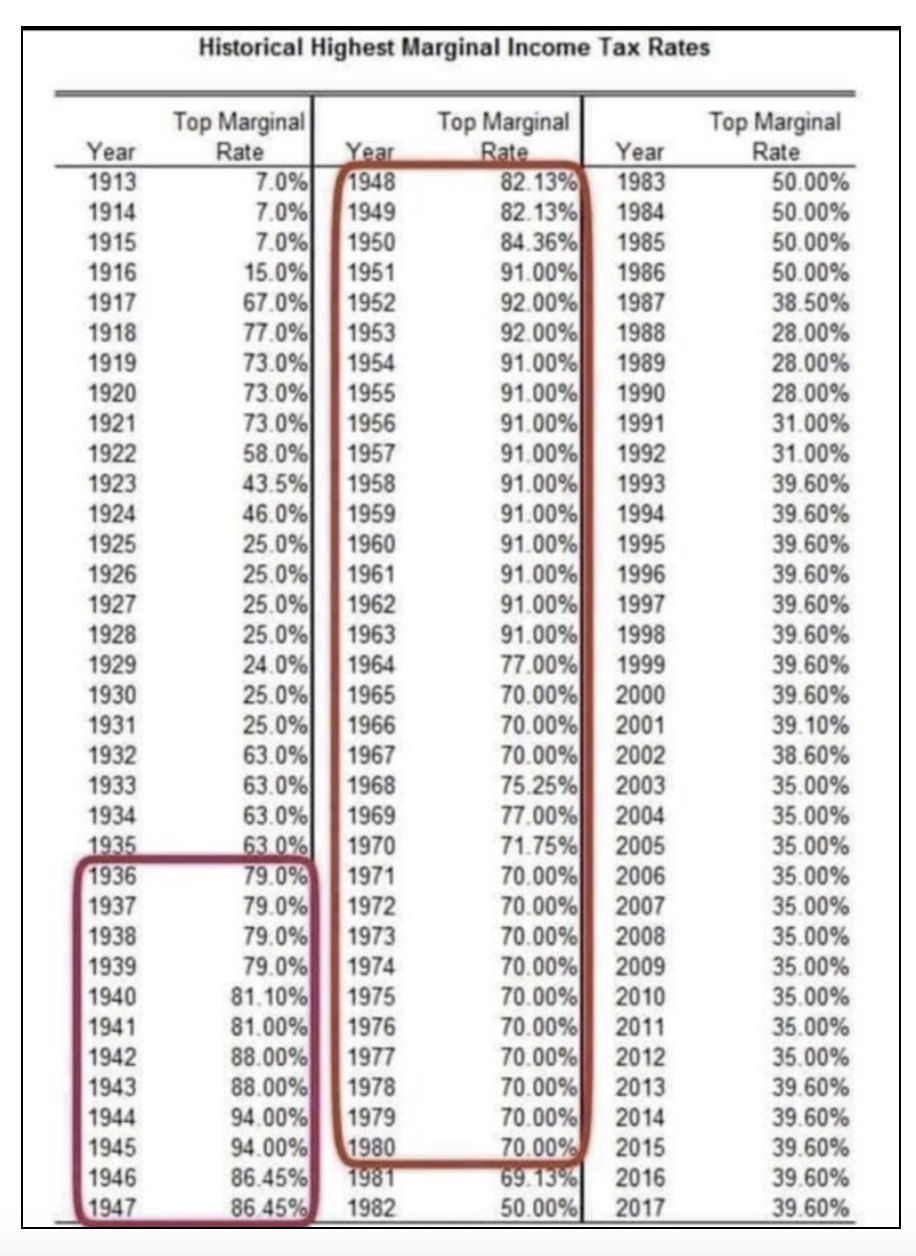
So Kamala says her proposed tax on “unrealized” capital gains (which is just a wealth tax by another name) would only be applied to the very very rich. Who can afford it because as we know all rich people are fully liquid. But I digress. More to the point: does anyone believe this promise? For one thing, an unrealized capital gains tax on anything other than publicly tradable financial assets (stocks and bonds) will be extremely difficult if not impossible to implement—never mind the capital allocation distortions it will cause. So if progressives really want to generate revenue from unrealized capital gains, it will end up being applied to stockholdings, which means socking it to the middle class, which as always is where the real money is.

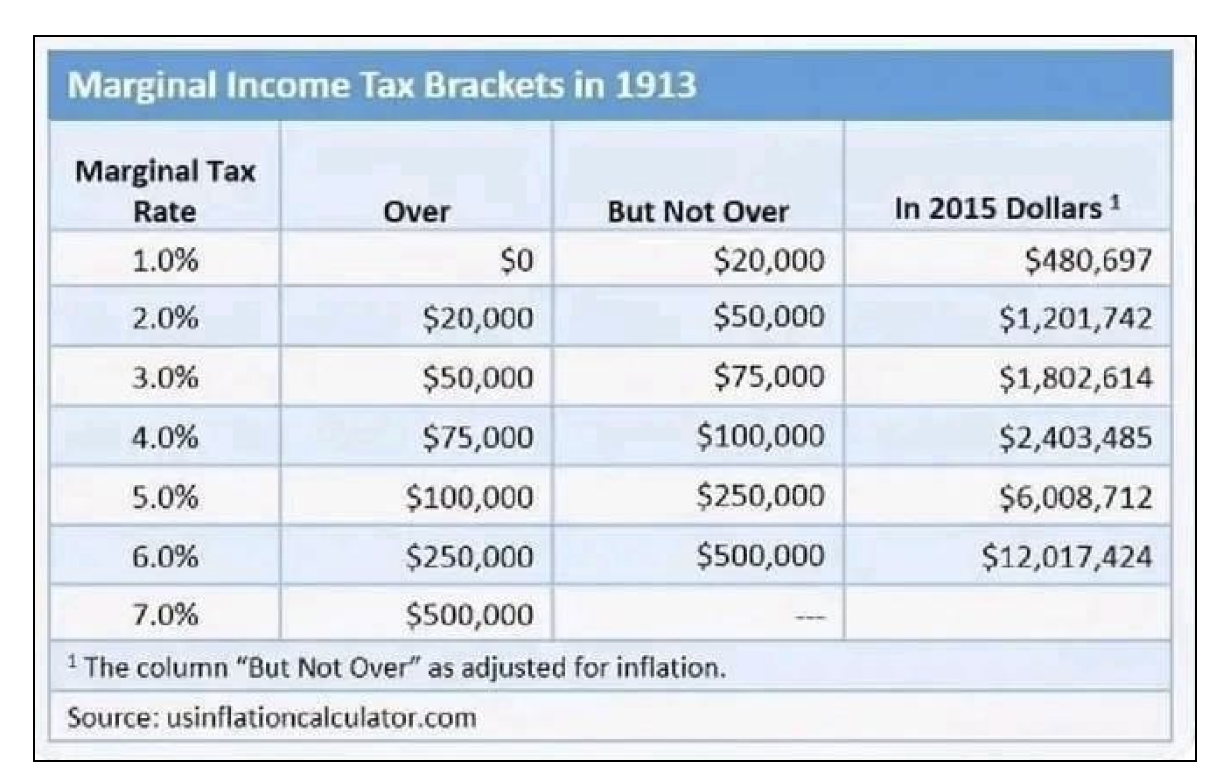
We’ve seen this progressive progression before. When the income tax was first proposed, opponents warned that the rate might someday reach 10 percent! Here are where the initial rates an income thresholds were set in 1913:

New in Cos Cob

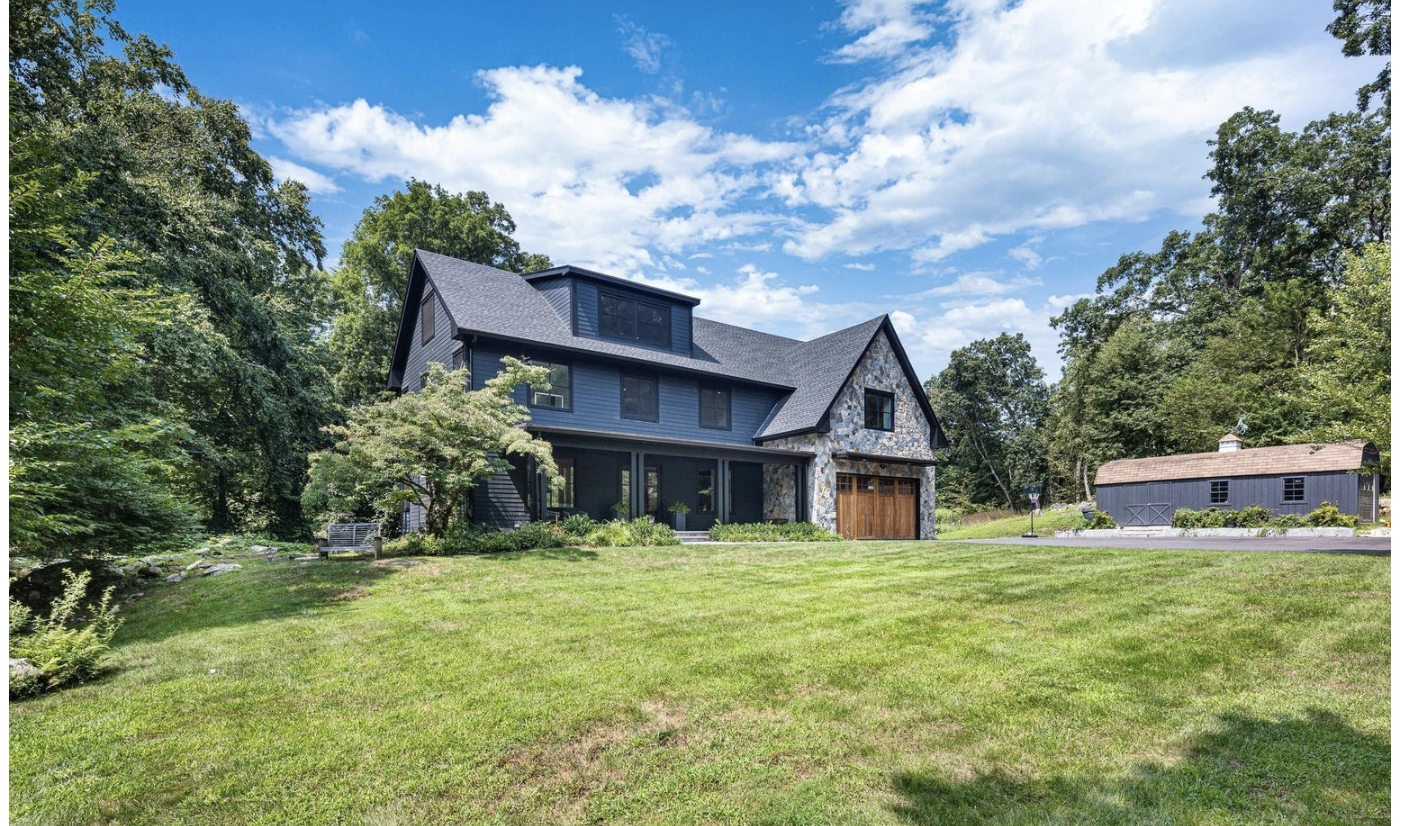
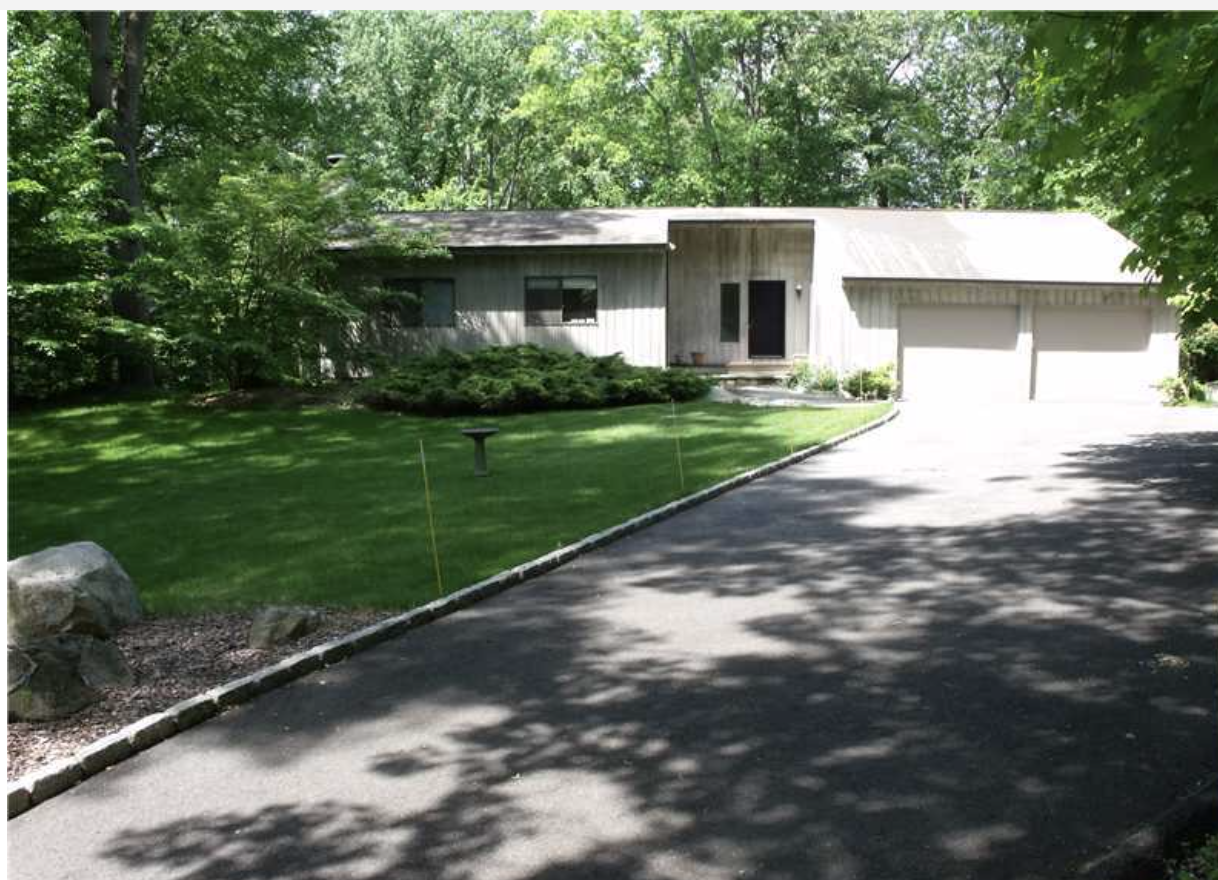
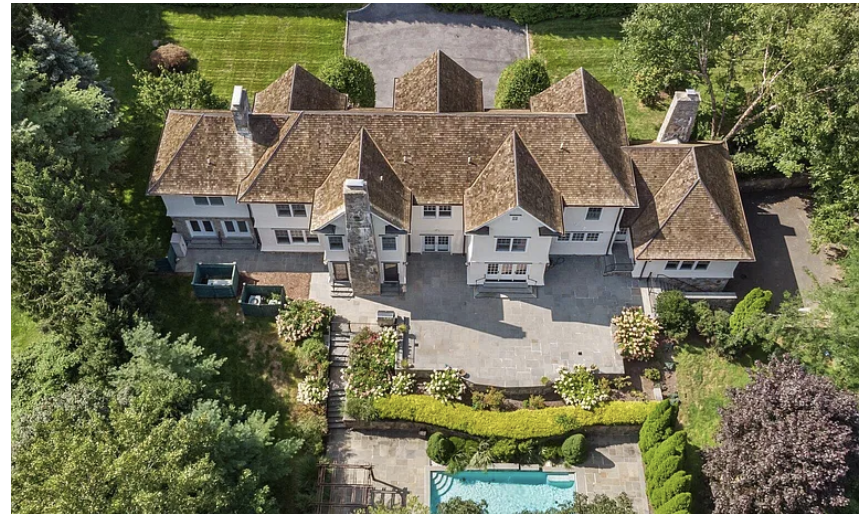
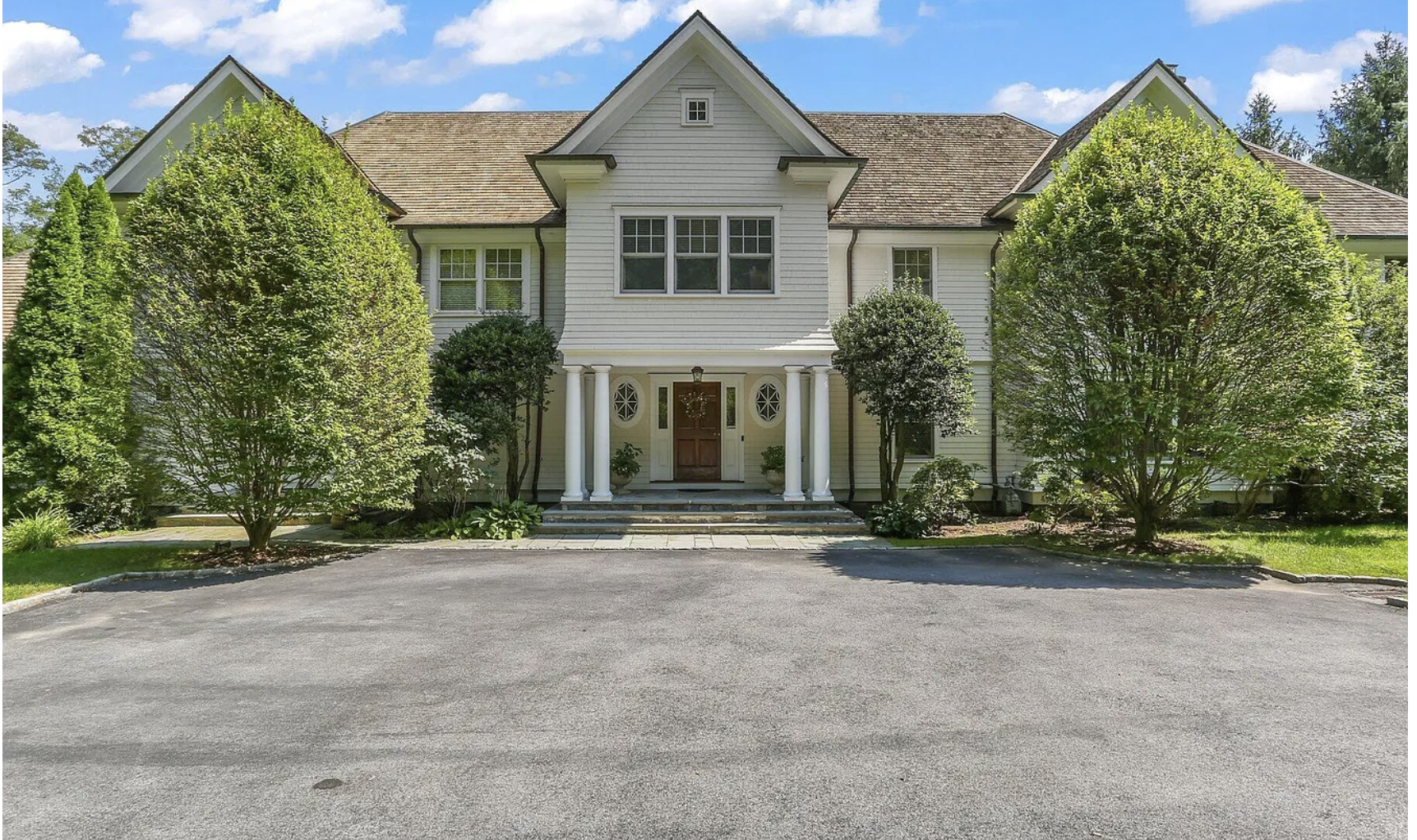
49 Indian Mill Road, $4.695 million. Clients of mine came very close to buying this one’s previous iteration back in 2013, after it had been on the market for four years and dropped from $1.795 to $1.250; $1.250 was an excellent price even as a land buy, as the present owner obviously noticed. He’s built new (although it appears that he' kept the foundation) and, though I’m not wildly enthusiastic about the price he’s chosen, it’s a nice location, offering direct access to the Mianus River Park trails. Of curse, that means people on those trails have direct access to you, but my guy was ex-Mossad, and he didn’t see that as a major worry.

It’s got the zebra

and a daring departure from the traditional orange

original

And who can forget that era’s kitchens?

Had a house but couldn't keep her (UPDATED)

373 Taconic Road, designed by the late, gifted, Rick Moisan, sold new in 2005 for $9.350 million. That buyer put in some additional finishing touches, including a pool and spa, and attempted to resell it, an effort that began at $9.750 in 2016, and finally ended in 2020 when he unloaded it for just $4.6 million. That was a bargain, but apparently too tempting a one for the impecunious buyer; he couldn’t afford to keep it, and it’s been put up for sale today by his bankruptcy trustee for $7.1.

That’s probably still a good deal.

UPDATE: Reader “Revere” reminds me that this owner’s financial (and other) woes extend far beyond mere bankruptcy. In fact, I wrote about his difficulties last year, twice, but forgot that I had.

April 5, 2023:

The woes of Billionaire fraudster Ho Wan Kwok/Guo Wengui were discussed here last month when the FBI raided his home at 373 Taconic Road. In the latest development, Mr. Ho has requested that he be allowed to move from his current Manhattan residence in the Metropolitan Detention Center to his old Taconic home. It doesn’t seem likely that he’ll be back in town soon, however; not if the feds have their way.

Wengui, 54, who was arrested on an indictment last month under the name Ho Wan Kwok, is in federal custody at the Metropolitan Detention Center in Brooklyn, N.Y., facing several charges, including wire and securities fraud and money laundering.

Federal prosecutors said Wengui used the proceeds from the fraud scheme to purchase and maintain his homes and a 145-foot luxury yacht, which former Donald Trump advisor Steve Bannon was aboard when he was arrested in 2020 in Long Island Sound, the court documents show. 

Under the terms of a motion filed by his attorneys, Wengui would put up $25 million in bond, surrender his travel documents and those of his wife and daughter in the U.S., and be subject to home detention at his mansion in Greenwich.

The terms outlined in the court memo also state Wengui would agree to GPS monitoring, not enter into any financial transactions without the government's approval or have contact with the co-defendants, as well as "24/7 surveillance by a security company." 

In court documents, the government said Wengui was known to travel between his Greenwich home and others in New York City and New Jersey in a "caravan of luxury automobiles" while surrounded by "around-the-clock armed security guards," paid with the proceeds of fraud.

But the government balked at the request to allow Wengui to spend his time in the lead up to a trial at the Greenwich home, which they allege was purchased with the proceeds of fraud. 

"To say the least, it would be inappropriate for Kwok to live in the palatial Greenwich estate that he maintained with the proceeds of his fraud as a means of avoiding pretrial detention," prosecutors wrote in response to the request.

Point, counterpoint:

His lawyers argued Wengui is not a flight risk because he is wanted by authorities in China, where he would likely face execution.

But the government suggested if Wengui was released, he could flee to the United Arab Emirates, where his business enterprises have a presence. The government noted in court documents that only two of his passports have been located, and Wengui is suspected of having as many as 11.

Prediction? “Gu ain’t going nowhere.”

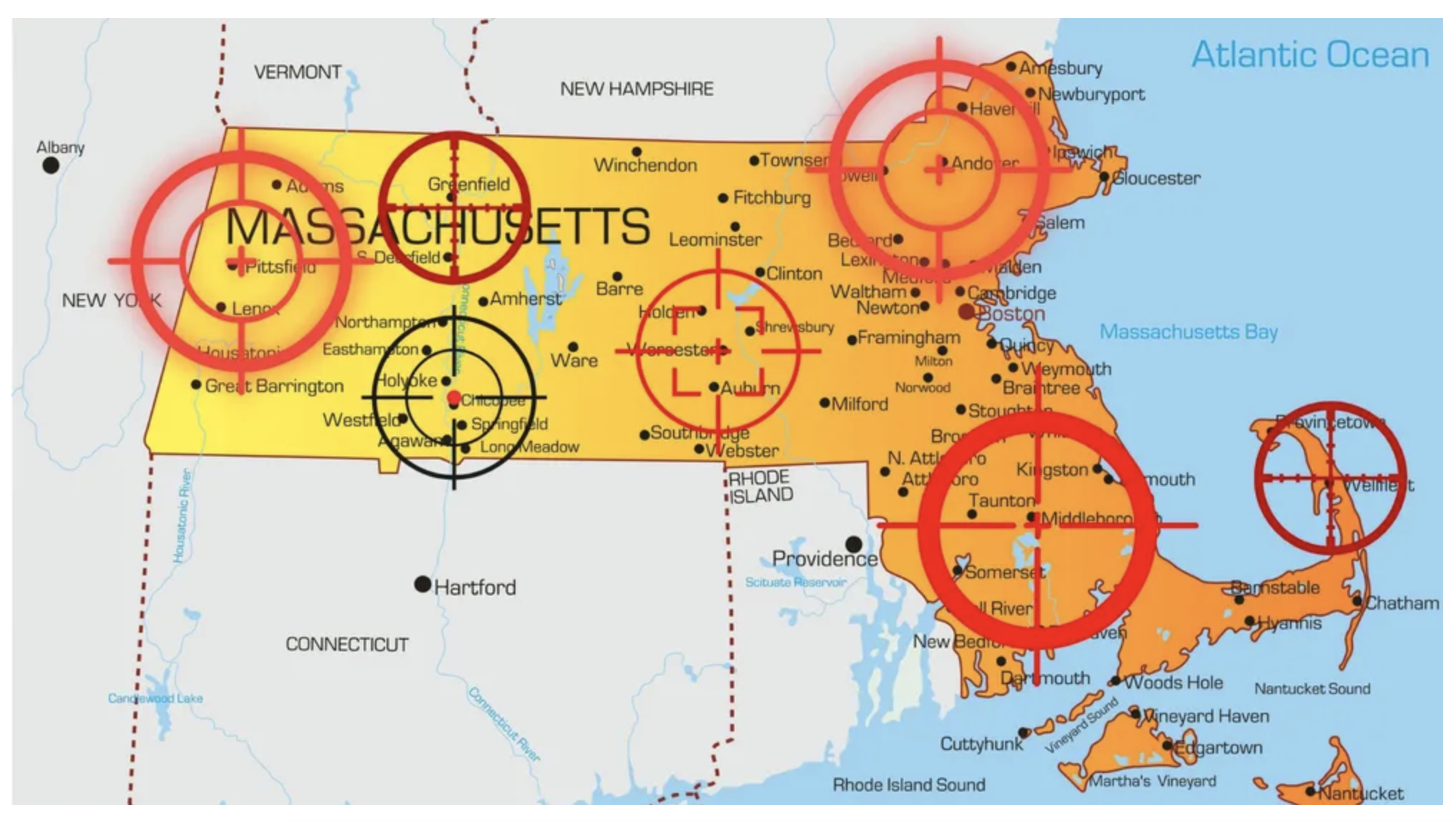
Complete with rifle scope crosshairs

MIT anti-Israel activists spread map of Jewish orgs they want to ‘dismantle,’ provoking condemnation from MIT

The group said its ‘goal in pursuing this collective mapping was to reveal the local entities and networks that enact devastation, so we can dismantle them. Every entity has an address, every network can be disrupted.’

MIT President Sally Kornbluth condemned the anti-Semitism of the project.

At an Aug. 28 orientation event for MIT students, several anti-Israel activists handed out flyers with a link to the Mapping Project, which provides an interactive map locating organizations that supposedly support “the colonization of Palestine.” 


The map includes the locations of several Jewish organizations, including the Synagogue Council of Massachusetts, the Hillel Council of New England, and the Jewish National Fund’s New England Regional Office.

The Mapping Project states that its “goal in pursuing this collective mapping was to reveal the local entities and networks that enact devastation, so we can dismantle them. Every entity has an address, every network can be disrupted.”

The map also includes local police departments, politicians’ homes, and U.S. military bases. 

Nothing to worry about — Islam is the religion of peace.

This one's got enough property to safely isolate yourself from collegiate sloths and other ne’er-do-wells

(Its interior is fAR MORE IMPRESSIVE THAN THe EXTERIOR suggests)

10 Cliffdale Road, 1939 house, 66 acres, $35 million price tag.

A little bit of its history can be found in this WSJ article:

A 66-acre estate in Greenwich, Conn., has been in the same family since it was built in 1940. Now it is going on the market for $35 million.

The property has more land than most in the affluent suburb, which is located about 30 miles northeast of Manhattan, according to listing agent Peter Janis of Berkshire Hathaway HomeServices New England Properties. It has a seven-bedroom house as well as a barn, apple orchard, two greenhouses and vegetable gardens.

The house was built by Edwin John Beinecke, according to seller Barbara Robinson, widow of Beinecke’s grandson John Robinson. The family’s company, Sperry & Hutchinson, made S&H Green Stamps, a 19th- and 20th-century customer-rewards program in which shoppers collected stamps they earned from grocery-store or gas-station spending and exchanged them for rewards, she said. The family launched a digital version of the stamps in the early 2000s before selling the company in 2006, said former S&H executive Carl Norloff, who recently purchased the brand with plans to relaunch it.

John, an executive at Sperry & Hutchinson, visited the estate frequently growing up, said Barbara. Around 1980, the Robinsons bought the property from Beinecke’s estate, attracted by the prospect of growing their own food, according to Barbara, who said she doesn’t know how much they paid for it.

John died in 2020, and Barbara, an octogenarian, has decided to downsize to a smaller home in Greenwich, she said. Perry Robinson, their son, said he and his siblings don’t want the property because they all have their own homes.

Alright, this freedom-loving American has seen it; where's my MAGA hat?

this changes everything!

Unlike Senator Fetterman, alas, Lizzy’s stroke has made her stupider, not smarter.

Sad.

It's not just Alexa who's listening in on your household and telephone conversations

Experts reveal sneaky way your phone listens in on your conversations - and how to stop it

It was long thought to be a myth and dismissed by big tech companies.

But experts have revealed how listening into your conversations has become a multi-billion dollar industry.

Earlier this week, a leak from a leading marketing firm appeared to confirm how companies use microphones on your smart devices to eavesdrop before selling the data to advertisers.

'You can be talking to one of your friends about going on a vacation to Portugal through a phone call, and then a day later or that same day, what do you see? An advertisement for a trip,' data security expert Andy LoCascio told DailyMail.com. 

The leak last week came from a pitch deck given by CMG, a marketing partner of Facebook, Amazon and Google.

The deck - which appears to have been made for prospective clients - detailed CMG's 'Active-Listening,' software, which collects data from people by listening in on their conversations.

Active-Listening software can be enabled through any app on an Android or iPhone, and other devices like smart home assistants can listen in too, LoCacio said.

What's more, these devices are listening practically all the time, not just when you're intentionally using your microphone to make a phone call or talk to Alexa, for example. 

'For most devices, there is no device state when the microphone is inactive. It is nearly always active when Siri is present on the device or any other voice activated assistant is present,' LoCascio said.  

Companies that want to capture your voice data and sell it often gain access to your microphone through apps. 

Typically, apps are granted permission to use your microphone through a clause 'buried in the myriad of permissions you accept when installing a new app,' he added. 

That means that many users are consenting to being tapped without even realizing it. 

'The problem is, the form of consent is an all-or-nothing Faustian bargain,' data privacy expert and consultant Sharon Polsky said.

'So many websites say 'we collect information from you and about you. If you use our website, you've consented to everything that we do.' You have no way of opting out,' she added. 

LoCascio explained that this is how CMG and other companies are getting away with this even in states with wiretapping laws that prohibit recording somebody without their knowledge, like California.

'To be perfectly clear, there are no laws about this. If we give somebody permission to use the microphone on our device, and we click off all the other terms of service that none of us ever read, they can certainly use it,' LoCascio said. 

That lack of protective legislation has 'created an entire data broker industry that's now worth billions,' Polsky said. 

This industry's rapid growth is owed partly to the development of highly sophisticated large language models, like Chat GPT.

These extremely powerful AI tools have made it easier and faster for advertisers or other third parties to mine our voice data for valuable information, LoCascio noted.

'All I have to do is take one of those transcripts, drop it in the ChatGPT box, and then ask it a simple question. Like, 'please tell me what product and services I could market to somebody based on this conversation,' he explained.

Once that voice data is captured, it can be sold to advertisers to direct and inform their targeted marketing. But it can also be sold to other clients, who could be using it for entirely different reasons.

'They could be capturing those conversations for anything,' LoCascio said. 

'It's one thing to say they're doing it for ads, and they can claim that, but they sell that information blindly to other people. And they don't scrub it, so they basically sell an audio transcript,' he added.

Other examples of voice data purchasers include insurance companies, for the purpose of creating personalized insurance rates, and the federal government, Polsky said.

'One of the purchasers of our information - information about us - everything from our opinions, our predilections, our associations, our travel routes, is the government,' she said. 

And there are other insidious entities that want to get their hands on our voice data too, such as 'people from the dark web that want to profit from scamming us,' Polsky said. 

That means that sharing your social security number or other sensitive personal details could put you at risk of identity theft, LoCascio said.  

CMG is an American media conglomerate based in Atlanta, Georgia. The company provides broadcast media, digital media, advertising and marketing services, and it generated $22.1 billion in revenue in 2022. 

CMG did not respond to DailyMail.com's request for comment.