Say, kids, here's an idea: get a job! (Bonus material: regulations are driving up the cost of new building 24%)

Construction labor crunch drives up costs and deepens America’s housing affordability crisis

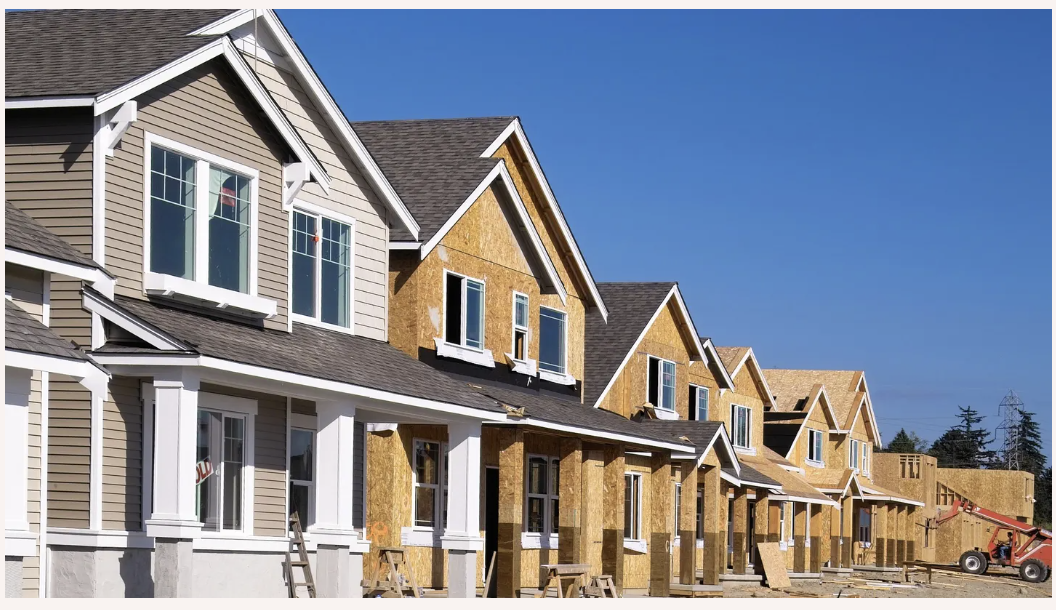
Every month, the construction industry is short around 350,000 workers. 

What's more, the National Association of Home Builders estimates the industry will need to hire nearly 723,000 workers per year just to keep pace with demand and close a nationwide housing gap of 1.5 million homes.

Home Builders Institute President and CEO Ed Brady told Fox News Digital the skilled labor shortage in the U.S. is "severe" and driven largely by "an aging workforce, fewer young entrants into the trades and decades of underinvestment in vocational training."

"This shortage adds nearly two extra months to building timelines, inflating costs and delaying delivery," Brady said.

A joint study by the Home Builders Institute and the University of Denver found that in 2024 alone, the labor shortfall resulted in 19,000 fewer homes built and an annual economic hit of $10.8 billion from higher carrying costs and lost production.

Joseph Kane, a fellow at Brookings Metro, said the shortage of skilled workers extends far beyond home building.

"Workforce development is not just a nice-to-do, but a must-do across the built environment. For housing, buildings, and other infrastructure systems (e.g. roads, water systems, etc.), it is crucial and mission-critical for employers to have a durable and dependable pipeline of talent," Kane said.

"Without this pipeline, employers are competing against each other for scarce talent, projects can run into delays, and additional uncertainties and costs may mount over time," added Kane, who studies the intersection between infrastructure and economic development.

All of which should, but probably won’t be of interest to young people considering going deeply into debt to obtain DEI college degrees: it’s a scam, kids, and don’t fall for it.

But it’s this part of the article that really caught my eye: regulations are responsible for 24% of the cost of new housing.

The revelation comes as the U.S. grapples with a slew of housing challenges that, brick by brick and regulation by regulation, have helped contribute to today’s crisis. 

Experts point to three major forces doing the most damage: restrictive zoning, land-use barriers and financial policies that have choked supply and pushed prices out of reach.

Jim Tobin, president and CEO of the National Association of Home Builders, said the cost of regulations alone plays a massive role in housing affordability.

"Regulatory burdens really do add up on the unaffordability index," Tobin told Fox News Digital. 

"We estimate that 24% of the cost of a single-family home is embedded in regulations at all three levels of local, state and federal government. That comes out to roughly $94,000 in regulatory costs."

I’ve read figures like that for years, but I asked Grok to check it out:

ANSWER:

Verification of the Quote.

The quote you mentioned is accurate and directly attributable to Jim Tobin, the president and CEO of the National Association of Home Builders (NAHB), the primary trade association for the U.S. home building industry (often referred to in shorthand as the "National Home Builders of America"). He made this statement in a November 2025 interview with Fox News Digital, amid discussions on housing affordability challenges.

  • Exact Wording: "We estimate that 24% of the cost of a single-family home is embedded in regulations at all three levels of local, state and federal government. That comes out to roughly $94,000 in regulatory costs."

  • Context: Tobin highlighted how these burdens exacerbate unaffordability, including delays and community-level restrictions on growth. The quote has been widely reported in outlets like Fox Business and economic analysis sites.

Accuracy Assessment.

The estimate is a reasonable approximation based on NAHB's most recent comprehensive data, though it's a slight rounding of their official figures and reflects national averages with some variability by region and home type. Here's a breakdown:1. Basis of the Estimate

  • NAHB derives this from their periodic "Cost of Doing Business" surveys, which poll thousands of builders on itemized expenses for a typical new single-family home built for sale.

  • The latest full regulatory breakdown is from their 2021 study (published in 2022), updated with inflation and cost trend adjustments in subsequent reports like the 2024 Cost of Constructing a Home survey.

  • Key components include:

    • Development phase (land acquisition to site preparation): Impact fees, permitting, environmental reviews, and infrastructure mandates (~$41,000–$50,000).

    • Construction phase: Building code compliance, inspections, energy efficiency standards, and architectural requirements (~$50,000–$55,000).

  • Total regulatory costs exclude core materials/labor but capture "embedded" add-ons from government rules at all levels.

2. The 24% Figure

  • In the 2021 study: Regulatory costs totaled $93,870, representing 23.8% of the average new single-family home price of $394,300.

  • NAHB has noted regulatory costs rose ~11% faster than general inflation from 2016–2021, and they've continued to track upward pressure in 2024–2025 reports (e.g., due to updated energy codes and labor shortages tied to compliance).

  • Tobin's "24%" is a minor rounding up, likely accounting for ~3–5% cost growth since 2021 (aligned with broader construction inflation). Recent NAHB analyses confirm regulations still hover around 22–25% nationally.

3. The $94,000 Figure

  • This directly matches the 2021 study's $93,870 total, rounded up slightly for simplicity.

  • Applied to current prices: The average new single-family home price in 2024 was ~$484,800 (per NAHB's November 2024 data), rising to ~$512,000 in 2025 (U.S. Census/Statista). At 24%, this equates to $116,000–$123,000 today—suggesting Tobin's figure uses a slightly dated or conservative base price (e.g., closer to $390,000–$400,000) to emphasize the embedded share rather than absolute dollars.

  • Regional variations: In high-regulation states like Washington or California, it can exceed 29% (~$200,000+ on a $690,000 median home), per state-specific NAHB adaptations.

4. Strengths and Limitations

  • Substantiated: NAHB's methodology is rigorous (e.g., surveying 4,000+ builders) and widely cited by policymakers, including in congressional hearings on housing supply. It's not an outlier—similar estimates from sources like the Urban Institute peg regulations at 20–30% of costs.

  • Potential Biases: As an industry group, NAHB advocates for deregulation, so figures may emphasize upper-bound impacts. Independent audits (e.g., by the HUD) align closely but sometimes attribute 5–10% less to "pure" regulations vs. market-driven fees.

  • Timeliness: The core data is from 2021, but 2024–2025 updates validate the trend without major revisions.

In summary, the quote is highly accurate as an NAHB-endorsed estimate—it's not exaggerated, but a snapshot of ongoing trends. If home prices continue climbing (as forecasted), the dollar impact will grow, underscoring Tobin's point on affordability. For the full 2021 study or 2024 cost breakdowns, check NAHB's site directly.

That’s for regulatory costs affecting housing; now multiply that across the entire economy, and it’s not difficult to see why the U.S. began losing steam when the regulation explosion began in 1970.
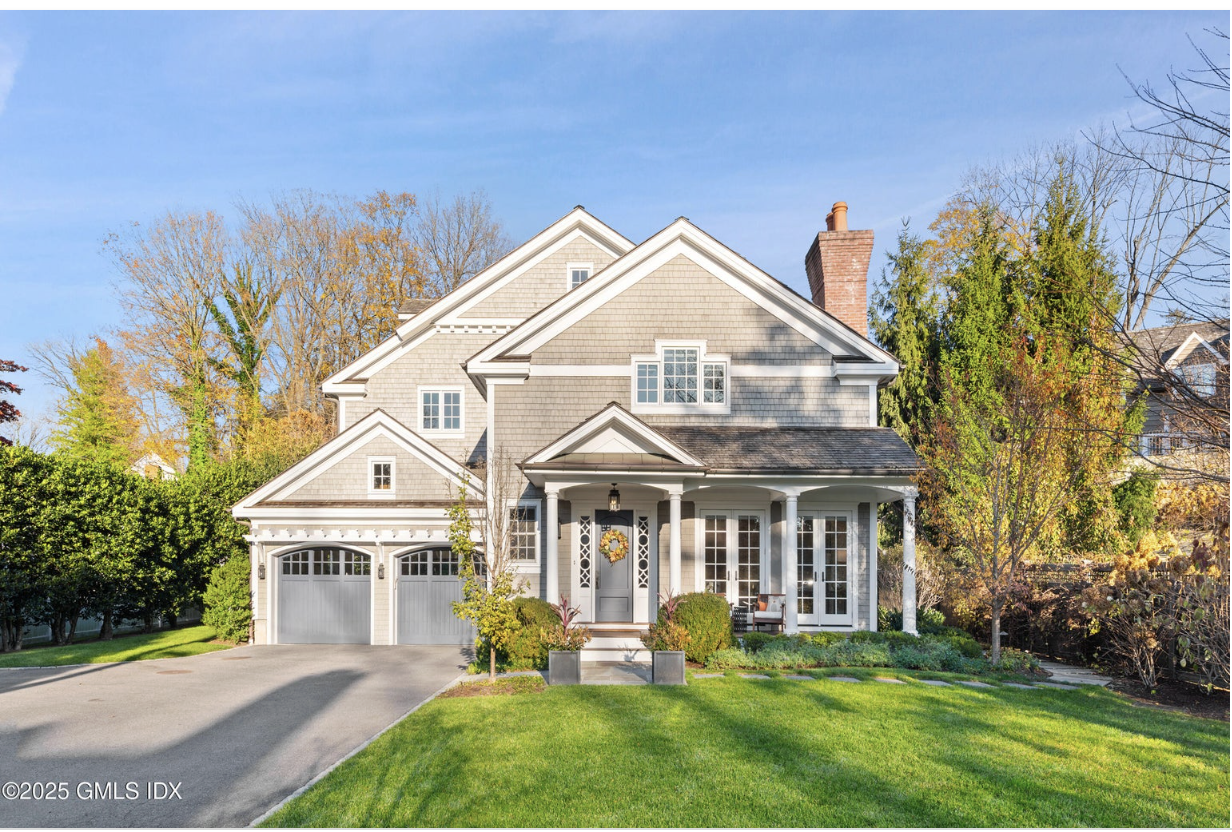

New Listing on Dearfield Lane

15 Dearfield Lane, $4.250 million. Not to be confused with its busier, adjoining neighbor, Dearfield Drive, Dearfield Lane is very quiet; nice location. I showed the house to clients of mine back when it was new in 2012 and they like it very much, but at the time, it was asking $3.945 million, and we all agreed that there were more attractive houses at that range, and passed. They ended up buying a much larger and, dare I say it, better house for $3.5, marked down from its original $7.

We weren’t the only ones who considered it over priced; it didn’t sell until 2014, when it went for $2.725 million. Those purchasers, in turn, tried for $3.395 in 2018 but had to settle for $2.7 in 2020. Now it’s back. Pretty much the same house, but certainly a different, improved market, so we’ll see.

Havemeyer sale

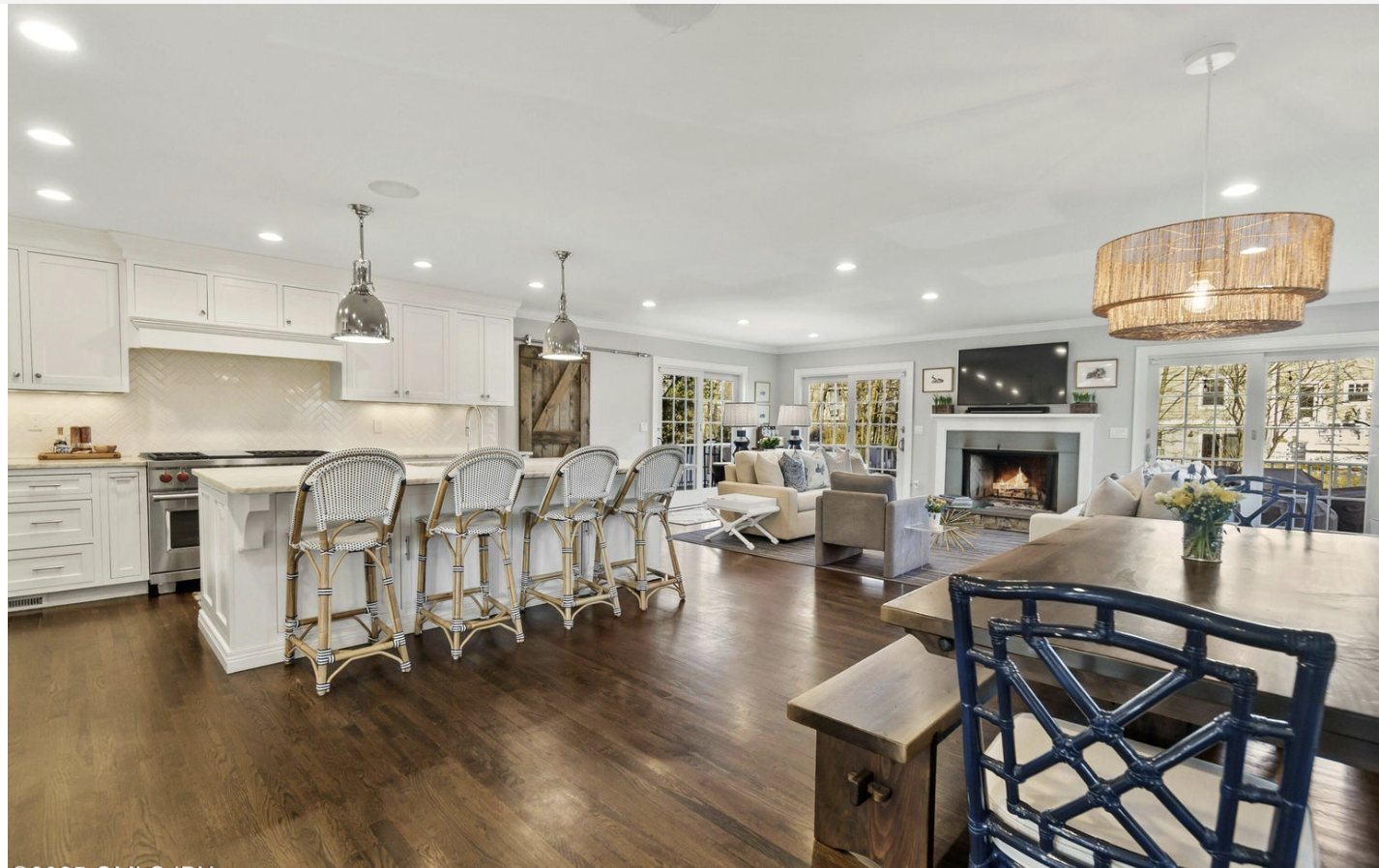
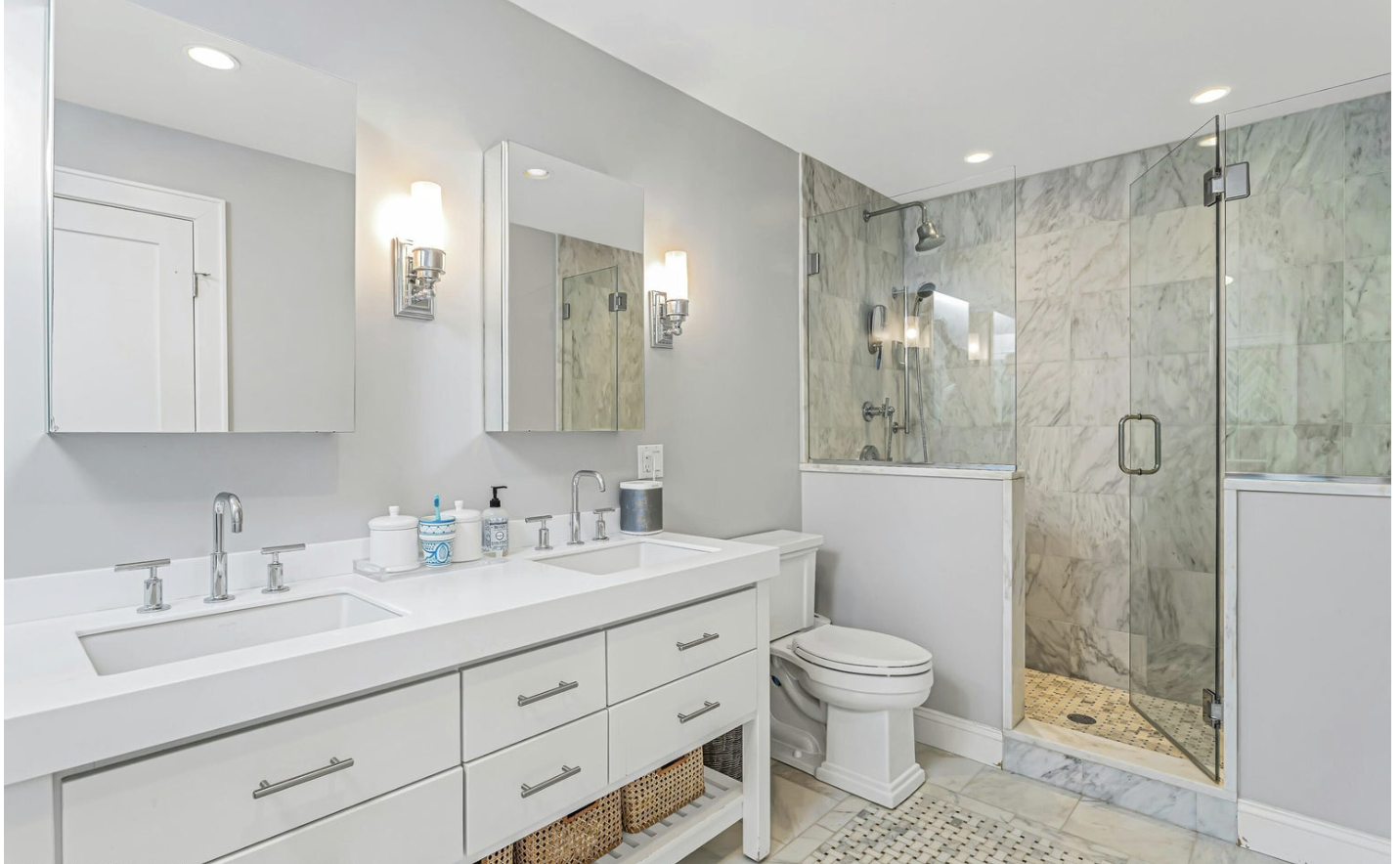
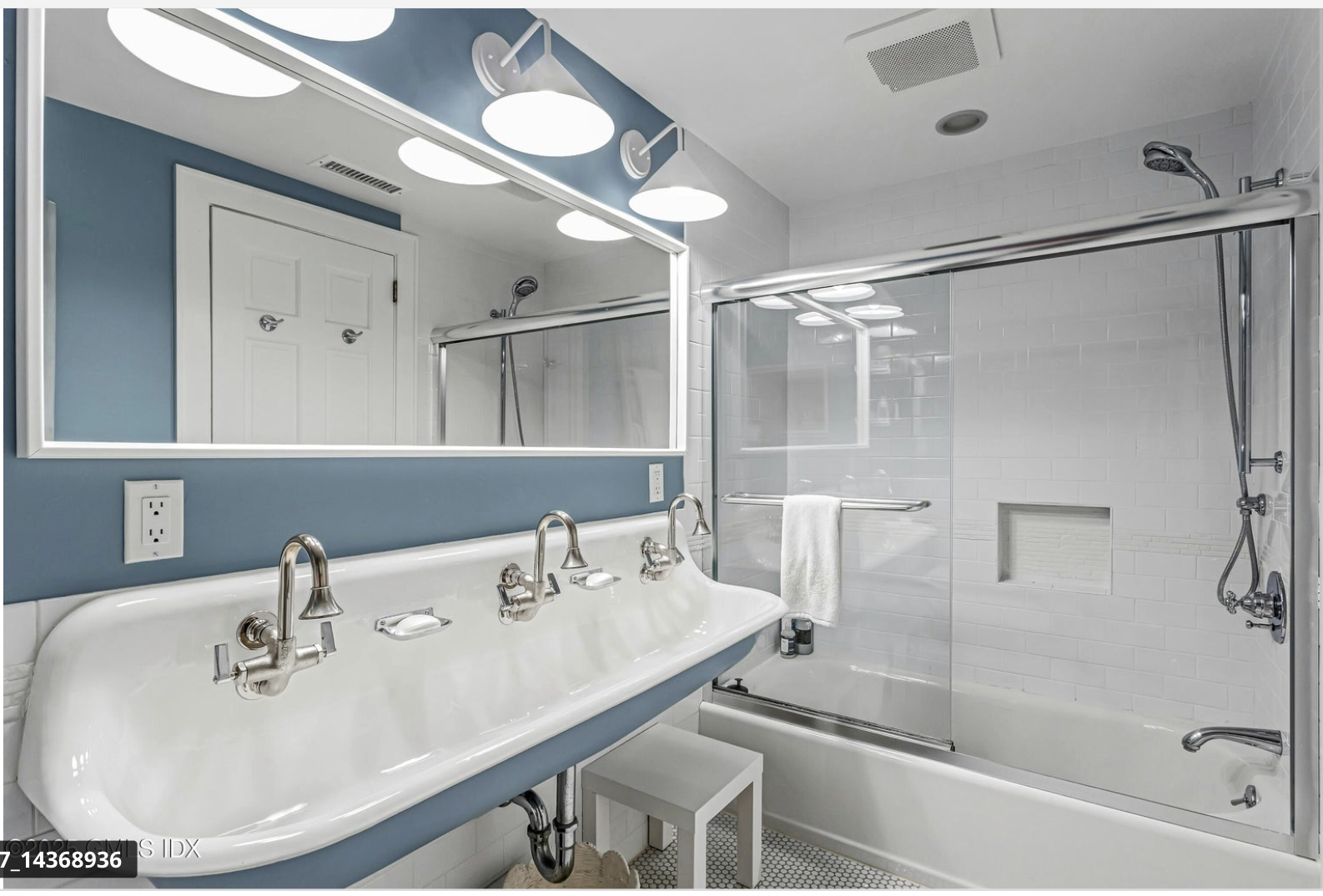
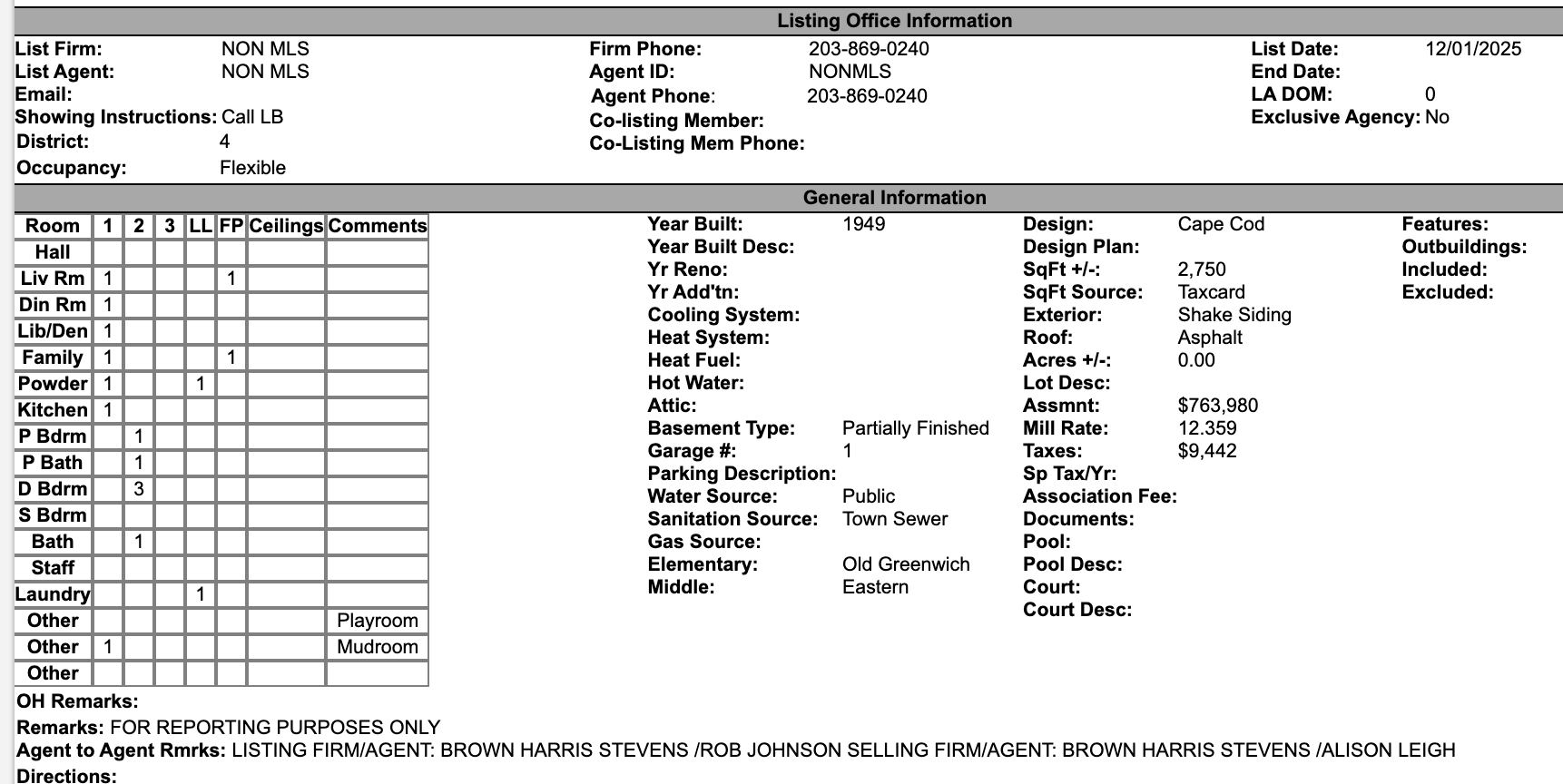
26 Marshall Street never made it to the MLS but was sold in-house instead for $2.7 million. 0.23-acres, 2,750 sq. ft. There must have been plans to list it, because the sales report includes some professional pictures that were presumably taken in anticipation of presenting the house to the public. Here are a few of them:

combo horse trough, urinal, and hand station? Just guessing

Well, it had to happen sometime

26 Andrews Farm $8.250 million

26 Andrews Farm finally has a contract. It was first listed in September 2023 at $8.495 million and stuck firmly to that price until July ‘24, when the owners pulled it from the market while they added a few zebra skins and children’s tipis and sloshed some fresh paint on the walls. It was returned to the market in October 2024 at an “improved’ price of $8.950 million and, again, stayed lodged there until September 2025, when it dropped to $8.250, where it has remained until today.

"COMPASSION" — but for whom?

New York released 7,000 illegal migrant criminals onto streets this year alone — including a machete-wielding maniac, a rapist and an attempted killer

7,000 more will be released soon, unless ICE can prevent it.

Hand them over, ICE says

ICE is now demanding that New York Attorney General Letitia James hand over some 7,100 illegal migrant thugs who are locked up in New York’s jails and prisons so they can be deported, according to a letter sent to the state’s embattled top lawyer Monday.

The feds say they want to ensure the convicts never walk free in New York. 

“These are people who are not only in the country illegally, but who have committed additional crimes, including heinous crimes like murder, rape, possession of child pornography, armed robbery, and many others,” Lyons wrote.

Currently, 7,113 aliens are locked up in New York with active detainers — and ICE is demanding that New York state turn them over. They are responsible for a combined 148 homicides, 717 assaults, 134 burglaries, 106 robberies, 235 dangerous drug offenses, 152 weapons offenses and 260 sexual predatory offenses.

Shielded by sanctuary laws

The letter obtained by The Post points to a staggering 6,947 illegal aliens with active ICE detainers who were released back onto New York streets since Jan. 20, many after local jurisdictions refused to honor federal warrants.

New York’s sanctuary laws tie the hands of law enforcement from cooperating with immigration agents, releasing crime suspects and even convicted child molesters back into the community — instead of shunting them home.

The linked-to article presents the resumes of several of the “Maryland Men” released fron New York jails to prey on society. Here’s one — it’s no wonder that Lititia was so desperate to buy a second home in Virginia: New York’s streets are becoming more dangerous every day.

Machete madman deported eight times

Also caught and released by New York authorities was career criminal migrant Alexander Moreno Montoya, who has charges including assaulting a police officer, criminal possession of a weapon and cocaine possession.

Although he was under an ICE detainer, he was released from Rikers Island on March 17, only to be caught by ICE Enforcement and Removal Operations in New York City on July 7 and removed from the US.

One of the most egregious cases highlighted by DHS is Jesus Romero Hernandez, 27, a Mexican national who despite being removed from the US on seven previous occasions was turned loose from Tomkins County Jail in January after serving a 179-day sentence for viciously attacking an Ithaca police officer with a machete.

The Tomkins County Sheriff’s Office had refused to honor a federal arrest warrant and released him. ICE managed to round him up on Nov. 5 and bounced him from the country for an eighth time.

Summary:

“Attorney General James and her fellow New York Sanctuary politicians are releasing murderers, terrorists, and sexual predators back into our neighborhoods and putting American lives at risk,” said Assistant Secretary Tricia McLaughlin in a statement to The Post.

“We are calling on Letitia James to stop this dangerous derangement and commit to honoring the ICE arrest detainers of the more than 7,000 criminal illegal aliens in New York’s custody. It is common sense. Criminal illegal aliens should not be released back onto our streets to terrorize more innocent Americans.”

I've never used Zillow for anything except the pictures (supplied by the GMLS), so I'd missed this now-discontinued "feature'

Well, a slender thread, perhaps, not a fabric. But at least they're outperforming Afghans in one performance category

Full post:

I'm not "afraid of Somali success". I am sad that Somali immigrants are so extremely unsuccessful here in Denmark, that they are a net expense for taxpayers of $24,000 on average per Somali immigrant per year. Worse than any other immigrant group! They are also extremely criminal, with a violent crime rate of more than nine times the Danish level. It's not just "one Somali that does something". 62% of them are convicted of a violent crime by the age of 30. Even in the light of Muslim / African immigration to Denmark which is overall highly unsuccessful, Somalis have an atrocious performance.

Democrats' knives come out for Walz

run away!

After studiously ignoring the scandal up to now, the NYT has finally “discovered” that there’s trouble in River City, and published a front page story this week on the Somalian scandal in Minneapolis. Not, as Powerline points out, because it’s suddenly news — Minnesota-based PowerLine and HotAir’s David Strom have been separately reporting on the fraud for several years —but because the Democrats want rid of the fat buffoon who’s dragging down the party’s prospects.

Sending a message

Scott and John have already covered the amazing piece today in the New York Times, under the headline,

How Fraud Swamped Minnesota’s Social Services System on Tim Walz’s Watch.

See the best quotes here. There is nothing truly goundbreaking in the story. You, dear reader, have heard it all before: first on this site, then later in the New York Post and the Daily Mail.

What’s different this time is that it’s in the New York Times. So people (Democrats, Independents) who have been in denial, or haven’t been paying attention, are now paying attention.

You are not the intended audience. The New York Times report has an intended audience of one: Minnesota Gov. Tim Walz. The feckless two-term governor was a catastrophe as a Vice Presidential candidate, and his bid for a third-term is dragging down the whole enterprise.

Walz heading the Democratic ticket in November 2026 could lead to a loss of the state and threaten the state’s electoral vores in 2028.

Democrats are telling Walz that he needs to go. Will he listen?

Mind you, there’s plenty to blame on Walz, as these (presumably Democrat) state workers will, now, happily attest. Interesting that they’re only coming forward at this time — did their party bosses prod them?

Minnesota government workers blame Walz for 'massive fraud' amid allegations against Somali community

More than 400 current staff members say governor 'systematically retaliated' against whistleblowers

More than 400 employees of the Minnesota Department of Human Services (DHS) accused Gov. Tim Walz of failing to act on widespread fraud warnings and retaliating against whistleblowers.

The Minnesota Department of Human Service Employees account, which says it consists of more than 480 current staff members at the Minnesota DHS, wrote on X that Walz is "100% responsible for massive fraud in Minnesota."

"We let Tim Walz know of fraud early on, hoping for a partnership in stopping fraud but no, we got the opposite response. Tim Walz systematically retaliated against whistleblowers using monitoring, threats, repression, and did his best to discredit fraud reports," the group claimed. "In addition to retaliating against whistleblower[s], Tim Walz disempowered the Office of the Legislative Auditor, allowing agencies to disregard their audit findings and guidance."

Excerpt fron the Times story — as noted , this will come s news onky to NYT readers, but there are (atill) a lot of them out there.

The fraud scandal that rattled Minnesota was staggering in its scale and brazenness.

Federal prosecutors charged dozens of people with felonies, accusing them of stealing hundreds of millions of dollars from a government program meant to keep children fed during the Covid-19 pandemic.

At first, many in the state saw the case as a one-off abuse during a health emergency. But as new schemes targeting the state’s generous safety net programs came to light, state and federal officials began to grapple with a jarring reality.

Over the last five years, law enforcement officials say, fraud took root in pockets of Minnesota’s Somali diaspora as scores of individuals made small fortunes by setting up companies that billed state agencies for millions of dollars’ worth of social services that were never provided.

Federal prosecutors say that 59 people have been convicted in those schemes so far, and that more than $1 billion in taxpayers’ money has been stolen in three plots they are investigating. That is more than Minnesota spends annually to run its Department of Corrections. Minnesota’s fraud scandal stood out even in the context of rampant theft during the pandemic, when Americans stole tens of billions through unemployment benefits, business loans and other forms of aid, according to federal auditors.

Outrage has swelled among Minnesotans, and fraud has turned into a potent political issue in a competitive campaign season. Gov. Tim Walz and fellow Democrats are being asked to explain how so much money was stolen on their watch, providing Republicans, who hope to take back the governor’s office in 2026, with a powerful line of attack.