
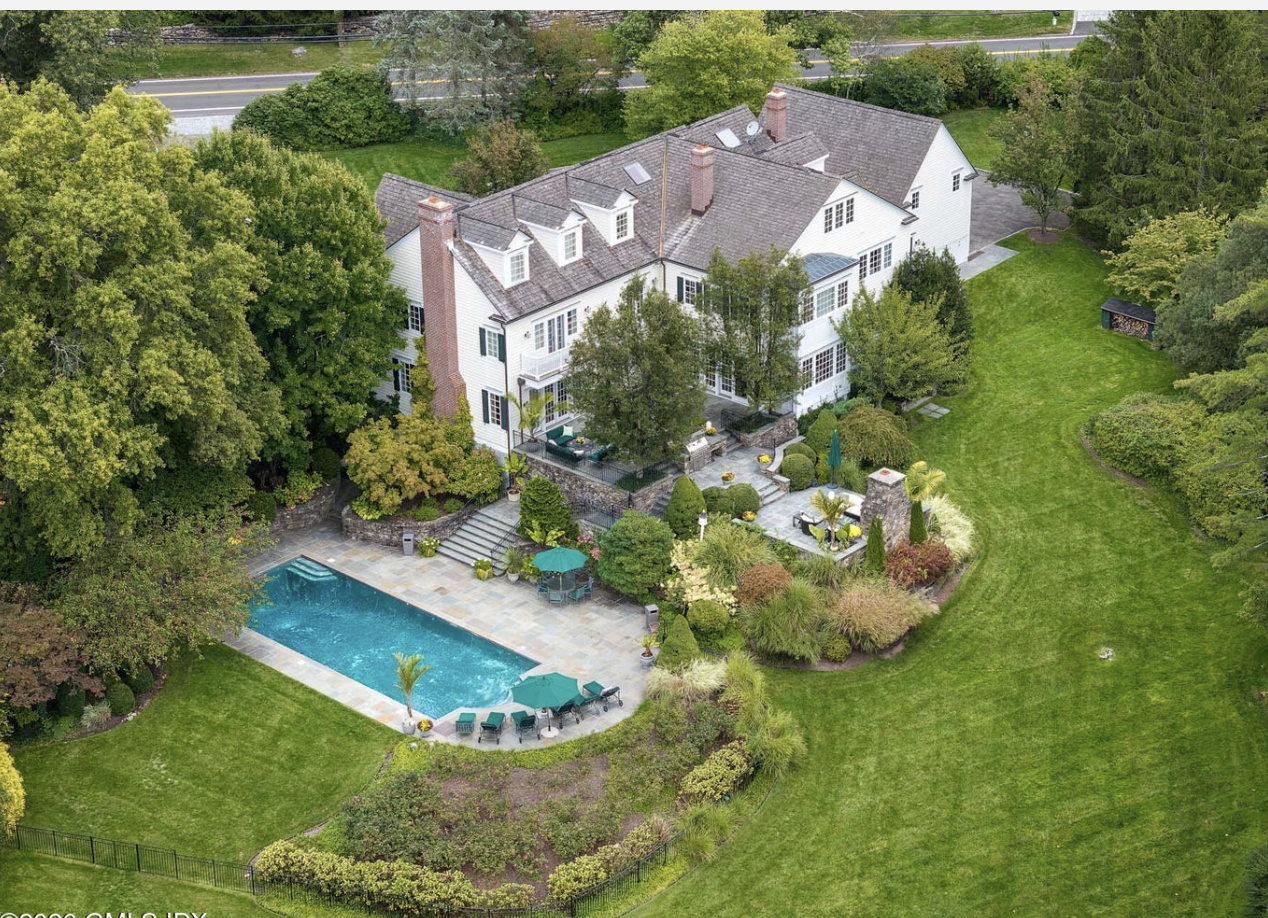

Contract in NoPo
/
45 Sunshine Avenue, $3.995 million.
Sunshine Avenue.
Governor cuts $3.8 million from a $55.8 billion budget: his fellow Democrats howl in anger and despair: “The cupboard is bare — there’s not a penny left to cut.”
/
Lamont vetoes $3.8M in lawmaker-approved spending, escalating feuding with Connecticut Democrats
The line-item vetoes are the latest development in the ongoing conflict between Lamont and Democrats in the legislature over earmark spending reforms. Lamont recommended across-the-board reductions of 20% to all legislatively directed funds in state agency budgets in the revised $28.7 billion budget for the upcoming 2027 fiscal year he proposed to the legislature on Feb. 4. The recommendations were not well-received by Democrats in the legislature.
A few days earlier, the Lamont administration issued a directive establishing policies and procedures for executive branch agencies to administer legislatively directed funds. The governor subsequently proposed legislation to codify these rules in state statute, and Lamont wanted to incorporate those proposals into the emergency-certified bill only to be rebuffed.
The Government Oversight Committee heard testimony the day before the House considered the emergency bill on a governor’s bill that proposes to require the General Assembly to enact legislation that identifies organizations receiving the earmarked funds, describes how the funds would be used and specifies whether funds could be directed to subgrantees or subcontractors.
The bill would exclude funding for disaster or emergency responses, funding directed to state agencies or municipalities, funding for formula-driven or competitive grant awards, or funding authorized by the State Bond Commission.
The legislation also would add an annual reporting requirement of the recipients of legislatively directed funds, the administering state agency and the state Office of Policy and Management, the governor's budget office said.
Lamont requested that his recommendations be enacted into law; not a chance in hell.
In a joint statement, Senate President Martin M. Looney, D-New Haven, and Senate Majority Leader Bob Duff, D-Norwalk, said the governor’s vetoes are deeply disappointing and “a troubling sign for the trust that must underpin our ability to pass legislation this session.”
Democrats have enough House and Senate members to override the gubernatorial vetoes. The Democrats have 102 members in the 151-seat House and 25 members in the 36-seat Senate. It takes 101 House votes and 24 Senate votes to overturn a veto.
A voice crying in the wilderness
Senate Minority Leader Stephen G. Harding, R-Brookfield, said in a statement Democrats were unable to explain the purposes for the earmark spending Lamont vetoed during last week’s legislative debates and called the legislature’s majority party “an arrogant supermajority.”
Harding said voters need to elect more Republicans to the legislature to shut down what House and Senate Republicans are calling the “candy store” that Democrats have created to support favored organizations and projects, and reward Democratic legislators.
There’s not a chance in hell of that happening either.
Accountability? Not on your life.”
What the new oversight rules would (temporarily) require
The first step under the latest guidance following the audit directs executive branch agencies to request legislative leadership to provide in writing the legislative intent of the budget earmarks, including whether subgrants are intended or permitted.
The required documentation includes legal names and addresses of prime recipients and subrecipients, among other information. Recipients and subrecipients must certify they have not been suspended or disbarred from any federal, state, local or tribal programs, awards, contracts, grants or procurements within the last three years, the announcement said.
They must also disclose any criminal convictions or civil judgments in connection with obtaining, attempting to obtain or performing a transaction or contract with any governmental entity, according to the announcement. That would include a violation of federal or state antitrust laws or commission of embezzlement, theft, forgery, bribery, falsification or destruction of records.
The guidelines advise executive branch agencies to ask prime recipients or subrecipients whether the state has terminated or suspended a contract with the organization over breaches or concerns about the health or welfare of clients. They should also inquire whether the organization is the subject of any investigation by any local, state or federal agency. In addition, state agencies should ask whether the organization has ever declared bankruptcy, owes any local, state or federal taxes, or is in default under any current loan agreement, according to the announcement.
Even this modest proposal — gee, revealing the names and addresses of the people with their hands in their representatives’ pockets? How rude! — would exempt one of the Democrats’ favorite slush funds, the “minority set asides” reserved until last year solely for Blacks and Puerto Rican crooks, but expanded at the demand of two other racial groups, Asians and Pacific Islanders.
The latest oversight directives exclude budget earmarks distributed through the legislative and judicial branches because of the constitutional separation of powers, OPM spokesman Chris Collibee said.
For example, the updated guidelines do not apply to $25.6 million in legislative earmarks included in the current two-year, $55.8 billion state budget to support youth programs because the judicial branch awards those funds. Members of the legislature’s Black and Puerto Rican Caucus and the more recently established Asian American and Pacific Islander Issues Caucus selected the recipients.
Still think a 5-10% “wealth tax” can’t happen here?
Say, here's a shocker
/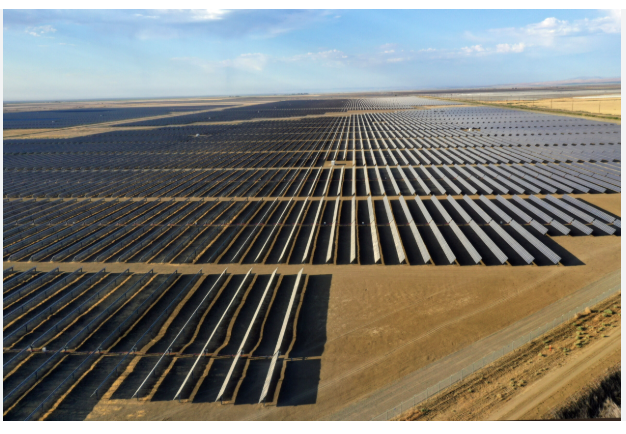
Solar Scam: How California Turned “Green Energy” Into a Slush Fund for Activism, Rate Hikes, and Tree-Cutting
New report alleges $900M taken from solar panel program and pumped into Democratic Party voting activism.
CAL DOGE, California’s Department of Government Efficiency initiative led by Republican gubernatorial candidate Steve Hilton, released a report alleging that $928 million from the Solar on Multifamily Affordable Housing (SOMAH) program—funded by gas taxes and electric bills—has been diverted to Democratic voter registration and leftist activism instead of solar installations.
CAL DOGE said that according to SOMAH’s latest report they have completed only 269 projects for a total of $72 million.
…The report lists what CAL DOGE called the partner organizations of SOMAH, who were “double dipping on public funds to provide solar panels on apartment buildings.”
It continues: “But actually are building a left-wing activist machine in economically disadvantaged neighborhoods across the state.”
Meanwhile, the California solar power industry is facing challenges. Changes to the Net Energy Metering Program in 2023 reduced the amount of money solar-power homeowners received for energy they sold back to the grid by 75%.
Demand for rooftop solar fell…unexpectedly. And there has been no rebound.
More than 17,000 solar jobs were lost according to CALSSA, with demand falling 80% post-implementation and numerous companies filing for bankruptcy.
The solar market contracted 31% year-over-year in 2024, according to the Solar Energy Industries Association (SEIA). This decline threatens California’s mandate to achieve 100% carbon-free electric energy by 2045, a goal that requires solar energy to account for more than half of that generation.
“We haven’t seen a rebound in the market two years after NEM 3.0 went into effect, so we really need to increase the rate of rooftop solar installation,” Brad Heavner, executive director of the California Solar & Storage Association (CALSSA), said in an interview with techxplore after the ruling. “Something has to happen and the environment just got even more challenging.”
To round out the news describing the total disaster related to California’s solar energy programs, there is a proposal for the Coyote Creek Agrivoltaic Ranch solar project in eastern Sacramento County that is causing much controversy in the impacted community.
There, developers plan to remove about 3,493 mostly blue oak and other native trees across roughly 3,000 acres of oak woodlands, grasslands, and vernal pools… all in the name of “green energy”.
Gavin Newsom’s California is so committed to saving the environment, they are clearcutting 3,493 mature/old-growth oak trees in native woodlands, grasslands, and vernal pools to make way for 3,000 acres of solar panels pic.twitter.com/InZFwyxG1j
— Kevin Dalton (@TheKevinDalton) January 14, 2026
When politicians hide partisan organizing and bloated bureaucracy behind the feel‑good language of “green energy,” they don’t promote solar power, but weaponize it by raiding funds slated for installations to use for leftist activism, yanking away promised rooftop savings with mid‑stream rule changes, and even clear‑cutting native oak woodlands for industrial solar fields.
All the confiscated wealth in the world won’t be sufficient to meet the greed of politicians and their constituents, nor will it produce anything of value.
The future awaits
/
“Throughout history, poverty is the normal condition of man. Advances which permit this norm to be exceeded — here and there, now and then — are the work of an extremely small minority, frequently despised, often condemned, and almost always opposed by all right-thinking people. Whenever this tiny minority is kept from creating, or (as sometimes happens) is driven out of a society, the people then slip back into abject poverty.
This is known as "bad luck.”
―Robert Heinlein
Democrats want billionaires to foot the bill for $3,000 payouts to American households
(And that’s just the beginning)
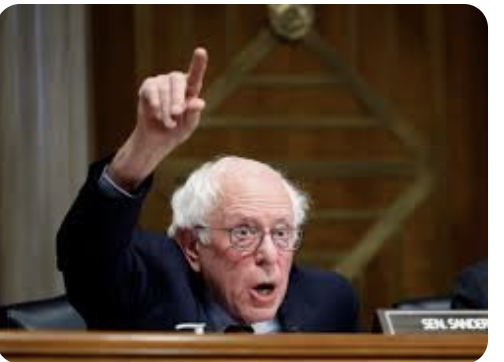
Progressive lawmakers Sen. Bernie Sanders, I-Vt., and Rep. Ro Khanna, D-Calif., are targeting the billionaire class with massive new tax proposal that seeks to seize trillions from the nation's wealthiest individuals to fund a sweeping government spending spree.
Announced Monday, the "Make Billionaires Pay Their Fair Share Act" targets 938 individuals, including titans like Elon Musk and Jeff Bezos, for an estimated $4.4 trillion over the next decade — a move Sanders claims is necessary to fix a "corrupt tax code" that has seen wealth redistributed from the bottom 90% to the top 1%.
"At a time of unprecedented income and wealth inequality, this legislation demands that the billionaire class in America finally pay their fair share of taxes so that we can create an economy that works for all of us, not just the 1%," Sanders said in a press release. "We can no longer tolerate a corrupt tax code that enables billionaires to pay a lower tax rate than the average worker."
"We have a deep economic divide in this country. On one side, places like Silicon Valley are generating extreme wealth. On the other side, families are struggling to cover the cost of health care, housing, and basic needs. We can tax billionaires a modest amount to make sure everyone has a fair chance while keeping our innovative engine," Khanna said in the same press release.
The core of the proposal is a direct 5% annual wealth tax on assets, not just income, exceeding $1 billion. Sanders and Khanna project the bill to raise $4.4 trillion in revenue over 10 years.
The measure would direct new tax revenue toward one-time $3,000 payments for individuals in households earning $150,000 or less, meaning a family of four could receive up to $12,000.
The legislation cites several high-profile figures to illustrate its reach: Elon Musk would owe $42 billion, Mark Zuckerberg could pay $11 billion and Jeff Bezos would owe an approximate $11 billion.
That’s a one-time payout of confiscated money; after that, the assets will continue to be seized and sucked into Washington to be distributed by the politicians to their friends to spend wisely and well. (Like, for example, NYC’s new “free” child care program @ $36,500 per head)
The $4.4 trillion in estimated revenue is earmarked for a massive expansion of the federal safety net and public infrastructure, including a more than $1 trillion Medicare and Medicaid expansion, building affordable homes, capping childcare costs and establishing a minimum $60,000 salary for public school teachers.
"To accept this revenue estimate as credible, you must believe that a 5% annual wealth tax on billionaires—on their investments and their closely-held businesses—will have no economic ramifications worth mentioning," Tax Foundation senior fellow Jared Walczak wrote in a post on X.
The bill won’t pass this year, but when the Democrats regain control of the country? Count on it; they are the now the party of the radical far-left, and this idea will be popular not only with their base, but chumps everywhere: the same plan in California is expected to pass easily this fall, and that will embolden the new socialist party to bring it national.
The media has already begun the campaign, and Ira Stroll at Free Beacon offers a taste of how it’s starting:
Almost as if coordinated, the New York Times unleashed a four-byline project about what it called “America’s New Gilded Age.” The Times story, which was published as a news article, hit nearly the same theme as the Sanders and Khanna press release. “One of the central quandaries the country now faces is how to govern in an era when such vast wealth both controls a large part of the economy and is increasingly used to access political power,” said—OK, you guess, was that from the Times article or the Sanders and Khanna press release?
TDS strikes hard (Updated)
/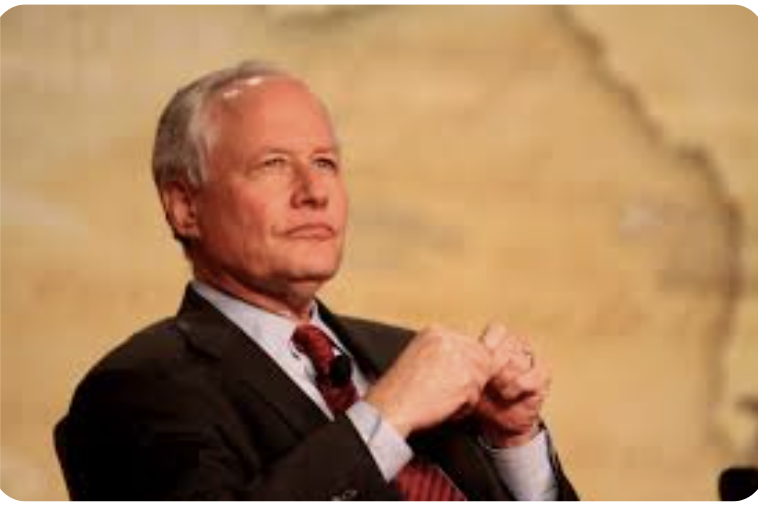
Neocon Bill Kristol, once a conservative, has been so addled by his frothing-at-the-mouth Trump hatred that he’s gone entirely left-wing (see below), and now he can’t even hold his own thoughts and positions in his head for more than a few days, if at all.
Sad.
Bruh you were calling for war with Iran a month ago pic.twitter.com/W3vYJ8W40f
— Sunny (@sunnyright) March 3, 2026
Here's what Kristol said:
Bill Kristol: I think a lot of the younger Democrats are quite impressive. Uh, I wish—
Dhriti Jagadish: —Any names [in Democratic politics] stand out to you?
Bill Kristol: Yeah, well, I’d say both. I live in Virginia. So, Abigail Spanberger, who I think will win in November, is really excellent. It might be Sherrill, actually, in New Jersey, excellent. And so, part of my core praise for Mamdani has been that, you know what, if we elect three Democrats who win in November—the three big races, really—and it’s Spanberger or Sherrill and Mamdani? That’s okay.
You know, New York City gets to have a left-wing mayor. It’s not the first time, and it’s different from the rest of the country. I wish they were a little less, you know, tolerant of certain things—on Israel, and so, against Israel and all that. But some of the economic stuff, I think, is just silly, but I don’t think it’s going to matter.
Shiv Parihar: Do you think you would vote for him [Mamdani] if you were voting in New York?
Bill Kristol: You know, I think so. I really can't think—the idea of going back to Cuomo is just, I think, ridiculous. I think if it had been the first round, I would’ve voted for someone else and maybe wouldn't have even ranked Mamdani and would've had other people who were more centrist, liberal types.
UPDATE: as it turns out, quite a number of political figures are having difficulty with their memory. Here’s Dick, “Stolen Valor” Blumenthal, breaking wind his silence; he probably should have stayed in bed (by the way, someone in the post below notes that “war of choice” is the new buzzword for this crowd — he’s right. How weird!)
Sen. Richard Blumenthal 2026: Denouncing Trump's attack on Iran as a “unilateral action without accountability...engaging in a war of choice that rejects opportunities for diplomacy."
— Jonathan Turley (@JonathanTurley) March 3, 2026
Blumenthal 2011: Praising Obama's unilateral attack on Libya as a "prudent, decisive action."
A full eleven days between listing and contract, but the blizzard probably slowed things up
/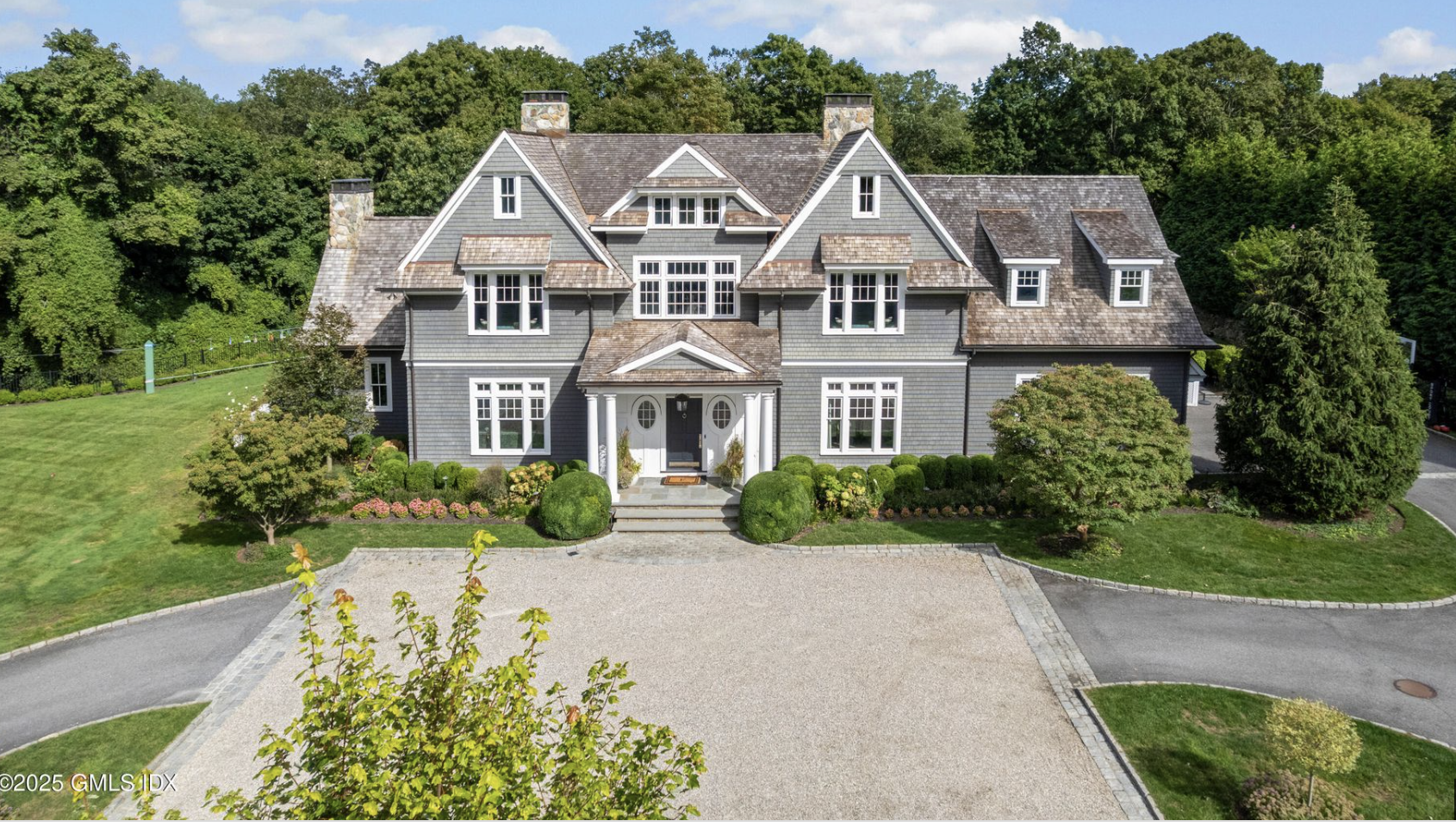
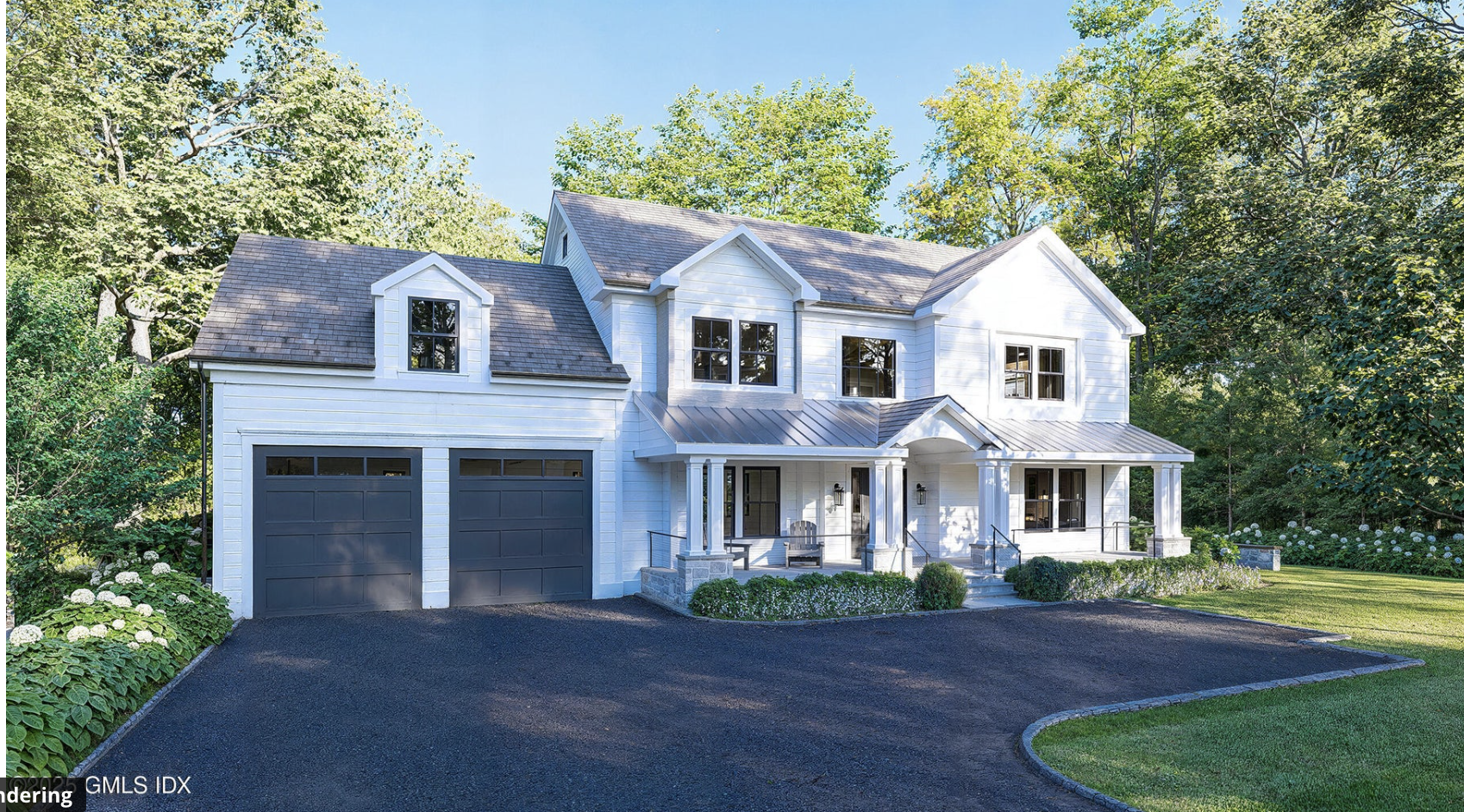
(No, I don’t know why this picture is dated 2025, but I suppose readiness is all)
315 Stanwich Road reports executed contracts; listed at $7.995 million February 17th. The owners left the Pacific Palisades for the east coast during COVID (ahead of the wildfires, so smart move) and paid $6.150 million for the house in June, 2021. A pool’s been installed, and the dining room painted our now- mandatory gloss-grey (inexplicably left in 2010’s color, beige, by the previous owners), but even allowing for those expenses they should be making out alright here. Of course, if they’re merely relocating to Riverside, those newfound funds will be soon be dissipated covering that neighborhood’s skyrocketing prices, but there it is.
Taconic Road listing
/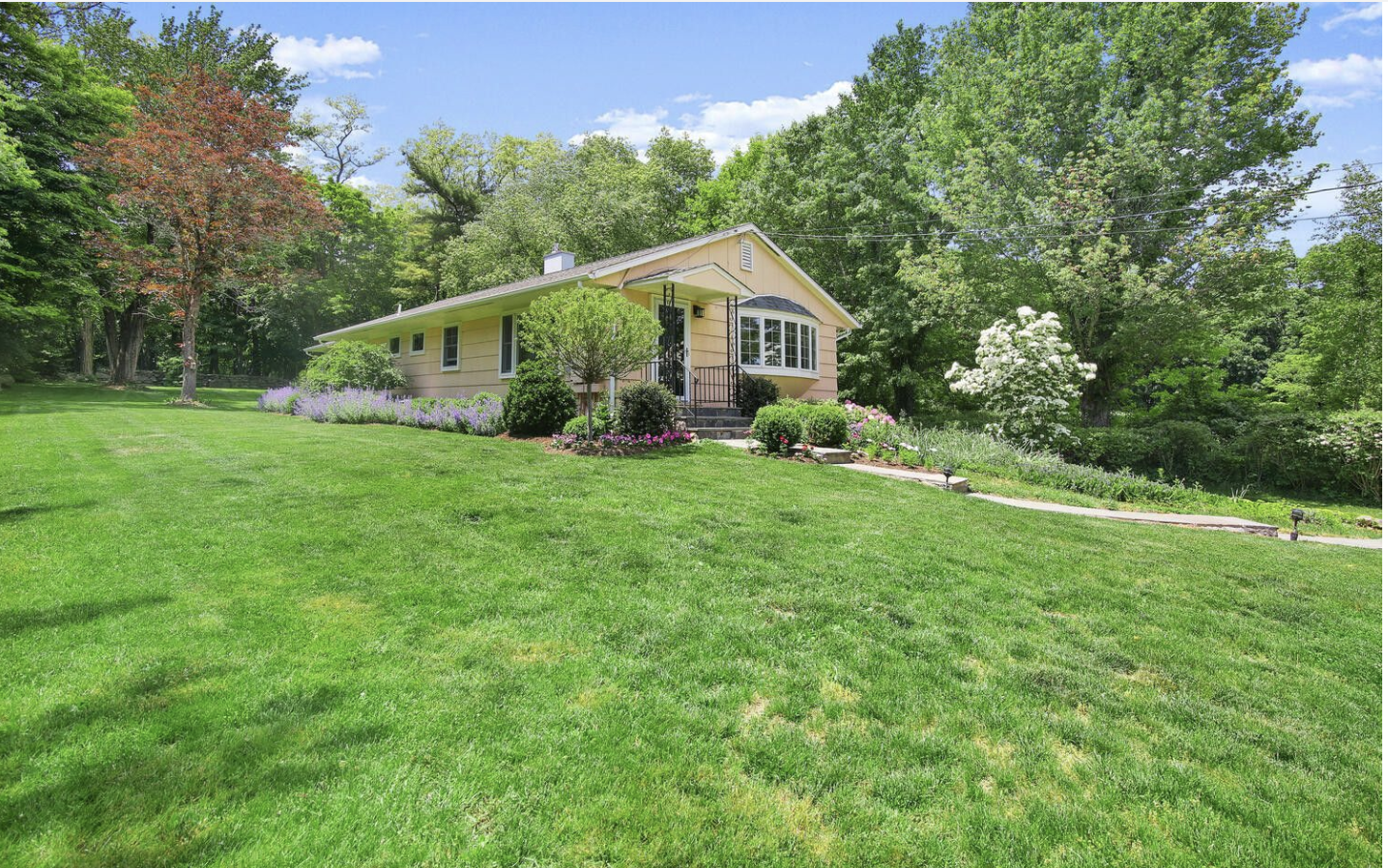
395 Taconic Road, $1.395 million. It’s on just 0.63 of an acre in the 4-acre zone, so I doubt it can be expanded beyond its 1,680 sq. ft. (to give you a notion of the insanity of our FAR limits, ostensibly imposed to limit house sizes to an “appropriate” scale, this lot in the 1/2 acre - R-20 — zone would be considered oversized, and FAR would allow a house of 8,918 sq. ft.). Still, for a the right person or people, this could work.
As it did for the original owners, Grace and Frank Novak, for many years. Back in 2014, my friend, the late Jerry Dumas wrote a remembrance of them:
A shared life, in love and war
July 30, 2014
A few weeks ago Grace Novak died. She was 91, and lived just up the road with her husband, Frank, 88. The burial ceremony took place close to both our houses, at the small cemetery across Taconic Road from the old Stanwich Church. Grace, a U.S. Navy Wave, served in Washington during World War II, working at decoding Japanese messages. ("You didn't have to be an expert with the language," Frank once told me. "It was done with numbers.")
On Saturday morning in the sunny cemetery, there was a 21-gun salute for Grace. Then a bugler played "Taps." Frank, sitting in his chair, stared at the ground, saluting his wife, tears streaming down his face.
No onlooker stays dry-eyed when "Taps" is played.
Then Frank Novak went back up the road to his house, to start living alone.
Not long after, Frank came over to our house for wine and hamburgers. He told stories.
"We had great gardens. Grew tons of vegetables. We argued about the best way to do weeding. I used a hoe. Grace was always on her knees, digging. It took forever, but she always had to get out all the roots."
"One night I came home from work, saw dust on a table, and wrote with my finger: DUST ME. An hour later I came back to have a look.
She had written: SCREW YOU. Or words to that effect."
To back up a little:
Frank and Grace both grew up in Byram, which he continued to call East Port Chester, just a block apart.
They knew each other as kids, and went to New Lebanon School. Frank graduated from Greenwich High School in January 1944.
That same month he enlisted, and in May found himself in the Infantry, undergoing Basic in Camp Wheeler, Ga. He wound up lugging a bazooka in the anti-tank company, 272 Regiment, 69th Infantry -- the Fighting 69th.
In November 1944 a huge convoy crossed the Atlantic; one of the ships was the Queen Mary.
Frank's ship was a small one named the Santa Maria, of all things. It broke down and sat motionless, alone, for two days. The convoy moved on, the German subs too, presumably.
The crossing took 18 days.
Christmas 1944 -- the Battle of the Bulge had begun in Belgium. Frank and the Fighting 69th went over from England with all the others.
He was trucked to the front. It was a land of snow, ice, mud, forests, bombs, explosions, and German soldiers dressed as American MPs misdirecting traffic at crossroads.
The Germans had the best tanks, Tigers and Panthers, heavily armored, firing their feared 88 guns. Frank and his bazooka could only hope to get close enough to a tank so he could blast the treads, rendering it immobile. The heavy guns behind him could take it out.
Frank's other weapons were his .45 pistol, carbine and M-1 rifle. He never had trouble getting hold of a weapon or ammo -- he could get all he needed off dead American soldiers.
Meanwhile, Frank's brother, Stephen, a B-24 Liberator pilot, completed his 25 missions, then died in a plane crash, as an observer.
Grace's brother, Harold, a P-51 Mustang pilot, died three days before the war ended.
Grace and Frank got married when the war was over and he went into the advertising business: Benton and Bowles, Ted Bates, and then for 22 years, general manager and advertising director for Panasonic. For a long time he drove an hour and a half each way to his office in New Jersey hoping to get home each night in time to see their daughters, Nancie and Lisa.
In retirement Frank sang with the Holly Hill Tones (18 singers, two guitars) at schools and nursing homes, spent summers at their place in Vermont, steps from Lake Champlain, and each Memorial Day he placed American flags on veterans' graves in Stanwich Cemetery.
Recently, not long after our evening together, neighbors began to wonder about him.
Elissa Engelhardt saw that he hadn't picked up the newspapers for two days from the spot where she always carefully placed them.
She and Herbie and Missy Farquhar went into the house. Frank was on his bedroom floor, two fists resting on his chest.
So Frank is back beside Grace, where he was for so many years.
There was a 21-gun salute, and this time two soldiers, rather than Grace's two sailors, slowly and carefully folded the American flag. "Taps" was played again. Frank and Grace hadn't been separated very long.
Grace died on Memorial Day. Frank died on July 4, Independence Day.
Moving back after Mamdani's win?
/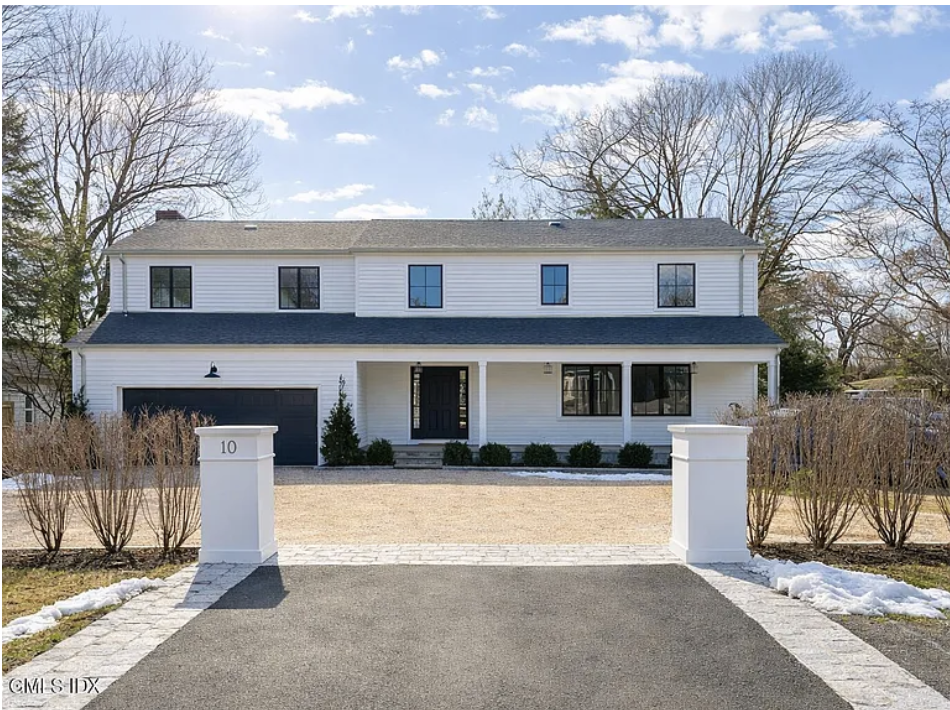
The owners of 10 Lockwood Road in Riverside paid $3.350 million for it on April 4, 2024, after moving from Battery Park City. They’ve now placed it back on the market for $3.795.
One advantage a hot market offers sellers (besides increasing the odds of selling their house) is that there is immediate market price signalling
/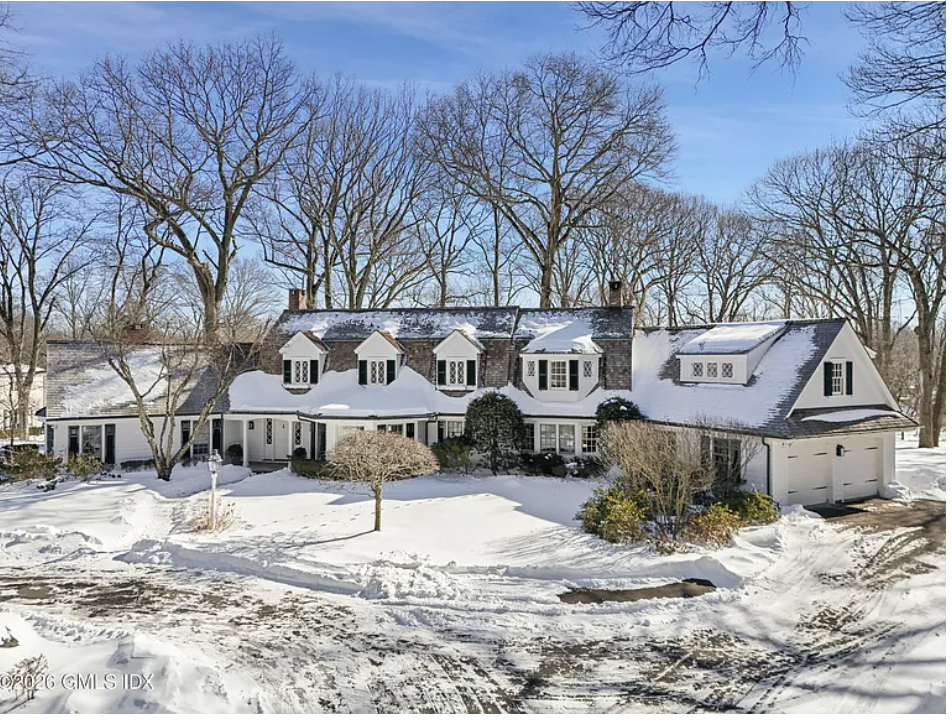
14 Pinecroft Road dropped its price today to $5.450 million, just seven days after hitting the market at $5.795. In a slow market, one might be tempted to wait a bit to see whether a buyer shows up (as was done with this same house back in 2007-2008, when it stayed on for months, dropping from $4.950 to $3.995 million — it never did sell), but currently, with buyers stacked up with nothing to buy, an overpricing is immediately exposed. Smart move.
(Very nice house, by the way, in a good location.)