
If you were planning to attend tomorrow's public open house, your schedule's just been freed up.
/6 Wyngate Road is reported pending. Three days.
Greenwich, Connecticut real estate, politics, and more.
Greenwich, Connecticut real estate, politics, and more
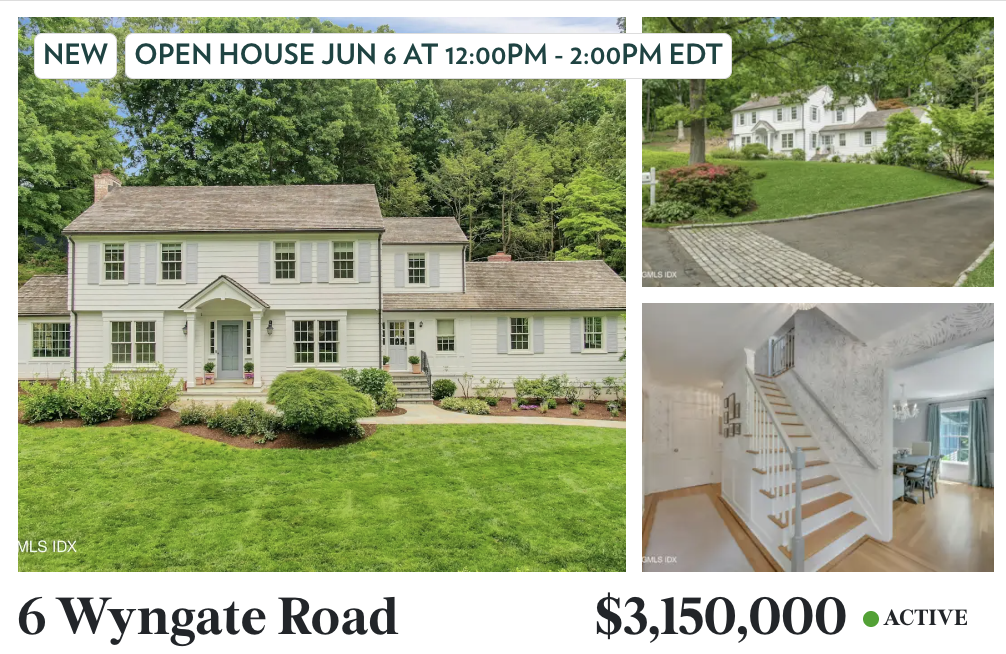
6 Wyngate Road is reported pending. Three days.
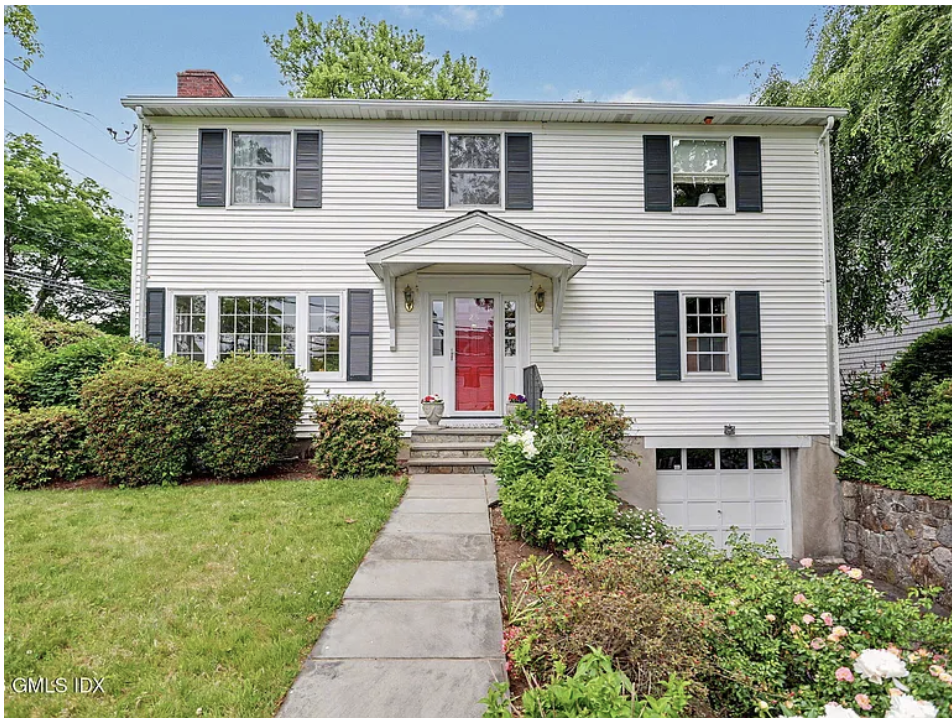
26 Linwood Avenue, Riverside. Guide price, $2.425 million.
How markets change over time. This house sold to a friend of mine, a fellow-lawyer, in 1989 for $585,000, but when he went to sell it in 1999, it sold to this current owner for just $525,000. I’m confident she’ll do better than he did.
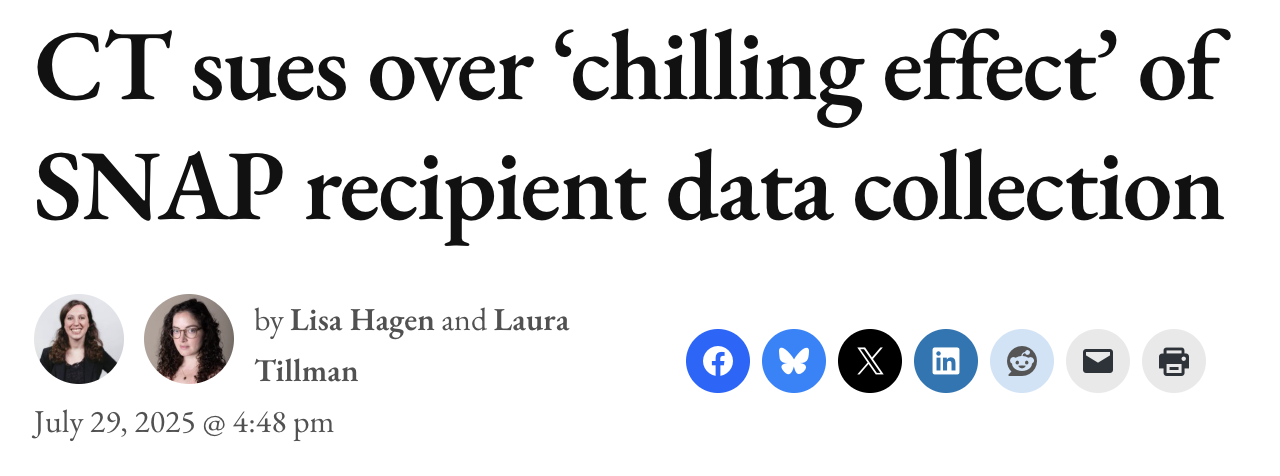
And why would CT do such a thing? Well, that article headline’s from July of last year; here’s what was going on yesterday:
Rep. Angie Craig (MN-02) asked Rollins if she knew what the most recent Supplemental Nutrition Assistance Fraud (SNAP) fraud rate was, according to the United States Department of Agriculture Data. She apparently thought she had a "gotcha" point to poo-poo concerns about fraud. It did not go well for her.
.@USDA has NEVER had access to State SNAP data. Not until this Administration demanded it.
— Secretary Brooke Rollins (@SecRollins) June 4, 2026
That’s why every figure from years past is meaningless. From the 29 states that DID share data, we’ve already identified at least $3 billion a year in fraud.
Extrapolated nationwide: more… pic.twitter.com/st2Nf58fIR
Rollins explained that the number isn't accurate because it was based on data that they are unable to verify. She pointed, for example, to California or Minnesota (Craig's state). As we have seen, Minnesota has been a hotbed for fraud. That's when Craig started interrupting, "Reclaiming my time! Reclaiming my time!"
Craig then tried to insist that SNAP had the lowest fraud rate of any program in America. Rollins couldn't quite believe she said that, and almost laughed out loud. "You can't be serious when you say that!" she said. She nailed Craig, saying that if states like Minnesota wouldn't provide the data, they can't properly verify the accuracy.
@USDA has NEVER had access to State SNAP data. Not until this Administration demanded it. That’s why every figure from years past is meaningless. From the 29 states that DID share data, we’ve already identified at least $3 billion a year in fraud. Extrapolated nationwide: more than $10 billion. This isn’t “erroneous payments.” This is FRAUD — and yes, @RepAngieCraig, I know the difference. Do you?
Then Vance weighed in:
If the fraud rate is really as low as Democrats claim, why are they fighting so hard to hide the data? Why not just work with USDA to audit and validate where the money is going? Their resistance to us going after fraud is part of why these programs ballooned in the first place. https://t.co/ZaO6i9mKia
— JD Vance (@JDVance) June 4, 2026
Here’s the story behind this post’s illustration:
Attorney General William Tong joined a multistate lawsuit challenging the Trump administration’s effort to require states to share personal data of individuals who have received or applied for nutrition assistance.
The lawsuit cites concerns about the “chilling effect” it could have on participation in a program to help low-income families.
States must provide the U.S. Department of Agriculture, which oversees the Supplemental Nutrition Assistance Program, with information on beneficiaries and applicants of the last five years by Wednesday. USDA has indicated it could withhold funds that help states administer SNAP if they don’t comply.
In May, USDA’s Food and Nutrition Service informed state officials that they would need to provide records to identify enrollees and applicants from the beginning of 2020 until present day by July 30. That information includes, but isn’t limited to, names, dates of birth, personal addresses and Social Security numbers. If they don’t send that information, the guidance notes that could “trigger noncompliance procedures,” which includes the withholding of funds.
The request is part of a wide-ranging effort to collect data from all state programs that receive federal funding and to comply with President Donald Trump’s executive order. According to USDA guidance, receiving such information will combat “bureaucratic duplication and inefficiency” and help detect fraud.
…. Tong joined Democratic attorneys general in 20 other states plus the District of Columbia in a lawsuit filed Monday, alleging the demand is unconstitutional and violates federal privacy laws. The lawsuit asks the federal court in California to block the administration from conditioning funding on whether states provide SNAP data.
In a statement, Tong said it was unclear why USDA is collecting information and worried about possible misuse. The lawsuit points to additional data collection across the federal government, warning the latest push could be used to help carry out the president’s mass deportation efforts.
“The USDA’s actions are an unprecedented, illegal threat to the privacy of families here in Connecticut and across the country,” Tong said. “By law, Connecticut cannot disclose personally identifying SNAP data unless under very specific and strict circumstances. In this instance, none of those limited circumstances exist. No one knows why this data is being collected, who would be allowed to see it, or if it would even be stored correctly. This is simply yet another attempted illegal power grab by this administration, and we will not bow down to these baseless and reckless demands.”
Not saying that this has any possible connection, of course, but $157 million spent on state employees sounds like aa lot of phoney-baloney jobs to protect:
Noncompliance could affect the funding that Connecticut and other states receive to help operate nutrition assistance. Connecticut had about $157 million in SNAP administrative costs for fiscal year 2024, and half was reimbursed by the feds.
Keith Faber
I’ve been sounding the alarm about Medicaid fraud, waste and abuse since becoming Ohio’s Auditor of State in 2019. I’m thankful more people are taking notice and voicing a commitment to addressing the misuse of tax dollars.
The Ohio Department of Medicaid makes up the biggest part of the state’s biennial budget, with about $40 billion annually in the state general fund and federal funding directed to health care and related programming for about 2.9 million lower-income residents, older adults, individuals with disabilities, pregnant women, infants and children, and others. It’s a large, complex program administered (often inconsistently) with confusing rules and ample system and human error.
Year after year, my office has pointed out issues in the Medicaid system and error rates that are likely leading to hundreds of millions or billions of dollars in potential fraud, waste and abuse.
Consider:
In 2020, we identified more than $455 million in Medicaid benefits paid to ineligible recipients due to flawed oversight.
In 2022, we found that state agency administrators failed to recover $118.5 million in duplicate or improper payments tied to prison inmates and dead people.
In 2022, we also noted agency-level failures to act on multi-state enrollment eligibility alerts that cost taxpayers up to $24.5 million.
In 2024, an audit identified more than 124,000 people enrolled in Medicaid programs across multiple states, with Ohio paying managed-care organizations more than $1 billion for potential duplicate services.
Most recently, the annual State Single Audit reported an error rate of 15.6% for payments made for services for residents who had died or were otherwise ineligible for Medicaid programming, meaning potential unallowable costs of $800 million to $4.4 billion. That’s not including the dozens of other Medicaid provider audits we’ve conducted that have included more than $20 million in improper payments in the past seven years.
The list goes on and on.
These are not minor bookkeeping errors. They are the direct result of an administrative unwillingness to enforce the strict boundaries of the law.
One glaring example involves Medicaid-funded home healthcare. Federal law requires states to use Electronic Visit Verification (EVV) systems to confirm that in-home services actually occurred before payments are processed.
In 2024, we found that roughly half of Ohio's Medicaid-reimbursed home healthcare services skipped this required verification entirely, despite a $146 million investment to implement the system. This lack of agency enforcement leaves the backdoor wide open for unscrupulous providers to engage in improper billing for services that may never have occurred.
Furthermore, recent reporting has raised questions about unusual provider concentrations and billing patterns within Ohio’s home healthcare sector, particularly within a small geographic area of Franklin County.
My office is independently evaluating these anomalies to expose any bad actors involved. That said, we must distinguish between identifying risk and making criminal allegations. Audits expose internal control failures; investigators and prosecutors must determine if specific conduct constitutes fraud.
Still, ignoring repeated warning signs is irresponsible. Every dollar lost to outside exploitation is a dollar unavailable to Ohioans who genuinely rely on these services.
These problems are entirely fixable. Leadership is committed to accountability, but success requires state agency administrators to match that commitment. Stronger eligibility verification, better cross-state coordination, and ruthless enforcement of EVV requirements will restore program integrity.
Stay tuned for part two, Food Stamps; next post — ED
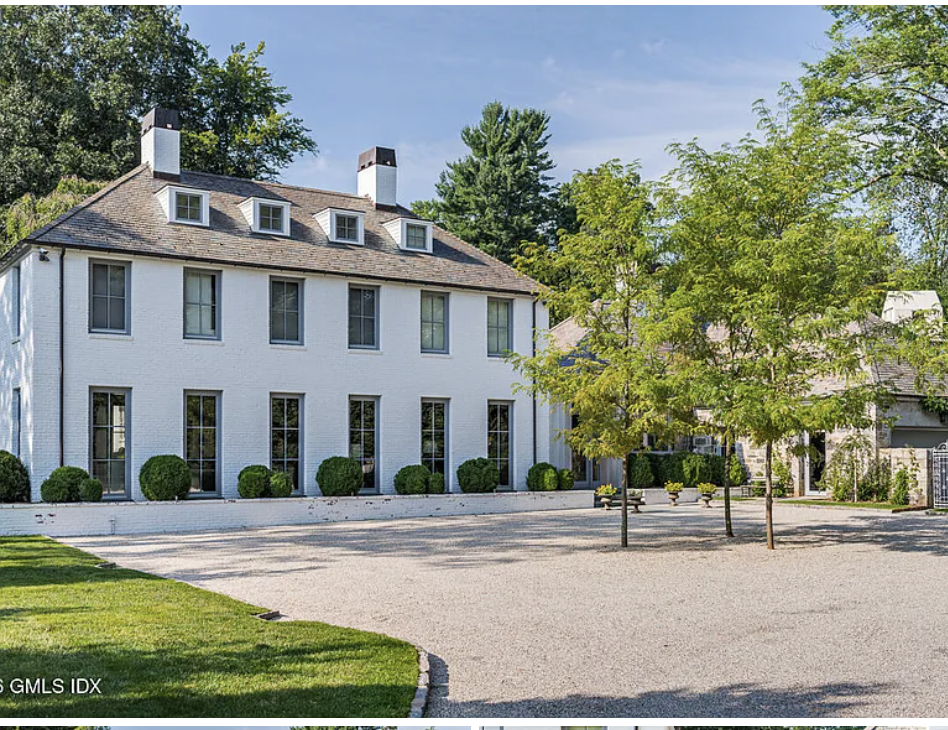
306 Round Hill Road was listed at $6.995 million on May 11th, today that price was raised to $7.395. I assume that means that the response has been “robust”.
I realize that selling houses is business, nothing personal, but this sort of thing reminds me of the definition of an honest politician being one who, once bought, stays bought.
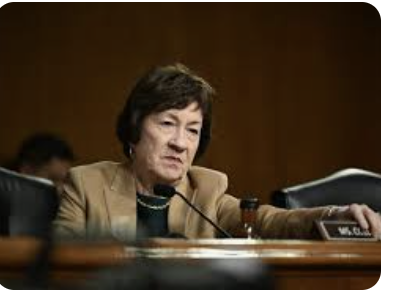
vote for me, instead of graham platner because … well … because … just Because!
Those Republicans were Thom Tillis, Lisa Murkowski, Cocaine Mitch McConnell, and Susan Collins (because of course).
The Senate voted 50-48 to block the advancement of the SAVE America Act, leaving it short of the 60 votes required.
— AF Post (@AFpost) June 5, 2026
Follow: @AFpost pic.twitter.com/FmUnxoVOgM
If the SAVE Act is not passed, then a lack of voter ID combined with mail-in ballot laws will almost certainly ensure that Democrats never lose another election again. Consider Los Angeles, where Spencer Pratt was running neck and neck with Democratic opponent Karen Bass.
Pratt was well ahead of the third place finisher, by at least 8 points. Because California takes WEEKS to count ballots and does not verify ID (both are TEXTBOOK examples of cheating), Pratt is now predicted to lose, kicking him off the ballot in favor of the socialist candidate.
Spencer Pratt got 0 out of 24,000 votes in a late night LA ballot drop.
— C3 (@C_3C_3) June 5, 2026
0/24,000
A guy getting around 30% support got 0 out of 24,000.
Astronomically small probability of happening.
Impossible.
California no longer even hides it.
Doors need to be kicked in.
From the comments:
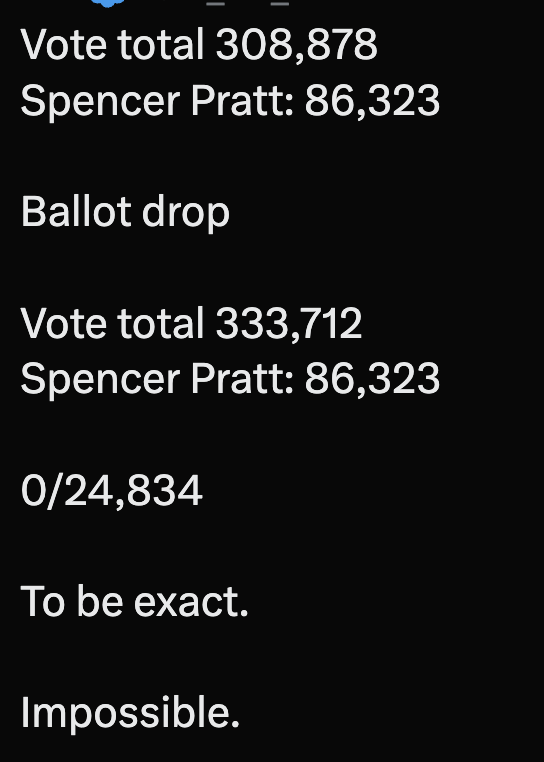
Screenshot of the vote drop:
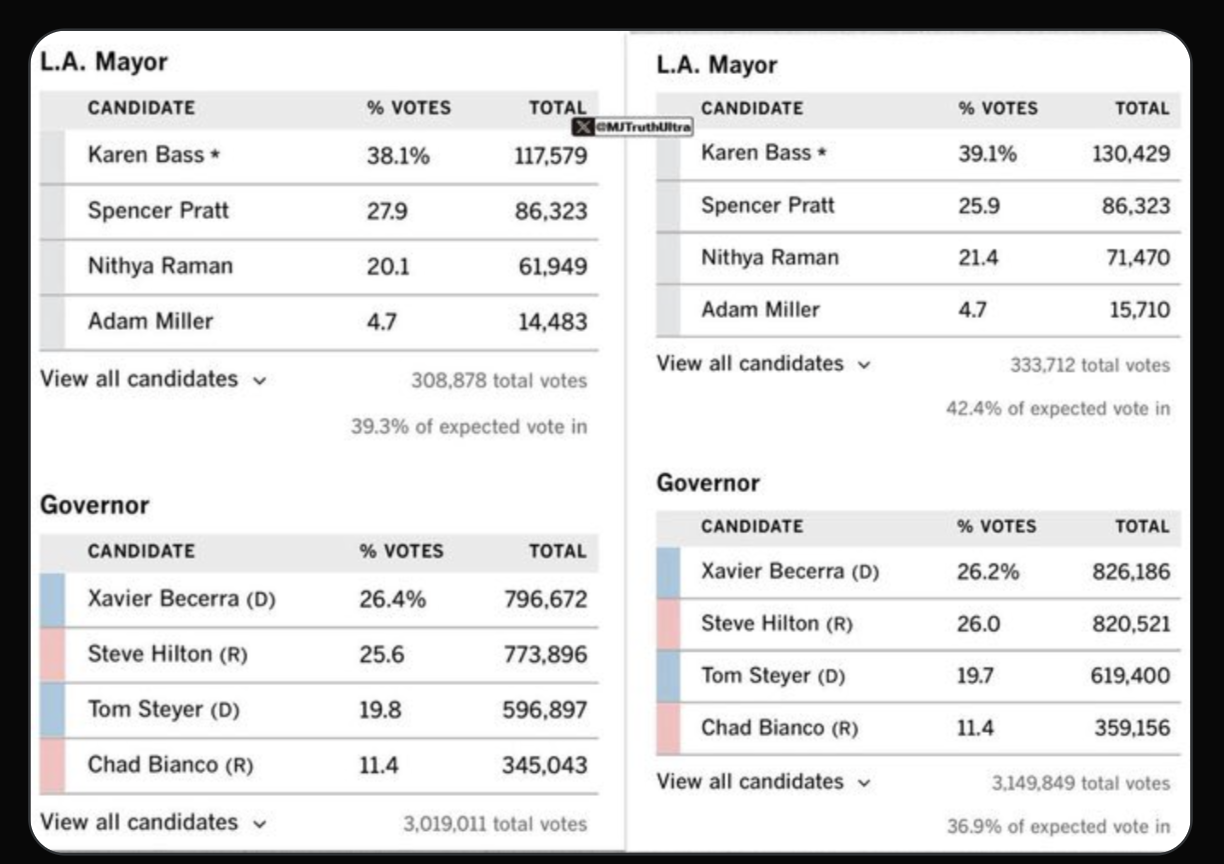
But hey, let’s be fair here: they’re showing restraint:
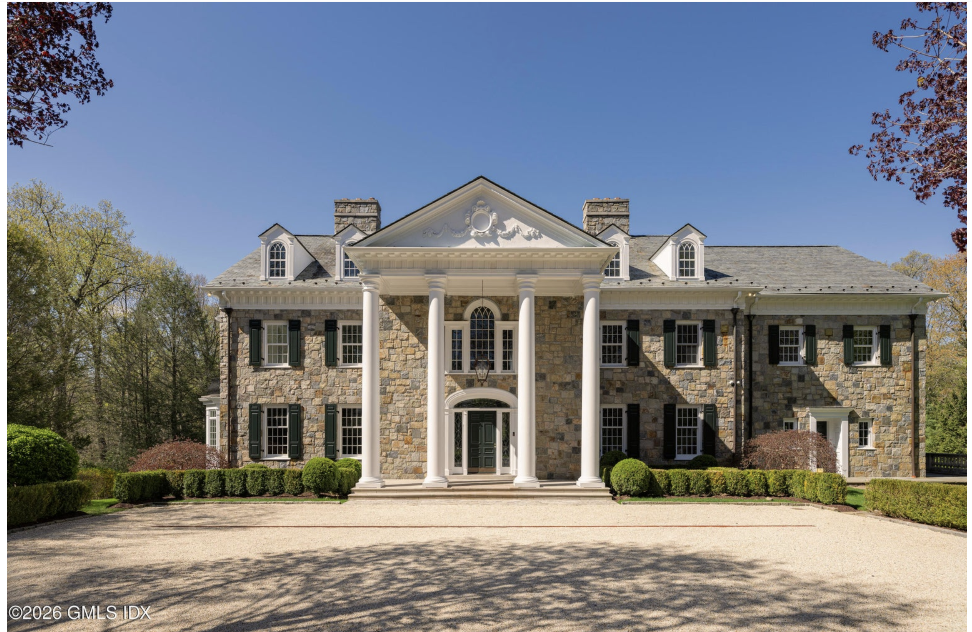
22 Partridge Hill Lane, $8.5 million, pending after 37 days. Preposterous entrances are not my cup of tea.
To be fair, it does have The Tipi; at least it has that!

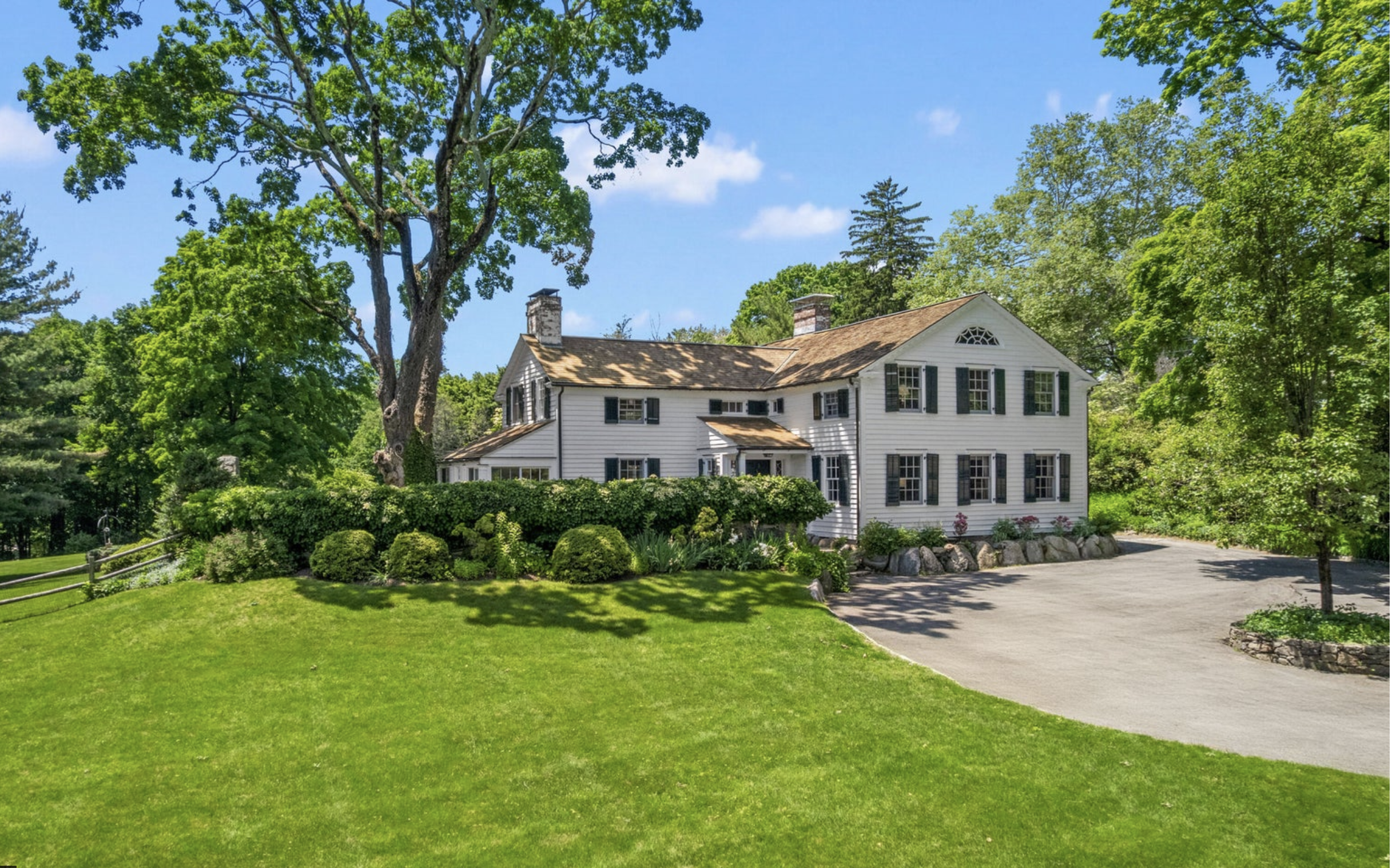
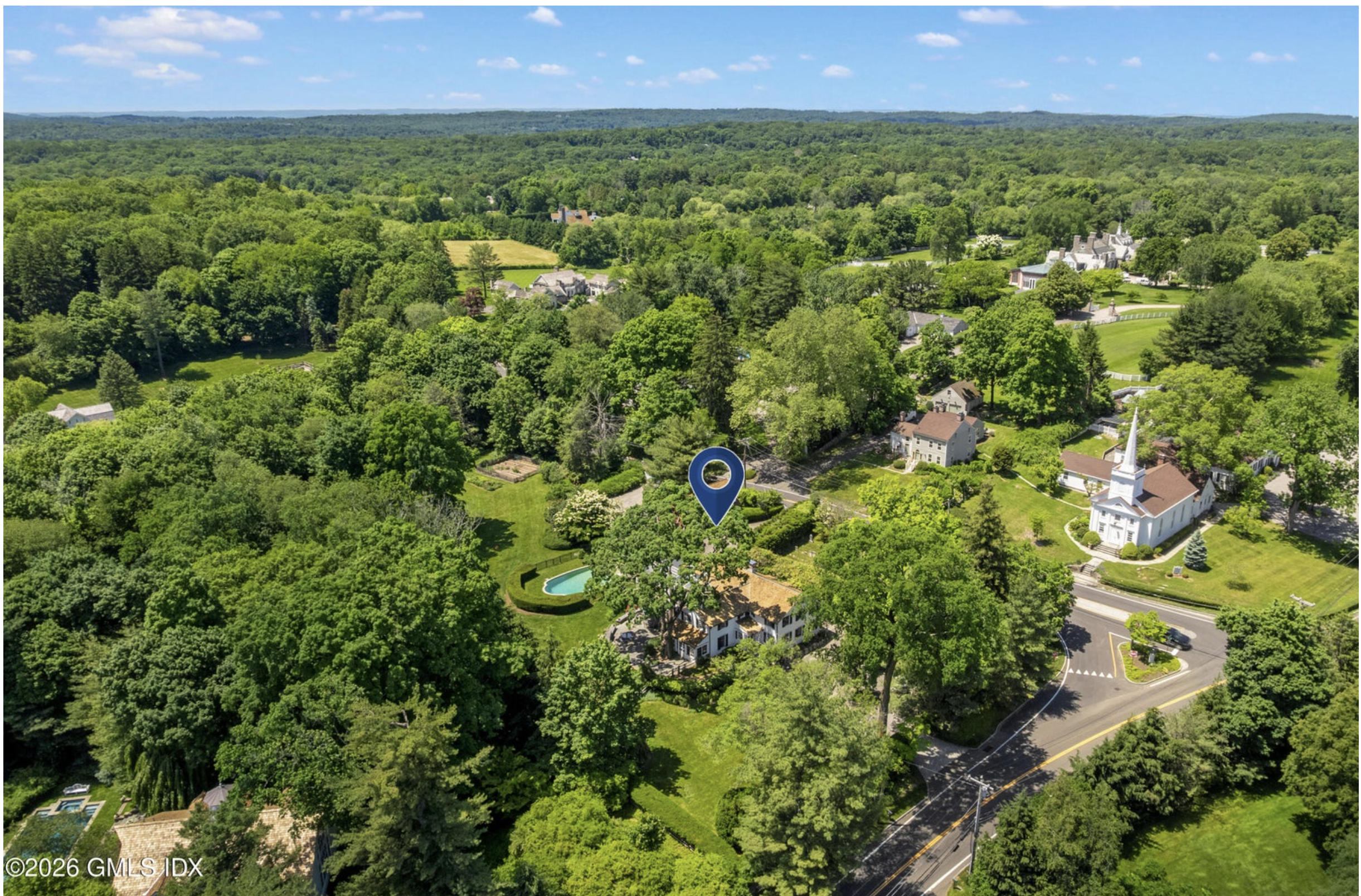
456 Round Hill Road, new to the market today at $4.595 million. Built in 1850 (six years before Woodrow Wilson’s birthdate, for you 10th Graders out there), 4.58 acres, beautifully renovated; what’s not to like?
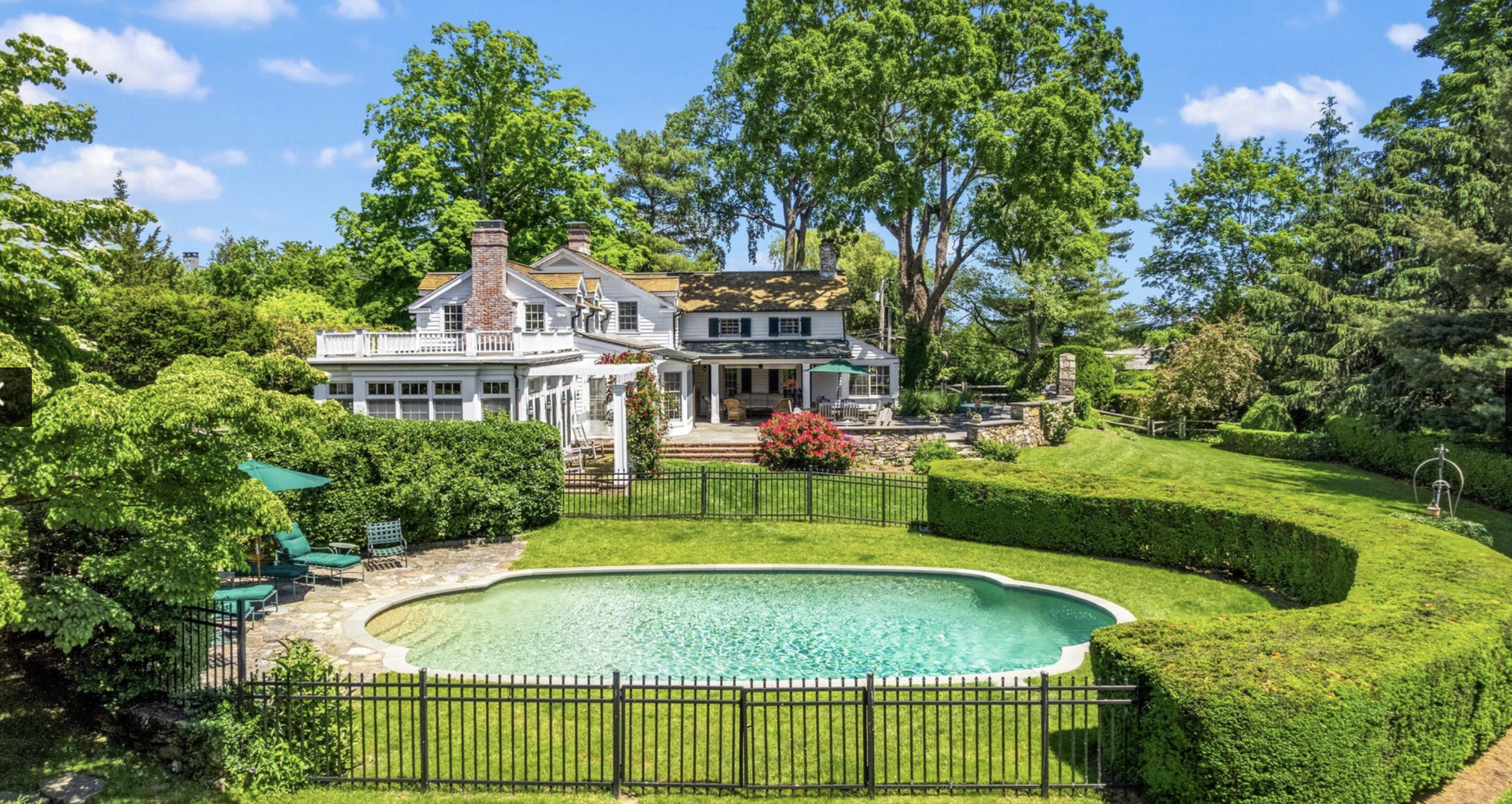
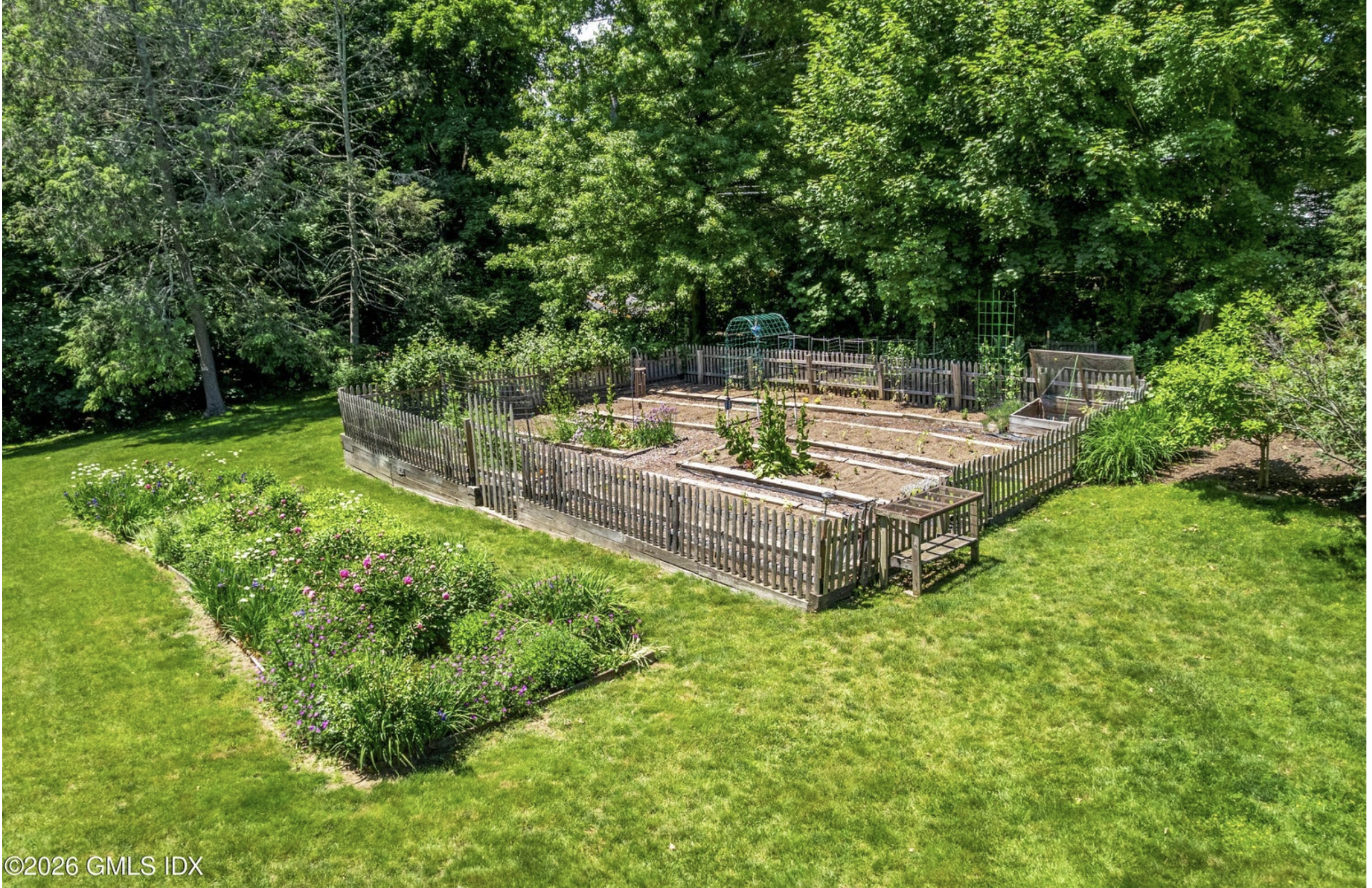
ok, a proper deer fence has to be 6’ high, but that’s a quibble

The impact of our failed education system just revealed itself in this congressional hearing, and it shows how incompetent people have become.
— Andrew Kolvet (@AndrewKolvet) June 4, 2026
Bessent: "Who was the president during World War I?"
Rep. Chu: "I don't know."
This woman is a FEDERAL LEGISLATOR responsible for… pic.twitter.com/lXaTKAY3BJ
Related: The producers of “The Madness of King George” changed its original title, “The Madness of George III”, because (a) Americans wouldn’t know that George III referred to a king, and (b) “III” would make them think it was a sequel and not go to see it, assuming they had missed "I" and "II”.
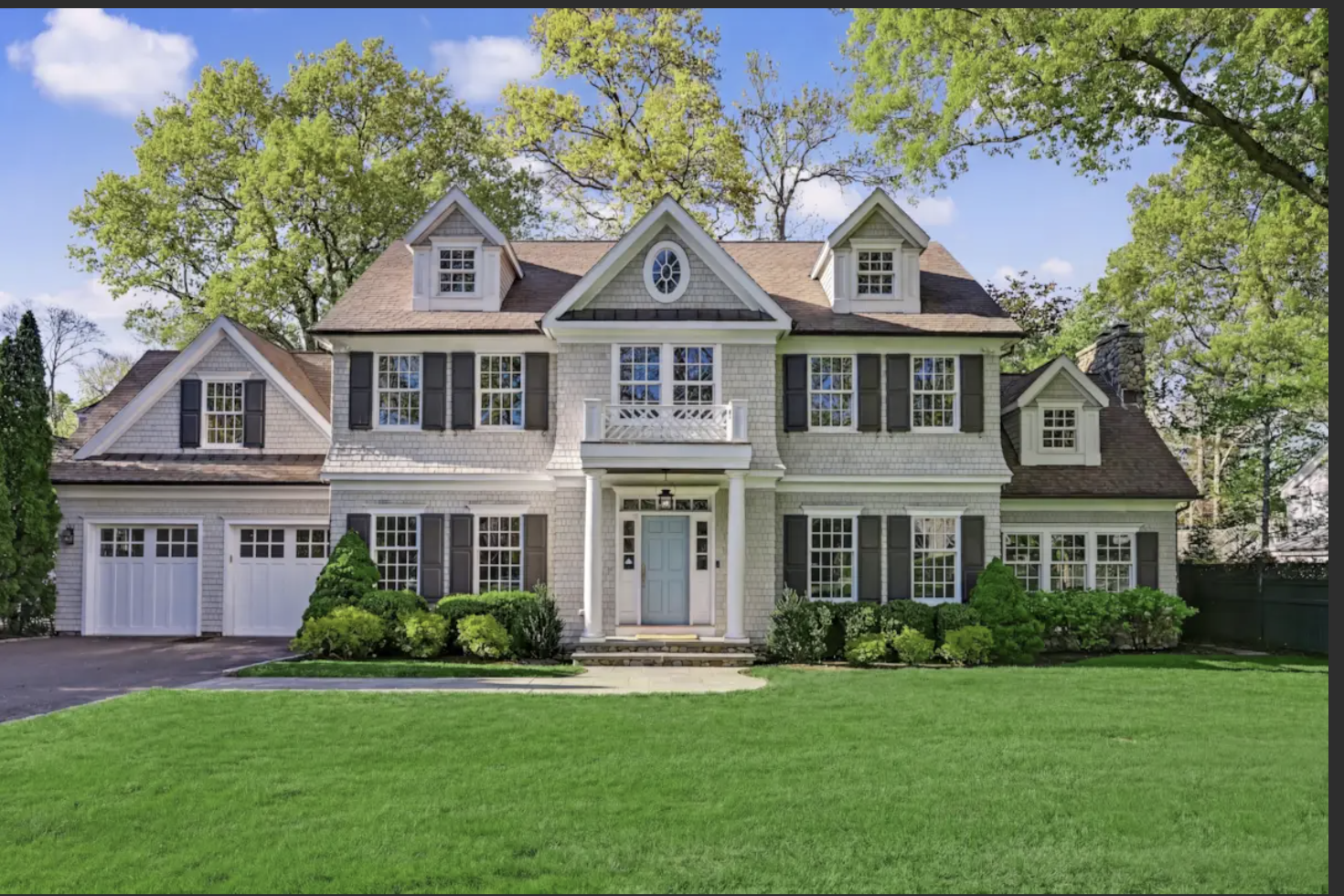
49 Willow Road. Priced at $4.950 million, sell it nine days later for $5,500,001.
The old, outdated strategy was employed in the sale of this same house back in 2009: Listed at $3.695 million, it sold 392 days later for $2.660,000. It takes a trained professional to see the advantage in this new strategy, so be sure to look for the Realtor™ label before asking just anyone to help you sell your home.
Be notified of new posts! Sign-up here:
