A perfect, if unintended lesson in solar power, politicians, and the New Green Eel
/
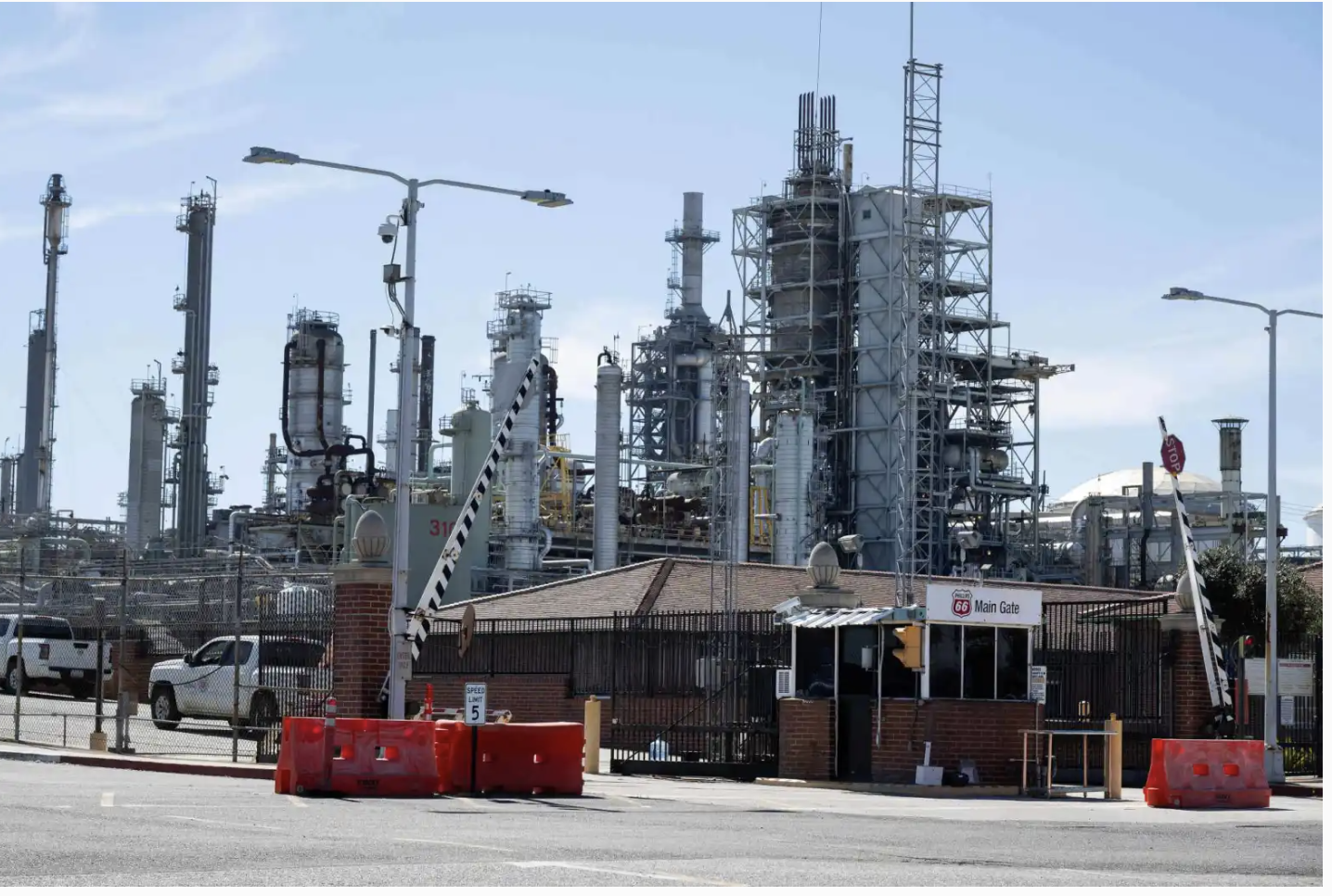
And the perfect accompanying illustration (which the portland herald didn’t use, for some reason)
Governor’s residence solar project comes in at double the cost, half the efficiency, and three times the “payback period”. And the latter, a 29-year-payback estimate, is for a system with a 20-year life expectancy.
Gov. Janet Mills’ much-touted Blaine House solar project is a powerful symbol of the state’s new climate-change leadership and pledge to become carbon neutral by 2045. But as an energy investment, its value to taxpayers is debatable.
The $63,000 solar-electric installation wound up being so uneconomical as a business venture that only one vendor bid on the high-visibility but money-losing job, picking prestige over profit.
Special considerations at the Blaine House also precluded the state from negotiating a more beneficial agreement in which someone else would finance and own the project, as is common with solar installations at government and nonprofit institutions. To maintain security and access to equipment at Maine’s executive mansion, the state bought the system outright, with funds from the Bureau of Real Estate Management.
State ownership eliminated the opportunity to lower the purchase price by taking a key, 30 percent federal tax credit. It extended the project’s estimated investment payback to 29 years, nearly three times longer than for solar arrays at a typical business.
In addition, the project’s revised design generates only half as much power as initially specified, taking a smaller bite than expected out of the building’s $12,000 annual electric bill.
Despite these modifications, the Mills administration says the project’s economic benefits should be viewed in broader terms.
“The length of the payback period is not and should not be the only measure of the project,” said Lindsay Crete, the governor’s press secretary.
Crete noted that the project already has offset more than 1,400 pounds of carbon emissions, equal to planting 36 trees. Although the Blaine House isn’t heated with oil, Crete added that the panels will annually offset the equivalent of burning 43 barrels, or 1,806 gallons of oil, with clean, renewable energy.
“When all these factors – the reduced consumption of and reliance on fossil fuels, the increased consumption of homegrown clean, renewable energy and, additionally, the very real demonstration of Maine’s long-overdue embrace of renewable energy – are taken into consideration, the state is satisfied with this project and believes it is a sensible, forward-looking investment that moves Maine in the right direction,” Crete said