The new normal
/
that’s a helluva big kiosk to pay rent on
Giving the homeless the bums’ rush in San Francisco Starbucks
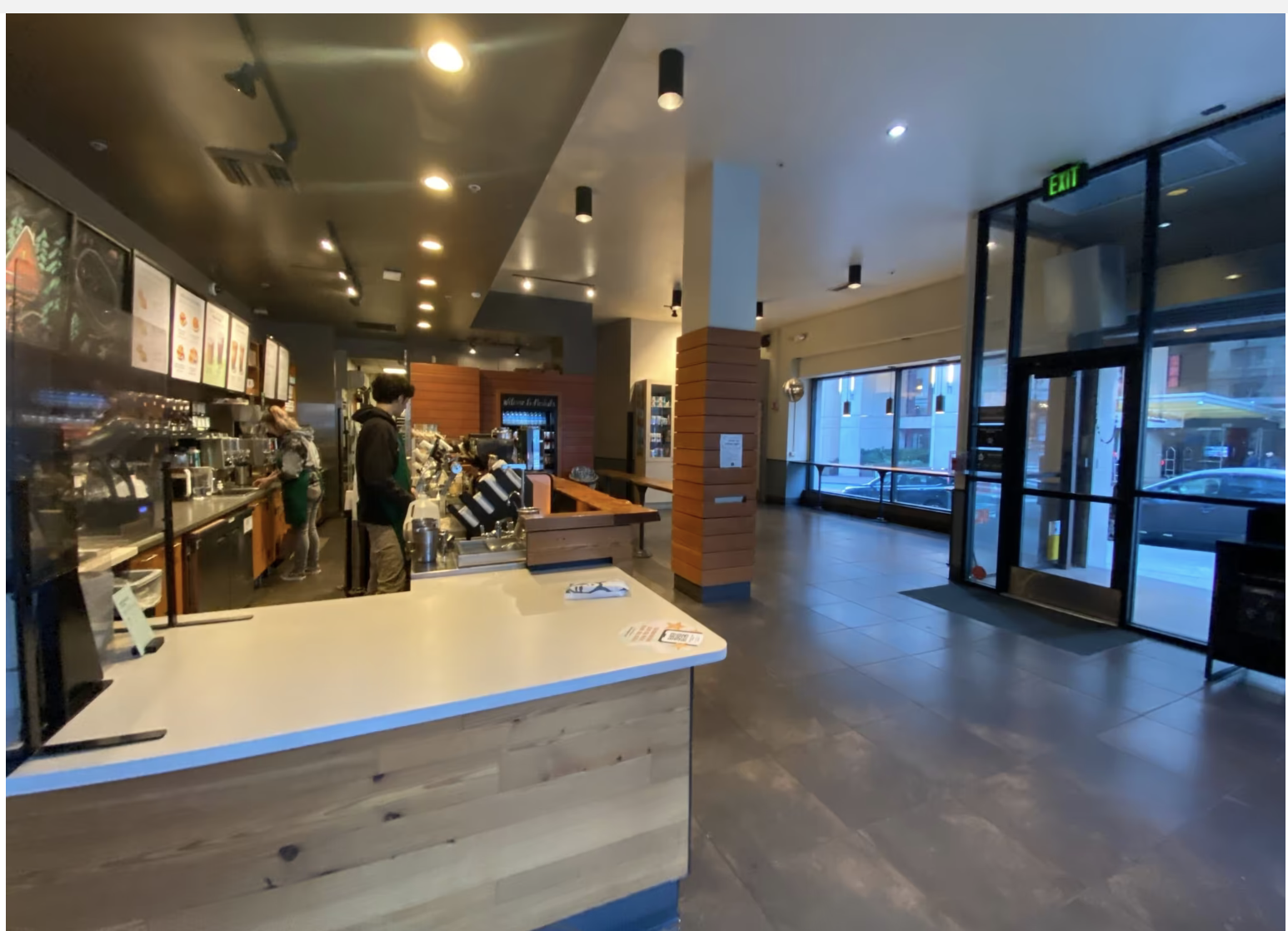
Where have all the chairs gone? That was the question posed by a Standard staffer during a recent morning editorial meeting. She was referring to the Starbucks at the corner of Stockton and Sutter streets, just off of Union Square.
Populated by a lonely hightop table and a slim bar without stools, the place appeared to be offering grab-and-go service only—even though the cafe’s floor was clearly large enough to accommodate tables and chairs.
She wasn’t the only one in our newsroom to have encountered a seatless Starbucks in the city. A few months ago, I came across a very similar scene at 1390 Market St., where I popped in for a hot chocolate one day to find nary a place a place to sit and sip it.
Being that we journalists can be quite cynical, we wondered if removing chairs from these locations was a corporate strategy for deterring unhoused people from hanging out in the cafes. Or perhaps it was a monetary decision aimed at moving more caffeine addicts and their dollars through stores at a faster clip.
We reached out to the corporate coffee king to find out why certain local Starbucks locations are apparently no longer offering seating—and to ask if this was a growing trend across the company.
Here’s what Starbucks had to say: The cafes located at 264 Kearny St., 442 Geary St. and 1390 Market St. are pick-up only locations and designed to be that way.
“That’s the store model,” a spokesperson for Starbucks said.
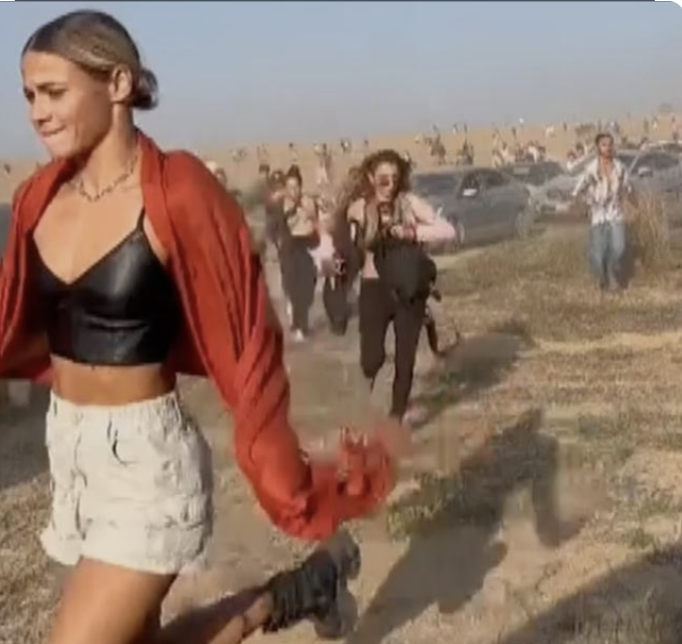
The spokesman goes on to blame COVID and a laggardly return to pre-social distancing rules, but that’s clearly bullshit: the picture above speaks for itself; it’s the city that can no longer accommodate drug-addled maniacs and regular customers in the same place.
Ed Driscoll goes off on the reporter’s using the term “unhoused persons” instead of “bums” or even “hobos” to describe the beggars afflicting our cities, and he’s right to, but while he focuses on how the sanitizing of words conditions society to accept the previously unacceptable, I’ll point out its effect: the destruction of casual gathering places in cities.
I attribute the coffee shop boom of the last three decades to more than just a sudden discovery that there was an alternative to watery, over-cooked coffee from a Bunn; these little oases offered a place to meet friends and clients in a convenient, comfortable, quiet spot, or even to work or read alone, undisturbed. By turning them over to the bums, real, paying patrons have been evicted, without an alternative: the park benches were appropriated long ago, and the libraries keep shutting down while hazmat teams clear them of methamphetamine dust and needles.
Rich urbanites still have their private clubs where they can mingle 25-floors-up and bemoan the state of the city they’re created, but for regular people, the loss of public spaces must be causing at least some of them to reconsider staying. I know I would, but I gave up on American urban centers long ago, during the Lindsay administration; others have shown more patience, which may be running out.