Coming our way? Hell, buddy, it’s already here
/
British Business Entrepreneur @JohnMappin went to buy a new Car but told NO you’re not allowed to buy it, because we haven’t sold enough electric vehicles, all because of the EU, which the UK voted to leave in 2016.
— Concerned Citizen (@BGatesIsaPyscho) December 28, 2025
England is no longer a serious Country. pic.twitter.com/6iHAAJ8JxF
I don’t know whether this X-poster is British or American, but anti-disirregardless, twelve American states have already gone where Britain and the EU are headed, and more are sure to follow as the dreamer/socialist generation replaces the know-nothings boomers.
ChatCPD
Here’s a clear summary of the key laws and mandates in California and other U.S. states that phase in requirements for zero-emission vehicle (ZEV) sales — effectively limiting new internal combustion engine (ICE) vehicle sales over time — including specific years and percentage targets. Many of these come from state adoption of California’s Advanced Clean Cars II (ACC II) regulation:
📍 California (Advanced Clean Cars II)
California’s Zero-Emission Vehicle mandate (approved by the California Air Resources Board):
Percentage of new vehicles that must be zero-emission (ZEVs):
2026 model year: ~35% ZEV sales requirement.
2030: ~68% ZEV sales requirement.
2035: 100% zero-emission new car sales — effectively ending sales of new ICE passenger cars and light trucks.
(These percentages include battery EVs, plug-in hybrids, and hydrogen fuel-cell vehicles, with limits on PHEVs to meet the ZEV definition.) SEMA+1
Notes:
The policy was designed to phase down ICE sales rather than abruptly ban them; plug-in hybrids still count toward early ZEV percentages though their proportion is capped. Zev Transition Council
Used ICE vehicles can still be sold after 2035. SEMA
📍 Other States (via ACC II Adoption)
Many states have formally adopted California’s ACC II sales requirements — meaning their mandates mirror California’s ZEV sales percentages through 2035:
Examples of states adopting ACC II with the same schedule:
Colorado, Delaware, Maryland, Massachusetts, New Jersey, New Mexico, New York, Oregon, Rhode Island, Vermont, Washington — these states require increasing ZEV shares in line with California’s schedule, culminating in 100% ZEV new sales by 2035. Zev Transition Council
Washington (specific example):
100% of new passenger vehicles sold must be zero-emission by 2035, starting with regulations affecting model year 2026. Alternative Fuels Data Center
📍 Other State Targets (Not ACC II, but Notable)
Some jurisdictions have their own goals (non-binding or different frameworks):
North Carolina (goal): 50% ZEV share of new passenger vehicle sales by 2030 (policy tied to EV registration goals). Work Truck Online
These aren’t formal ACC II percent mandates but represent additional state policy targets.
📌 How the Phase-In Works (Typical Path)
For states adopting California’s ZEV sales mandate:
Model Year / YearZEV Sales Requirement
2026~35% of new vehicles must be ZEVs SEMA
2027–2029 Incrementally rising share (e.g., ~43% by 2027 per enforcement plans) AP News
2030~68% ZEV sales required SEMA
2035-100% zero-emission new sales Zev Transition Council
📌 Context & Legal Status
The EPA under President Biden originally granted a waiver to allow California’s ZEV sales mandate — but recent congressional actions have sought to block enforcement of these rules (potential legal challenges and changes in federal policy are ongoing). Reuters
Federal-level mandates differ — there’s no U.S. consumer law forcing EV purchases, but federal emissions performance standards effectively push automakers toward higher EV shares, with specific percentages proposed for 2027, 2030, and 2032 under EPA rules. NADA
Trump, bless his black heart, has moved to undo some of this by, for instance, revoking the special exemption granted California to exceed national EPA emissions requirements, but executive orders can be overridden far more easily than federal legislation, and Republicans are showing no sign of enacting much, if any of Trump’s reforms, and may lose the theoretical power to do so after the 2026 elections.
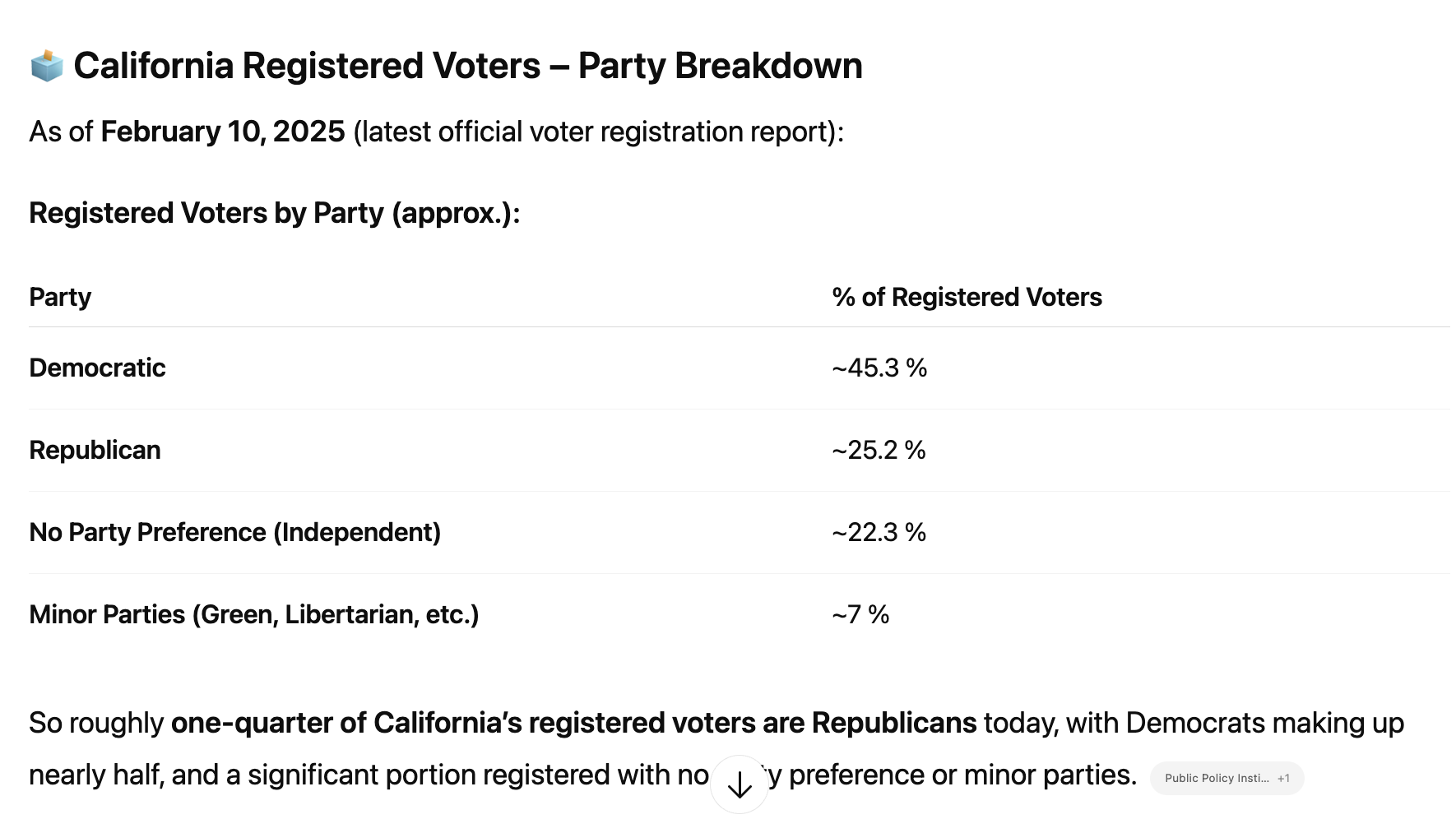
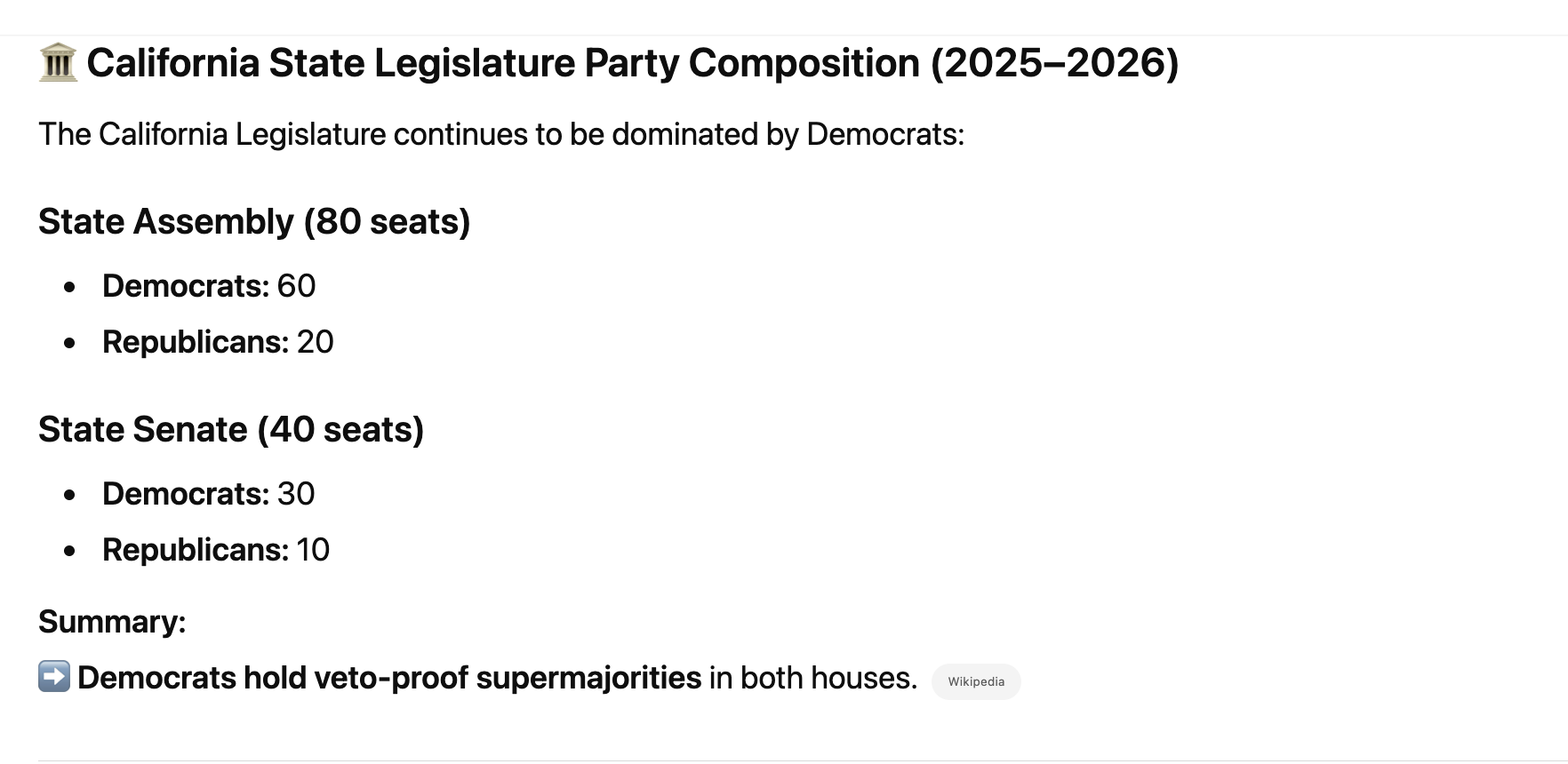
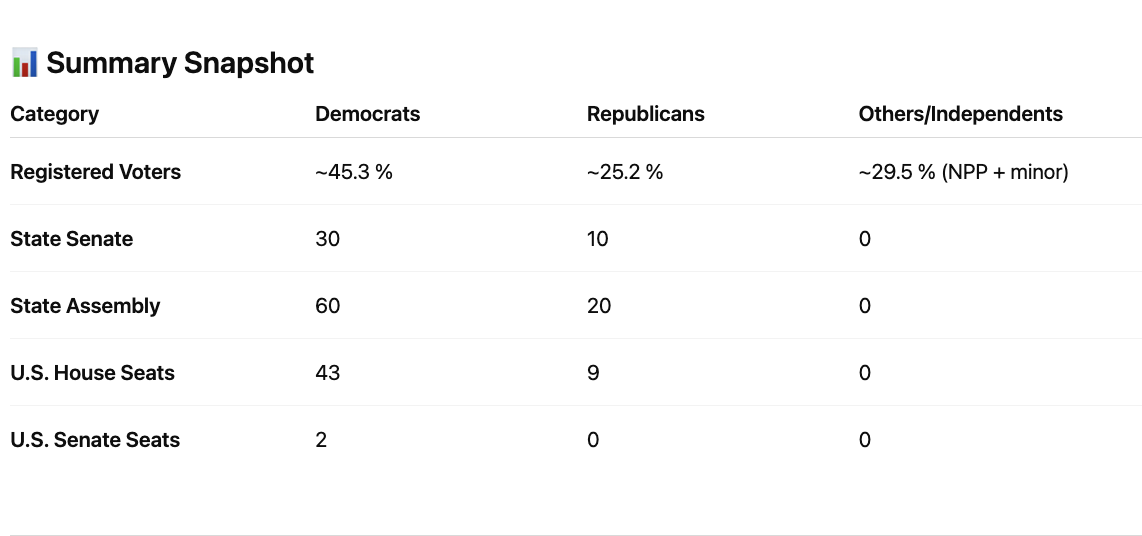
California still controls the road, however: other states have enacted their own laws requiring them to follow California’s requirements, so as California goes, so goes (or there goes) the nation. And California Democrats have disenfranchised Republicans and handed complete control of the legislature and Congressional delegation to its most extreme far-left fringe; don’t look for that situation to change.

And related, here’s a fun bit of hypocrisy:
So absurd that California claims to "lead" other states in renewable energy and then buys their non-renewable energy to keep the lights on. At 11:15 p.m., 34.5% of the state's electricity demand is met by imported power. (California electricity rates have doubled in ten years.) pic.twitter.com/uC9prHIAQY
— Susan Shelley (@Susan_Shelley) December 28, 2025