Oh, the humanity! Taxpayers will no longer pay for other people’s candy, Twinkies or Dr. Pepper
/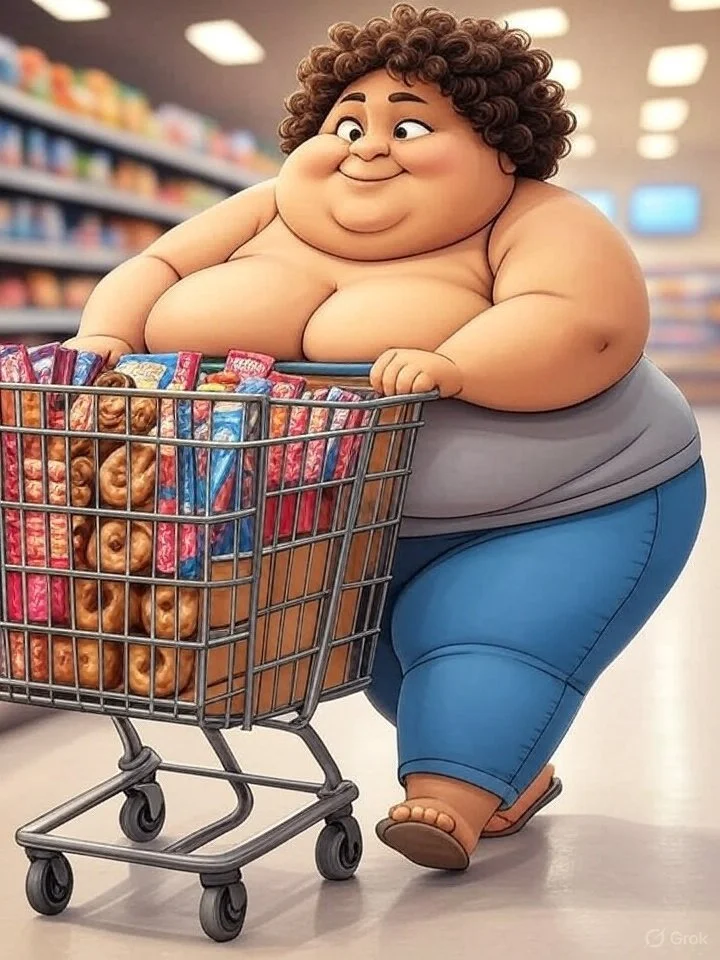
First they took away Red Food Dye No.3, I remained silent, becuae I don’t like Fruit Loops anyway; then they came for my Ding Dongs …
As reported by something else we will no longer subsidize, NPR Radio:
RFK Jr.'s SNAP changes have people worried about losing benefits altogether
June 11, 20256:49 PM ET
Heard [Not by this blogger] on All Things Considered
Over 20 states are trying to bar people from using food assistance to buy candy and soda, and Robert F. Kennedy Jr. has said he'll expand the ban. Some recipients fear they may lose aid altogether.
MARY LOUISE KELLY, HOST:
More states are planning to stop people from using food assistance to buy soda and candy. Yesterday, the Trump administration added Utah, Idaho and Arkansas to the quickly growing list of states allowed to implement this policy. This on top of the proposed budget cuts to the program, the largest in history. NPR's Katia Riddle talked to one family about how this might affect their lives.
KATIA RIDDLE, BYLINE: Meet Solomon Church , 10-year-old nutritionist. He's standing in the cereal aisle at the grocery store. He lives in a rural Oregon town called The Dalles. Solomon points to the sugar content on the side of one box.
SOLOMON CHURCH: Six grams and has protein, nine.
RIDDLE: Protein, he explains, is the most important ingredient - and vitamins.
SOLOMON: 'Cause if you get something that doesn't have vitamins, your body doesn't grow.
RIDDLE: Solomon is here with his mom, T Church. The family gets about $450 in benefits a month from the Supplemental Nutrition Assistance Program, or SNAP. The administration says this ban on soda and candy will help reduce chronic disease and improve nutrition. T says, nutrition is important in their family, but so is being able to give her kids choices and being able to buy some special treats.
T CHURCH: And so for some kids, it's, like, the most meaningful way that they feel love and connection. And so being able to give them something that doesn't, like, negatively impact our budget [she means someone else pays for] is amazing.
RIDDLE: She's a single mom to five kids. [A single breeder who chose to have five children she can’t support — cue the violins] Her oldest are in high school. T says, for them, soda and energy drinks have a special role.
CHURCH: I think it's kind of social currency for our teenagers.
RIDDLE: T's oldest daughter, Olivia Church, wasn't at the store, but on a phone call, she says her mom is right. At her school, some kids arrive in the morning with $7 Starbucks drinks. She can't afford that, but because of SNAP, she can afford Red Bull. She says walking into the first period with one in her hand helps her feel normal.
OLIVIA CHURCH: You know, I would never be able to be a part of that social pyramid if we didn't have the SNAP benefits.
Having detailed the pending eviction of high schooler Olivia’s from her “social pyramid”[? That sounds very much like a term Olivia learned in her high school critical contemporary issues class], NPR’s paid weeper turns to another chimera:
RIDDLE: The administration argues taxpayers shouldn't be subsidizing unhealthy food and beverages, but paying for energy drinks is a minor problem compared to another obstacle this family could be facing. As part of the effort to cut the program, the current bill imposes work requirements. T Church would have to work 20 hours a week to keep her benefits.
CHURCH: As a sole provider, there's no - yeah, there's no way that - if the requirement was 20 hours a week, that would drastically negatively impact our family.
RIDDLE: This rule would apply to families with kids over the age of 7. One of her sons needs a lot of special care. It's possible she could qualify for a disability exemption, but that's unclear. [“unclear” — did the reporter make any effort to investigate that, or did she just throw in the possibility to increase her audience’s “shock and dismay”? It’s NPR, so you know the answer to that one.]
CHURCH: Because even though chronologically, he's 11, social, emotionally, he's more like 6.
RIDDLE: T says SNAP benefits are critical to getting through this time in their life.
CHURCH: And it's not that I don't want to work. It's not that I'm unable. It's - we live in such a rural community and his needs are so significant, and care out here for a child like him is virtually impossible.
RIDDLE: There are more than 40 million people on SNAP. Experts say as many as 1 in 4 recipients could be affected. It's possible some states would end the program altogether rather than try to make up for the cuts. T says she thinks efforts to curtail SNAP don't take into account the fundamental purpose for programs such as this one.
CHURCH: It seems like they were created to be able to care for members of our community.
RIDDLE: Caring for people, says T Church, by making sure everyone has enough food. Katia Riddle, NPR News, The Dalles, Oregon.
Here’s another story about the cruelty and heartlessness of the current administration as told in her own words by one of the victims:
I am so dumbfounded right now. There are people who genuinely think that people who use EBTs don’t deserve sodas, candy, or desserts. You’re gonna tell me that my daughter doesn’t deserve a popsicle? You’re gonna tell me that I don’t deserve to get brownies? You’re gonna tell me I can’t have a fucking Dr. Pepper with my dinner? And all I’m hearing is ‘be grateful’… Get off of your throne of entitlement and take a look around you guys. Everyone is one bad day away from being homeless or even needing government assistance. Do you guys not see how that makes you look? Your lack of empathy and understanding is outstandingly atrocious.
EBT recipients are having BREAKDOWNS over not being able to buy unhealthy food..
— American AF 🇺🇸 (@iAnonPatriot) August 9, 2025
“You’re gonna tell me my daughter doesn’t deserve a popsicle”. pic.twitter.com/cVw14N4GUE