I see that my old friend Phil Russell is in the news — in a good way
/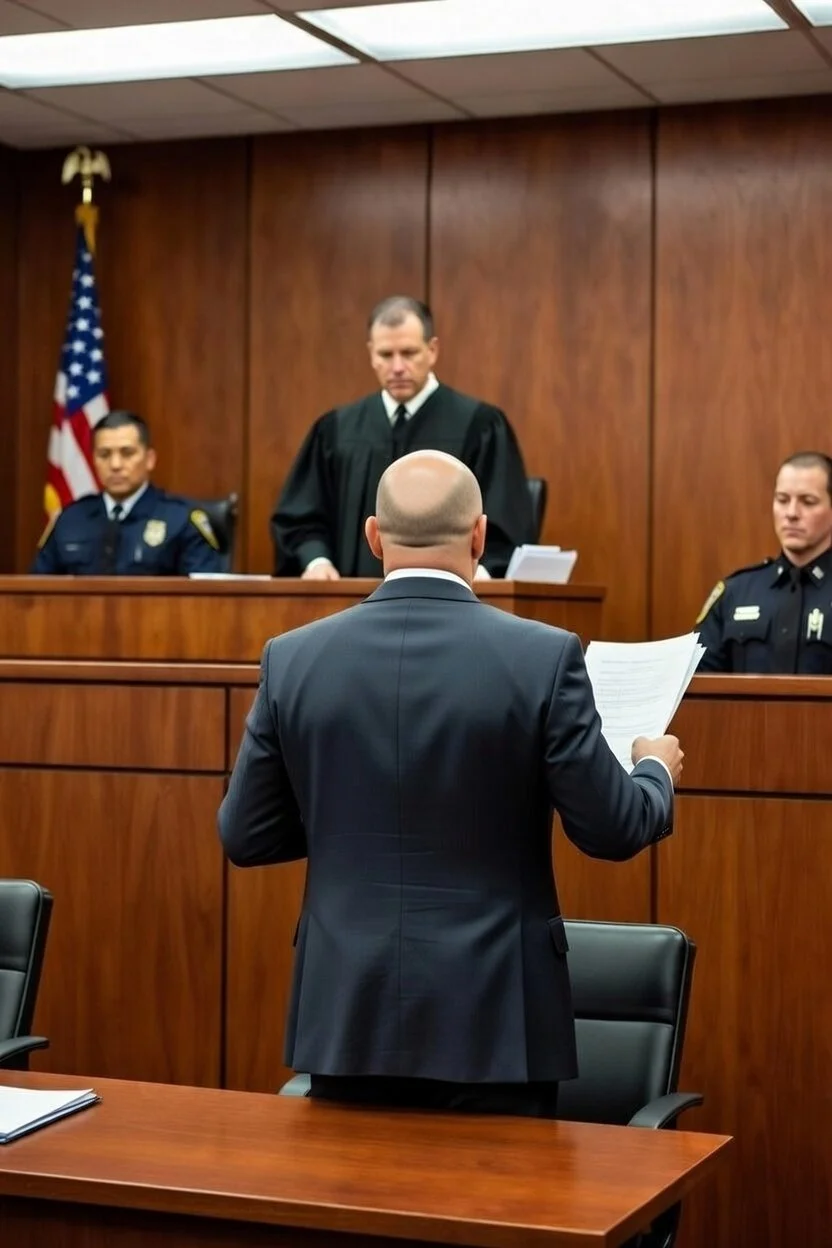
absolutely guaranteed to be a true and accurate photo of lawyer phil in action — scout’s honor (Okay, I’m not sure why he arranged the chairs to face the rear of the courtroom, but that’s phil for you)
Connecticut lawyer Philip Russell calls out his adversary for citing AI-generated fake cases in court filings
DANBURY — The attorney for a plaintiff in a Greenwich-based breach of contract lawsuit contends the defendant's lawyer used artificial intelligence in court filings that were rife with bogus and "hallucinated" case law.
"The unfettered use of AI without ensuring the accuracy of the content submitted to the Court is problematic, as it impugns the integrity of our judicial system and is a violation of the standards of accuracy, candor and professionalism owed to the Court," Greenwich attorney Philip Russell wrote in a motion for sanctions against the defendant contractor and its attorney, Nicholas Mingione.
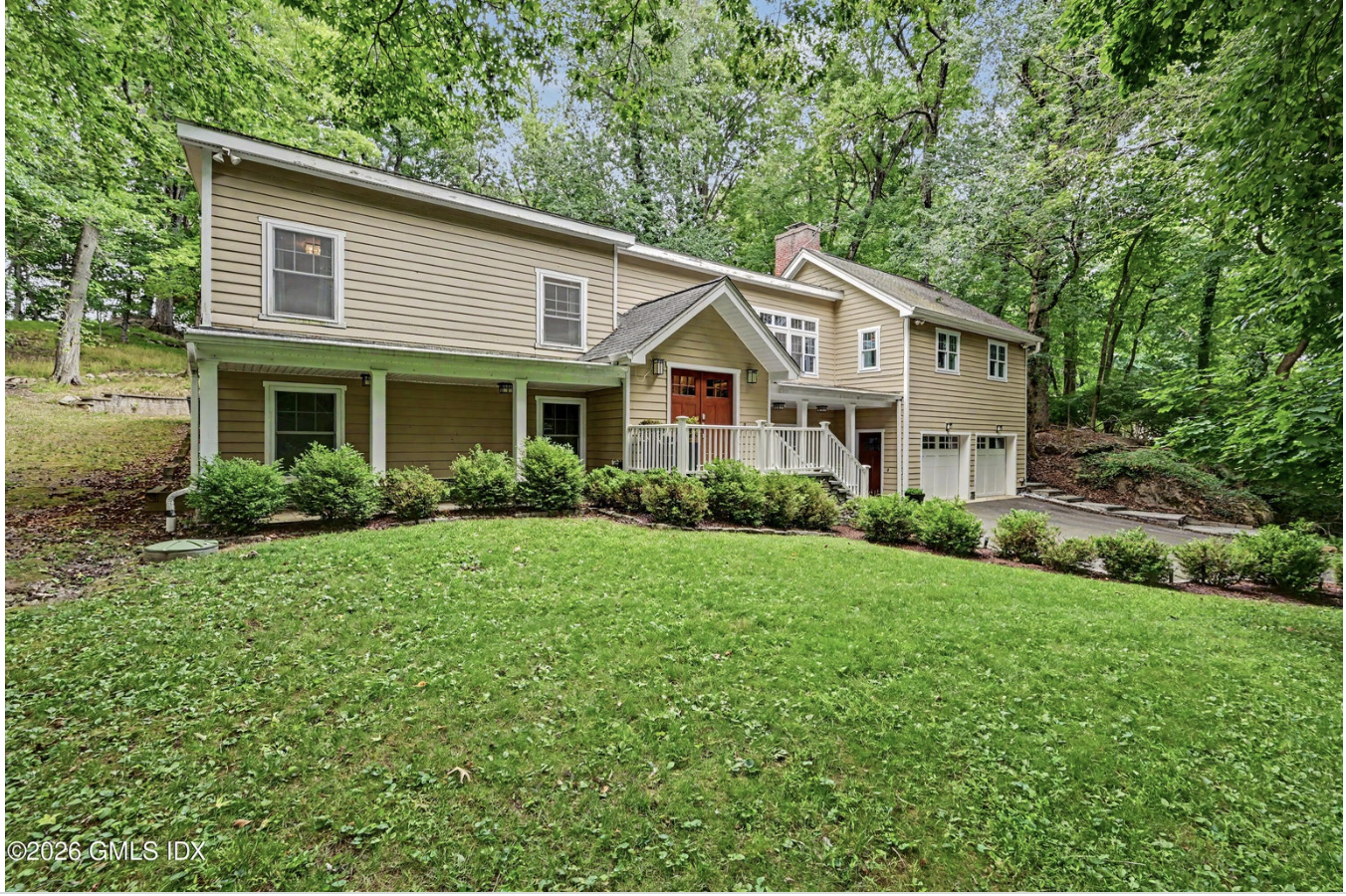
The call for sanctions stems from a lawsuit filed in December 2024 by J. Salvatore & Sons Inc. contending that sloppy masonry work by New Fairfield-based Gencor Contracting Corp. at a construction project on Midwood Road in Greenwich led to flooding and damage estimated at more than $80,000.
Dated Jan. 16 and filed in state Superior Court in Danbury, Russell's call for sanctions focuses on the defendant's two "motions to strike," filed in October and November last year. Russell cites 12 misrepresentations in Mingione's first motion, including cited quotes that do not appear anywhere in the highlighted decisions, and cited cases that "do not exist."
Catherine R. Keenan, an attorney in Russell's firm, emailed Mingione on Nov. 3 about the suspected AI-generated fabrications.
"This is a potential fraud on the court and is sanctionable conduct," Keenan wrote, according to court filings.
Mingione, an attorney with Russo & Gould, which has offices in Stamford and Hartford, replied the same day, according to court filings.
"Our legal research software does in fact have an AI component that assists in legal drafting," Mingione wrote, according to the court filing. "With that said, no attempt to confuse the court would ever be attempted."
"As a show of good faith," Mingione wrote that he had withdrawn the motion to strike and would refile it with different citations to make the same argument.
The second motion to strike, however, "also suffers from AI fabrications," Russell's call for sanctions says, including the same fabricated quote highlighted from the first motion to strike.
Rules of conduct for Connecticut attorneys say "a lawyer shall not knowingly make a false statement of material fact or law to a tribunal." However, Russell in his motion for sanctions says there is "a dearth of law on the misuse of AI by attorneys in court filings."
The Rules Committee of the Connecticut Superior Court has been discussing the issue, according to meeting agendas and minutes. Members at the Jan. 12 meeting considered a proposal that would require attorneys who use AI programs in their legal research to certify that they have independently verified the accuracy of the citations, according to meeting minutes. No action was taken.
In the motion for sanctions, Russell cites a notice issued in September from the U.S. District Court in Connecticut to lawyers and litigants that warns against using AI without verifying accuracy, "like any other shoddy research method from other sources or tools."
The federal court, the notice says, "has a no-tolerance policy for any briefing (AI-assisted or not) that hallucinates legal propositions or otherwise severely misstates the law."
Sanctions sought against Gencor and its counsel, according to Russell's motion, include "reimbursement of counsel's time for investigating and addressing the AI hallucinations in the two motions" and any other sanctions the court deems appropriate.
This is becoming quite a problem everywhere, from student papers to computer programming, but I’ve been especially intrigued to see how it’s infected the legal world. Law professor Eugene Volokh has been following the issue for several years, and posted on it many times. Here are just two of many of those posts:
Defense Counsel Estimated That 90% of the Citations He used were accurate ...
$10K Sanction for AI Hallucination in Appellate Brief
Mind you, phony citations are not new; court and lawyers have been employing them since the first stone age attorney painting used deceptive tales to defend his client against charges of defacing cave paintings. For a somewhat recent, but pre-AI example, consider the CT Appellate Court’s 2001 ruling in Leydon v. Town of Greenwich overturning the Superior Court’s decision and ruling that the town must admit non-residents to Tod’s Point according to “settled case law”.
I reading the decision, I noticed several citations to cases that the judges implausibly claimed established the relevant law, so I looked them up, and I was right; they didn’t — the court had simply tossed them in to bolster their anti-Greenwich decision and make it appear that they were following the law, rather than inventing it to support their pre-determined outcome. Whatever little faith I had in judges’ veracity I’d retained through three years of law school evaporated right there. (Proof of their duplicity came when the Connecticut Supreme Court affirmed the Appellate Court’s decision but on entirely different grounds, and didn’t use or refer to any of the case law the inferior court had cited.),