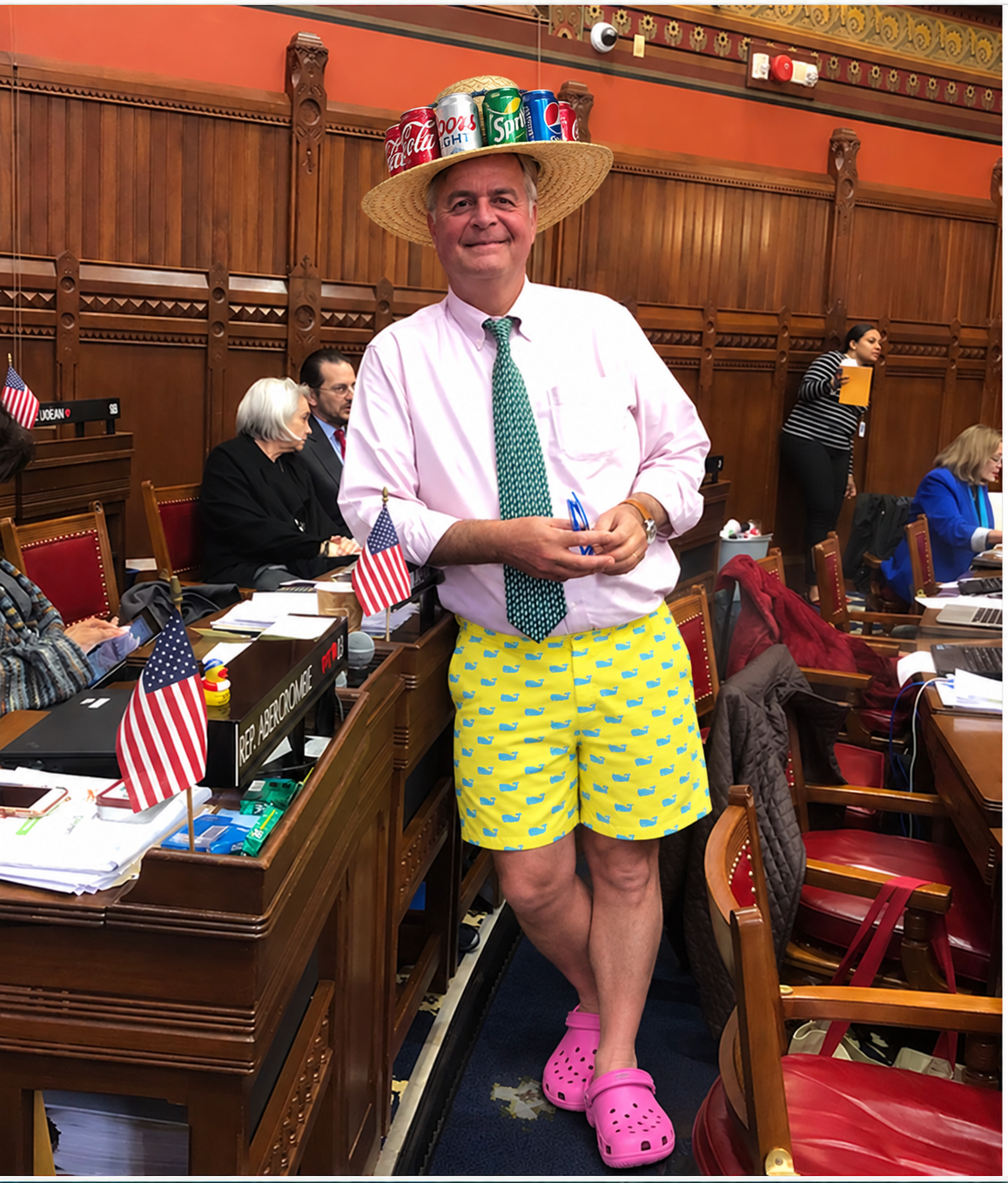
Stupid is as stupid does: “But, but, it showed our intentions were good!” Speaker of the CT House Matt Ritter
/
Speaker of the House matt, “Old Lodge Skins” ritter: “There is a pain between my ears.”
Billy and his NY gang have a tractor-trailer load of bottles they paid 5¢ apiece for; they can sell them to Jimmy in CT for 10¢. What will the gang do with their 5¢ bottles? You have 30 seconds.
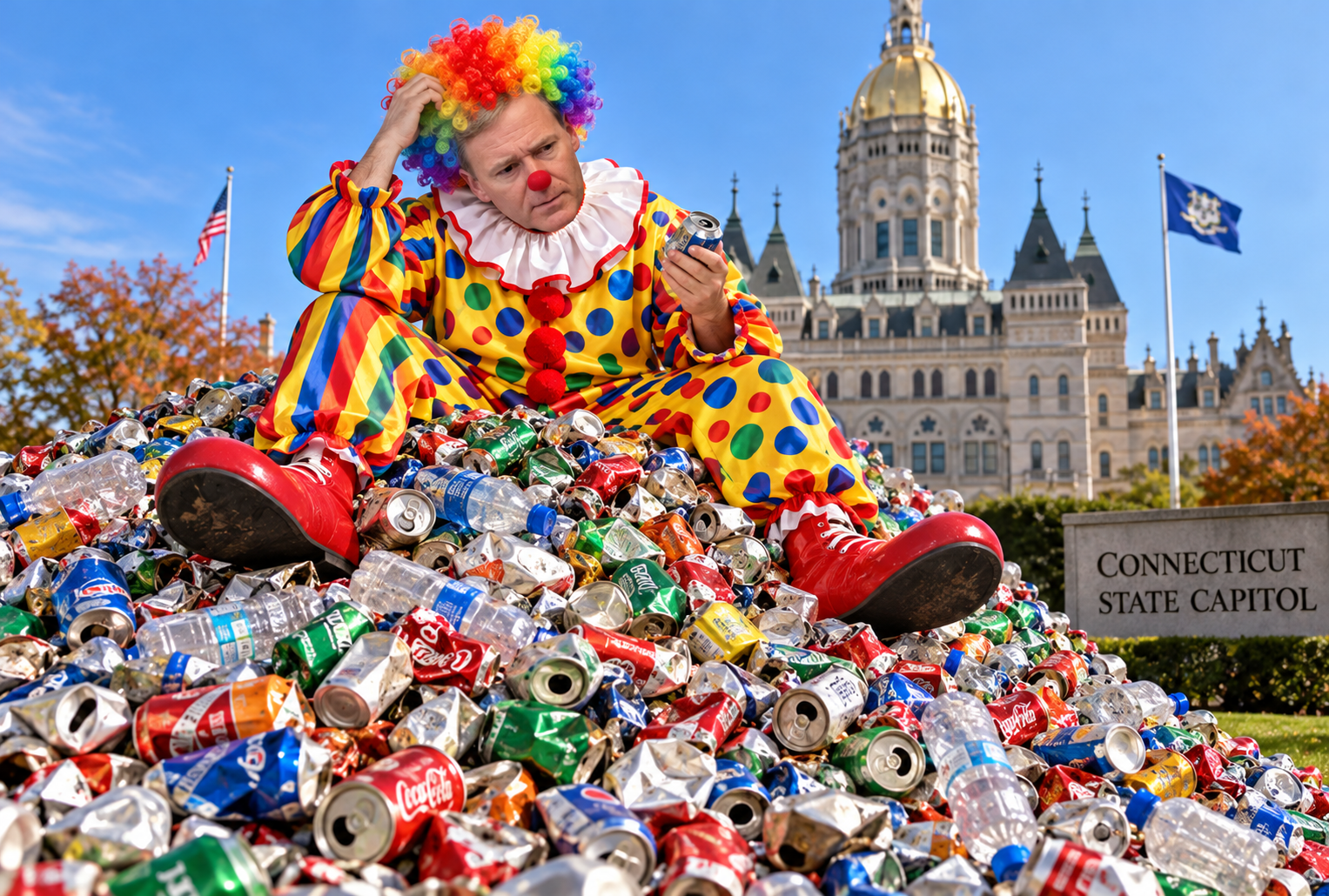
Connecticut enacted a 10-cent redemption law a few years, ago leading to a surge in people returning cans and bottles. But redemption centers have found many of those recyclables were not originally purchased within the state, meaning beverage distributors are paying for the redemption of many more containers than they are selling.
The reality of being one of only three states in the nation with 10-cent deposits is prompting more lawmakers to think it might be time to go back to 5-cents until surrounding states, particularly New York and Massachusetts, agree to a single rate to discourage cross-border fraud.
But never mind that little poopy problem, this is still great news!
“This is a good moment for Connecticut because it shows our commitment to recycling, which has a lot of benefits,” Speaker of the House Matt Ritter, D-Hartford, said in a Wednesday phone interview … “I am as disappointed as anyone that we’re having these problems of cross-border fraud. It’s something I never anticipated.”
Matt and his fellow Hartford Yahoos may not have been able to grasp the concept of buy low, sell high, but plenty of other people could, did, and tried to warn them. “If it feels good, do it” is a common, and very stupid way to run a state or a federal government, yet it’s the most common foundation for many of our enacted laws and, especially, environmental matters.
About those warnings:
AI Overview
Connecticut increased its bottle redemption deposit from 5¢ to 10¢ in January, 2024
Yes, industry representatives and beverage distributors strongly warned lawmakers about out-of-state "Seinfeld"-style fraud before and during the rollout. [1, 2]
The Warning vs. Reality
The Warning: When the overhaul was being debated and finalized, the beverage industry and retail stakeholders pointed out the severe border risks. Because neighboring Massachusetts and New York only offer a 5¢ refund, and Rhode Island has no deposit program at all, critics warned that Connecticut would become an isolated 10¢ "island" in the Northeast. They argued it would create an irresistible incentive for people to collect 5¢ containers (or zero-deposit containers) out of state, drive them across the border, and cash them in for 10¢.
The Fallout: Lawmakers brushed past the warnings to encourage local recycling, but the industry's predictions came true almost immediately. By 2025, Connecticut's redemption rate mathematically skyrocketed to a staggering 97% (and spiked over 150% in certain border areas), meaning people were redeeming nearly as many—or more—bottles than were actually being sold in the state. [1, 2, 3, 4]
This massive influx of out-of-state plastic and aluminum left Connecticut beverage distributors and retailers swallowing $11.3 million in losses in 2025 alone, as they were forced to pay out dimes for deposits that were never collected at Connecticut cash registers. [1]
I know you’re wondering: Yes, Greenwich’s own, State Rep. Steven Meakers voted to raise the bottle deposit to 10¢.