Oikicide
/
Word of the Year: Oikicide
It’s happening all over the West. Here’s the word for it.
You’ve heard of genocide, and you’ve probably heard of “oikophobia.” Now make room for “Oikicide.”
Genocide means the eradication, or attempt at same, of an entire people or culture. Scruton introduced the term “oikophobia” in its modern political meaning (repudiation or aversion to one’s own home, culture, inheritance, or nation, typically as the opposite of xenophobia) in a 1993 paper and expanded it in his 2004 book England and the Need for Nations.. He defined it as “the repudiation of inheritance and home” and “the disposition, in any conflict, to side with ‘them’ against ‘us’, and the felt need to denigrate the customs, culture and institutions that are identifiably ‘ours.’”
…. But now it’s time to talk about oikicide. Oikicide, as I mean it, is the deliberate eradication (or attempt at same) of one’s own people and culture….
…. [You] don’t have to look far in the West to see just that today. Mass immigration — the enthusiasm for which appeared with suspicious simultaneity across the West — is doing just that, and in their more frank moments, which come more and more often as they lose fear, they openly admit that.
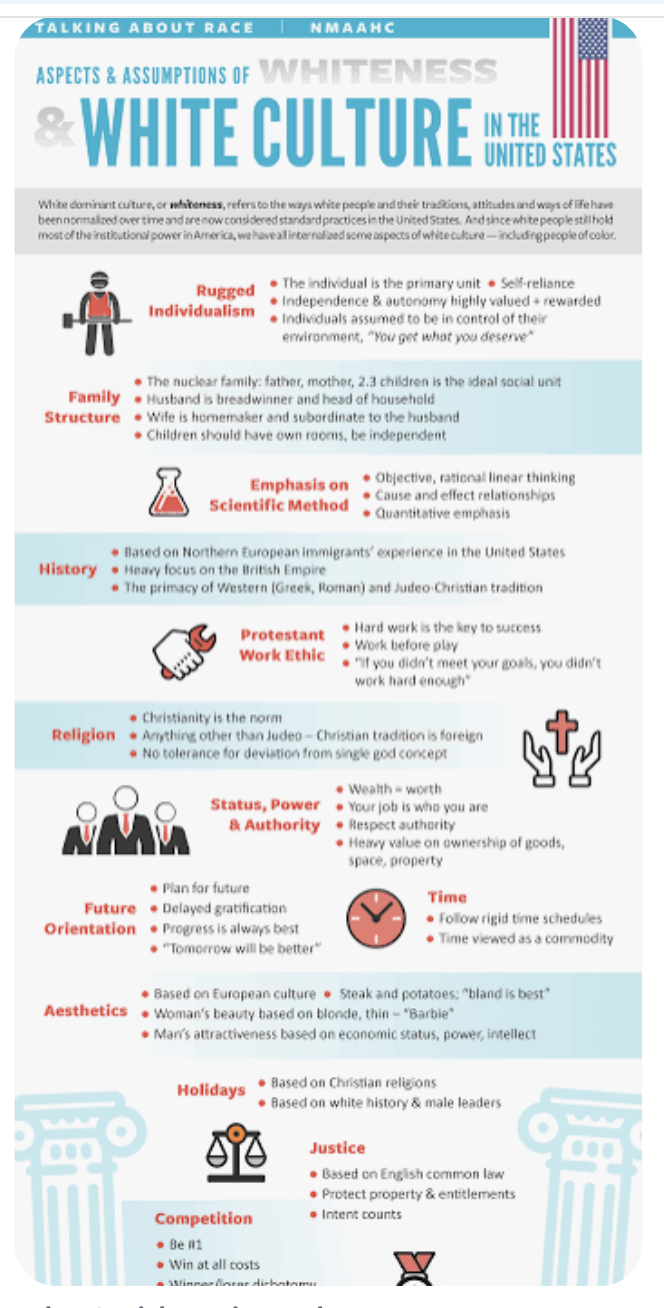
There were harbingers in things like Barack Obama’s “bitter clingers’ language and Hillary Clinton’s “basket of deplorables” description. But more recently it’s all over, and universities generally describe it in terms of eliminating “Whiteness.” But what they really mean by “Whiteness” are traditional things — as basic as punctuality and a work ethic — that were traditionally valued by pretty much all Americans and Europeans. And the period of monument-toppling — which quickly went beyond Confederate generals to include basically any statue of a great man or woman — is a reminder that when you want to conquer a country, you destroy its sense of history and tradition and accomplishment.
The mass importation of third world immigrants has been seen as an effort to import voters, which it certainly is. But honestly I think it goes deeper than that. Our ruling class suffers from a good degree of self-loathing, which is understandable given how largely loathsome it is. But beyond that, I think it’s what Eric S. Raymond has called “Gramscian Damage” — the leftover influence of old Soviet/communist propaganda. The Soviet Union is no more, but its weaponized mind virus persists, still doing what it can, which is a lot, to break down the will, self-esteem and function of the West.
ESR writes: Indeed, the index of Soviet success is that most of us no longer think of these memes as Communist propaganda. It takes a significant amount of digging and rethinking and remembering, even for a lifelong anti-Communist like myself, to realize that there was a time (within the lifetime of my parents) when all of these ideas would have seemed alien, absurd, and repulsive to most people — at best, the beliefs of a nutty left-wing fringe, and at worst instruments of deliberate subversion intended to destroy the American way of life.
Koch shows us that the worst-case scenario was, as it turns out now, the correct one; these ideas, like the “race bomb” rumor, really were instruments deliberately designed to destroy the American way of life. Another index of their success is that most members of the bicoastal elite can no longer speak of “the American way of life” without deprecation, irony, or an automatic and half-conscious genuflection towards the altar of political correctness. In this and other ways, the corrosive effects of Stalin’s meme war have come to utterly pervade our culture.
….