Another triumph for the consumer, brought to you courtesy of your federal government and states attorneys
/
as the hypochondriac’s epitaph read, “I told you i was sick”
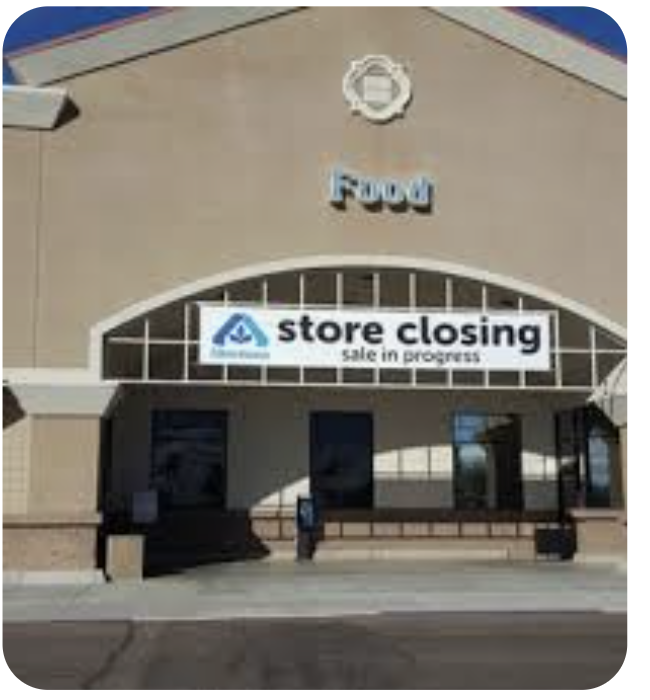
Albertsons grocery chain closes more stores, cuts jobs as post-merger fallout deepens
Grocery chain is scaling back operations, cutting costs as it adjusts to a more competitive landscape after its blocked merger with Kroger
The Boise, Idaho-based company — which operates banners including Safeway, Vons and Pavilions — has announced a new round of closures in recent weeks as it pivots to cost-cutting and operational changes.
The company has closed roughly 20 stores in 2025, underscoring mounting pressure as it competes with larger rivals such as Walmart and other low-cost operators.
In Southern California, Vons stores in Escondido and Redlands will close in April, eliminating 135 jobs. An Albertsons store near Riverside, California, shut down in March, cutting 75 workers, while a Safeway in Northern California closed earlier this year, affecting 76 employees.
The cuts extend beyond the West Coast. Two Albertsons-owned stores in North Texas are set to close by late April, impacting 138 workers, and a Safeway in Washington, D.C., is slated to shut down in May, eliminating 87 positions.
Industry analysts say the closures reflect ongoing fallout from the blocked Kroger merger, which Albertsons had framed as key to achieving scale and competing more effectively on pricing.
In response, the company is leaning on cost reductions and technology investments, including automation and artificial intelligence, as digital sales grow — often requiring fewer in-store workers.
As for the other partner?
GROCERY GIANT KROGER TO CLOSE 60 STORES IN NEXT 18 MONTHS
Here’s a summary of why the merger was contested; you can decide for yiourself whether the goals of the opponents: job protection, competition, and lower consumer prices were achieved.
AI Overview
The proposed merger between Kroger and Albertsons was blocked by federal and state courts in December 2024 following lawsuits from the FTC and several states. Opponents argued the deal would trigger higher grocery prices, reduce consumer choice, and threaten worker benefits. Albertsons terminated the merger agreement shortly after the court ruling.
Key Reasons for Opposition and Legal Action:
Anticompetitive Concerns: The FTC and nine states (plus DC) sued to block the merger, arguing that combining the two largest U.S. grocery chains would eliminate, not enhance, competition.
Store Divestiture Skepticism: The plan to sell 579 stores to C&S Wholesale Grocers was deemed insufficient to preserve competition, with concerns about C&S’s ability to compete effectively.
Job Loss and Union Opposition: The United Food and Commercial Workers International Union (UFCW) unanimously opposed the merger, fearing it would threaten the livelihoods of over 700,000 employees.
Price Hike Fears: Concerns were raised that the merger would raise prices for shoppers during a time of high inflation.
The merger was widely seen as an attempt by the companies to better compete with large retailers like Walmart and Amazon, a justification the court did not accept.