Expand this story to the entire economy: new factories, pipelines, housing projects, and then toss in the equivalent state and municipal regulations
/
The drag on our economy is almost too massive to fully comprehend, and it doesn’t help that few in the media ever focus on those costs
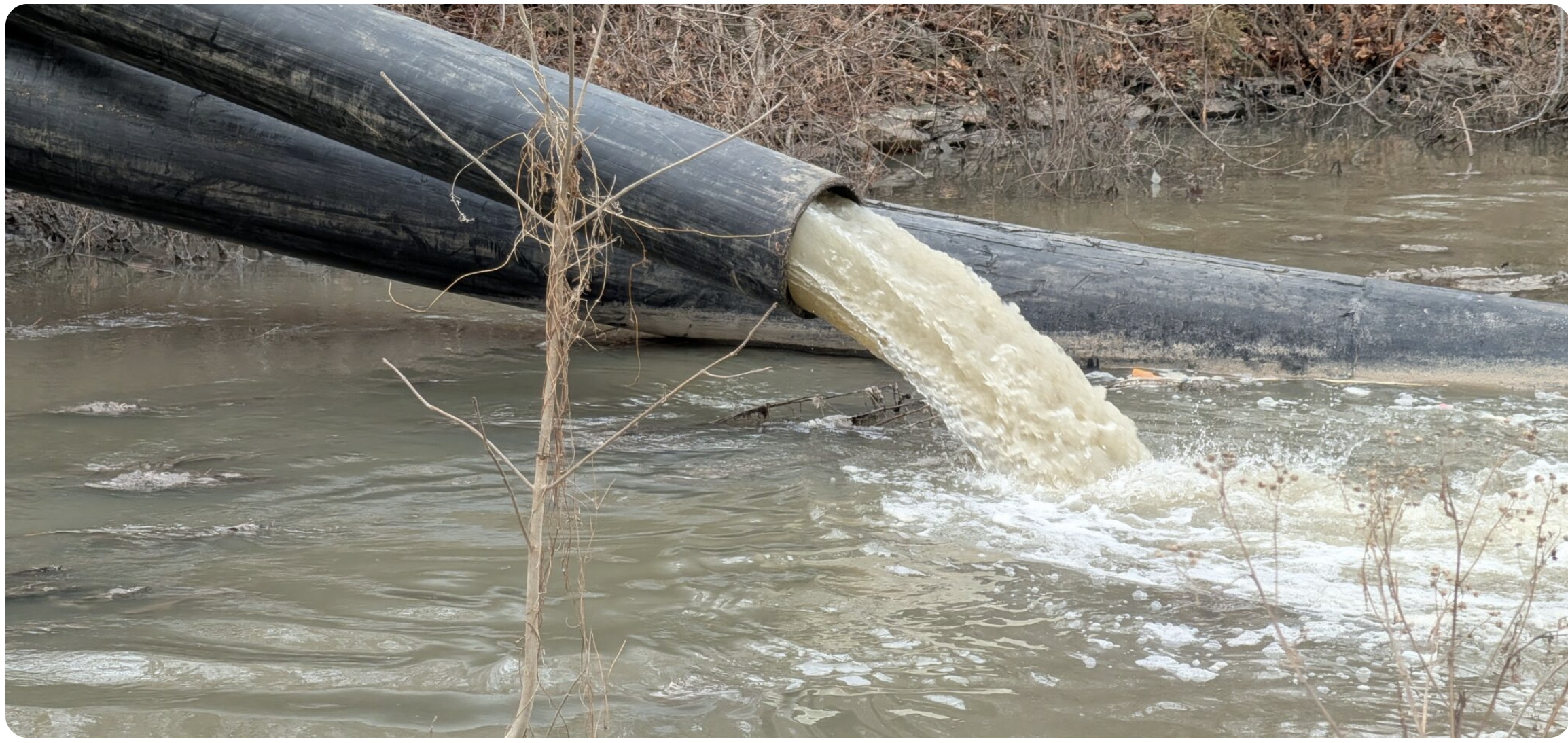
Massive DC Sewage Spill Caused by Environmental Review That Dragged on for Years
… {T]his was one of the worst sewage spills in American history and naturally people wanted to know why this happened. Today the Washington Post has a story answering that question. It turns out the damage to the section of the pipeline that failed had been known since 2018. But instead of immediately getting to work, the National Part Service decided it needed to perform an environmental review which dragged on for years and prevented the repairs from being made.
D.C. Water asked the National Park Service for permission to fast-track repairs in 2018, after inspectors found widespread corrosion and detached rebar in one area of the six-foot-wide concrete pipe that runs under federal parkland in Maryland, records show. The utility sought to strengthen a three-quarter-mile section that included the point that later ruptured...
But the National Park Service’s environmental review dragged on for years and was still not complete when the pipe collapsed — a delay that experts said appeared to flout a 2020 federal rule requiring such examinations be done within one year...
A review by The Post of more than 2,600 public utility documents reveals how concerns about the removal of trees and vegetation, along with other environmental impacts, postponed repairs to the Potomac Interceptor. The pipe continued to degrade for more than seven years before it failed on Jan. 19 and released one of the largest spills of untreated wastewater in U.S. history.
This happened because the NPS was concerned about the trees and an endangered bat species.
In September 2021, during President Joe Biden’s first year in office, the utility informed the Park Service that the project would probably require removing not three trees, but about 260. The utility promised to replant hundreds of trees, replacing the diameter of those lost, inch-for-inch.
Park Service officials replied that they had “critical concerns” about the trees, partly because they might serve as a habitat for the endangered northern long-eared bat.
The bat typically lives in caves and mines but can rest in shaggy bark and crevices of trees along the C & O Canal in warmer months.
Ultimately, the Park Service decided it needed to do a major review of the site because the plan involved work at another spot a short distance away thus compounding the environmental impact.
A law passed under the Trump administration required the NPS to finish its review in one year from the date it announced it was necessary, but instead the review just dragged on for years even as continued inspections of the pipeline showed it was deteriorating. In fact, the section which eventually failed was cause for an emergency meeting in December 2024.
On Dec. 12, 2024, D.C. Water officials met with Park Service officials to deliver an urgent request, according to a D.C. Water presentation prepared for the meeting. The utility said it needed approval to begin repairs on the most critical 800 feet that appeared to be in imminent danger of failing.
The Potomac Interceptor “needs immediate repair in which the rapid degradation of the pipe has made it a high priority task to prevent collapse,” read the first item on the meeting agenda.
Crews finally got to work last fall and finished a small section. The plan was to continue the work on the next section of the pipe this summer. Instead, the pipe failed in January. So this disaster was the direct result of an ecological review that took seven years.