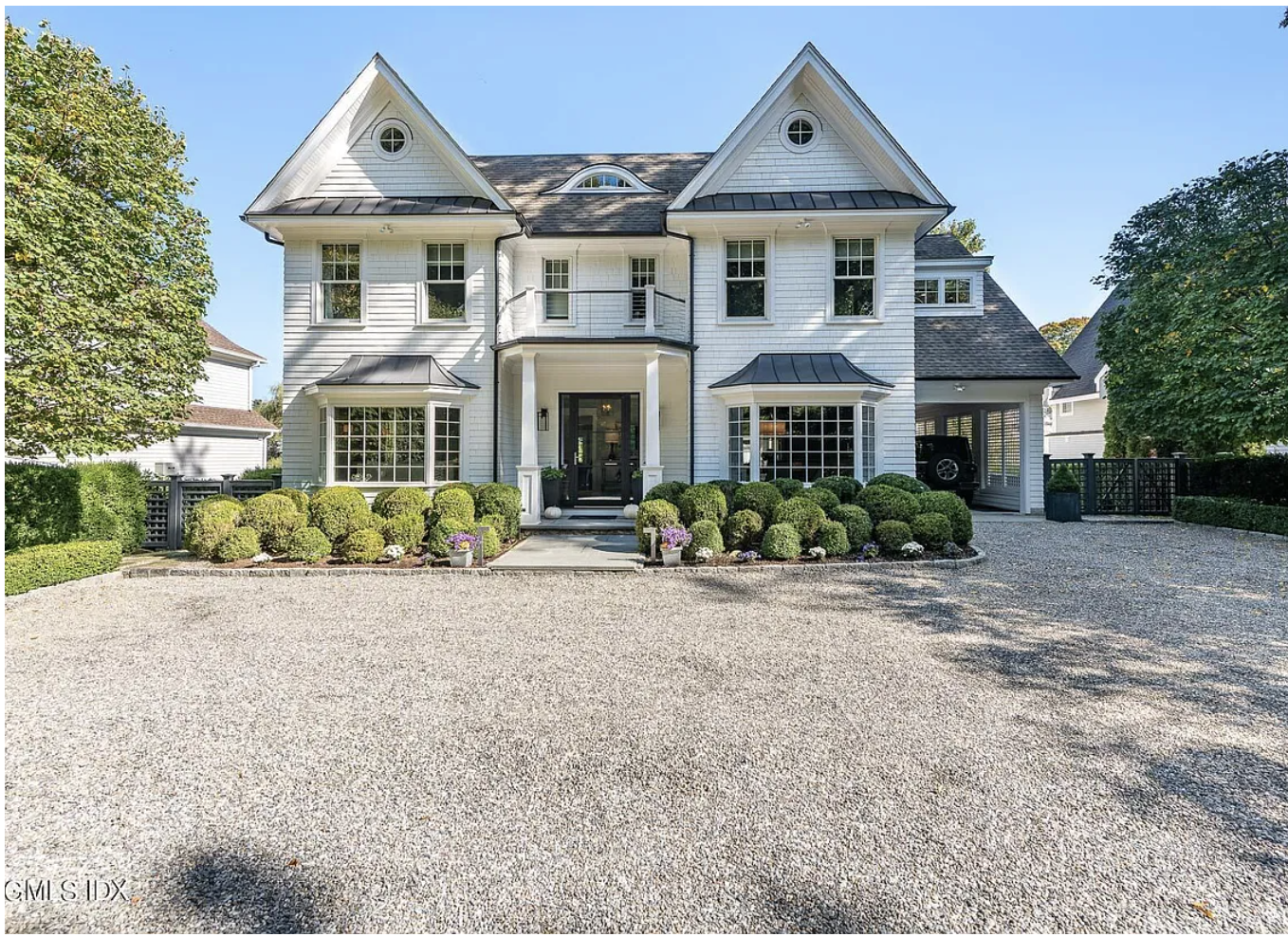
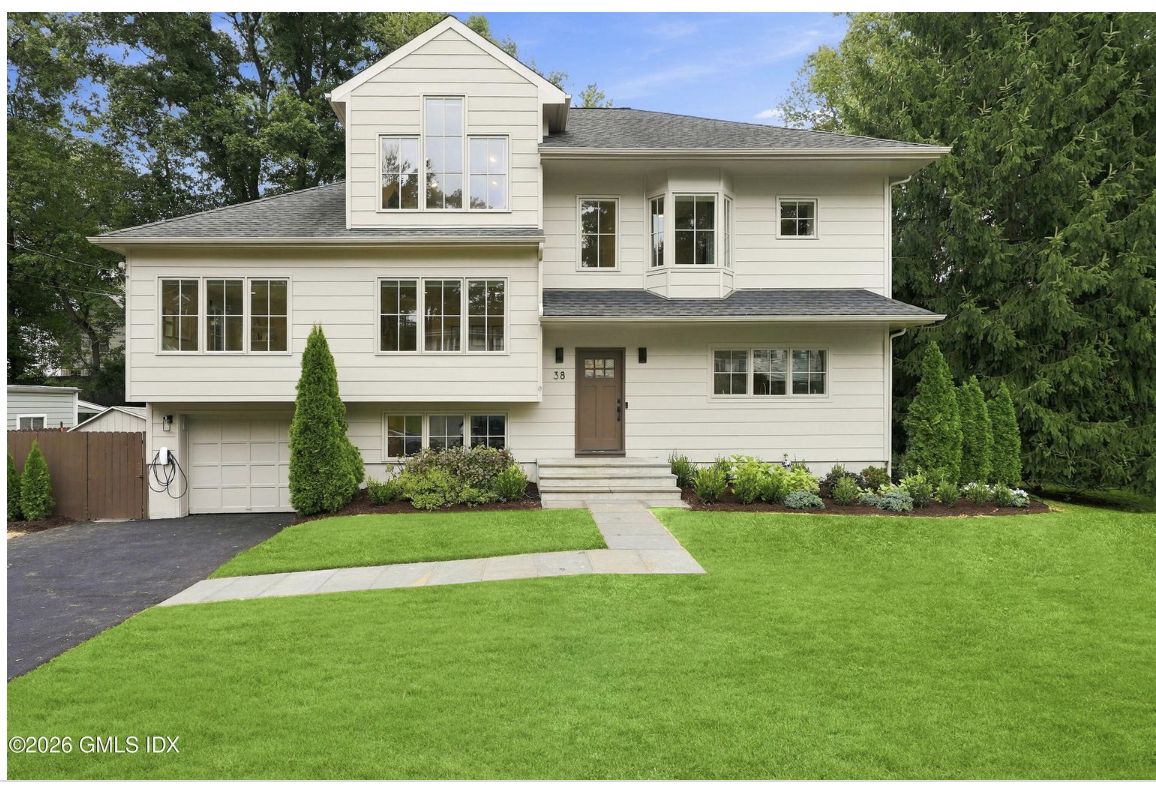
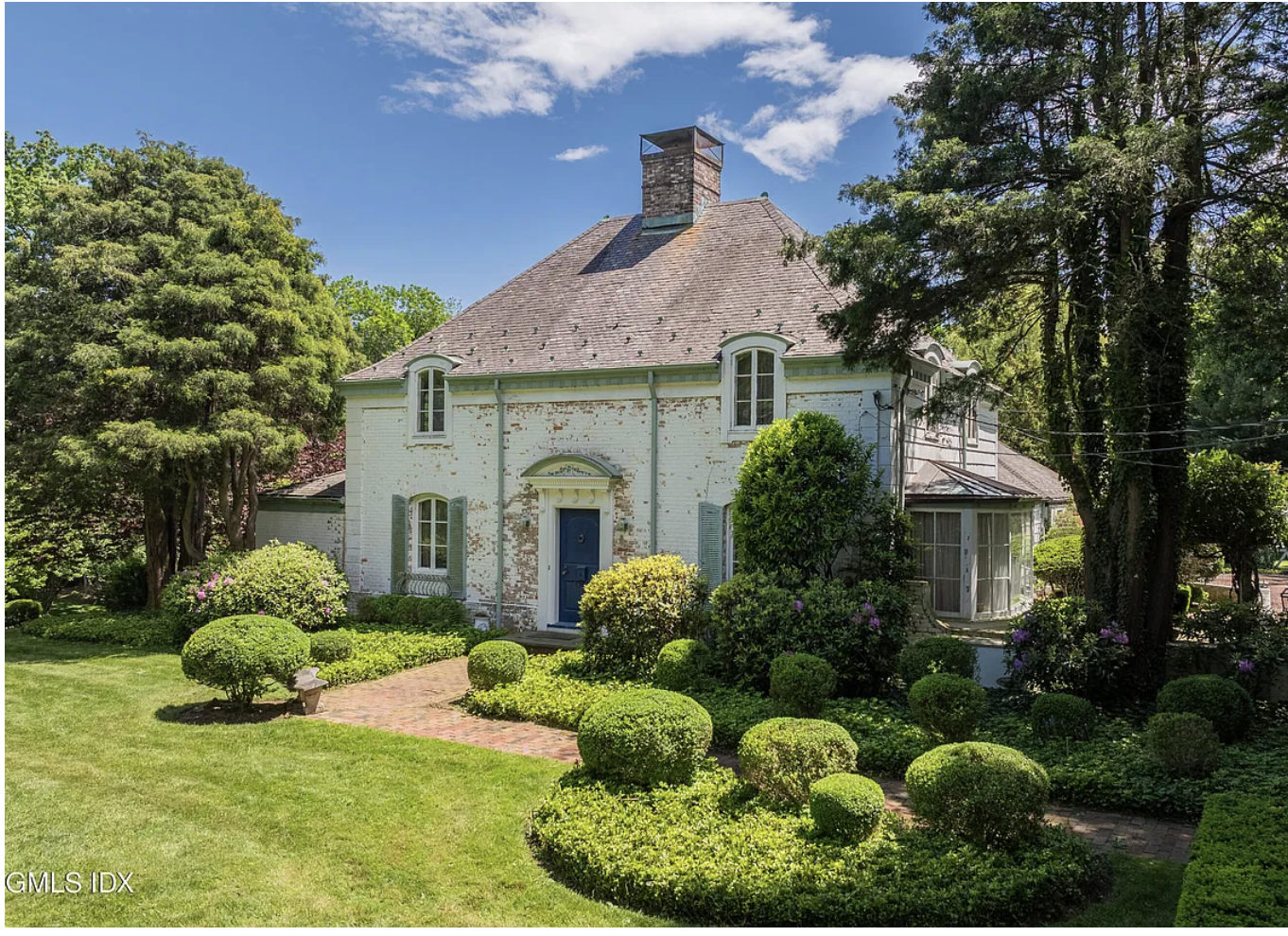
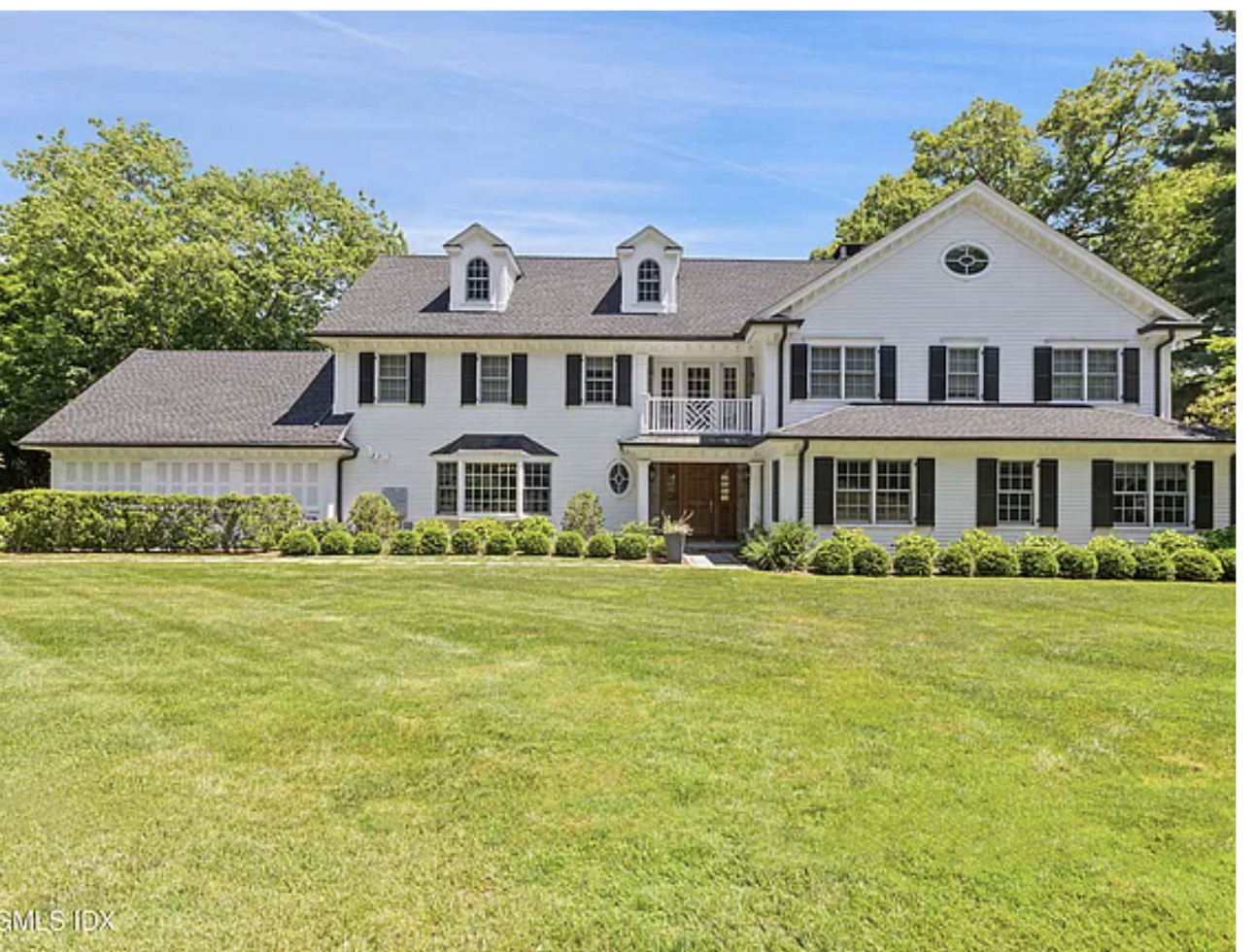
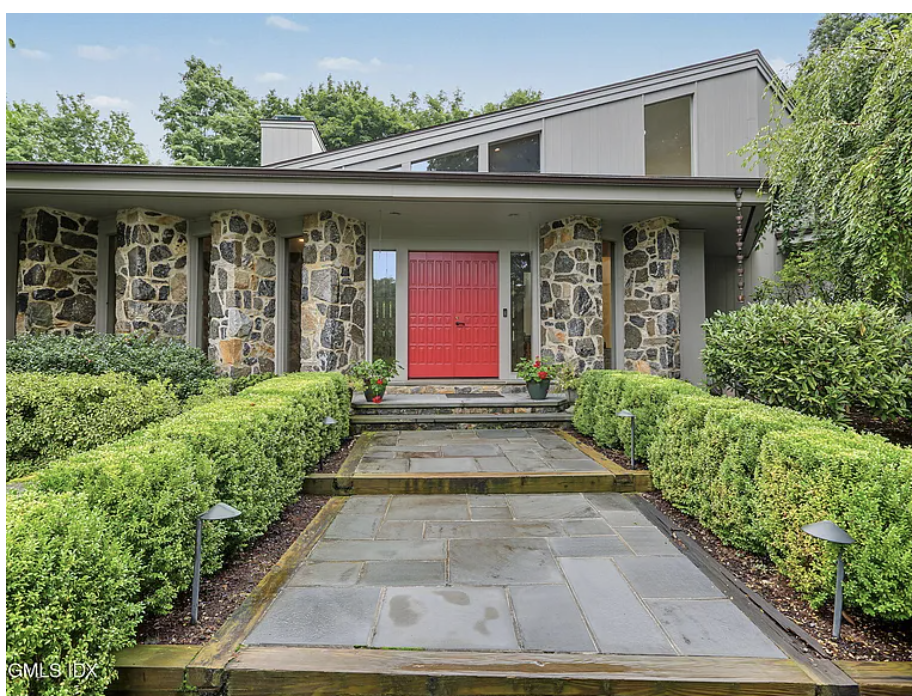
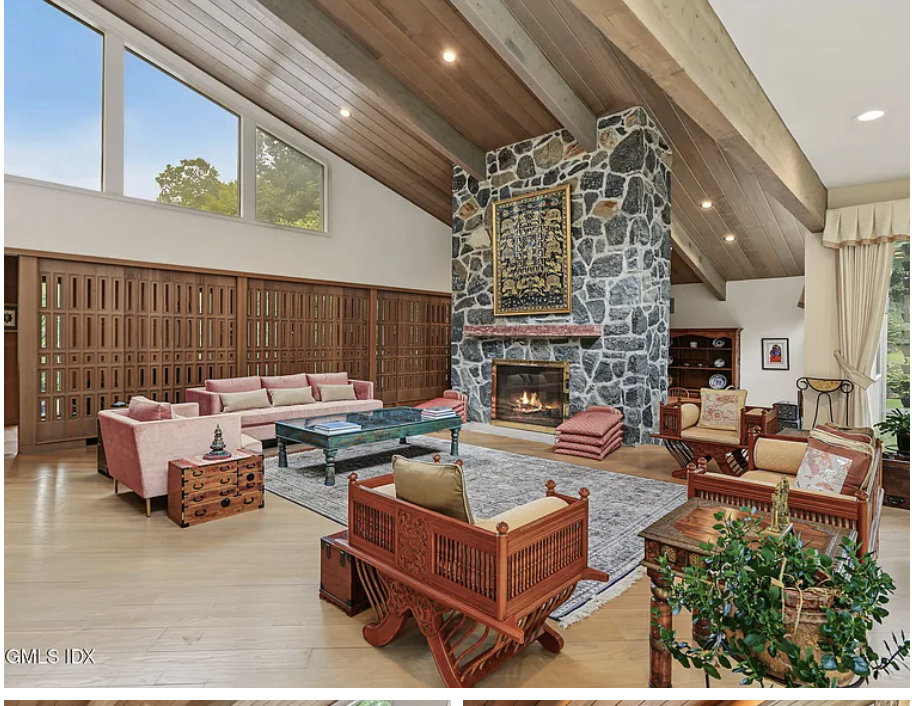
Good looking new listing on Sidney Lanier Lane
/
I’m embarrassed to admit that, in all these years of driving by and even showing houses on Sidney Lanier, I never thought to ask who he was, until now. Turns out, he was quite the fellow.
AI Overview
Sidney Lanier (1842–1881) was a prominent male 19th-century American poet, author, and musician. [1, 2]
Known as one of the most significant Southern voices of his era, he was celebrated for his unique ability to weave the structural rhythms and meter of music directly into his poetry.
The street Sidney Lanier Lane in Greenwich, Connecticut, is actually tied to his immediate family. While the poet himself was born in Georgia, his son, Sidney Lanier Jr., and his grandson, Charles Day Lanier, became established residents of Greenwich. Sidney Lanier Jr. even ran a school in the region, cementing the family name into local history before his passing.
Who was Sidney Lanier?
The Musician: He was a virtuoso flautist who served as the first flutist for the prestigious Peabody Symphony Orchestra in Baltimore. He believed that poetry and music governed the same exact laws of sound and rhythm. [
The Poet: He authored famous American poems such as "The Marshes of Glynn" and "Song of the Chattahoochee". Later in life, he became a professor of literature at Johns Hopkins University. [1, 2]
The Soldier: During the Civil War, he served in the Confederate Army. He was captured by Union forces while piloting a blockade-running ship and held in a federal military prison.
His Tragic End: While imprisoned, he contracted tuberculosis. He spent the remainder of his life traveling to different climates to find relief, but ultimately succumbed to the illness at the young age of 39.
Because of his legacy, his name was widely memorialized across the country—most notably attached to Georgia's massive Lake Lanier, various schools, a 1972 U.S. postage stamp, and the quiet residential cul-de-sac in Greenwich.
UPDATE: it turns out that, just like so many other topics, I know nothing about the history of this section of Greenwich. Here’s more on the family:
Charles Day Lanier (1868–1945), the eldest son of the poet Sidney Lanier, lived in Greenwich, Connecticut, for over 50 years. [1]
[He] became a prominent publisher, a major real estate developer, and an active community leader who deeply shaped the social, educational, and recreational landscape of Greenwich.
His most notable contributions to Greenwich include:
1. Developing the "Rock Ridge" Neighborhood
Charles Day Lanier was one of the largest original landowners of the Rock Ridge section of Greenwich. Around the turn of the 20th century, he acquired a massive country estate there and played a critical role in developing the exclusive residential area off Zaccheus Mead Lane. It is directly because of his property ownership and estate layout that Sidney Lanier Lane was established. [1, 2]
2. Pioneering Progressive Education
In 1910, Charles and his wife, May Field Lanier, were looking for a progressive, outdoor-centric education for their five children. Dissatisfied with the traditional schools available at the time, they founded their own school right on their Greenwich estate. [1]
Originally called "The Little School in the Woods," it began in a small log cabin in Rock Ridge.
It grew rapidly, integrating nature study, woodwork, and literature. It eventually evolved into the progressive Lanier School (and later the Wabanaki School), attracting children from all over Greenwich and drawing the attention of famous American educators like John Dewey. [1, 2]
3. Founding the Greenwich Riding and Trails Association (GRTA)
Lanier was a passionate equestrian and a "leading horseman" in Connecticut who won numerous blue ribbons. In 1914, he teamed up with a small group of prominent local landowners (including Raynal Bolling and James Perkins) to form the Greenwich Riding Association (now known as the Greenwich Riding and Trails Association or GRTA). [1, 2]
The group built a stable at the Field Club and preserved extensive open-space bridle paths so residents could ride horses throughout Greenwich.
Lanier's efforts helped establish the rich equestrian culture that Greenwich is still famous for today. [I’d say “was formerly” famous for — ED]
4. Cultural Preservation (The Robert E. Lee Foundation)
While this was a national endeavor, it was run directly out of their Greenwich home: Charles and his wife May led the high-profile efforts to rescue and restore Stratford Hall, the historic birthplace of Robert E. Lee in Virginia. May Field Lanier served as the president of the Robert E. Lee Foundation, and together they hosted countless high-society charity galas, teas, and historical societies in Greenwich to fund the mansion's transformation into a national shrine. [1, 2]
Charles Day Lanier passed away at Greenwich Hospital in 1945.