Perhaps he'll make it up on volume

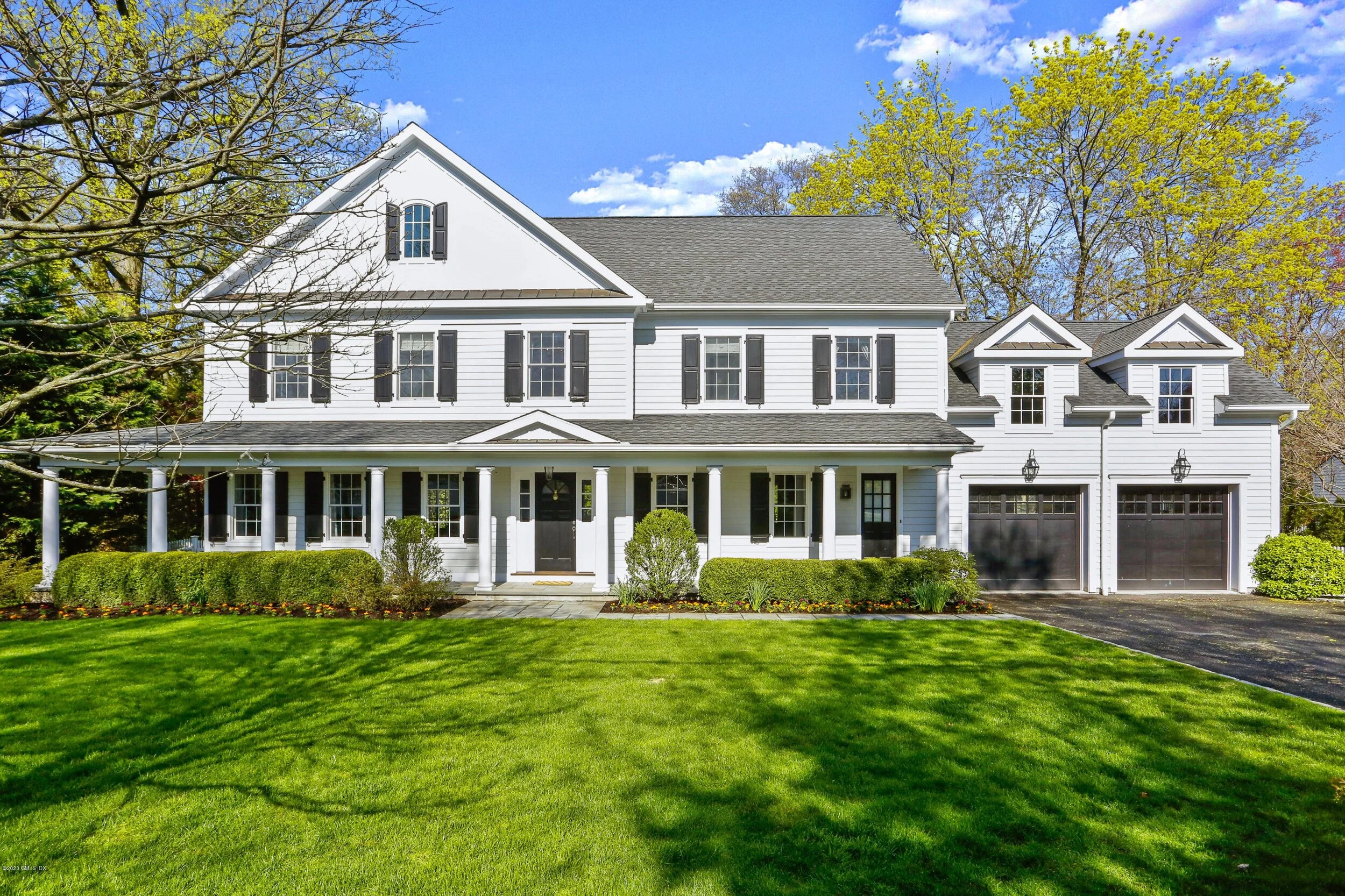
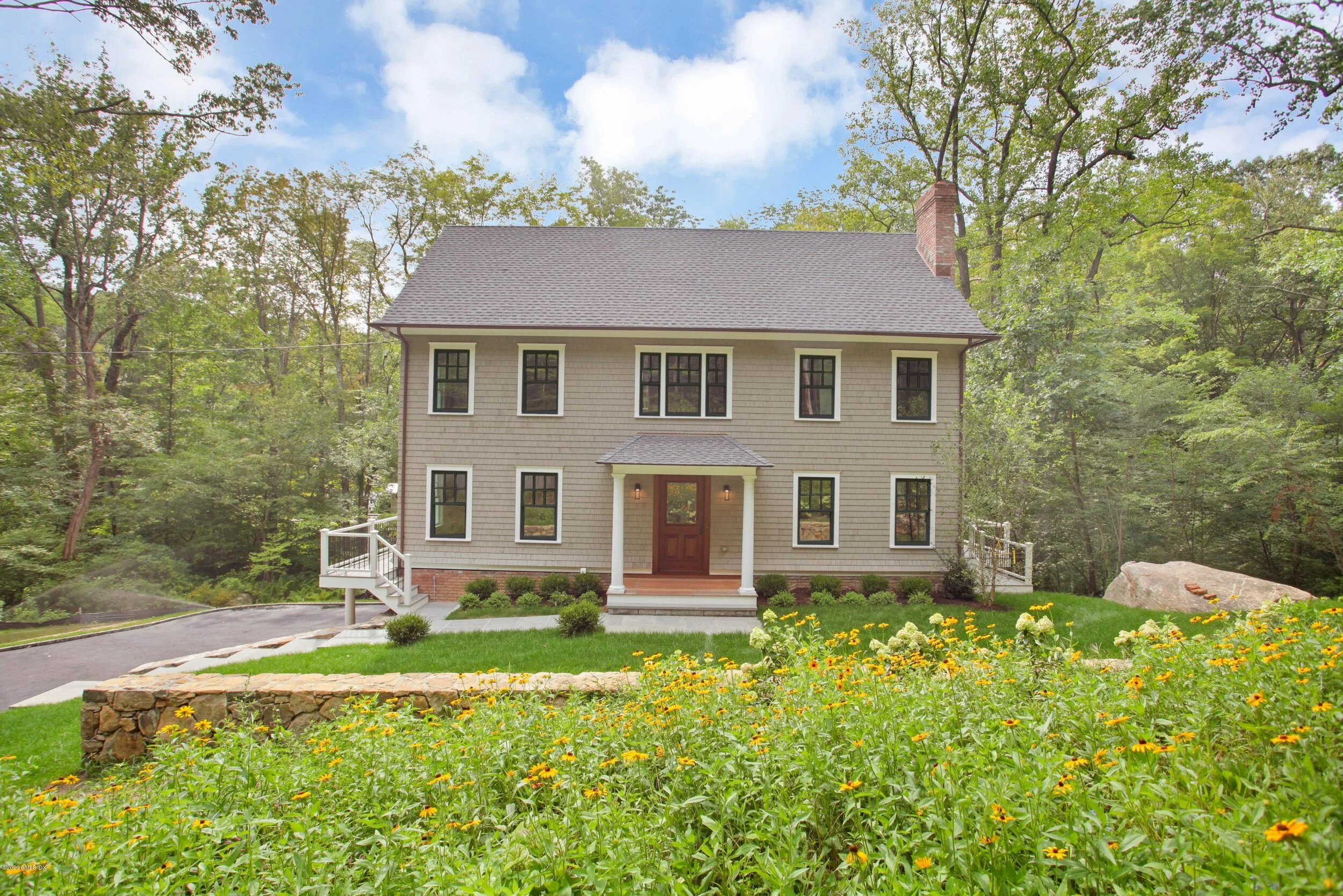
99 porchuck.jpg

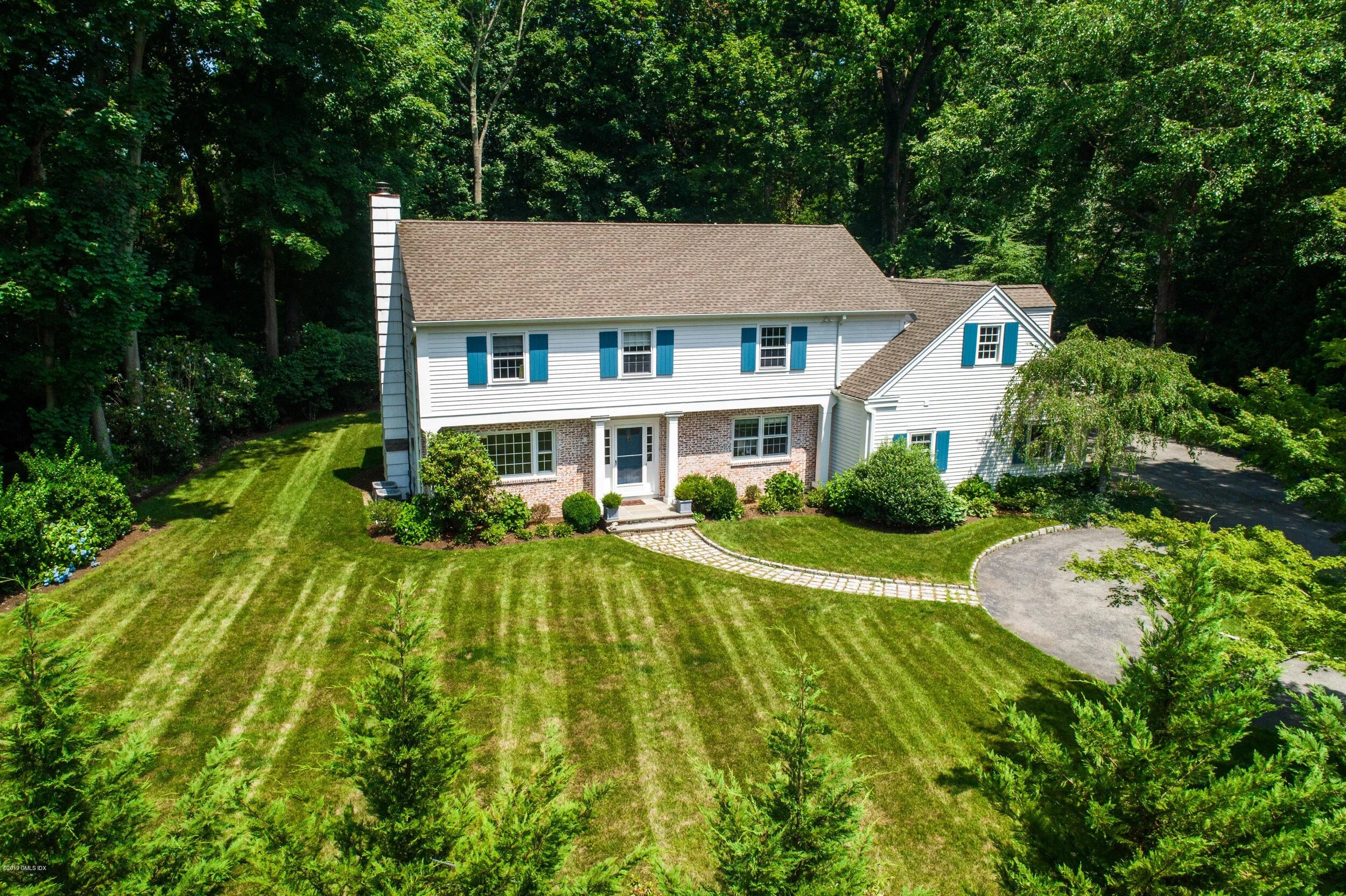
99 Porchuck Road, new construction, has sold for $1.545 million. The builder Peter Thalheim is a great guy and an excellent builder, but he should never have built on this site; it’s been a disaster for everyone who’s touched it before, the tar baby of back country real estate. Four-acre lot, yes, but most of that is unusable creek, rock cliff, and scrub brush — nasty stuff.

The listing claims 3,770 sq. ft., which, if you include the 620 in the basement and the 763 in the attic is accurate enough, so what would it cost for a builder to build that? $201 per square foot would bring him close to break-even: $754,000 build, $762,500 for the land, $38,625 for the buyer’s agent’s commission, but $201 per foot seems cheap for this level of construction, what with a masonry chimney, crown molding, hardwood flooring and so on, and we’re ignoring carrying costs since April 2018. Bad move. On the other hand, the buyer did well, so from his perspective, “lose-win” was not a terrible outcome,

This seems like aggressive pricing to me, but who knows?

Screen Shot 2020-07-16 at 9.53.16 AM.png

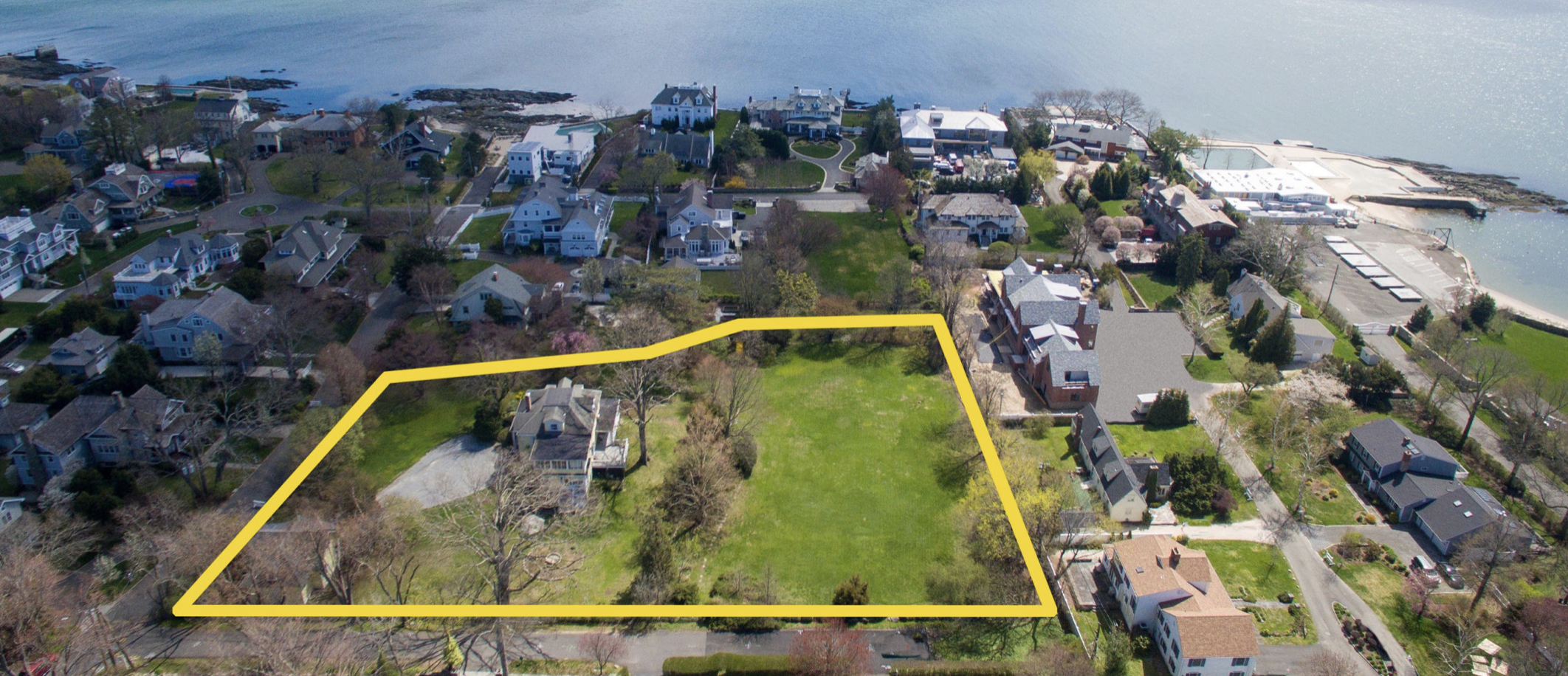
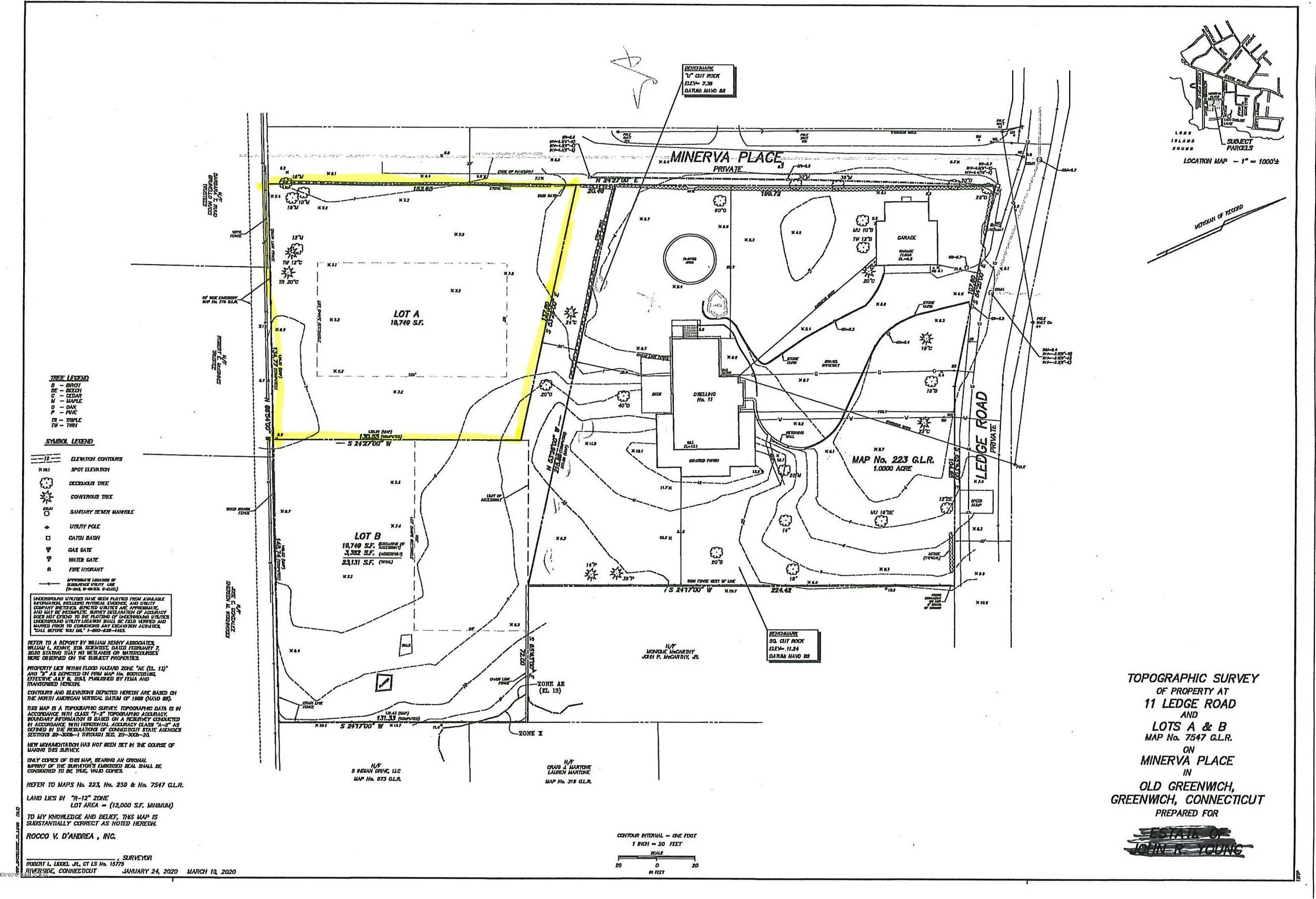
11 Ledge Road, a one-acre building lot, is new today @$4.4 million.

The sellers paid $6.350 less than a month ago for the two-acre property here and have split off this acre. I’d think a 2-acre lot in Old Greenwich would command a premium because there just aren’t many lots that size down there, but a one-acre lot is more common. If market value is in part determined by scarcity, this lot shouldn’t be worth $1.225 million more than it was on June 20, when it was part of the larger parcel.

Still, it’s not inconceivable. The property lies in the R-12 zone, where the floor area ratio is 0.315, so you could build up to 13,721 sq.ft. Tempting as that might be to one of our new New York Masters of the Universe, I think one would be ill-advised to build so large. A 7,500 sq. ft. house, say, at $400 per foot would cost $3 million; toss in land at $4.4, and extras like site prep and you could be all in for $8 million or so. Will the neighborhood support that much? I wouldn’t think so, but if we’re really reapproaching the crazy years of 2007, it might; check back in five years.

UPDATE: Three lots now. This one priced at $2.2 million.

minerva.jpg

And here's one of those sales now

58 indian.jpg

58 Indian Head Road closed yesterday at $2.391 million. It was on the market for 644 days, but that’s mostly attributable, I think, to its opening price back in April ‘18 of $3.299. The owners paid $2. for the house in 2012 and obviously put some real money into upgrades and renovations, but it remains a 1971 builder’s house at heart, and $3 million-plus was a lot to ask.

But at $2.4, and COVID, the price was right.

sales booming

Selling like a house afire

Selling like a house afire

I’ve been reporting this for a while now, but it must really be happening if Greenwich Time says so.

A late-May surge of New York City dwellers interested in the suburbs did not result in Connecticut home sale gains for the second quarter of 2020, but real estate agencies say sales are now being completed that will swell the summer numbers as contracts are finalized.

…{S] ales currently under contract are running 30 percent higher than at last year’s levels, with banks showing continued willingness to issue mortgages, albeit with some tightening of credit terms.

“The pending [sales] are off the charts,” said Candace Adams, CEO of Berkshire Hathaway HomeServices New England Properties. “If you look at certain pockets of the market, they are up even more. I would say that is pent-up demand and a lot of New York migration. ... I think our spring market is going to go right through the fall.”

In its own analysis of homes under contract that had yet to close as of late June, William Pitt Sotheby’s International Realty found that New York City buyers triggered roughly a third of transactions in Fairfield County and Litchfield County; and more than 40 percent of the pending closings in neighboring Westchester County, N.Y.

The market remained dormant through the third week of May, then went into overdrive, according to Paul Breunich, CEO of William Pitt Sotheby’s International Realty, which has its main office in Stamford. He added that 20 percent to 30 percent of homes on the market are triggering multiple offers, five to six times the level of recent years.

“In 30 years, I’ve never seen a market like this — and it is because of the New York City population looking to move out,” Breunich said. “I don’t think it’s a short-term, ‘panic’ buy. I really think we went from a buyer’s market to a seller’s market ... and we went to escaping to the suburbs. Those two things happened overnight.”

Greenwich has been among the immediate beneficiaries, with June home sales up 23 percent to about 75 transactions, nudging the town into positive territory for the second quarter compared to a year ago.

State employees at it again

Screen Shot 2020-07-16 at 6.46.36 AM.png

Hartford Courant July 15 2020: hundreds of state employees may have [sic] illegally filed unemployment claims for loss of part-time, side jobs audit reveals.

“at least 68 out of 70 state agencies have not had layoffs” during the pandemic. That would mean many state employees filing for benefits over the loss of part-time employment would still have full-time jobs — calling into question the legality of their claims.

And watch for this part, which will be the ultimate conclusion when this is done; ‘I forgot”:

The information in Lane’s report is preliminary, and it’s still unknown how many of the unemployment claims in question were filed out of ignorance of the rules when, for example, a restaurant told its waiters and kitchen staff they were closing during the coronavirus pandemic and they should all file for unemployment.

Some of us with long memories may remember when 1,053 state employees were caught filing false claims for emergency food stamp dollars in 2011’s post-Hurricane Irene relief program. In 2012 Governor Malloy announced that of that number, 27 employees were being prosecuted and 10 forced to retire (with full benefits). In 2014, the state dropped all charges against those 27, citing “lack of resources” to prosecute.

Let history be your guide