
Sale price reported
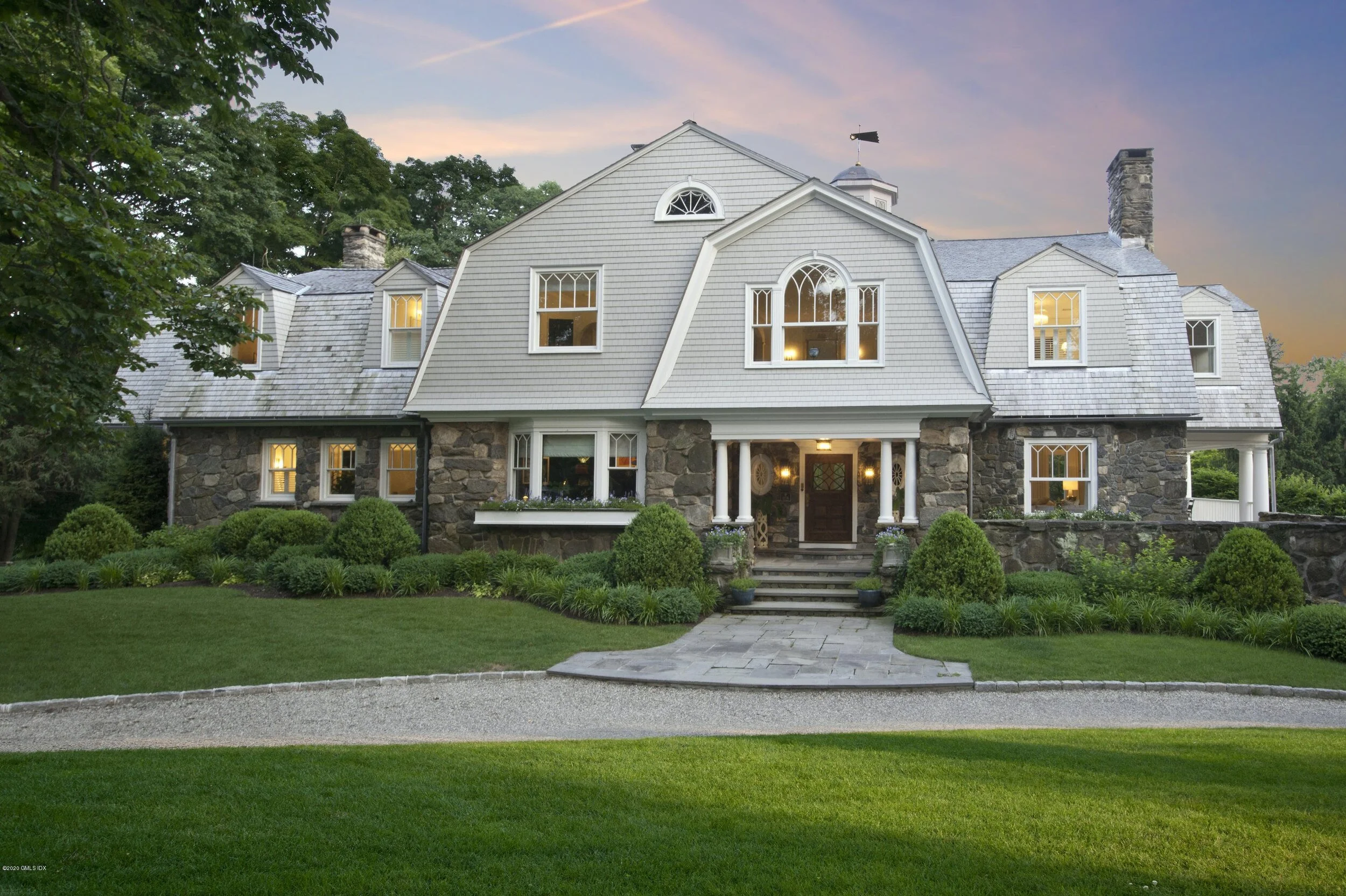
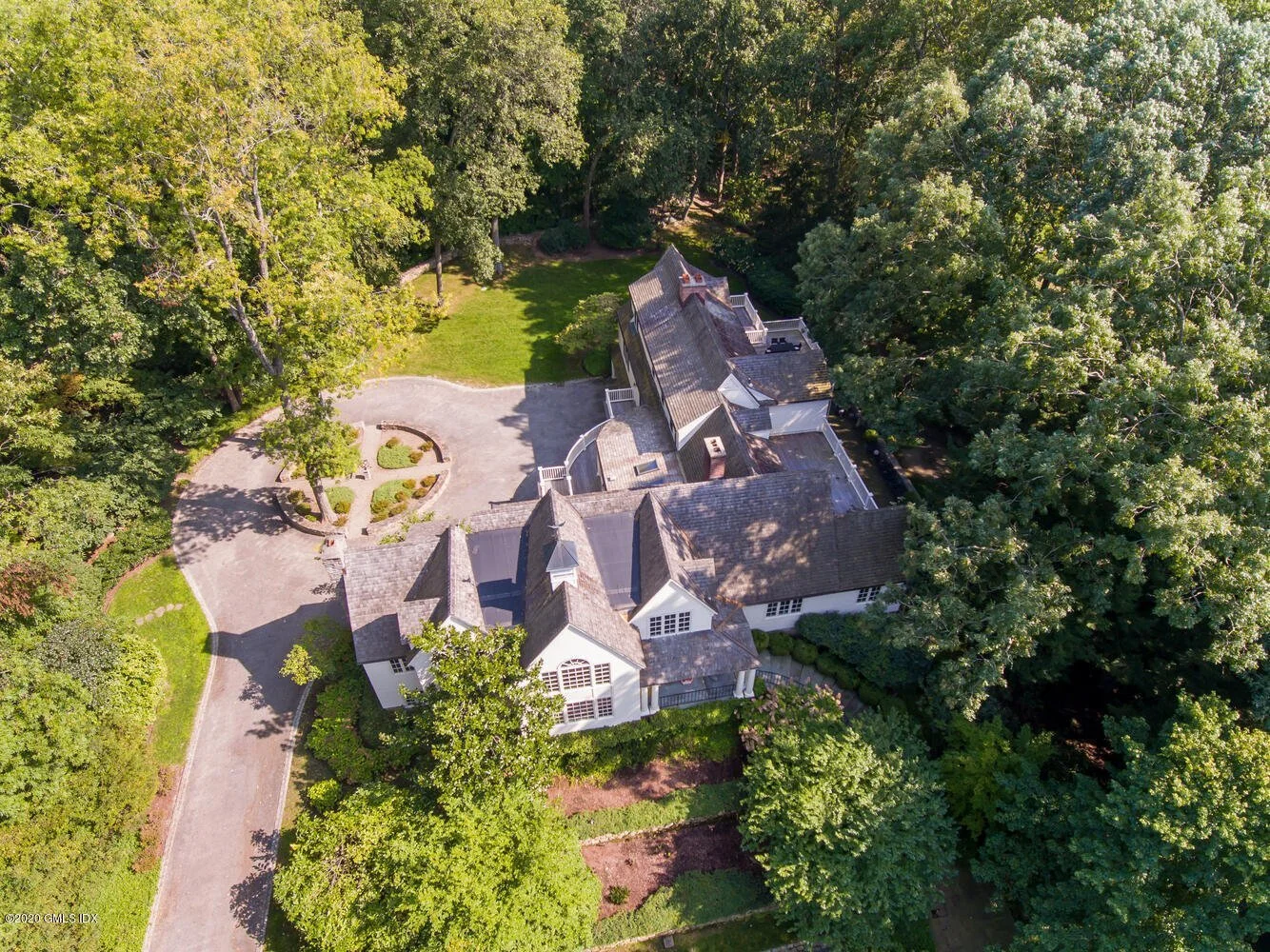
/6 Tod’s Driftway has sold for $8.950 million, on an original asking price of $10.5
Leslie McElwreath, who’s been selling up a storm these days, found the buyer
Greenwich, Connecticut real estate, politics, and more.
Greenwich, Connecticut real estate, politics, and more
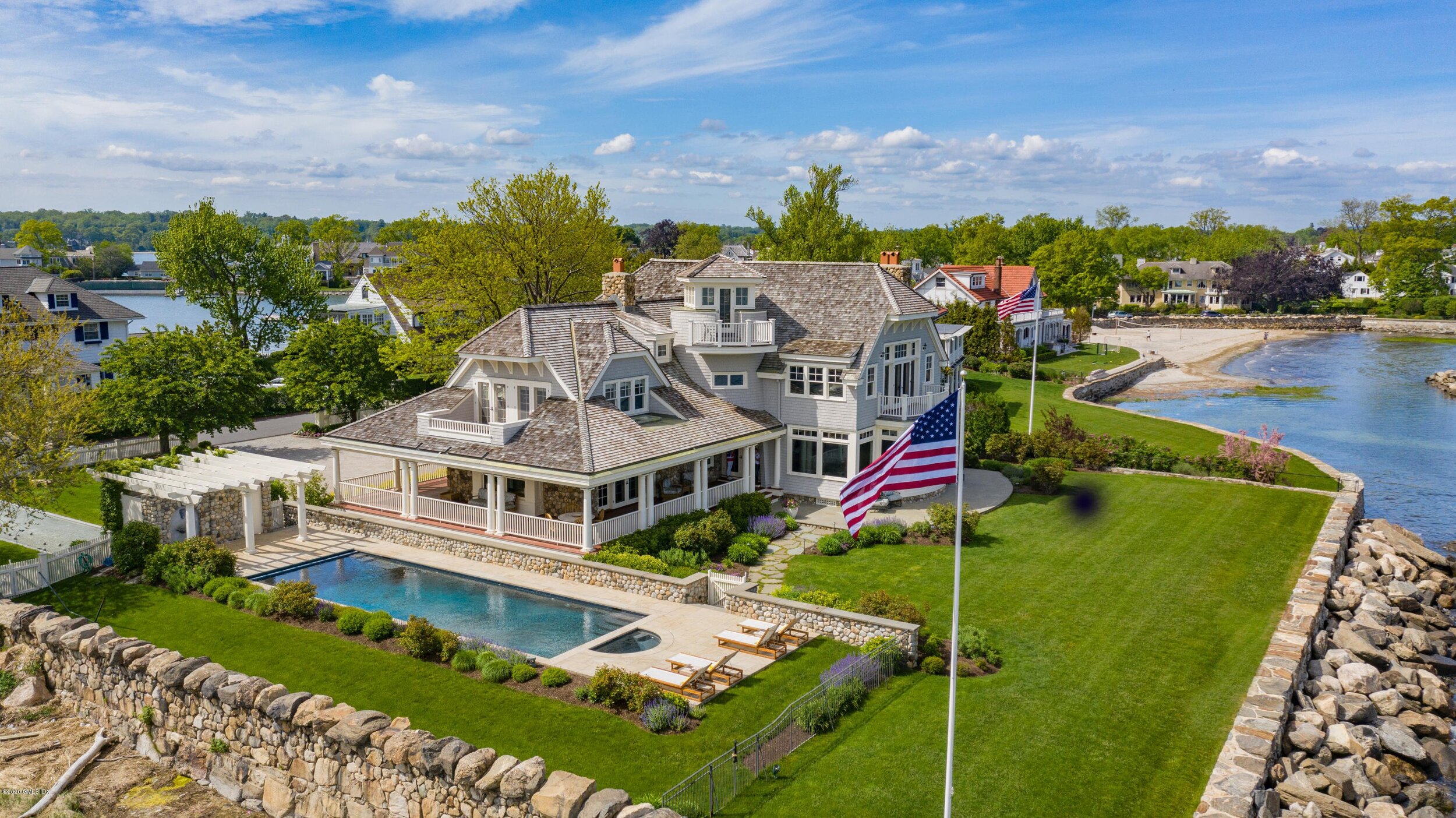
6 Tod’s Driftway has sold for $8.950 million, on an original asking price of $10.5
Leslie McElwreath, who’s been selling up a storm these days, found the buyer
I have a number of draft posts in the file, begun during the past few days and still-born, under the reasoning that who gives an f?
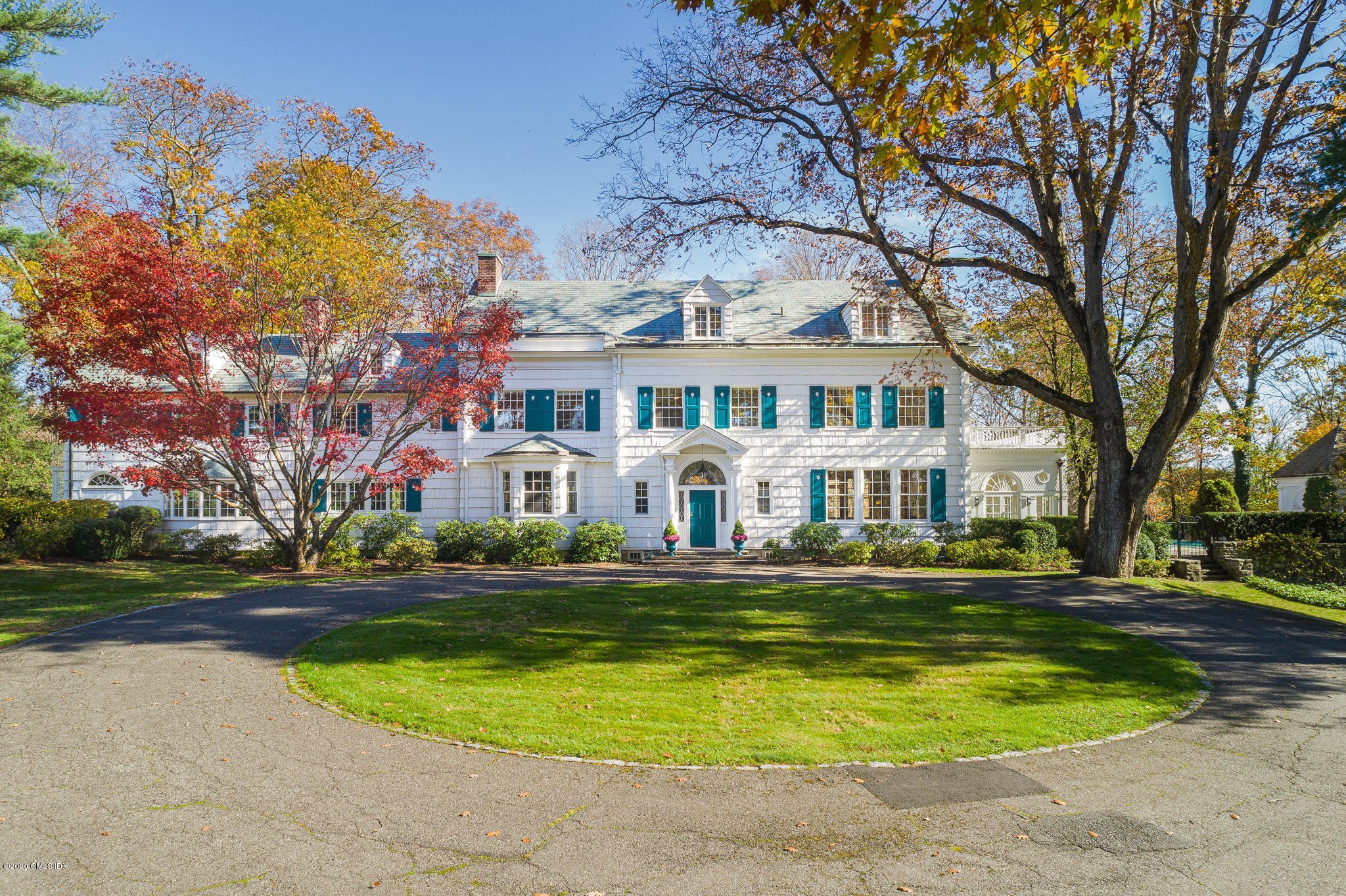
But what the hell, there’s always (some) real estate to comment on, like this pending contract for 137 Old Mill Road, asking $4.8 million
It’s of some interest because its last asking price a year ago was just $3.9million, and being offered “as is”. It came back on 30 days ago at this new price and already has a buyer. Did the COVID panic actually produce a buyer willing to pay $900,000 more than the seller would have accepted ten months ago? We’ll have to wait to see what it closes at.
Speaking of waiting, this owner did a lot of it. Ogilvy priced it at $11.5 million in 2014, and it’s been on the market ever since.

Ready to head out to the mail box
The NYT interviews 700 epidemiologists; the results are disturbing.
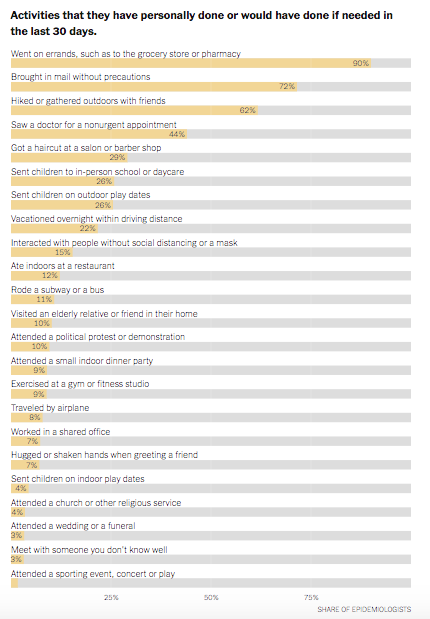
The New York Times asked 700 epidemiologists to describe their COVID-19 habits, how their thinking has changed since the pandemic began, and when they think it will be safe for normal life to resume. Dismayingly, several answered that last question with a resounding never.
"I expect that wearing a mask will become part of my daily life, moving forward, even after a vaccine is deployed," Amy Hobbs, a research associate at the Johns Hopkins Bloomberg School of Public Health, told The Times.
Marilyn Tseng, an assistant professor at California Polytechnic State University, said life would never revert to the way it was, though the preventative measures currently practiced—masks and social distancing—will feel "normal" in time. Similarly, Vasily Vlassov, a professor at HSE University in Moscow, said life was perfectly normal now because this is the new normal.
Others disagreed. Michael Webster-Clark of the University of North Carolina at Chapel Hill said he expected "further relaxation of most precautions by mid-to-late summer 2021" following widespread availability of the vaccine. Some epidemiologists said their own risk aversion would decrease after they were vaccinated, but many said they would remain just as cautious until "80 percent or more" of the entire population had received the vaccine.
On the whole, the epidemiologists were less wary of touching surfaces than they were at the start of the pandemic, and some thought young children could go back to school. But just 26 percent said they either had or would have allowed their children to return to the classroom, or even attend an outdoor play date with friends.[and 96% forbid indoor play dates —Ed] Only 29 percent were willing to get a haircut, even though the most infamous case involving two hairstylists who had COVID-19 resulted in not a single infection among their 139 clients. A mere 11 percent were willing to ride the subway.
These people are nuts: they have kept their children away from friends for almost a year, and will continue to do so; 72% won’t spend the night away from home; 56% won’t visit a doctor, 28% are scared of handling their mail; 10% won’t leave their house at all.
I don’t believe these are people who know more than the rest of us; to the contrary, they are individuals so trapped in a tiny world of their specialty that they can’t grasp a wider view, can’t calculate a risk-benefit analysis. As one small example, the fact that 28% of them are scared to handle their mail, when there is zero — no — chance of infection sums up their irrational terror.
By the time this panic is over, faith in public health “experts” will, deservedly, be as low as that as our faith in politicians and news reporters.
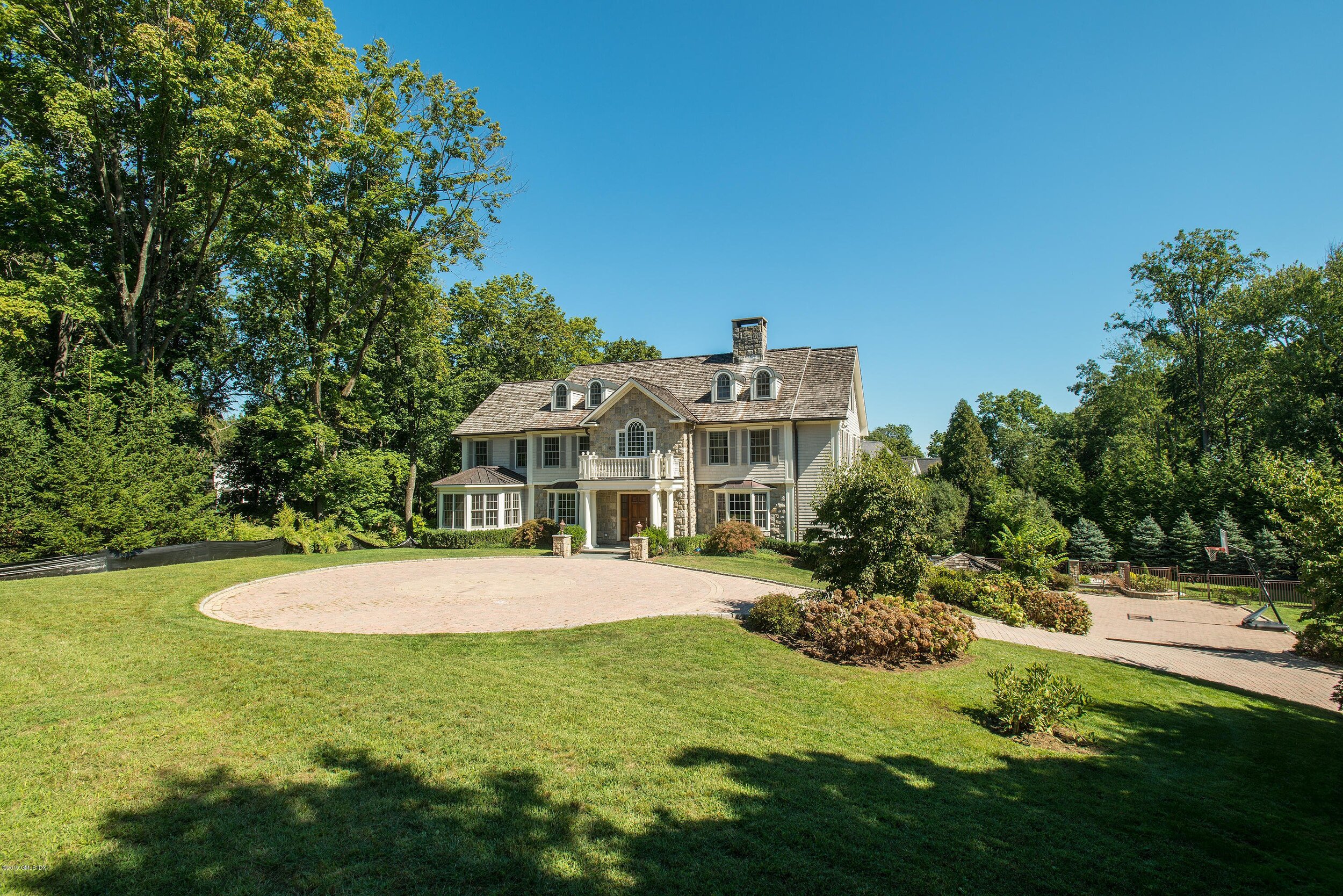
474 North Street, in foreclosure, has sold for $2.1 million. This house was originally priced at $5.495 million in 2006 and stayed over-priced thereafter, for years. I’m sure I wasn’t the only agent who had clients interested in the house but who balked at even extending an offer because of the high asking price.
It might, at one point, been a $3.2ish house, before neglect and rentals took their toll, but that opportunity had long passed by the time the bank showed up at the door.
The original mortgage was $2.450 — instead of walking away with some bit of equity, the owner lost all.
Sad.
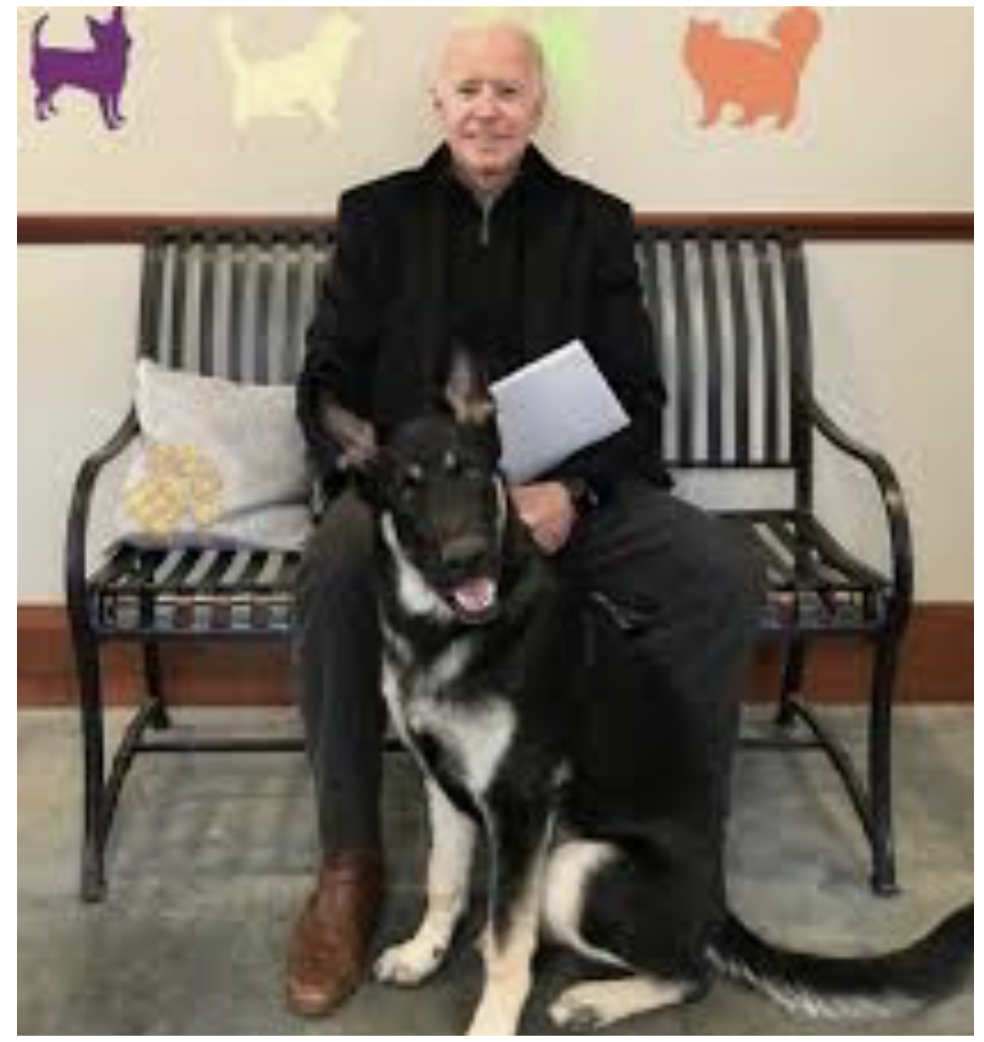
“I have half-a-mind to be President!”
Biden: I was buck naked, trying to pull my dog’s tail when I broke my foot.
Odd, but not unexpected behavior from Jolted Joe.
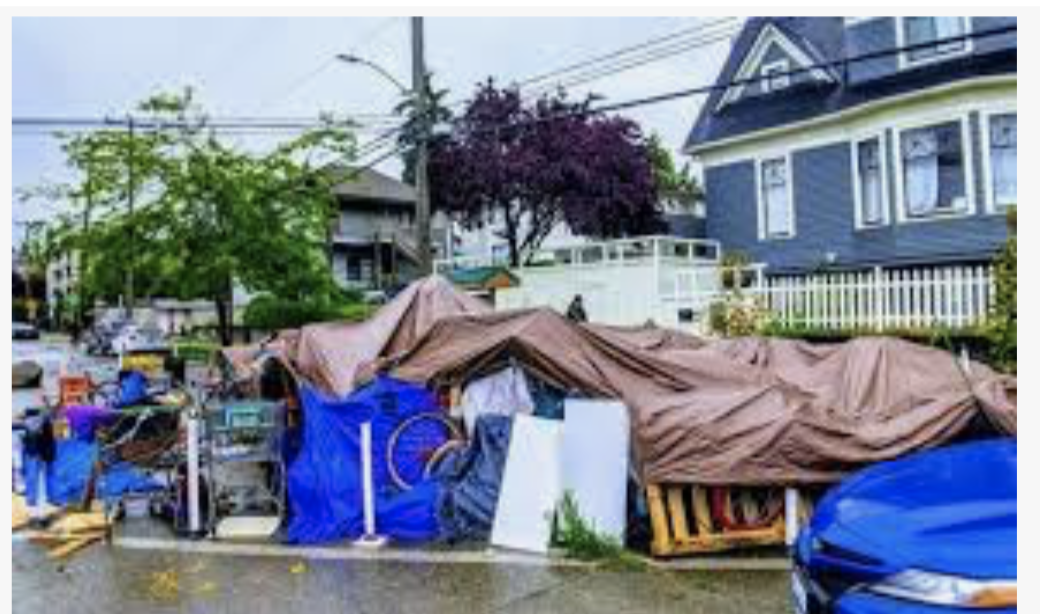
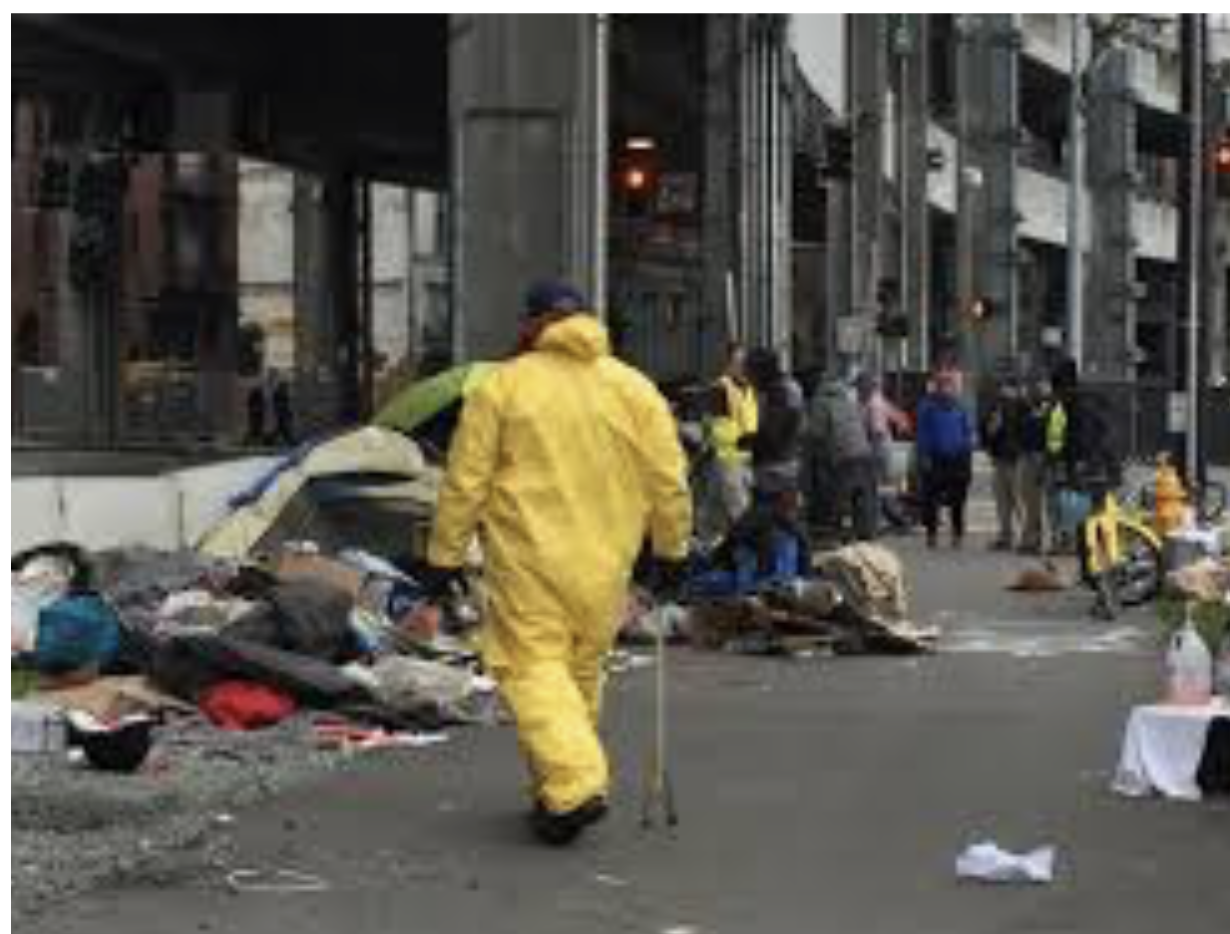
Seattle proposes decriminalizing all misdemeanors.
Christopher Rufo, City Journal:
Under the proposed ordinance, courts would have to dismiss all so-called "crimes of poverty" — which, according to the city's former public-safety advisor, would cover more than 90 percent of all misdemeanor cases citywide. In effect, the legislation would create a new class of "untouchables," protected from consequences by the city's powerbrokers.
This is the latest and most brazen effort in the city's campaign to establish what might be called a "reverse hierarchy of oppression." The underlying theory is that society has condemned the lower class to a life of poverty and stigma, which leads to addiction, madness, and indigence.
The poor, in the logic of Seattle's progressive elites, are thus forced to commit crimes — including violent crimes — to secure their very existence. Therefore, as society is the perpetrator of this inequality, the crimes of the poor must be forgiven. The crimes are transformed into an expression of social justice.
On a practical level, if this ordinance becomes law, it will effectively legalize an entire spectrum of misdemeanor crimes, including theft, assault, harassment, drug possession, property destruction, and indecent exposure. Criminals must simply establish that they have an addiction, mental-health disorder, or low income in order to evade justice. The impact of this measure would be enormous.
In 2019, the Seattle Police Department reported 25,993 thefts, 8,442 assaults, 6,430 property offenses, 4,194 frauds, 3,910 trespasses, and 1,640 narcotics violations — representing 72 percent of all reported crimes. If the ordinance passes, nearly all these crimes would be permitted under law.
The courts, for their part, would be eviscerated. The "crimes of poverty" legislation would nearly eliminate the caseload for nine out of ten of the most frequently filed criminal charges in the Seattle Municipal Court. The objective here is twofold. First, councilmembers believe that mass decriminalization is a good in itself. Second, it almost certainly represents a strategy to "starve the beast" and create a rationale for dramatically downsizing the court system. Seattle's activist coalition has long argued that the courts are a bastion of racism and oppression. Political leaders have sought to replace traditional courts with social justice and rehabilitation programs, especially for "crimes of poverty."
The decriminalization has been tabled, for now, but it’s sure to be back, because the people who have made Seattle a hell hole of homeless camps and beggar gauntlets will have it no other way.
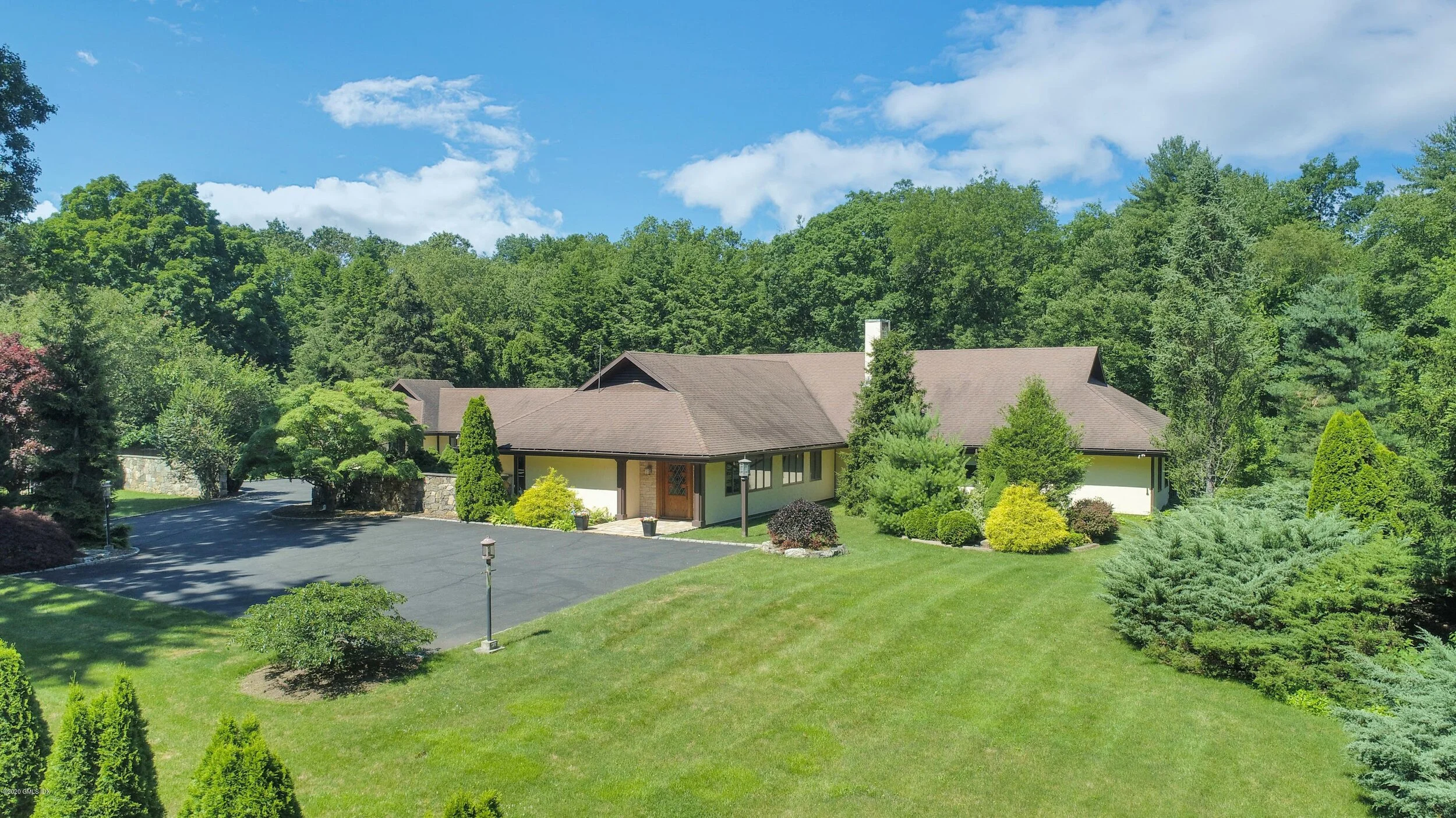
642 Lake Avenue is pending at $2.450 million, and that’s ridiculous. Not this current price, but the history of that pricing; it was first listed at $4.995 in November 2015, and expired unsold a year later, still asking $3.499, and despite also being listed as land — a tacit admission that the house wasn’t worth saving. Worse, after a year off the market, it returned in 2018 once again priced at $4.9. WTF? Two more years of lingering and price drops ad it finally reached its current level; I imagine it’s selling for somewhere around $2.250.
I’ve been prowling our GMLS on behalf of a couple of clients recently, one looking in the $2s, one in the $5-and-up range, and I can report that there are few bargains out there, because there are a lot of buyers, and once a house hits a reasonable price it is snapped up. I can also report, however, that our inventory is cluttered with dozens, even hundreds of over-priced homes that won’t sell until their owners see reason. COVID can’t cure everything (including stupid, assuming the comment below about the anti-trust nature of this post was meant seriously).
31 Rock Ridge Avenue, a totally restored 1903 home, has sold for $8.7 million. It started at $10.750 in July, but in this range, that’s practically a rounding error. Great neighborhood, one that I’d describe as “in-town”, though geographical purists may differ.
10 Spring House Road dropped $249,000 today and can now be yours for just $3.250 million. It’s a dog’s breakfast of expansions and re-dos of a 1925 house and, so far, has failed to capture buyers’ hearts.
And it’s had time to do so; it started at $8.9 million in May, 2010. I visited it with a client in 2011 when it had already dropped to $5 million, and revisited it a year later at $4.450. No dice, and time and a few hard rentals don’t seem to have improved its charm since.
Land value, I suspect, though the value of five non-prime acres near the Merritt Parkway is probably less than the owner hopes.

In every state, in every way, the Green Lefties will block transmission lines, just for starters
Elon Musk: we’re gonna need (a lot) more electricity to power our new fleet of cars.
Tesla Chief Executive Elon Musk said on Tuesday that electricity consumption will double if the world’s car fleets are electrified, increasing the need to expand nuclear, solar, geothermal and wind energy generating sources.
Increasing the availability of sustainable energy is a major challenge as cars move from combustion engines to battery-driven electric motors, a shift which will take two decades, Musk said in a talk hosted by Berlin-based publisher Axel Springer.
There’s no unicorn energy source or free lunch. Currently, electric cars are primarily powered by coal, natural gas, and nuclear. Those are the sources we use to generate electricity, after all, according to the Energy Information Agency. Renewables are growing but still account for less than 20% of U.S. electricity.
There’s no free lunch when it comes to renewable energy sources, which may not even be all that renewable. Wind and sun are free, but the means of generating power from them are not.
They require batteries, which requires extensive mining and the use of toxic chemicals.
Mining is a dirty business.
Weighing those trade-offs — between supporting mining in environmentally sensitive areas and sourcing metals needed to power renewables — is likely to become more common if countries continue generating more renewable energy. That’s according to a report out Wednesday from researchers at the Institute for Sustainable Futures at the University of Technology Sydney in Australia. The report, commissioned by the environmental organization Earthworks, finds that demand for metals such as copper, lithium and cobalt would skyrocket if countries around the world try to get their electric grids and transportation systems fully powered by renewable energy by 2050. Consequently, a rush to meet that demand could lead to more mining in countries with lax environmental and safety regulations and weak protections for workers.
“If not managed responsibly, this has the potential for new adverse environmental and social impacts,” the report says.
[snip]
Energy comes at some cost and likely always will. Stopping drilling wouldn’t just stop gas-powered cars. It would eventually stop the whole economy. Natural gas, our largest source of electricity, is a byproduct of drilling for crude oil. Stopping drilling for crude means little or no natural gas as well. That would reduce our electric generation by about a third by itself. Even if America stopped drilling because Obama said so, the rest of the world wouldn’t. Russia and the Middle East would go right on drilling, and we would become far more dependent on them for our energy, in turn endangering our national security and making the world less stable.
Musk is being a realist, which is refreshing. He recognizes the simple fact that more electric cars will require more electric generation. Electric cars are seen by too many as some escape from the ways we currently run our cars. But they’re not. At best, electric cars currently just transfer where the energy gets created, from burning dead dinosaurs inside of the vehicle itself to burning them someplace else. But for the most part, something is still being burned somewhere to make Teslas move.
At this point, electric cars move — as long as the grid to support them is available. For the most part, it’s not. So, of course, electric car owners are calling on government to fund that, which would mean more taxes.
The useful idiots support the elimination of cheap energy because of course they do, but their masters and manipulators know what they’re doing.
How do I know that there’s a conspiracy afoot? Because this entire scheme to depower the world is so obviously unworkable that mere stupidity and ignorance can’t explain it. You don’t need a lot of people to direct a plan like this, in fact, the dumber the sheep, the easier the attack, but there has to be some guiding intelligence behind this.
Be notified of new posts! Sign-up here:
Want to comment without registering?