Old Greenwich price war
/6 Forest Avenue, 1907 construction priced at $1.895 million on April 26, was pending within 10 days and closed yesterday (reported today) at $2,100,000.
It’s a tough market out there for buyers.
Greenwich, Connecticut real estate, politics, and more.
Greenwich, Connecticut real estate, politics, and more
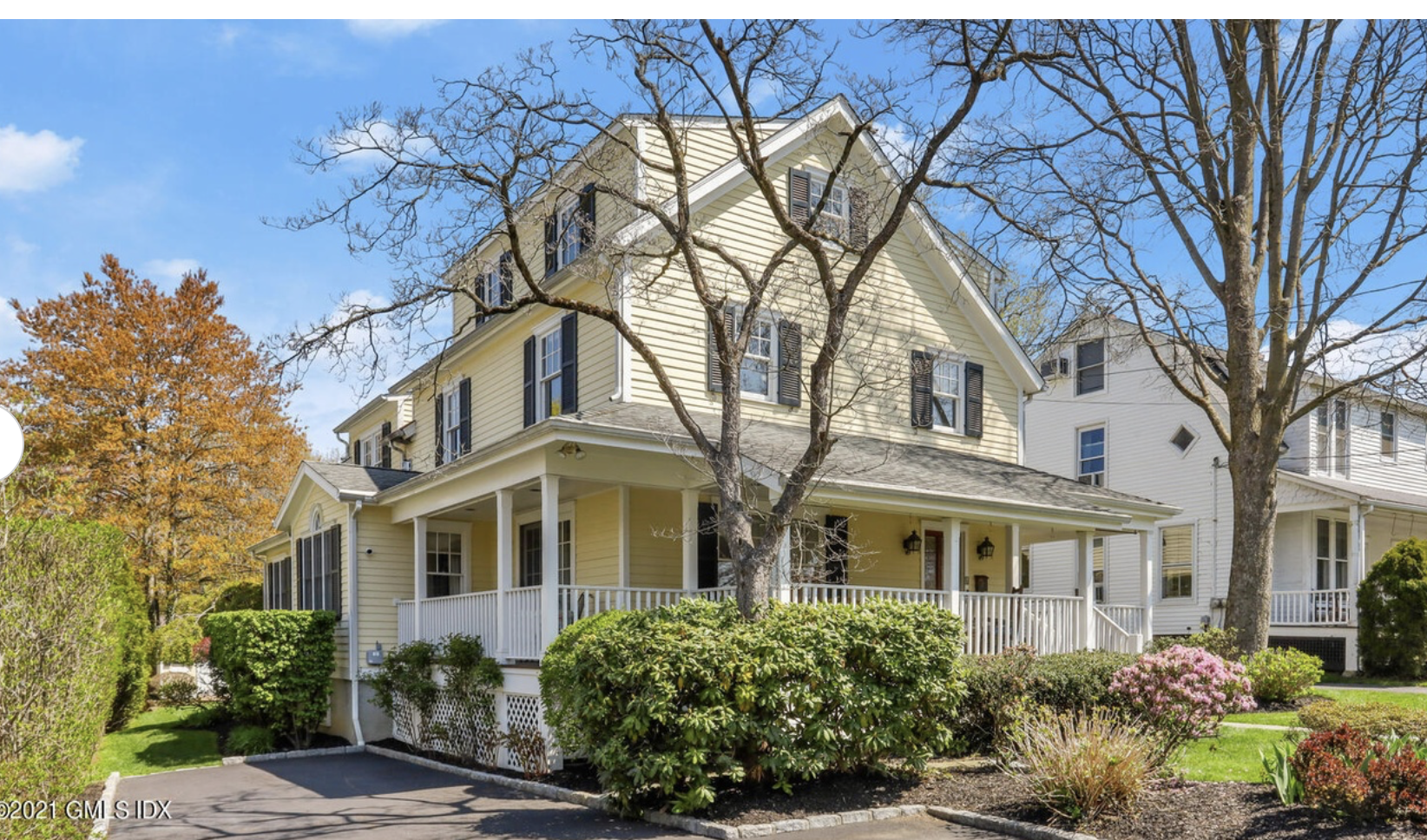
6 Forest Avenue, 1907 construction priced at $1.895 million on April 26, was pending within 10 days and closed yesterday (reported today) at $2,100,000.
It’s a tough market out there for buyers.
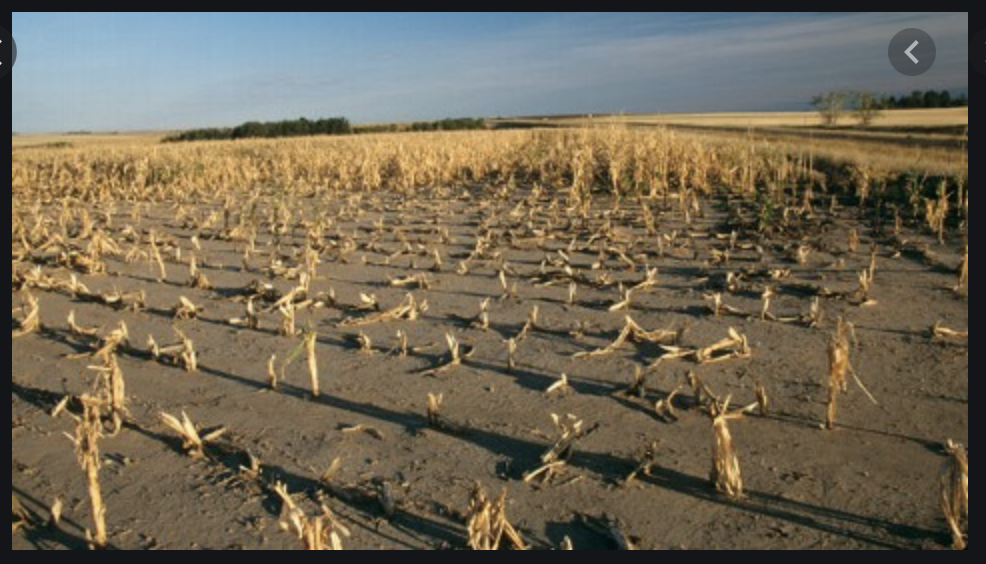
let them eat cicadas
Scientists-close to producing super-wheat-resistant to deadly rust variants
United States scientists say they are close to producing super varieties of wheat that will resist from variants of Ug99, a new and deadly form of wheat rust and at the same time boost yields by as much as 15%.
Scientists released in Minnesota a report with new data that showed key Ug99 variants have now been identified across all of eastern and southern Africa and that it may only be a matter of time before the spores travel to India or Pakistan, and even Australia and the Americas.
Ronnie Coffman, head of the Durable Rust Resistance in Wheat project at Cornell University, and his colleagues note that significant obstacles will have to be overcome before the new varieties of wheat can replace susceptible varieties that cover most of an estimated 225 million hectares of wheat fields throughout the breadbaskets of South Asia, the Middle East, China, Europe, Australia and North America.
The Boarlaug Global Rust Initiative was created after confirming that a new stem rust strain called Ug99 could overcome a crucial resistance gene, Sr31 that had been widely used in the world’s wheat breeding programs to protect the world’s wheat crop from the disease.
…
The plan to protect the world from Ug99 is focused not on creating a single variety of Ug99 resistant wheat, but on conferring genetic resistance in wheat and transferring these traits to local varieties.
The Ug99 is a new variant of the black rust that attacks wheat’s stem impeding the plant to feed and in the fifties and sixties in some years finished with 40% of crops in the United States and Canada.
Another disease, yellow rust, appears to be adapting to warmer conditions and moving into areas where the disease has not previously caused economic losses. Scientists see the growing demand for yellow rust-resistant wheat as an opportunity to disseminate new high-yield varieties resistant to multiple pathogens, including yellow rust and stem rust.
“Golden Rice” — genetically modified rice that provides Vitamin A to populations of the poor that suffer from its deficiency, was bitterly opposed by Greenpeace, Union of Concerned Scientists, and many countries, including China and the Philippines. It was finally approved by the Philippines in 2019, after a 19-year battle, but remains banned in China and Europe.
Salt-tolerant wheat and tomatoes, drought-resistant crops: all have all been fought and even banned through the world, by the same people who believe in the global warming and rising sea levels that they claim threaten conventional crops. Of course, it is also this crowd that wants the world’s population to be drastically reduced, especially the ranks of poor African-Americans (52% of all black pregnancies are aborted, so that must be satisfying). If they can starve millions more poor people, regardless of race, so much the better.
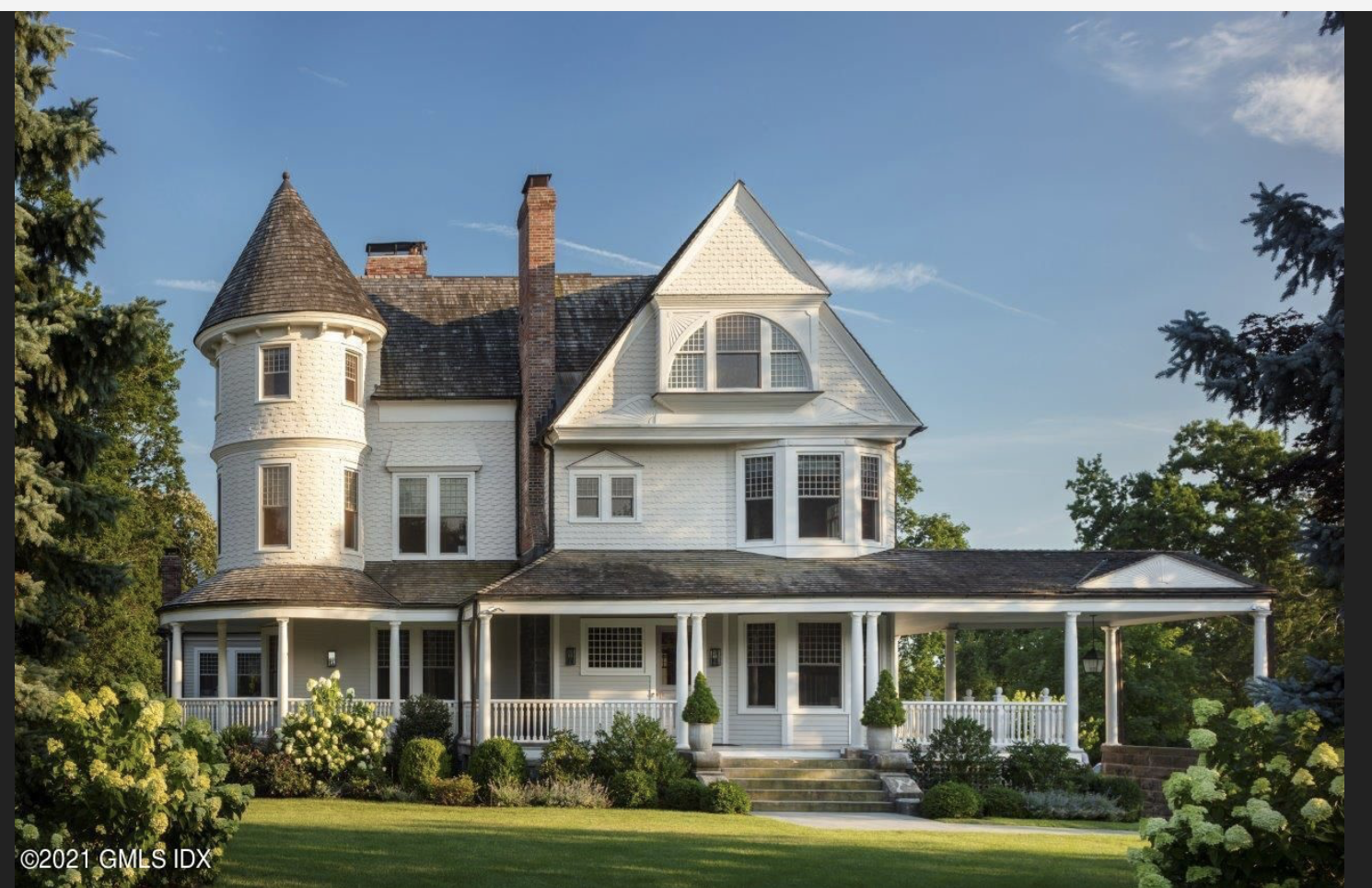
78 Mayo Avenue, $15.9 million, 71 days. Originally built in 1878, the listing claims, and since the agent is John McAtee I’m sure it’s true, that it’s coming off a 3-year, complete rebuilding/renovation project.. John’s the listing agent; Bill Andruss the selling. Both these men love older homes and their enthusiasm for them always shows, so it’s not surprising they came together on this one.

with supporting cast!
Gideon and Jonathan Wicox broadcast a real estate show on WGCH Wednesdays, 10:08 - 11:00. Jonathan’s got weekly statistics, Gideon’s got some whacko-political rants.

Some parents sent their kids’ face masks off to a lab, and you won’t believe what happened next!
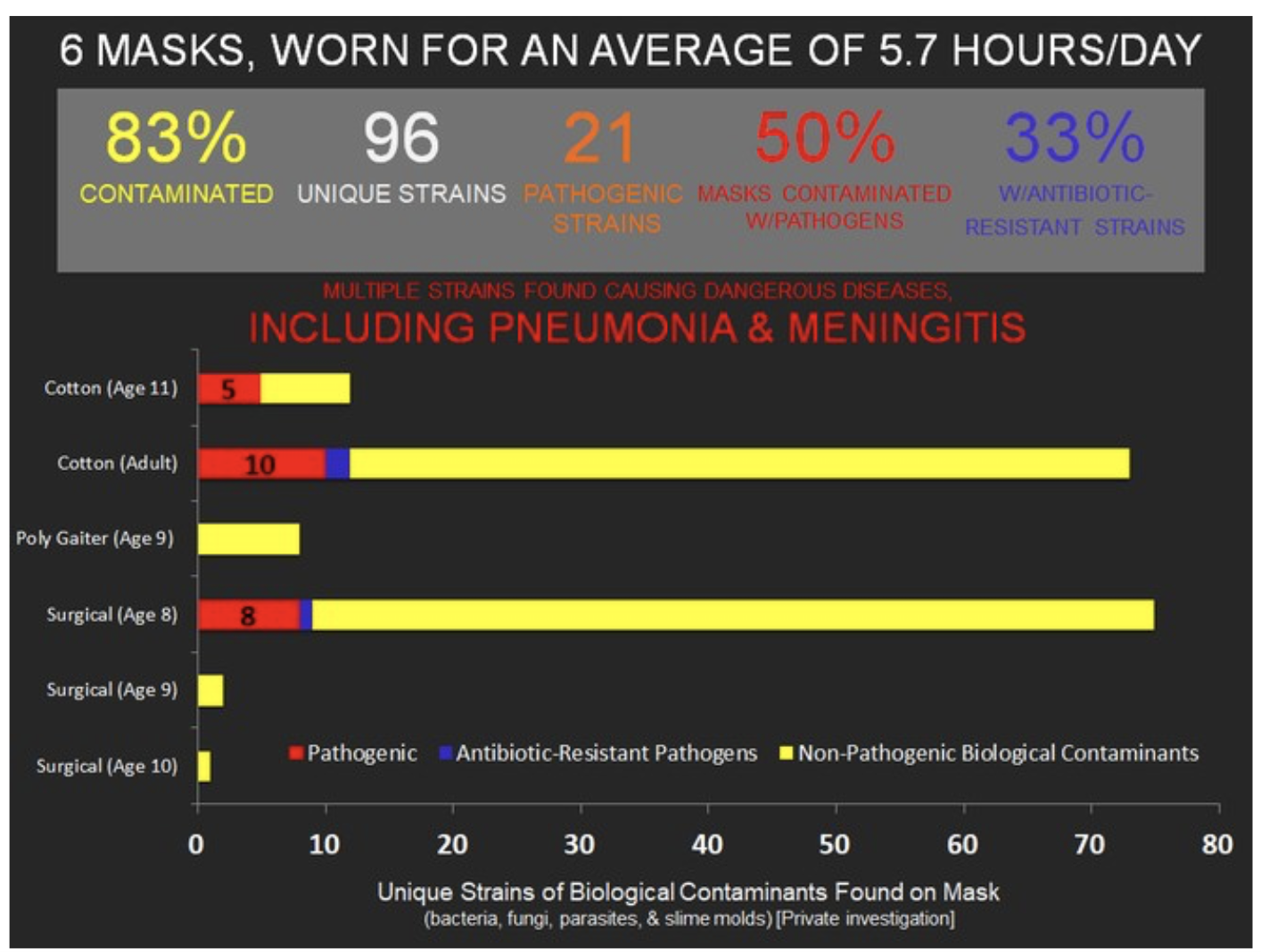
Gainesville, FL (June 16, 2021) – A group of parents in Gainesville, FL, concerned about potential harms from masks, submitted six face masks to a lab for analysis. The resulting report found that five masks were contaminated with bacteria, parasites, and fungi, including three with dangerous pathogenic and pneumonia-causing bacteria. No viruses were detected on the masks, although the test is capable of detecting viruses.
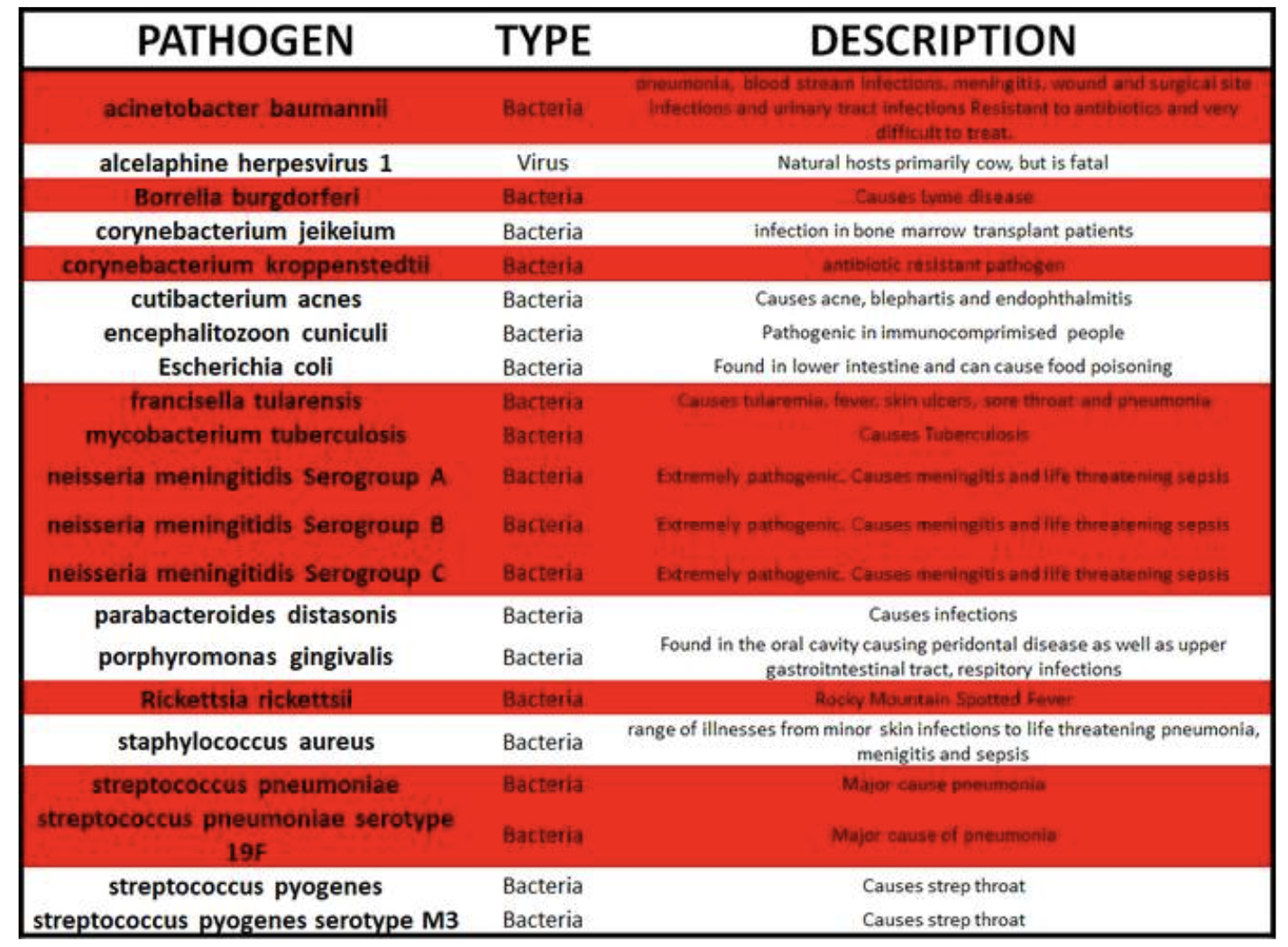
The analysis detected the following 11 alarmingly dangerous pathogens on the masks:
• Streptococcus pneumoniae (pneumonia)
• Mycobacterium tuberculosis (tuberculosis)
• Neisseria meningitidis (meningitis, sepsis)
• Acanthamoeba polyphaga (keratitis and granulomatous amebic encephalitis)
• Acinetobacter baumanni (pneumonia, blood stream infections, meningitis, UTIs— resistant to antibiotics)
• Escherichia coli (food poisoning)
• Borrelia burgdorferi (causes Lyme disease)
• Corynebacterium diphtheriae (diphtheria)
• Legionella pneumophila (Legionnaires' disease)
• Staphylococcus pyogenes serotype M3 (severe infections—high morbidity rates)
• Staphylococcus aureus (meningitis, sepsis)
Half of the masks were contaminated with one or more strains of pneumonia-causing bacteria. One-third were contaminated with one or more strains of meningitis-causing bacteria. One-third were contaminated with dangerous, antibiotic-resistant bacterial pathogens. In addition, less dangerous pathogens were identified, including pathogens that can cause fever, ulcers, acne, yeast infections, strep throat, periodontal disease, Rocky Mountain Spotted Fever, and more.
The face masks studied were new or freshly-laundered before wearing and had been worn for 5 to 8 hours, most during in-person schooling by children aged 6 through 11. One was worn by an adult. A t-shirt worn by one of the children at school and unworn masks were tested as controls. No pathogens were found on the controls. Proteins found on the t-shirt, for example, are not pathogenic to humans and are commonly found in hair, skin, and soil.
A parent who participated in the study, Ms. Amanda Donoho, commented that this small sample points to a need for more research: “We need to know what we are putting on the faces of our children each day. Masks provide a warm, moist environment for bacteria to grow.”
These local parents contracted with the lab because they were concerned about the potential of contaminants on masks that their children were forced to wear all day at school, taking them on and off, setting them on various surfaces, wearing them in the bathroom, etc. This prompted them to send the masks to the University of Florida’s Mass Spectrometry Research and Education Center for analysis.

he may not make it til the end of the month
Reader DJ posted this in the comments section earlier, but I just saw it. My goodness.
"And uh, I've said before and I apologize for the - Oh, I didn't Jake Sullivan from the State Department [inaudible]. I'm leaving out a lot of people here I apologize. I'm going to get in trouble. But, anyway, we'll get back to that. But um we um you know..." - President Biden. pic.twitter.com/7buuCpNzm7
— House Republicans (@HouseGOP) June 15, 2021
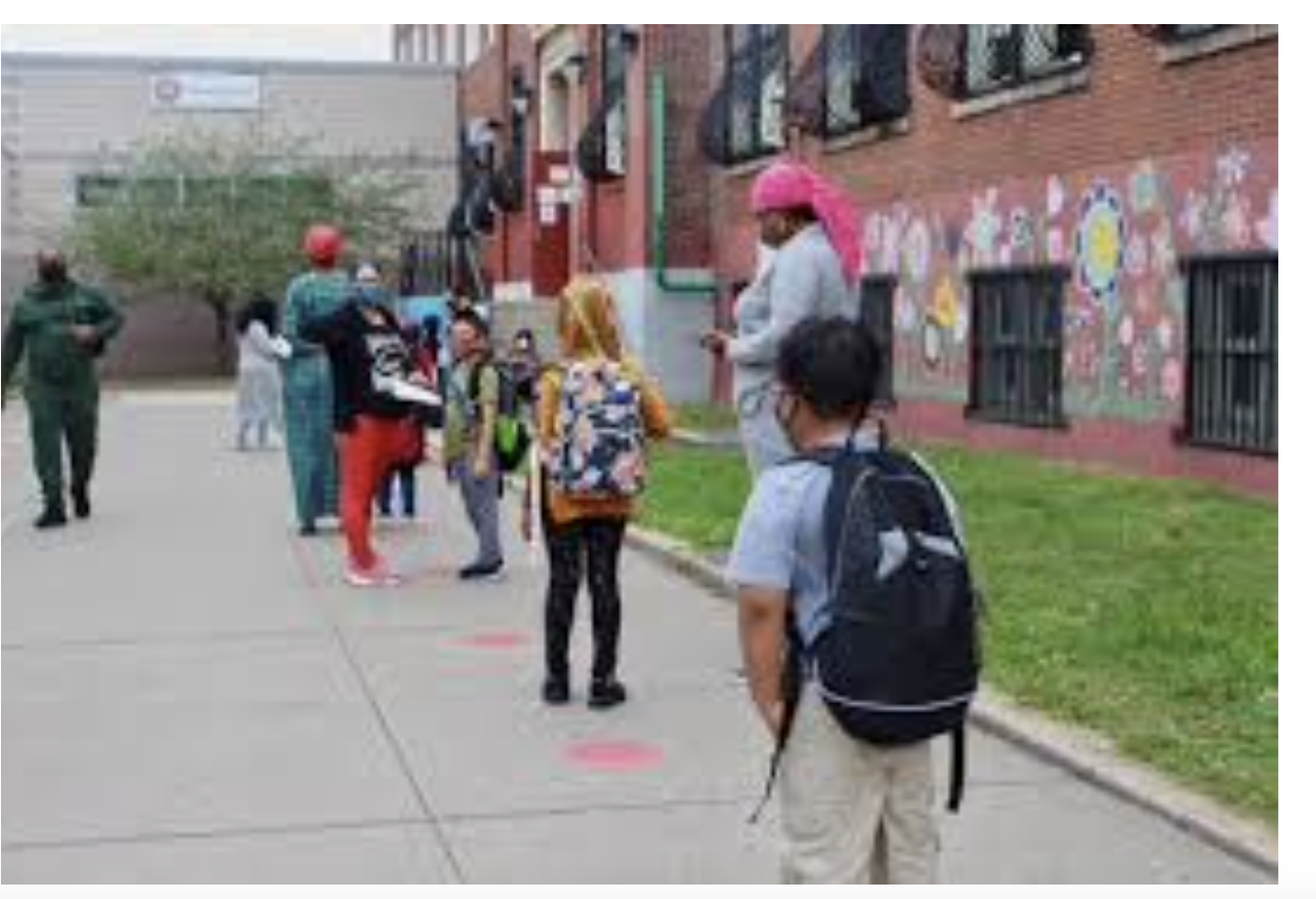
For decades, conservatives have argued that “true compassion” for black children living in poverty meant, in part, providing them with a decent education that would enable them to succeed. For just as long, liberals and teachers unions derided them as heartless racists. Now, probably because the national lockdown and the teachers unions’ stubborn refusal to open the schools has opened their eyes, black parents are seeing what’s been going on.
Parents rip into DOE, say NYC has failed black students
A growing legion of black parents in Queens say the Department of Education has failed their kids through mismanagement and neglect — fueling an exodus out of the public school system.
Fed-up families in District 29 — a primarily black area which includes Hollis, Rosedale, and Cambria Heights — said the DOE has long tolerated abysmal math and English proficiency rates, despite high per-student spending.
“There are a lot of black middle-class homeowners here,” said local activist Michael Duncan of the newly formed Students Improvement Association. “These are successful people, successful families. The results in our schools are not reflective of the community. Something is wrong here.”
Duncan said many families — including his own — have been forced to pay out of pocket for private schools in recent years due to DOE dysfunction.
Duncan and the grassroots SIA have begun collecting and analyzing district statistics and promoting awareness among local parents.
“I think a lot of parents knew that it was bad,” he said. “But they didn’t know it was this bad.”
Despite spending roughly $27,000 per student, PS 134 in Hollis saw only 6 percent of 5th graders pass their 2019 state math proficiency test and 17 percent hit that minimal mark in English.
The DOE spent nearly the same amount at PS 156 in Laurelton – but only 21 percent of 5th graders were proficient in math and English that year
The agency expended $25,000 per student at PS 118, where only 22 percent of 5th graders were proficient in English and 12 percent in math.
Overall, just 37 percent of black District 29 students in grades 3 -8 passed their 2019 English state exams while 28 percent were proficient in math.
Duncan asserted that the DOE and some public officials cast troubled schools as “under-resourced” to provide cover for mismanagement and mediocrity.
“It’s just simply not true,” he said, “Look at what is being spent. Where is this money going? Successful Catholic schools don’t spend anywhere near that. Small private schools in this district charge far less in tuition and are doing much better. There are public schools next door in District 28 that spend much less per student and are doing well.”
SIA member and District 29 community activist Raymond Dugue echoed Duncan.
“The DOE’s first priority is employment,” he contended. “To keep the employment cycle going. In our district, a black district, whether teaching is done or not is secondary. The poor results we see for black children are not a function of funding. It’s not caring and not teaching.”
Too bad for these parents and their children that the Biden administration and Democrat mayors and governors, in collaboration with the NEA, are fiercely opposed to charter schools and any other alternatives that could compete with teachers unions.. And it’s too bad that, in order to hide their failure, those same groups are eliminating testing that would show exactly how badly the schools are failing their charges. But this may be the start of a great awakening.

of course, the teachers have lots of other issues to worry about

434 Riversville Road’s listing was canceled today and immediately relisted by the same brokerage, same agent, and same price: $8.9 million. I don’t know what that’s all about, but this is the same seller who back in 2019 listed it at $5.2 million, and deliberately posted just two pictures: a bad shot of its unimpressive exterior front, and an aerial shot from 2017 (but dated 2019) implying that it was still under construction. That was done to kill buyer interest, and lower its tax assessment by convincing the assessor that there was no market for the house, and it worked: taxes were dropped from $63,492 in 2019 to $48,678 in 2020. Whether I’d want to do business with a spec builder who was so cheap that he’d cheat the town out of $15,000 is open to question, but that’s a personal opinion.
While the house isn’t to my taste, a client liked it very much, and made an offer, closer to that original $5.2 price, an offer that wasn’t even responded to. My guy bought in Westchester, where houses like this are common, and the builder still owns this one.
So it goes.
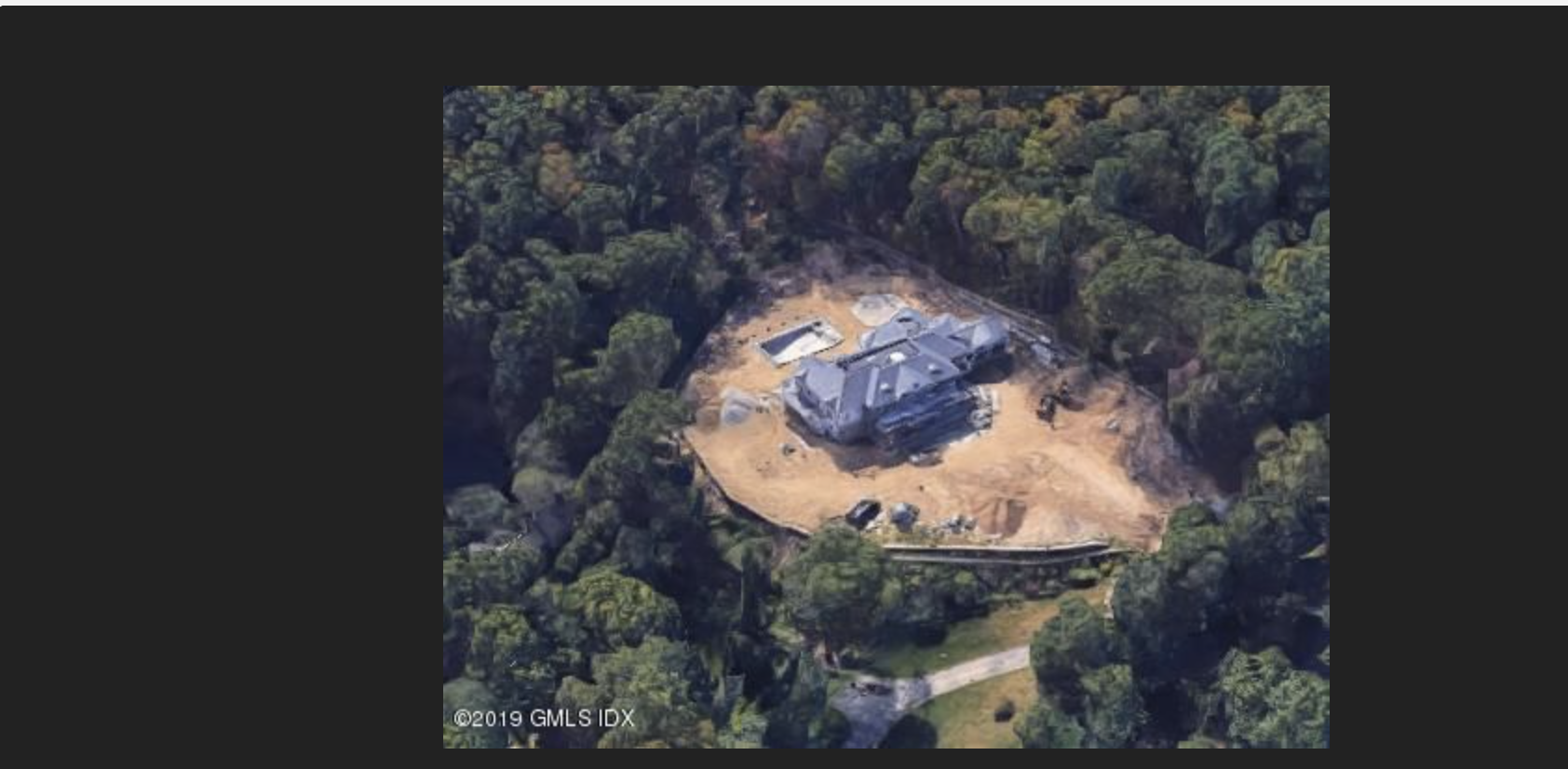
From the 2019 listing
Be notified of new posts! Sign-up here:
Want to comment without registering?