King Street development?

king street.jpg

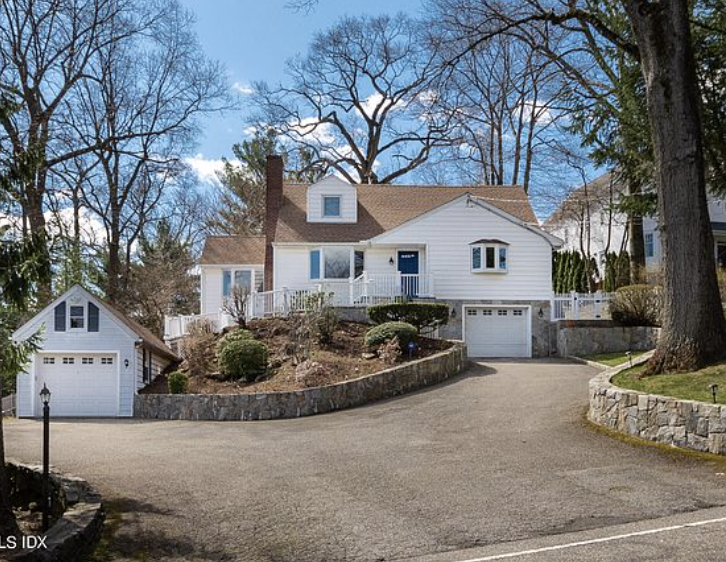
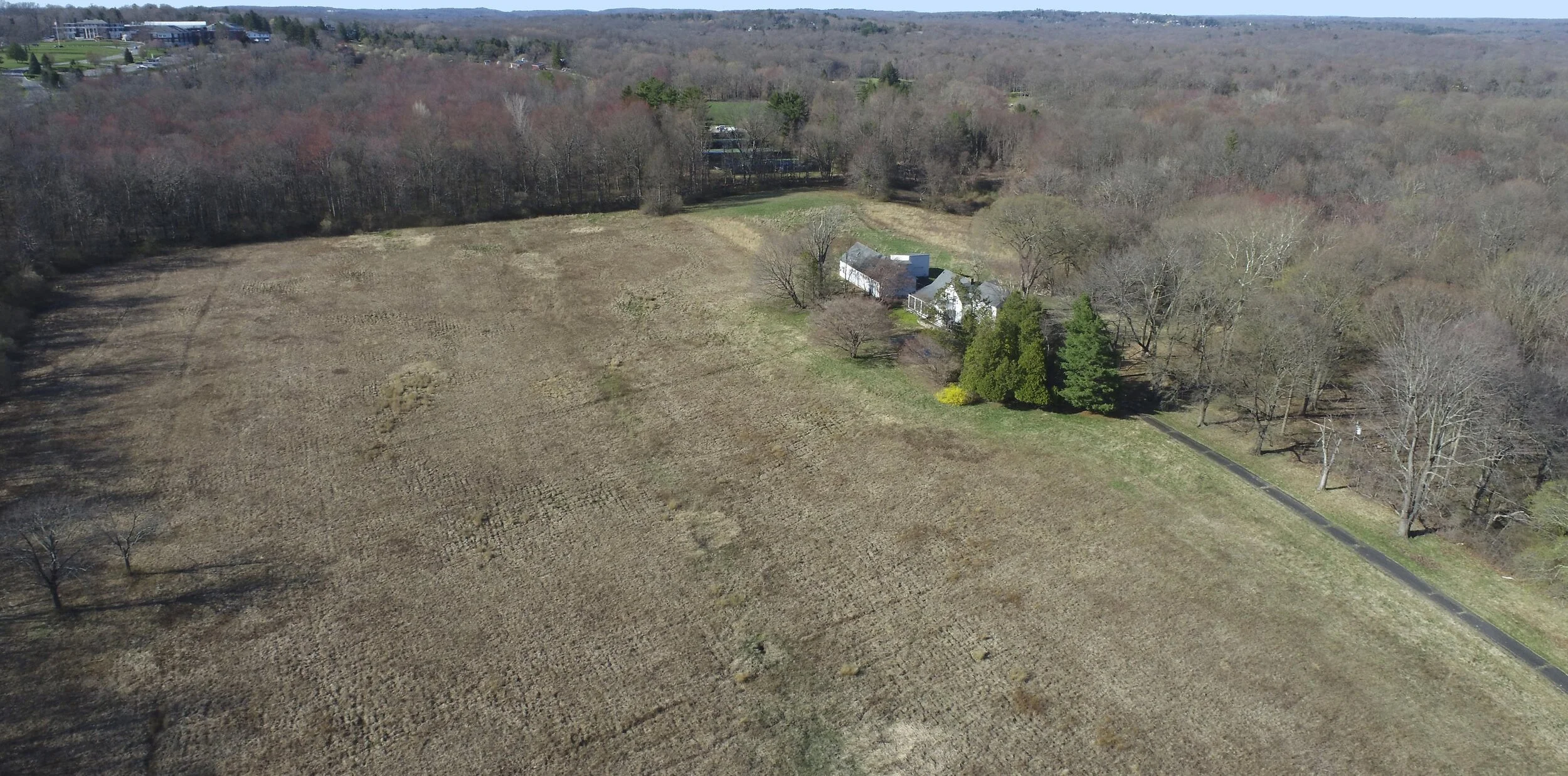
1141 King Street, a 19-acre parcel purchased for $1.575 million in 2017 and put back on the market last September at $4.5 before dropping to its current $3.6, has a contract.

It’s the last of the Gimbel property and could be developed as an R-2C conservation zone, like the rest of the estate was when Chieftans went up, or large horsey place, or, who knows? Our private schools are always gobbling up land.

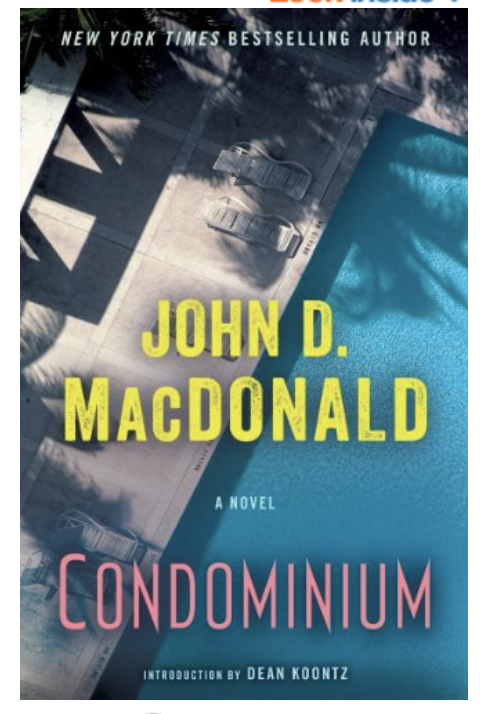
John D. MacDonald predicted this back in 1977

Fraud, shoddy construction, crooked politicians, danger!

Fraud, shoddy construction, crooked politicians, danger!

2021: Two-thirds of Miami condo buildings are older than 30 years. The repair bills are coming due.

I read the book when it came out and about a decade later, when one of my jobs as a young legal associate was to attend condominium board meetings and (try to) keep the blood from spattering too badly, I was many times reminded of MacDonald’’s scary tale. Everything in this article jibes with my own experience. And though the Journal focuses on Miami, I’m confident the same situation prevails across the country. Getting a majority of owners to vote for even routine maintenance is tough — major structural repairs? Hoo boy — bring a raincoat.

In the Miami region, two out of every three condo buildings are more than 30 years old, according to data compiled by real-estate data firm Zillow for The Wall Street Journal. In at least seven other Florida cities, some three-quarters of condo buildings have hit that age.

Many of the aging towers line the beachfront, where salt corrosion and other forces are speeding their decline. That is leaving thousands of buildings saddled with multimillion-dollar repair costs—and little notion of how to pay for them.

It often takes as little as 20 years for many building materials, including stucco, windows and shingles, to reach the end of what engineers and building inspectors call their "useful life"—industry jargon for materials that need replacement or significant repair.

Nationwide, more than half of all condo buildings have stood at least three decades, according to Zillow. Coastal cities have among the largest shares of such aging buildings. In Miami, nearly 40% of the housing stock is condos, the highest of any major metropolitan area in the U.S., according to Zillow.

Building inspectors must approve most condo buildings before the first residents move in, but oversight after that is limited in most U.S. counties.

Typically, local authorities leave decision-making to individual condo boards. Those organizations usually are made up of unpaid volunteers with little or no professional experience as building managers or engineers. They must decide what repairs are needed, and persuade owners, often part-time residents, elderly and on fixed incomes, to drain their savings or take on debt to cover the tab.

James Prichard, a Florida-based construction lawyer at Ball Janik LLP, works with condo boards across the state. He said he has found myriad property damage issues, including defects in construction and problems in financial management.

"You have these complicated buildings that were very expensive to build, very expensive to buy, and they’re handed to the ordinary homeowners who are now in charge of maintaining them forever," he said.

For condo towers with decades of deferred maintenance, the cost to repair leaking roofs, cracking concrete pillars and listing balconies can reach millions of dollars, an amount that few buildings have on hand, construction attorneys and structural engineers said. Shortly before Champlain Towers South collapsed, the board president told residents that costs for needed repairs, including concrete restoration work, had reached more than $15 million.

The article is much too long to do it justice in just a blog excerpt, but I recommend reading it in its entirety. And read “Condominium” — it’s a good read, as well as being discouragingly informative for current or would-be condo owners.

This Bastille Day, the Ladies of Greenwich Invisible and their allies should perhaps reflect on the history of the Girondins

“Well, at least we’ll always have Belle Haven, right?”

“Well, at least we’ll always have Belle Haven, right?”

The Girondins were executed and supplanted by the still more radical Montagnards, who were in turn executed and supplanted by another bloodthirsty mob, which was then replaced by a dictator. From start to finish, about a decade.

Interactive timeline here.

Maduro may soon be out of work down in Caracas; maybe he can head up a new control authority here

Central planning has worked superbly everywhere it’s been imposed, including the US, so why not bring it back?

Powerline: Everything Old is New Again

As everyone knows, socialism is back big (except in nations that have had it already, like Cuba, Venezuela, California, Seattle, etc). So it is not surprising to see headlines like this:

For sustainable finance to work, we will need central planning

The holy grail of sustainable finance is figuring out how to distinguish sustainable from unsustainable investments. Get this right, and the public and private sectors have a guide to their decision-making. Get it wrong, and everything downstream becomes haphazard. . .

What’s required instead is investment-level classification: how can investments with good system-level impacts be separated from those with bad ones? . . .

Instead of waiting for the market to speak, a planning body — whose composition and accountability require careful consideration — should formulate plans for each of the five systems, which should then be translated into project-level criteria for sustainable investments.

Great: enlightened central planners, assembled only after “careful consideration” (and a swampland purchase in Florida).

So where does this appear? The Nation or The New RepublicJacobin magazine perhaps, or The American Prospect? The answer is . . . (checks notes) . . . the Financial Times.  Once upon a time you could count on the FT to be economically literate.

Screen Shot 2021-07-14 at 5.54.37 AM.png

It seems like his presidency is on a similar, though accelerated timeline.

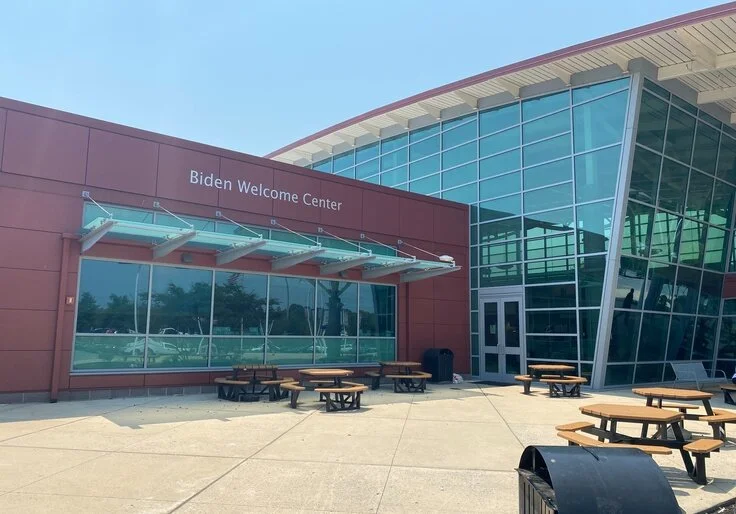
Opened in 2018, Biden’s namesake rest stop in Delaware is already “a complete shithole”. I believe Trump used the same term to describe Joe’s favorite countries.

Washington Free Beacon:

NEWARK, Del.—At the September 2018 naming ceremony for the Biden Welcome Center off the highway in Delaware, the now-president said having his name on the rest stop was "one of the most meaningful" things to happen in his life. Once billed as a "rest stop of the future" by the enthusiasts at Roadside America for its "environmentally sensitive and sustainable design," the stop has devolved into a dysfunctional dump, according to a Washington Free Beacon investigation.

The restrooms, equipped with an overflowing used-needle deposit box, were abnormally crowded during a mid-week July trip to the Biden Welcome Center. This was likely due to the fact that only half of the bathrooms were open, and a majority of stalls in open bathrooms were either out of service or too filthy for public use. One gentleman who entered the men's room kicked open a bathroom stall door, let out a muffled yell at whatever sat inside the toilet, and left the facility altogether.

More at the link — bring hand sanitizer.

Zaccheus Mead

zaccheus .jpg

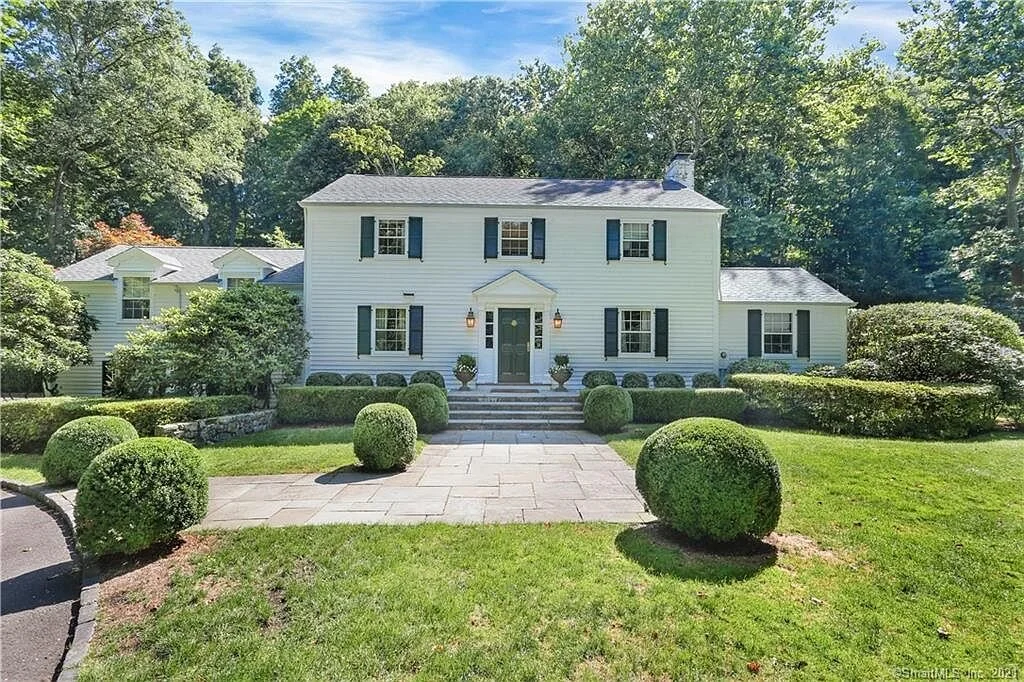
43 Zaccheus Mead Road was listed in May at $2.695 million and has sold for $2.675. It was listed $3.375 — dumb — in 2018, and was priced at $2.495 when it expired, unsold, in 2019.

Judging from this sale and others of similar mediocrity, it seems that the mid-country has finally climbed back to bubble-era prices of 2004-2007. This one sold for $2.7 in ‘07 (after starting in 2005 at $3.975 (! Even that era’s values weren’t completely insane, although they were definitely on the edge).