Cry me a river

Somehow I’ve ended up on the mailing list of the History Channel, and interesting articles keep popping up in my in-box — this one mentions “the Chicago Onion Scam of 1955”. Wall Street frauds comprised my favorite area of legal practice — in fact, it was the only part of my law career I enjoyed — but I’d never heard of this one. I don’t want to give any ideas to my financial industry readers, but if you’ve decided to give widows and pensioners a break from your defrauding schemes this Christmas season, and find yourself with idle hands, looking around for a new venture to supplement your bio-tech and crypto-currency trading, well, apparently there was nothing per se illegal about this scheme: Sam Siegal seems to have just faded into obscurity, no harm, no foul, and his partner Vince Kosuga retired back to his NY onion farm untouched, taking his millions with him, and dying in 20001 still a rich man.*

It’s true that then-Congressman Gerald Ford got a law enacted banning onion trading (wtf?), but there are plenty of other fertile fields to plow: rutabagas, for instance, or next year’s parsley crop, or how about persimmons? Go for it, big guy.

AI Overview

The "onion stock market scam" of 1955 was a successful market manipulation scheme by two traders,

Vincent Kosuga and Sam Siegel, who cornered the US onion futures market and then intentionally crashed the price to make millions. The resulting outcry from bankrupt farmers led to the 1958 Onion Futures Act, which banned the trading of onion futures in the US. 

The Scheme

In 1955, onion futures were one of the most traded commodities on the Chicago Mercantile Exchange (CME). Kosuga, an onion farmer, and Siegel, a futures trader, orchestrated a two-part plan: 

  1. Cornering the market (late 1955): The pair bought up massive amounts of physical onions (around 30 million pounds, or 98% of the available supply in Chicago) and simultaneously purchased a large number of long futures contracts. This gave them control over the supply, driving up the price per 50-pound bag to a peak of $2.75.

  2. Flooding the market (early 1956): After accumulating significant short positions (betting prices would fall), they flooded the Chicago market with their massive hoard of onions. They even engaged in deceptive practices, such as shipping onions out of Chicago to be cleaned and repackaged, then shipping them back as "new" supply to give the illusion of an endless surplus.

The Aftermath

The sudden, artificial oversupply caused prices to plummet dramatically. A 50-pound bag of onions, once selling for over $2.75, dropped to a mere 10 cents by March 1956—less than the cost of the mesh bag it came in. 

  • Bankruptcies: The crash devastated onion farmers and other traders who had bought futures at the inflated prices, forcing many into bankruptcy.

  • Profits: Kosuga and Siegel made millions in profit from their short positions as the price collapsed.

  • Legislation: Public outrage prompted congressional hearings. Then-Michigan Congressman Gerald Ford sponsored the Onion Futures Act, which President Dwight D. Eisenhower signed into law in August 1958. 

To this day, onions are the only agricultural commodity for which futures trading is banned in the United States, a direct result of this market manipulation. 

*Here’s what I found on Vince:

But, you may ask, whatever happened to the Onion King? Vince Kosuga stayed in New York and continued running his onion farm as a simple local farm. He opened a restaurant called “The Jolly Onion Inn’ where he was the full time chef. He became well known for philanthropy, giving large amounts of money to the church, but cynics might say this was because he had acquired the nickname of “the most evil businessman in history.” Because of his philanthropy, he was named citizen of the year by the Pine Island Chamber of Commerce in 1987. After his death in 2001, his wife Polly continued his philanthropy using the fortune he had amassed by becoming the Onion King.
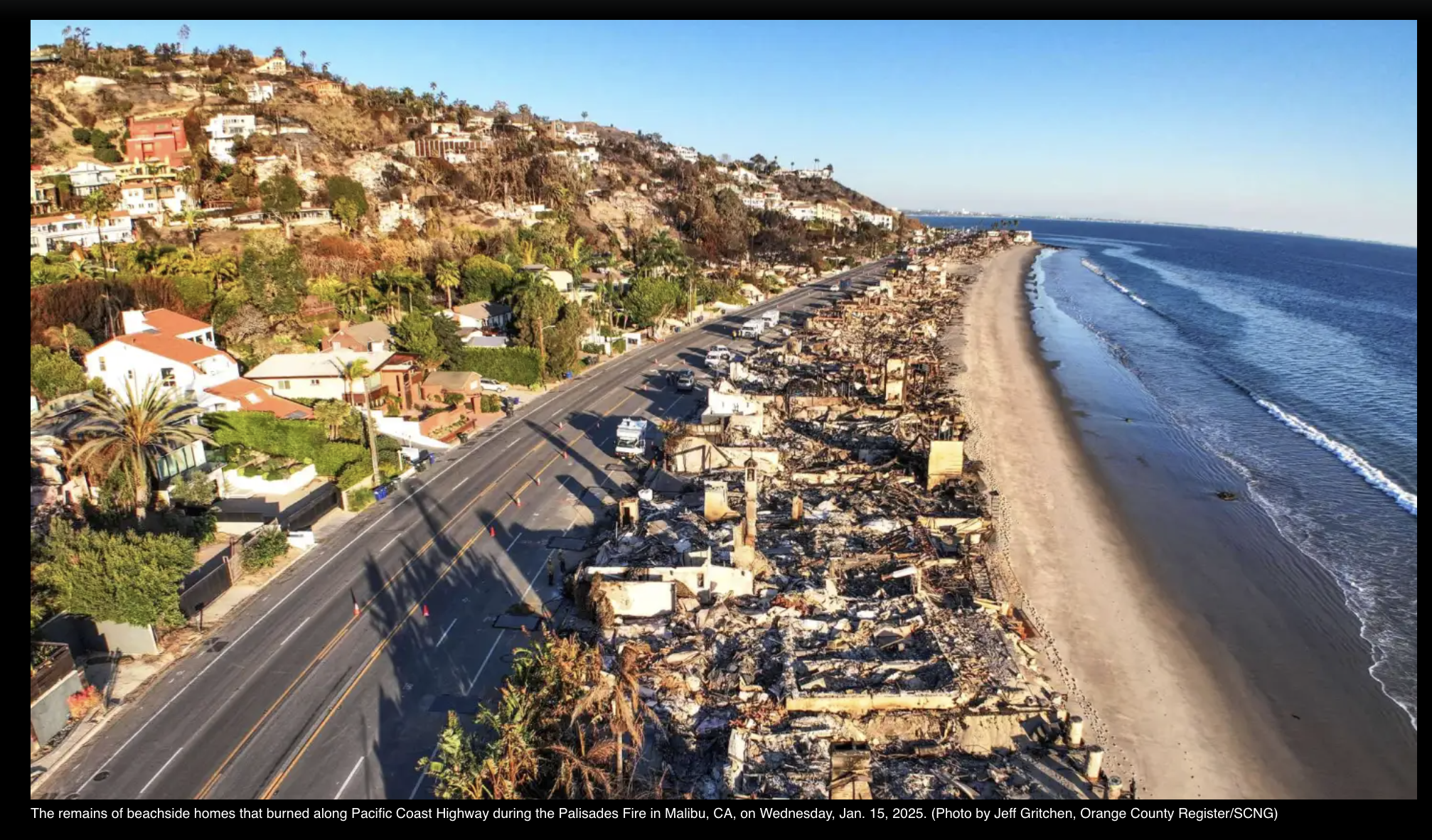

Newsom's Fire — and that of the majority of Californians who vote these people into offie and keep them there

Smoking gun: Gavin Newsom’s ‘Plant Police’ set the stage for deadly Palisades fire

Eleven months after the Palisades Fire destroyed thousands of Los Angeles homes, we may finally have the smoking gun linking Gov. Gavin Newsom’s administration to the deadly blaze.

A newly discovered “Wildfire Management Plan,” quietly issued by California State Parks just weeks before the Jan. 7 wildfire, states Newsom’s policy bluntly: “Unless specified otherwise, State Parks prefers to let Topanga State Park burn in a wildfire event” — disregarding the park’s proximity to residential neighborhoods.

The document, prepared in December 2024, was unearthed this week through legal discovery in a civil lawsuit against the state.

Attorney Alexander “Trey” Robinson, who represents thousands of Pacific Palisades residents, says the manual outlines new procedures for fire management.

Those procedures could have barred local firefighters from fully extinguishing an earlier blaze that later re-ignited in high winds. 

Federal investigators say the Palisades Fire was rekindled from the much smaller Lachman Fire on Jan. 1, which was started by alleged arsonist Jonathan Rinderknecht, 29, of Florida.

The Lachman Fire began “on land owned by the local Mountains Recreation and Conservation Authority . . . and spread onto land owned by California State Parks (Topanga State Park),” according to a federal indictment against Rinderknecht.

Local firefighters put out that fire in the wee hours of New Year’s Day, and came back on Jan. 2 to make sure it was fully extinguished. 

But according to text messages first unearthed by the Los Angeles Times, they were ordered to leave “even though they complained the ground was still smoldering and rocks remained hot to the touch.”

That was likely a fateful decision.

Investigators from the federal Bureau of Alcohol, Tobacco, Firearms and Explosives later determined that the fire continued within the root structure of plants “approximately 20 feet south” of the original blaze. 

In the extreme winds of Jan. 7 — a seasonal Santa Ana wind, made stronger by a jet stream at high altitude — the conflagration reignited and spread from the chaparral of the park to nearby homes.

Locals have wondered for months why the firefighters left on Jan. 2, given the high risk that the fire could start again and spread from the state park to homes in the Pacific Palisades neighborhood of Highlands, just a few hundred yards away.

Some residents — notably reality TV star Spencer Pratt, who lost his home and has been investigating the fire ever since — have claimed that State Parks officials told firefighters they could not use heavy equipment to clear the perimeter of the fire, because doing so would harm engendered plant species.

Newsom has denied any state responsibility for the blaze.

His office has even called residents who are suing the state “opportunistic plaintiffs.”

But one local citizen took a photograph of a California State Parks employee — wearing a jacket with the department’s logo — talking to firefighters working on the Lachman Fire.

And the “Wildfire Management Plan” provides a key piece of evidence linking the disaster to the state’s apparent negligence.

The document defines “Avoidance Areas,” which contain “all sensitive Natural and Cultural Resources,” and where “no heavy equipment, vehicles, and retardant are allowed.”

Shockingly, the document says the public should not be told where these areas are: “Avoidance Areas should be shared with the Incident Command, but measures should be taken to keep the information confidential.”

The document also advises firefighters to use “modified fire suppression” techniques in these areas.

When performing a “mop-up” of an extinguished fire, firefighters are told to “consider allowing large logs to burn out.” 

It adds: “No mop-up techniques are allowed in avoidance areas without the presence of an archaeologist.”

Robinson, who obtained the Wildfire Management Plan on Tuesday thanks to a judge’s order, alleges that the Wildfire Management Plan prevented the Los Angeles Fire Department from fully extinguishing the Lachman Fire.

“We believe this is the reason LAFD was restricted from performing a normal mop-up of the Lachman Fire,” he told The Post. “I suspect State Park ‘Resource Advisors’ shared the avoidance map with the Lachman [Incident Command] and LAFD was forced not to mop up” in those designated areas.

“My personal opinion is that we will learn this is why the fire rekindled,” he added.

“The Plant Police prevented LAFD from doing their job.”

That — and the lack of an archeologist.

Related:

I remember reading stories last year, post-fire, about the curtailment of a land clearing project in Topanga Canyon due to the preence of the beloved — to some — Braunton’s milkvetch, but, rather than spend too much time digging around for individual citations, I used Google’s AI search tool. Carefully worded, a question directed to the tool will, usually, produce a useful summary. Here’s one:

AI Overview

Yes, California projects to clear underbrush in Topanga have been blocked due to concerns over protected plant species, notably the Braunton's milkvetch, which led to a halt in a 2019 wildfire prevention project by the Los Angeles Department of Water and Power. This conflict highlights the tension between wildfire safety and ecological protection, a debate that has intensified following recent fires in the region. 

The incident in Topanga Canyon

  • The project: The Los Angeles Department of Water and Power (LADWP) began a project in Topanga State Park to replace old power poles, widen fire-access lanes, and install fire-resistant lines due to high fire risk.

  • The controversy: The project was halted after an amateur botanist reported damage to the Braunton's milkvetch, a rare and endangered shrub.

  • The consequence: The work was stopped, investigations were launched, and the incident sparked debate over how to balance wildfire prevention with protecting fragile ecosystems.

Here’s one of the sources cited in the AI search results — similar incidents have been occurring in California or decades, pitting “environmentalists” against the brutal frqpists armed with chainsaws, and the environmentalists have won almost every time. The result, possibly intended, possibly not, has been that as the annual drought season is followed by the California’s fire season, wildfires sweep the state, homes, towns and forests burn up, and blame is deflected from the land management policies that are the actual cause and placed instead on utilities, with extra credit awarded more recently to Global Warming and an angry Mother Gaia.

L.A. Workers Bulldozed Endangered Plants in Topanga to Ease Fire Danger, Prompting Outrage

Crews for the Los Angeles Department of Water and Power recently bulldozed hundreds of federally endangered plants in Topanga State Park, and both state and city authorities have launched investigations into DWP’s actions, part of a wildfire prevention project aimed at replacing wooden power poles with steel ones.

“In response to recent community concerns about protected plants in the construction area, the LADWP has halted construction and is working with biologists and other experts to conduct an investigation and assessment of the site,” Stephanie Spicer, a spokeswoman for the city water and power agency, said late Wednesday in response to inquiries from The [LA] Times.

In a separate incident this year, the Los Angeles County Department of Public Works apparently encased federally threatened red-legged frogs in cement while making emergency repairs to a culvert in a portion of nearby Leo Carrillo State Park, which is vulnerable to heavy debris flows because of last year’s Woolsey fire.

Both events, not previously publicized by the agencies involved, have recharged debate over balancing wildfire safety and protecting fragile ecological resources following big blazes, including last year’s deadly Camp and Woolsey fires — and the Tubbs fire the year before that.

Man Bites Dog

CNN's Top Legal Analyst Explains Why the Georgia Case Got Tossed. Libs Won't Like It.

Matt Vespa, TownHall:

CNN’s Elie Honig, a former assistant US attorney and the network’s top legal analyst, has been fair in his analysis of the case. He’s not a MAGA guy, but he also knows procedure and how the Justice Department operates. He’s been quite clear that this case, and most of the legal actions against the president, were a bit shoddy.  

(Honig): “This motion is not a partisan screed. You would not read this and say this guy loves Trump; this guy hates Trump. It's a careful dissection of evidence, not through the lens of whether Trump's conduct was bad, but whether there was a supportable criminal case. This prosecutor leans towards no.

Vespa:

In the filing to dismiss, Honig noted that the prosecutor’s office added that the venue and charges were inappropriate at the state level, and it was more of a pile-on since Trump was facing similar charges at the federal level in DC. Those, too, were also scrapped. You can’t have a local county DA indicting and putting a sitting president on trial. It’s not going to happen. What about after Trump leaves office? Still a no-go due to statute of limitations.

It’s over, libs.  

But I thought these boats were carrying fishermen and their familes?

Off to pick up Juanita and pablo from daycare

Drug Hotspot On Venezuela’s Coast Reeling From Trump’s Strikes

November 28, 2025

A coastal Venezuelan city long dependent on smuggling of drugs and other contraband is facing economic collapse and government surveillance following U.S. strikes on suspected drug-trafficking boats.

Residents in Güiria, a port city with a population of around 40,000, say U.S bombings have cut off illicit boat traffic that supported much of its local economy, including drug shipments and trade of contraband, food, and consumer goods with nearby states, Reuters reported Friday. With vessels no longer leaving the coast, Güiria’s shop owners report almost no cash moving through the city.

“There was only movement in stores recently because of government bonus payments; otherwise, there’s no money circulating,” said one local merchant, according to Reuters.

“No boats of any kind are leaving … not migrants, not people buying goods there to sell here, and certainly not those taking Venezuelan products to sell there, which was another way to make money. Everything is practically dead,” the merchant added.

AND:

Trump says boat crews are narco-terrorists. The truth is more nuanced, AP finds

November 8, 202512:46 PM ET

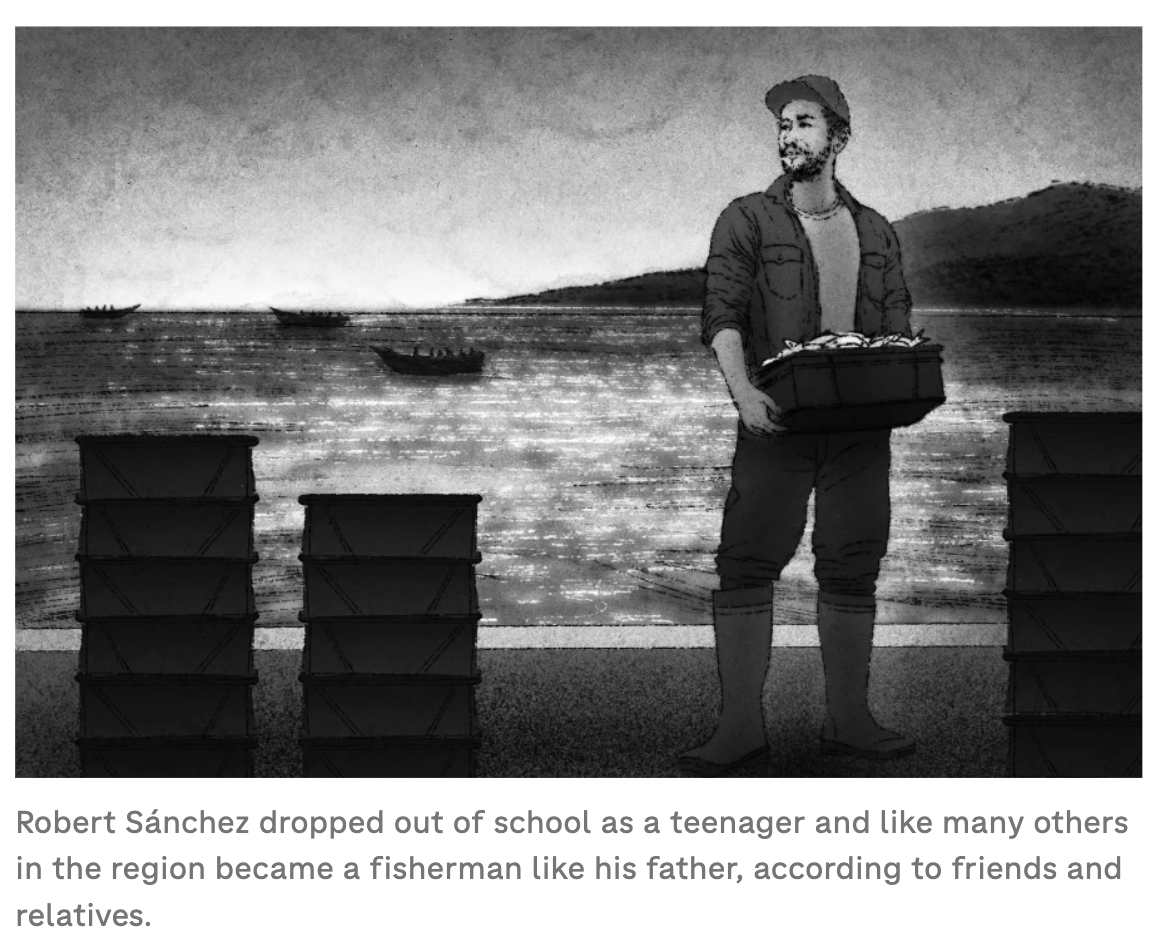
GÜIRIA, Venezuela — One was a fisherman struggling to eke out a living on $100 a month. Another was a career criminal. A third was a former military cadet. And a fourth was a down-on-his-luck bus driver.

The men had little in common beyond their Venezuelan seaside hometowns and the fact all four were among the more than 60 people killed since early September when the U.S. military began attacking boats that the Trump administration alleges were smuggling drugs. President Donald Trump and top U.S. officials have alleged the craft were being operated by narco-terrorists and cartel members bound with deadly drugs for American communities.

Colombian killed in U.S. strike was on a fishing trip, wife ...

CBS News

Oct 22, 2025 — "The Colombian boat was adrift with a distress signal, its engine raised," Petro wrote Saturday on X. "He had no ties to drug trafficking. His ...

Blaming Biden detracts attention from the real cause: "Green Energy"

Hilarious: Anti-Trump Energy Attack Backfires and Burns Biden Instead

Democrats are trying to talk about "affordability" now, as though it's a new word. 

They're trying to attack President Donald Trump over prices. 

But where were they in the whole context of the economy and costs when Joe Biden was occupying the office, and prices were skyrocketing? They were largely missing in action or trying to deny the effect of the problematic policies. 

Sen. Amy Klobuchar (D-MN) gave a golden example of this problem when she hypocritically tried to attack Trump over energy prices. 

This, by the way, is why the Left went batshit crazy when Elon Musk took over Twitter and added a “community notes” feature for users to correct false claims:

Readers added context

Joe Biden was President from January 20, 2021 - January 20, 2025. Also, this chart is not representing the cost of electricity. It is showing the average past-due balances of Americans, which soared since 2022 under Joe Biden's presidency. bidenlibrary.gov/bidens/preside… cbsnews.com/news/power-shu…

Context is written by people who use X, and appears when rated helpful by others. Find out more.

For at least the past two decades, the Global Warmists have worked to shut down refiners, pipelines, power plants, and hydro-dams, while doubling the demand for electricity by requiring all-electric houses and commercial buildings (and and cars) and piled on regulations that curtailed the generation of new electricity from fossil fuels and reservoirs, all while hysterically and falsely touting “free” wind and solar power.

My modest utility bill has increased from $30 a month to $125 and is scheduled to go up an additional $5 per month in each of the next two years (with even larger price hikes forecast in the future). That increase is being repeated throughout the country, and the cost for houses larger than mine (two bedrooms, study, kitchen, no a/c,, approx. 1,200 sq. ft.) is far greater.

Yet “the people” urged on by politicians, the press, and the green energy profiteers, blame the power companies, who are simply passing on those costs to their consumers.

Morons, or merely deluded? Take your pick.

Congress could use a replacement after Box Wine Granny Pelosi retires, so why not?

Dipping his moccasin in the water?

Penobscot Indian Chief is considering throwing his headress into Maine’s 2nd Congressional district race

The Democratic primary field in Maine’s 2nd Congressional District race may once again grow amid the fallout over U.S. Rep. Jared Golden’s surprising move to not seek reelection in 2026.

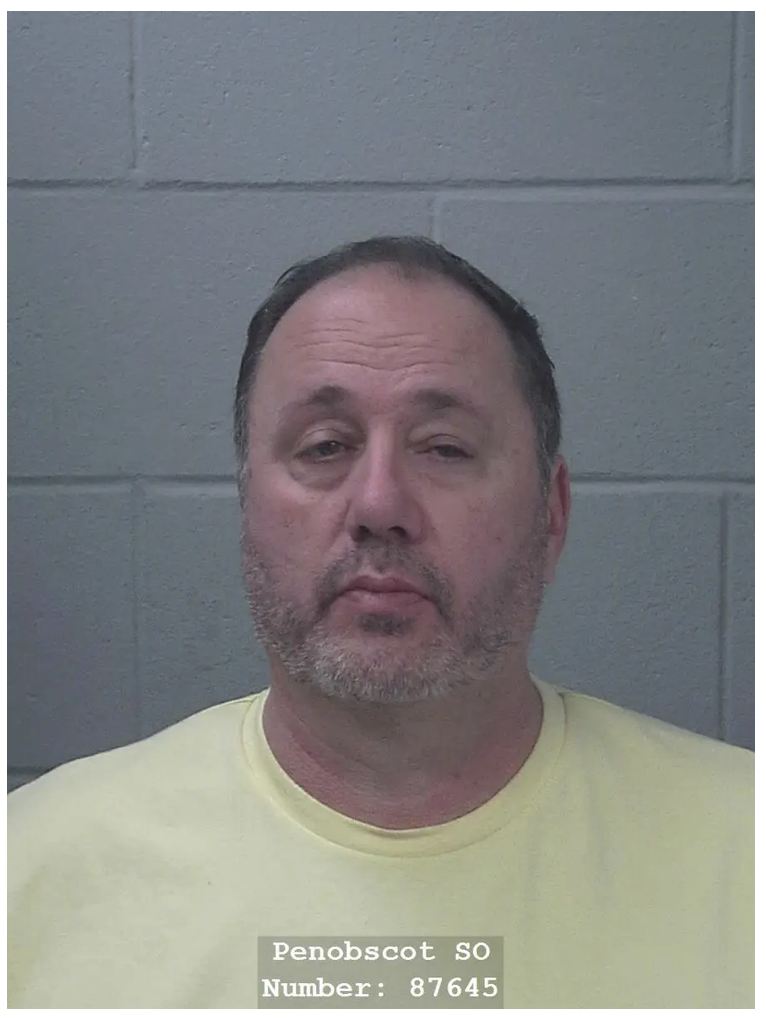
The person who looks closest to making a decision is Penobscot Nation Chief Kirk Francis, whom numerous people had approached about running after Golden announced earlier in November he would not seek a fifth term representing the rural district that he held onto while it otherwise backed President Donald Trump in each election since 2016.

Numerous people reached out to him after Golden’s announcement this month to encourage him to run for the 2nd District seat. Francis is now “close to finalizing his decision with friends, family and supporters,” a source familiar with the chief’s plans said Wednesday.

Playing to type

Francis, 56, who has led the Penobscot Nation since 2006 and has been president of a group that respresnts 33 federally recognized tribes stretching from the Northeast to the Gulf of Mexico [Ed: Gulf of America — see Trump, Donald] was considering in the spring a bid to unseat U.S. Sen. Susan Collins, R-Maine, before his May arrest for allegedly driving drunk in Bangor.

The rest of the story:

May 25, 2025

Penobscot Nation chief accused of drunken driving in Bangor

“0.21 BAC — that heapum firewater, tonto”

Penobscot Nation Chief Kirk Francis Sr. was arrested for driving drunk in Bangor early Wednesday, according to police.

Francis, 56, of Bangor was stopped by a Bangor police officer shortly after midnight Wednesday for a moving violation on Poplar Street, Sgt. Jason McAmbley said. 

A breath test showed Francis had a blood alcohol level of 0.21, which is more than double the legal threshold of 0.08, McAmbley said. The officer had noticed signs Francis may have been under the influence of alcohol and he failed field sobriety tests.

I've never heard of her, but the Twitter crowd has, and they've responded appropriately

(She seems to have done quite well — materially — despite not rising to my attention)

Politics doesn't take a break on Thanksgiving … , but it's usually one of those nice days on social media when political discussion shares a front seat with heartwarming posts from people sharing images of their family, their food, and their holiday traditions.

It really is a nice change of pace ... for normal people, anyway. But not for miserable leftists, of course. 

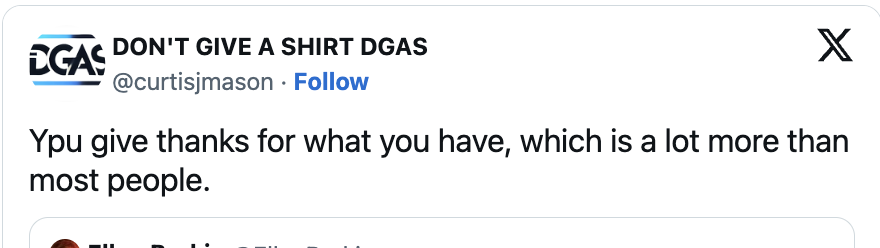
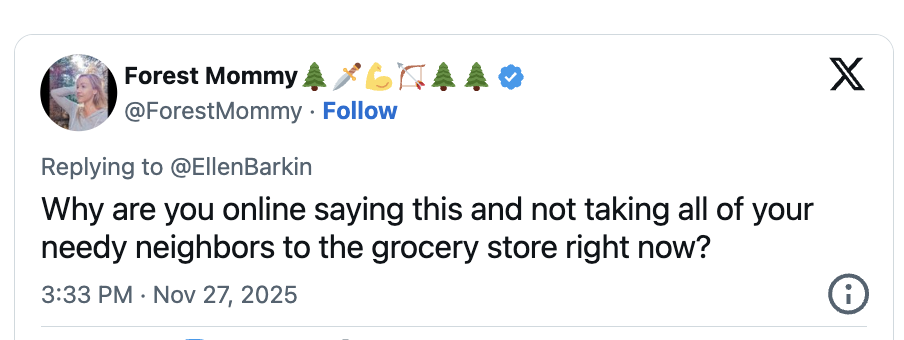
Naturally, on a day when most normal people expressed their gratitude for the blessings they have been given, elite Hollywood AWFL Ellen Barkin couldn't find anything to be thankful for. 

No volunteering for soup kitchens for this star, nor inviting in a bag lady for dinner.'

Out of curiosity, we asked AI to tell us all about Barkin's volunteer work. Not surprisingly, it came up empty. Other than attending black-tie fundraisers. 

You mean those celebrity galas she regularly attends don't count as helping? 

UPDATE: I may have done the poor woman wrong. According to Wikipedia,

In October 2006, "Magnificent Jewels from the Collection of Ellen Barkin" were sold for $20,369,200 at Christie's, New York, following her divorce from billionaire Ronald Perelman.[17]

So it’s possible that she donated the proceeds to Save the Children or somesuch charity, and feels she’s done enough.

Possible.

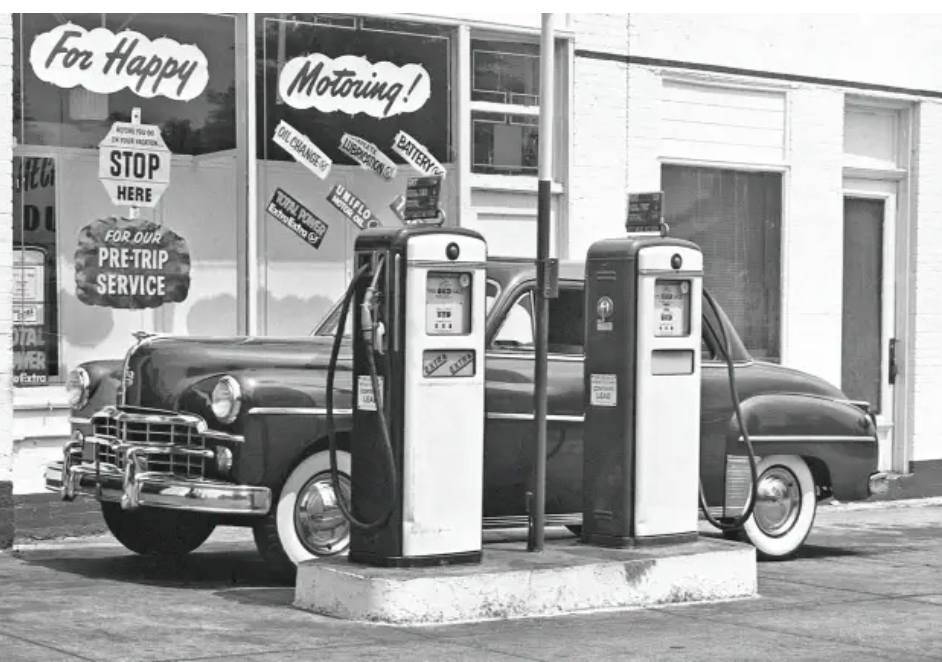
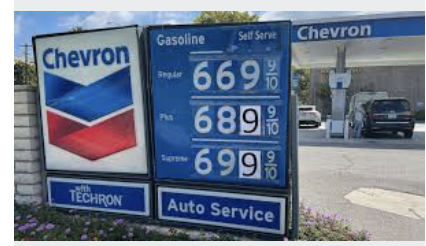
Entertaining article on gasoline prices in the 50s compared to today (spoiler alert: adjusted for inflation, they're about the same except for, no surprise, California)

1950-1952

According to the U.S. Department of Energy, the national average for the cost of gasoline remained steady for the first three years of the 1950s at $0.27 per gallon. That low price might sound practically idyllic, but the average household income at the time was $3,300 per year. Adjusted for inflation, $0.27 in 1950 equates to about $3.52/gallon in today’s dollars. Nowadays, the median household income is $74,580

1953-1955

The Korean War, which began in June 1950, ended with an armistice in July 1953. A recession ensued that was typical of postwar economic cycles, as government spending decreased and military support operations were decommissioned. In the aftermath of the war, the gross domestic product of the U.S. fell by 2.2%. Unemployment, which had been steadily decreasing heading into the 1950s, began to increase. By September 1954, unemployment peaked at 6.1% — a rate not seen since before the conflict. 

Despite the economic downturn, the average family income was higher than during the war, at around $4,200 per year. Gas prices followed suit and increased to an average of $0.29 per gallon between 1953 and 1955, though it was much cheaper in oil-producing areas of the country. For instance, in Omaha, Nebraska, gas was $0.179 per gallon in 1953. That’s about $2.11 in today’s money, while the national average of $0.29 is about $3.40 today.

1956-1959

In June 1956, Congress approved the Federal-Aid Highway Act, which called for the construction of 41,000 miles of interstate highways throughout the country. It was the largest public works project to date, and helped boost an economy that had already started to rebound in 1955. Construction on some spans of highway began almost immediately, with segments opening as early as the following autumn. The new roads provided increased access to suburban areas, which, combined with government programs and other socioeconomic factors, spurred the rise of the suburbs.

Part of the revenue stream for the new highway system was a gas tax increase, which rose from 2 cents per gallon to 3 cents per gallon. In response, the price of gas fluctuated between a 1-cent and 2-cent increase for the rest of the 1950s. In 1956, the national average was $0.30 per gallon, or around $3.47 today; in 1959, it was $0.31, the equivalent of $3.34 today. 

But let’s not forget California, where gas prices have now exceeded the previous title holder in this category, Hawaii, which imports all its fuel from across the Pacific.

Here’s a truncated synopses of why gas prices are so high in California, taken from Valero Oil’s vice president for state government affairs, Scott Folwarkow,  in his response to an inquiry from the California Energy Commission two years ago.

As to separation between California prices and the prices in the rest of the United States, we can offer the following information. For Valero, California is the most expensive operating environment in the country and a very hostile regulatory environment for refining. California policy makers have knowingly adopted policies with the expressed intent of eliminating the refinery sector. California requires refiners to pay very high carbon cap and trade fees and burdened gasoline with cost of the low carbon fuel standards.With the backdrop of these policies, not surprisingly, California has seen refineries completely close or shut down major units. When you shut down refinery operations, you limit the resilience of the supply chain.

Valero, by the way, is closing its last refinery in the state on December 31st. There were 40 california refineries in 1985, 23 in 2000, and there will be under 6 left by the end of 2026.

And wait until we witness the results of the accelerating Jet Fuel crisis

Key Takeaways

1 California’s declining oil production and refinery closures, caused by the state’s energy policies, could create an “aviation fuel crisis” by increasing dependence on imported aviation fuel, thereby threatening national security.

2 Several U.S. military installations, including Travis Air Force Base and Naval Air Weapons Station China Lake, rely almost entirely on California refineries for their jet fuel.

3 According to the Energy Information Administration, California ranks first in jet fuel demand among the states.

4 In 1991, California had more than 40 refineries, but only eight remain as of October 2025.

5 Refiners find that they cannot survive in California with Governor Newsom’s policies against oil companies and their oil and gasoline production.

6 California’s gas taxes, boutique fuel blends, and other requirements add about $1.60 per gallon to the national average price of gasoline.

California’s declining oil production and refinery closures, caused by the state’s energy policies, could create an “aviation fuel crisis.” An increasing dependence on imported aviation fuel could threaten national security. Several U.S. military installations, including Travis Air Force Base and Naval Air Weapons Station China Lake, rely almost entirely on California refineries for their jet fuel.

According to the Energy Information Administration, California ranks first in jet fuel demand among the states. Via AVWeb, California imports approximately one million barrels of oil per day, with about 20% of its jet fuel, gasoline, and diesel coming from India. India has been obtaining about 40% of its oil from Russia, though it is winding down those imports due to additional sanctions on Russia for its invasion of Ukraine and Trump’s 50% tariffs on its goods.

California had more than 40 refineries in 1991, but only eight remain as of October 2025. The lack of refineries and the unique nature of California’s gasoline blend are causes for California’s gasoline prices to be over $1.60 higher than the nation’s average price. According to PennyGem, with the closure of Valero’s refinery in Benicia in the spring of 2026, California will lose 145,000 barrels of gasoline and diesel daily — about 8% of the state’s refining capacity. California’s gasoline prices are expected to increase by 15 cents per gallon, with possible spikes above $7 or $8 per gallon. The loss of 2.2 billion gallons annually affects not only personal vehicles, but also shipping routes, aviation, and emergency services. California Governor Gavin Newsom and the state’s lawmakers are reviewing emergency measures, including infrastructure upgrades and strategic fuel reserves, but admit that such efforts may not avert near-term consequences of the closure stemming from the state’s regulations.

Via PennyGem, California’s unique fuel standards and pipeline limitations mean replacement barrels must come from overseas — primarily Asia and the Middle East — at higher costs and longer transit times. Other U.S. refineries do not make the fuels required by the state, resulting in imports of the refined products in tankers crossing the Pacific. California believes that its onerous regulations and higher resulting petroleum prices would make consumers move more quickly to electric vehicles and solar and wind power. The state’s 27 million licensed drivers, however, still rely heavily on gasoline. While some consumers are switching to electric vehicles, that transition is slower than the closure of the state’s refineries and the availability of domestically produced petroleum products.

Hell, it seems that the Babylon has stopped reporting satire and prophesy and gone to reporting straight news.

Seriously: this story was posted on the Babylon Bee, but is there anything in it that is unbelievable, or suggests that it didn’t first appear in your local paper?

BLOOMINGTON, MN — With Thanksgiving nearly here, local man Chad Erickson was reportedly eager to get back to his true passion as a mall Santa Claus and has already begun preparing for the gig by cutting off his ankle monitor.

"Can't let the kids see this," Erickson said as he took a pair of scissors to the strap around his ankle. "Nothing is going to stop me from making it to my shift as a mall Santa. I made a commitment, parole violation or no parole violation."

According to law enforcement sources, Erickson was placed on house arrest following two counts of driving under the influence of alcohol pending a trial to determine if he should face prison time. But Erickson had sworn that no threat of reincarceration would keep him from spreading goodwill and cheer to little boys and girls.

A Mall of America representative responsible for re-hiring Erickson as the mall's Santa was reportedly aware of his trouble with the law, but maintained that Erickson was a good pick because he's not a violent criminal like all the other applicants.

"Chad has been with us for three years; he's a great mall Santa," said Mall of America spokesperson Ruth Stein. "I just tell him to cover up the tattoos and any ankle bracelets he might have acquired during the off-season. They don't have those at the North Pole."