The Cloward-Piven Strategy is alive and well

Sam Wilks offers a tidy synopsis of what’s going on:

The Hidden Hand: How Bureaucrats and Politicians Use Cloward-Piven to Maintain Power

Throughout history, the ruling elite have sought to consolidate power through an age-old strategy, they create a crisis, expand government control, and ensure dependency. This method has been refined into a systematic approach known as the Cloward-Piven strategy in the 1960s, an intentional overloading of social and economic systems to necessitate state intervention. By creating artificial scarcity, over-regulation, and economic instability, bureaucrats and politicians justify their own necessity, ensuring that the public remains reliant on their policies rather than on free-market solutions.

This is not accidental, nor an unintended consequence.

This is also why 22 states (including, of course, Connecticut) have sued to block the Trump administration’s demand for the identity, including social security numbers, of food stamp recipients. Already, just from a partial examination of data supplied by the handful of states who have complied auditors have uncovered 183,000 dead people receiving benefits and 500,000 collecting at least two payments a month. That’s without being able to look at the books, so far, of the 22 resisting states, including California and Minnesota.

The road to Hell is paved with good intentions

Portland Maine Launches Review of Inclusionary Zoning as Developers Say Rules Are Stalling New Housing Projects

Portland city officials have hired a national consulting firm to review the city’s 10-year-old inclusionary zoning ordinance amid growing criticism from developers who contend the requirements are contributing to stalled housing projects.

The Planning and Urban Development Department selected CZB LLC earlier this month to conduct a comprehensive analysis of the ordinance, which currently requires 25 percent of units in new developments to be designated “workforce housing,” affordable to households earning up to 80 percent of the area median income.

…. Developers have been among the most vocal critics of the strengthened mandate, arguing that the 25 percent requirement, combined with high interest rates and rising construction costs, has made many projects financially unworkable.

Jonathan Culley, managing partner at Redfern Properties, said regulatory costs, including the inclusionary zoning requirement, are among the few expenses city officials can directly control. He noted that several projects, including a development on Washington Avenue, have stalled under current conditions.

“It would cost us $15 million to the city right off the bat,” Culley said of one proposed project, reflecting broader concerns that few new developments are breaking ground under the existing rules.

Supporters of the policy say inclusionary zoning is intended to increase affordable housing supply, while critics say it can deter construction without significantly increasing overall housing production.

I wrote about this disastrous housing policy back in November, and you can get the details there, but it’s the preceding quote that’s my point this morning: “Supporters say inclusionary zoning is intended to increase affordable housing”. In the face of 10 years of failure of that policy to produce more affordable housing — in fact, it’s caused a reduction of supply —its advocates refuse to reconsider and try something else, but insist that it be continued “because our intentions are good”. That’s the same rationale used to justify everything done in the Great War on Poverty: 67 trillion spent, yet the poor are still among us; in fact, as was pointed out some few years ago, The poor shall never cease out of the land.

Hence the title of my November piece:

Cognitive dissonance in North Mamdaniland

Some call it murder. Democrat Congressman: "I misspoke when I described the killing of a National Guardsman and the critical injuring of another an 'unfortunate accident' — I meant to say 'incident'”.

unfortunately, sarah beckstrom is dead, died mysteriously in an accident witnessed by a Mr. Rahmanullah Lakanwa of Afghanistan

First This:

“Murder” is the deliberate premeditated killing of another; an “accident” or “incident” is merely an acknowledgement that, as the Democrats’ favorite Somali bigamist said of 9/11, “something happened”. Bennie Thompson surely knows the difference, and chose his terms deliberately and consciously.

Aiken Road sells

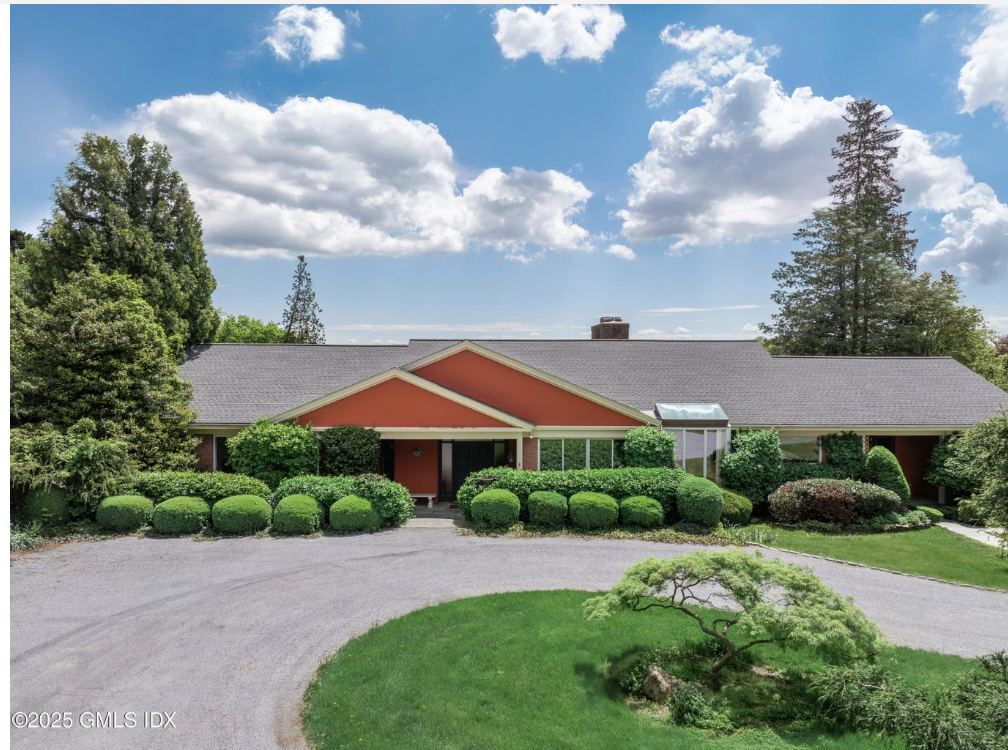
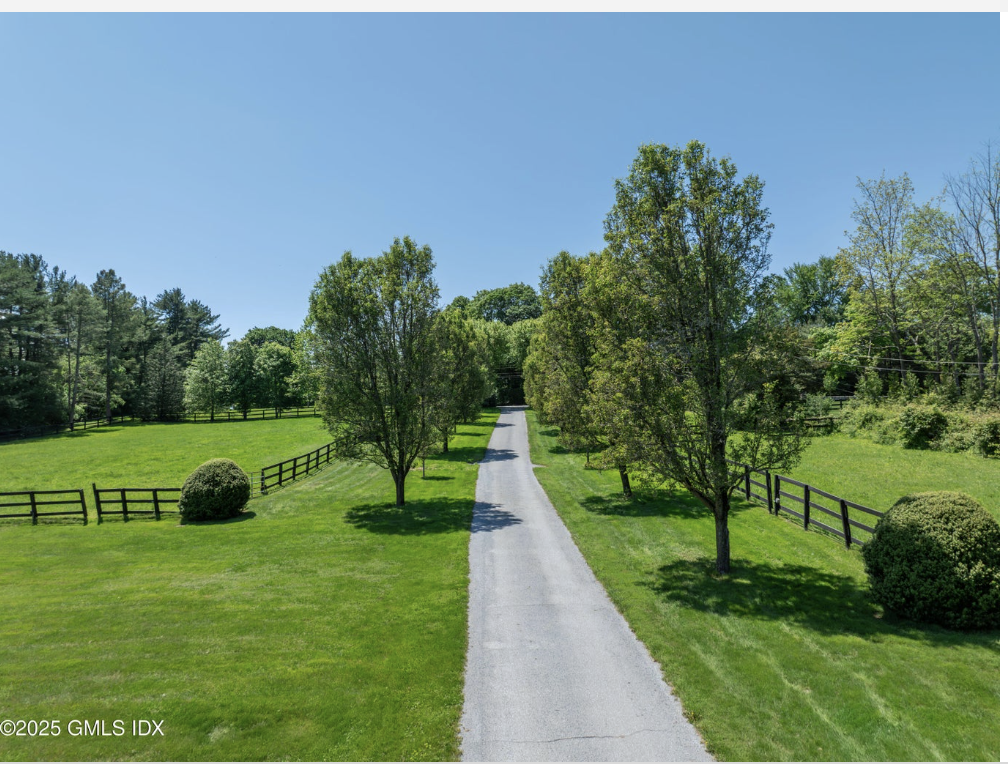
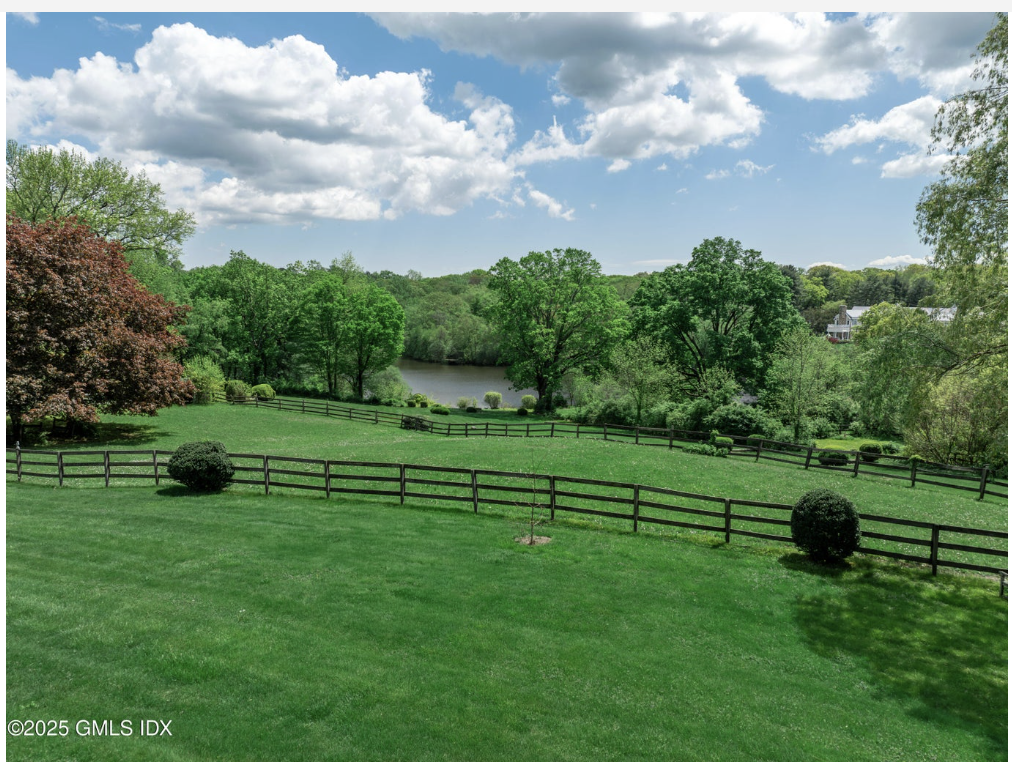
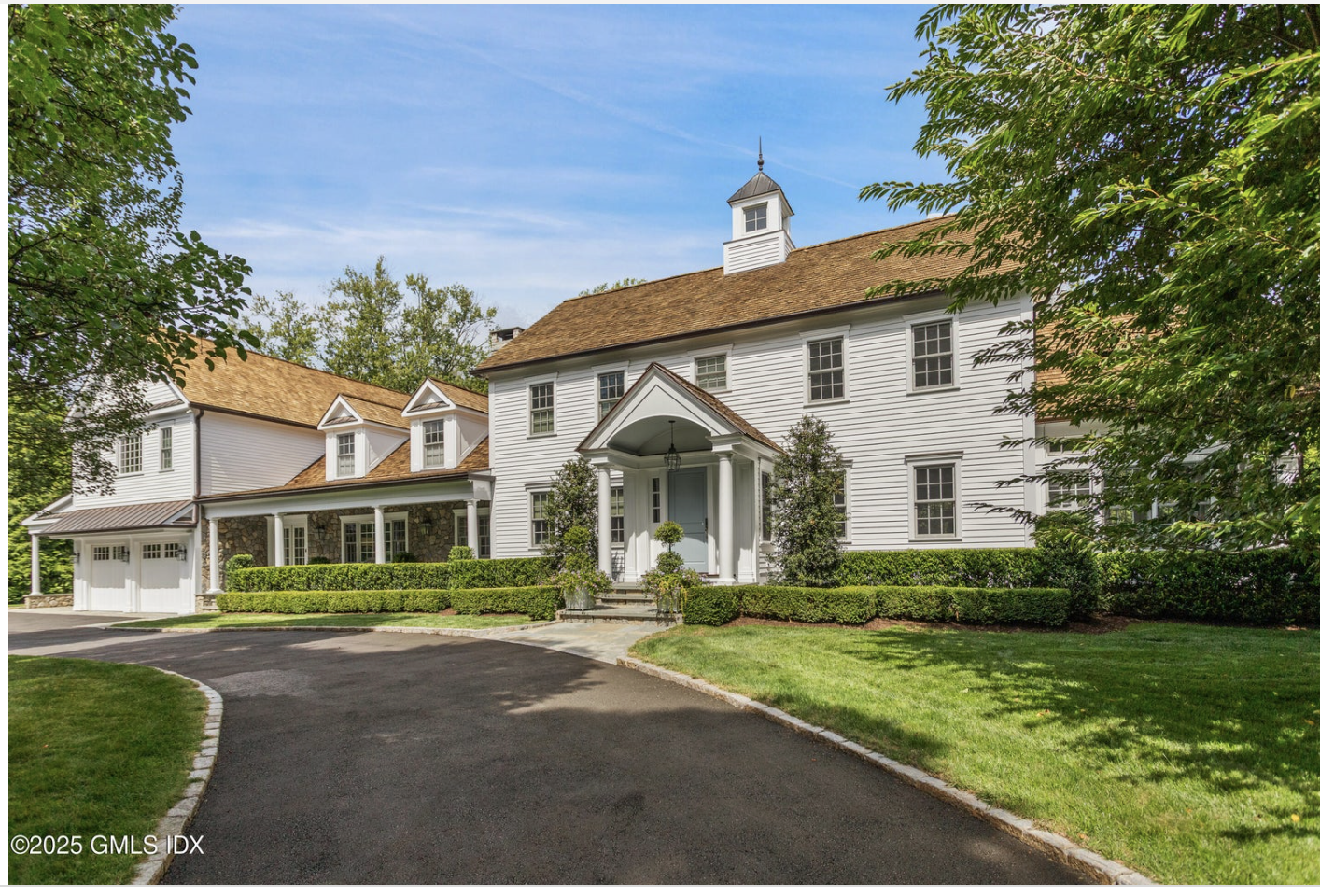
21 Aiken Road, $6.2 million. Started off in May at $7.250 million, but Krissy Blake held the listing and found the buyer, so she’s probably already over her disappointment on not getting that full price, or soon will be.

The house is surprisingly nice, but its 10.3 acres are the draw here: it’s easy to look over the meadows and feel as though one is in Vermont. The late owner (died in 2002, held in trust since) was Harry Keefe, who was quite the man: founder of Keefe, Bruyette & Woods, philanthropist, horseman, even added a bit of combat to his resume by serving three years in WW II —the ship he was commanding was sunk by enemy fire off Omaha Beach on D Day, “and didn’t lose a man”. I continue to be humbled by the men and women of the preceding generation.

Brutalism comes to Byram

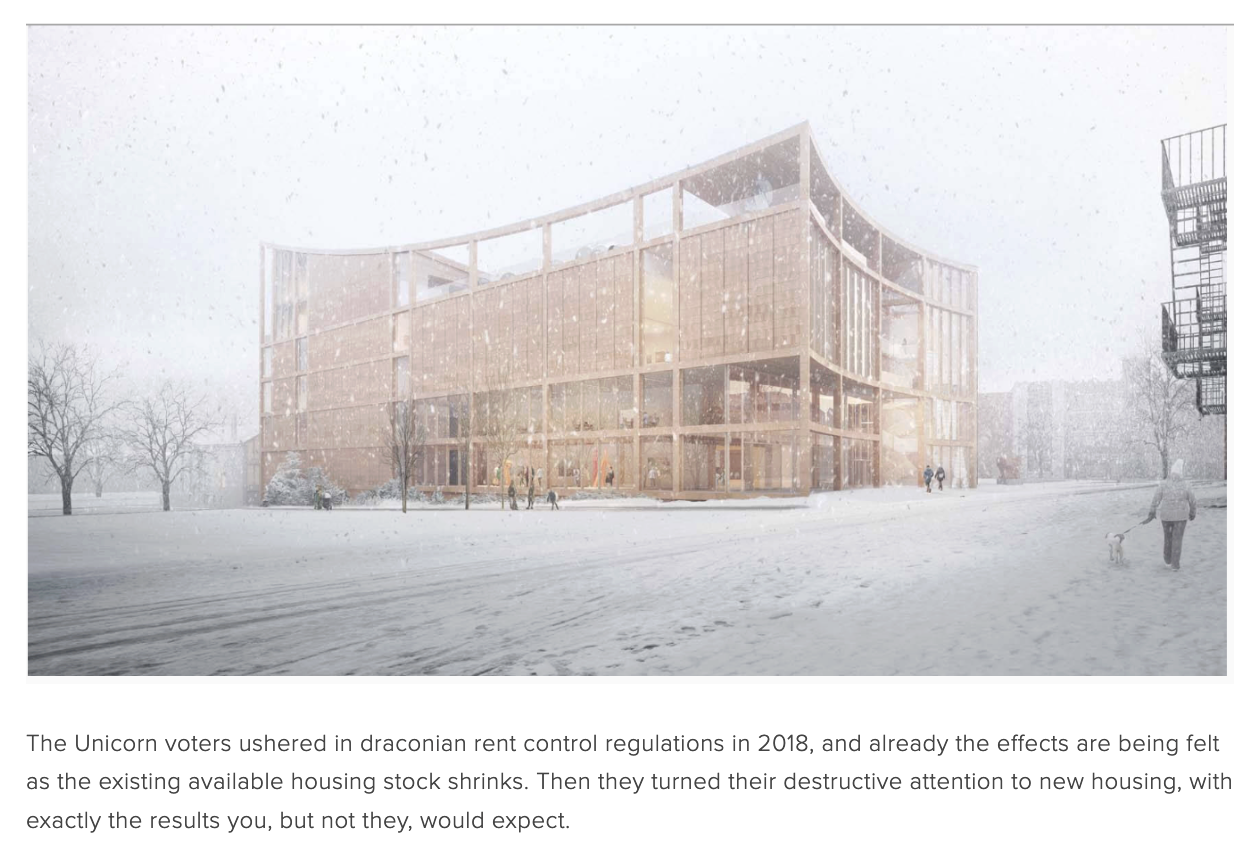
Six-Unit Residential Building Proposed to Replace 2-Family House in GB Zone

A pre-application has been filed with Greenwich Planning & Zoning for a site plan and special permit for “The Post Modern,” a six-unit development at 43 Old Post Road #2, where currently there is a two-family house built in 1900.

The property is located in the GB zone. Across the street is the back entrance to the office building at 411 West Putnam Ave. To the west is the office building at 55 Old Post Rd #2.To the east is a surface parking lot for 411 West Putnam Ave.

The proposed building would be four stories high and contain six residential units, with a total of 12 bedrooms. There are two parking spaces today. That would increase to 15 (10 in a parking garage and 5 outdoor).

The proposal is being submitted pursuant to the town’s workforce housing reg 6-110, with one unit proposed to be an affordable housing unit.

The Democrats send one of their flying monkeys out to do battle, and she promptly sinks

Which of these is a fishing boat?

Which place

Well, I can think of one immediate difference

begging for company?

CNN: Somalis on Welfare Are No Different Than Poor White Folks in Appalachia

Beege Welborn, HotAir:

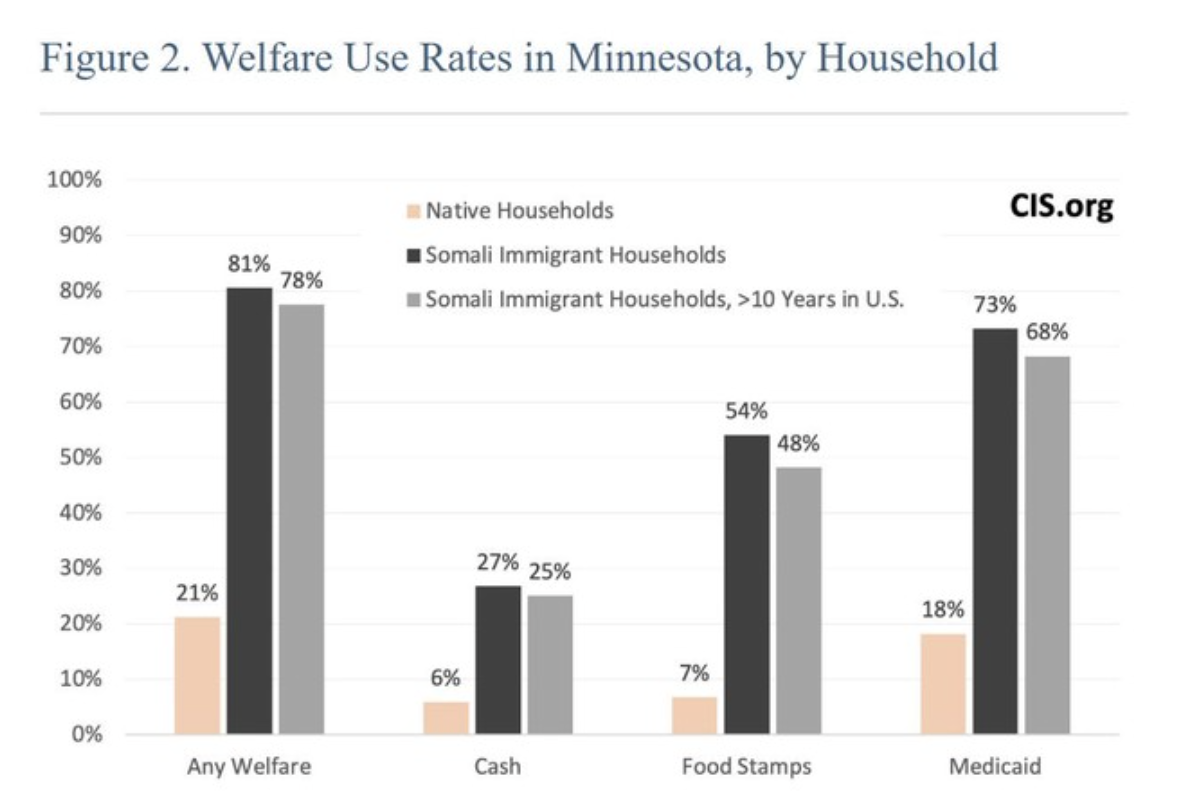
Feast your eyes on these numbers out of the Center for Immigration Studies (CIS) concerning the number of Somali households on welfare compared to the native US households in Minnesota. And, for giggles, they even broke out a third column that quantifies the number of Somali households who remain on welfare in the state after they've been residents for at least TEN YEARS.

One of the main critiques of post-1965 immigration to the U.S. is that it has worsened the problems of poverty, school dropout, and welfare dependency. Allowing in immigrants who struggle with these problems adds to the social burden and makes helping impoverished Americans more difficult.

The burden added by immigration varies widely across the U.S., but there is perhaps no starker case than that of Somalis in Minnesota. As Figure 1 indicates, there were virtually no Somalis in Minnesota in 1990, but over 10,000 appeared over the following decade, largely as refugees from Somalia’s clan wars.1 The Somali-ancestry population in Minnesota would triple by 2010 and continue to grow. In 2024, in the wake of the immigration surge of the preceding four years, people of Somali ancestry in Minnesota numbered over 75,000. The population has become especially visible because of its concentration in Minneapolis, where tension between rival Somali clans is rumored to have influenced the city’s recent mayoral election.2

The contrast between Somalis and native Minnesotans could hardly be greater. The human development index — a composite indicator of health, income, and education — routinely ranks Minnesota among the top states in the U.S., comparable to the Scandinavian countries from which a large share of Minnesotans derive their ancestry.3 Consequently, the arrival of impoverished Somalis has created large disparities. Based on 10 years of data from the Census Bureau’s American Community Survey (ACS), the analysis below details those disparities.

...Welfare. The U.S. has an extensive welfare system targeted at low-income families. Somalis in Minnesota are therefore likely to be major consumers of means-tested anti-poverty benefits, which Figure 2 confirms. While just 6 percent of native households in Minnesota receive cash welfare — including Temporary Assistance for Needy Families, Supplement Security Income, and general assistance — 27 percent of Somali households do. The disparities are even greater for food and medical care, with over half of Somali households receiving food stamps and nearly three-quarters using Medicaid. Altogether, 81 percent of Somali households consume some form of welfare, compared to 21 percent of native households.5 Somalis with 10 years of residency have welfare consumption rates that are only marginally lower than the Somali population as a whole...

And their findings are concise.

More than half (52 percent) of children in Somali immigrant homes in Minnesota live in poverty, while only 8 percent of children in native-headed homes are in poverty.One in eight children in poverty in Minnesota lives in a Somali immigrant home.About 39 percent of working-age Somalis have no high school diploma, compared to just 5 percent of natives.

Among working-age adult Somalis who have lived in the U.S. for more than 10 years, half still cannot speak English “very well”.About 54 percent of Somali-headed households in Minnesota receive food stamps, and 73 percent of Somali households have at least one member on Medicaid. The comparable figures for native households are 7 percent and 18 percent.Nearly every Somali household with children (89 percent) receives some form of welfare.

Although Somalis have recently been implicated in welfare fraud, any population with poverty rates as high as theirs will qualify for extensive means-tested aid. The best way to reduce immigrant consumption of welfare is not simply to crack down on fraud, but to reduce the number of new arrivals who have low earning power.

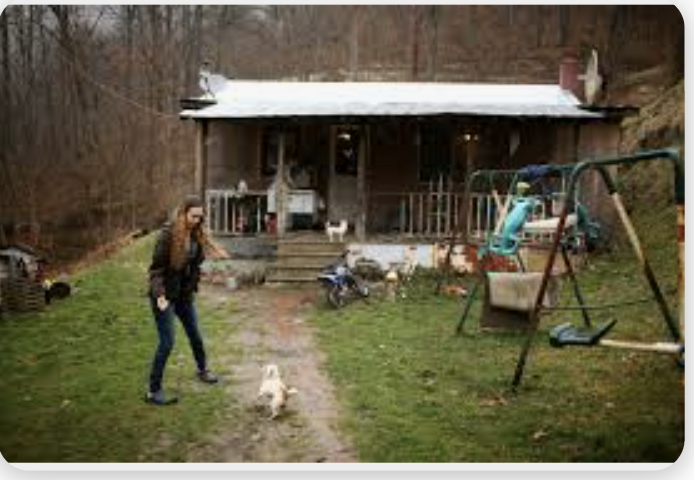
Unsurprisingly, to CNN's Abby Phillip, it's not fair to pick on the immigrants unless you have figures for the number of poor in Appalachia and Alabama who are also on benefits.

FWIW: Even if true, those are poor Americans — do we really want to throw open our borders to more people and further stretch our limited welfare resources?