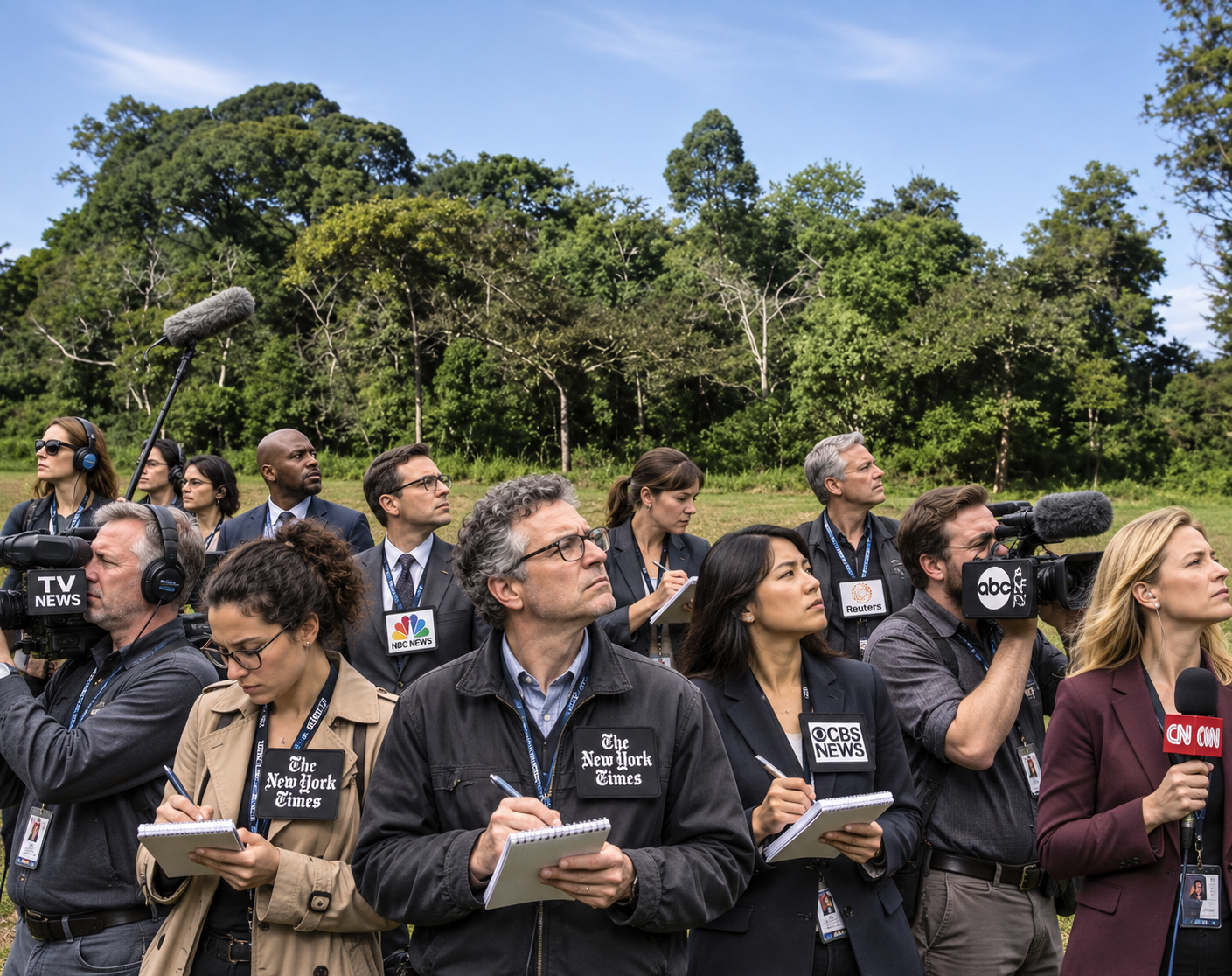
How tight is the current inventory? This tight
/7 Brown House Road, Old Greenwich, a 1971 raised ranch and showing it, was listed at $1.395 million, closed yesterday at $1,710,000. No central a/c, EOS, so you probably won’t mind missing out here.
Greenwich, Connecticut real estate, politics, and more.
Greenwich, Connecticut real estate, politics, and more

7 Brown House Road, Old Greenwich, a 1971 raised ranch and showing it, was listed at $1.395 million, closed yesterday at $1,710,000. No central a/c, EOS, so you probably won’t mind missing out here.
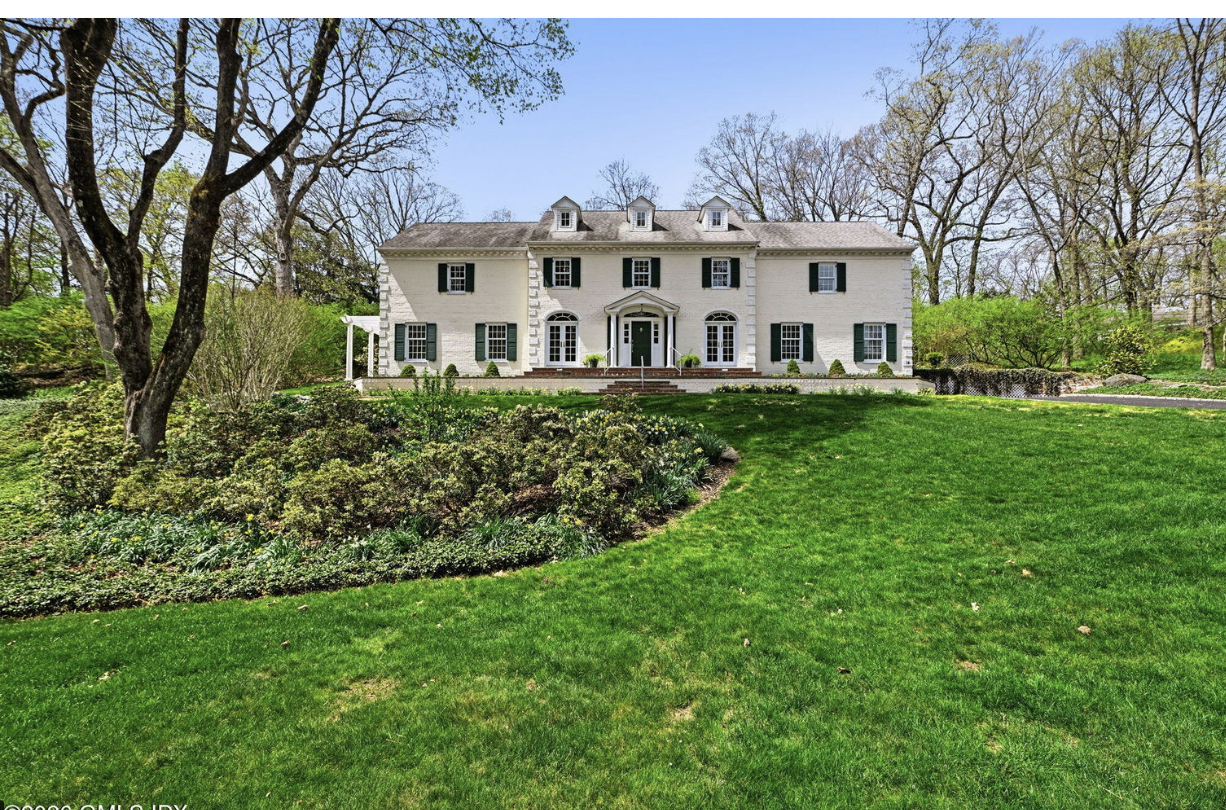
14 Upland Road, $3.195 million. Built in 1938, last renovated in 2002. I like it exactly the way it is, but a hipper buyer will no doubt want to renovate again (at the very least, remove all the terrifying books and bookshelves that positively litter the place), and at this price, there’s room for that. Literally: 1.6 acres in the R-1 zone.

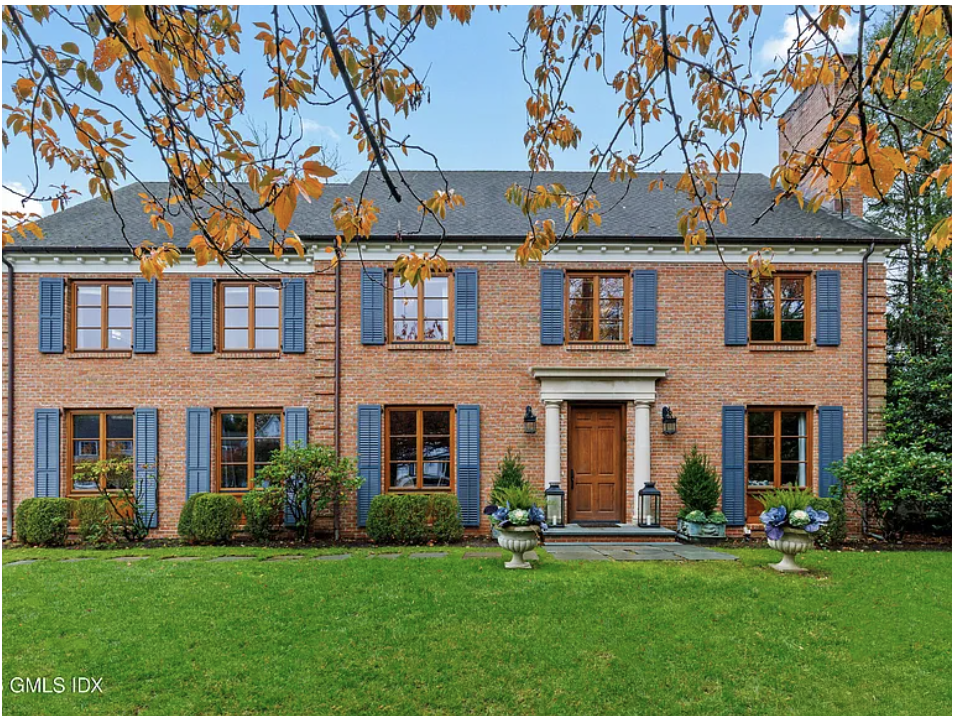
Having just unloaded her Old Greenwich listing yesterday, Dutchess Daphne has a new listing coming on the market in Riverside today: 15 Field Road, $5.750 million. Probably gone by the weekend.
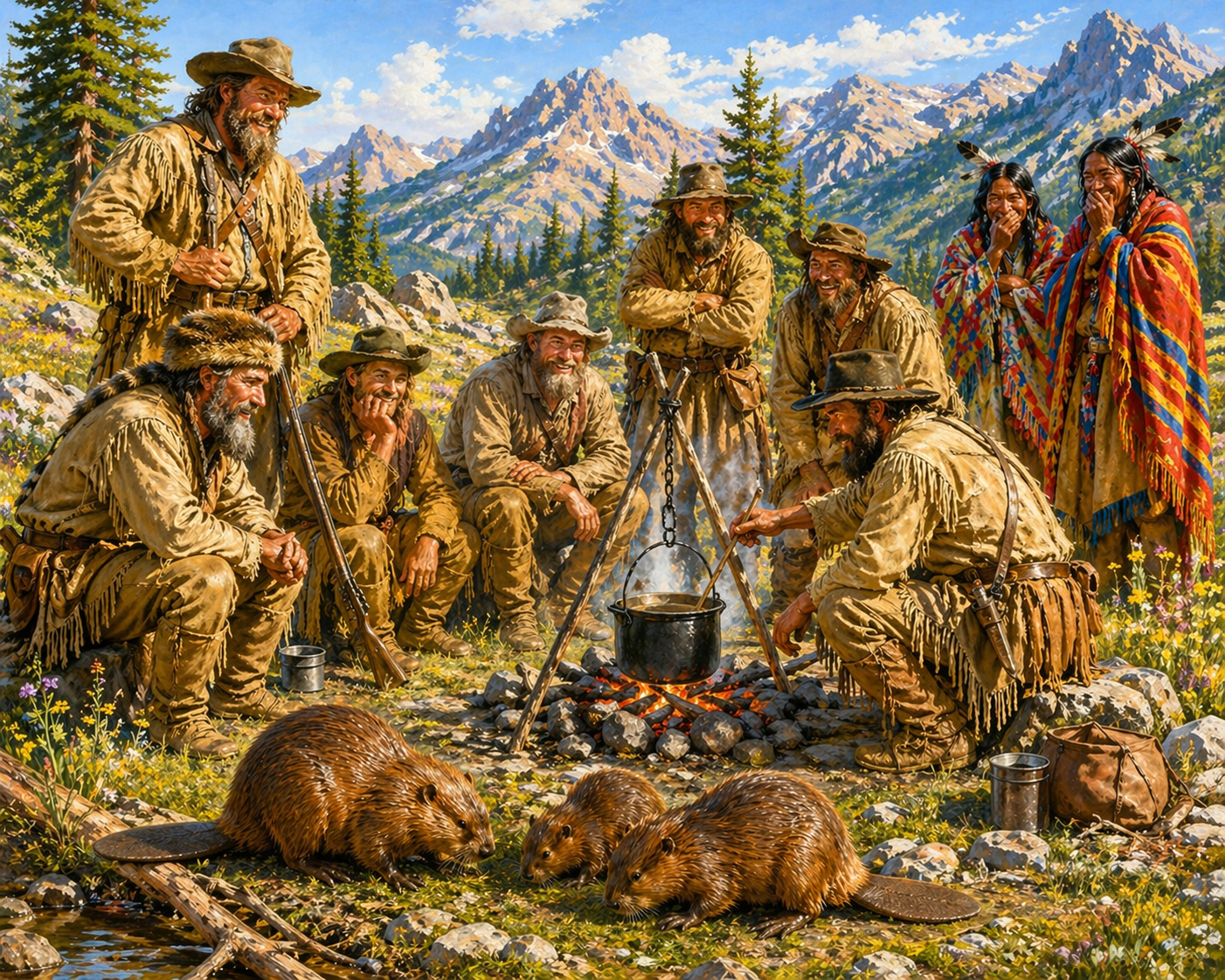
Greenhorn stew?
So, I saw this article in Greenwich Time this morning:
And that set me wondering: Probably the first book I read on my own back in 1st grade was about fur trappers, and over the years I’ve pursued that interest, reading biographies, novels and histories of the era. Many mention eating beaver tails, but later works I’ve read claim that the tail was not a delicacy, but rather a meal of last resort. Knowing that this issue would be as important to FWIW readers as it is to me, I asked Grok. As it turns out, you can relax and dig in; gentlemen, start your coals.
Q:
Over the years, I've read two different takes on whether beaver tails were good eating (for humans). Accounts of fur trappers and early settlers speak of roasting the tails over coals and enjoying a delicious meal, other accounts say they were a gelatinous mess, eaten only in the direst conditions. What's the true story?
A:
Beaver tails were genuinely considered a delicacy by fur trappers, mountain men, Native Americans, and early European settlers—and the positive historical accounts far outweigh any negative ones. The conflicting takes you’ve read reflect differences in preparation, context, and (especially) modern versus historical tastes, not a split in the record itself.
Why the tail was prized: Beaver tails are almost entirely fat (with some cartilage and a central bone), and fat was gold in the wilderness. Trappers’ diets were heavy on lean game meats (deer, elk, bison) that provided protein but little energy or satiety in cold conditions. The tail delivered concentrated calories and flavor in a compact package.
Contemporary descriptions are consistently enthusiastic:
Meriwether Lewis (April 1805): “I eat very heartily of the beaver myself, and think it excellent; particularly the tail, and liver.” The men preferred beaver meat to almost anything else available at the time.
lewis-clark.org
Rufus Sage (1840s): The tail “is highly esteemed by trappers, and assimilates a fish in taste, though it is far superior.”
Other mountain-man journals (Ruxton, Wislenzus, Nathaniel Wyeth, George Catlin) call it tender, delicious, a “favorite food,” or something they breakfasted on with relish—even saving tails for later when fresh meat was scarce.
French voyageurs and Catholic settlers in New France even classified the tail as “fish” (because it lived in water and looked vaguely scaly), allowing them to eat it on meatless Lent and fasting days. It became a staple for them too.
How they actually cooked it: The classic method was simple and matches the “roasting over coals” accounts you read:
Place the whole tail (skin on) directly on or near hot coals/fire.
Let the skin blister and singe until it peels off easily (like charring a pepper).
Scrape away the skin; what’s left is a thick layer of rich, creamy fat surrounding the central bone.
Eat it hot—spread on bread, scooped like marrow, or straight off the bone.
Modern recreators (including hunters and MeatEater’s Steven Rinella) describe the result as mild, rich, fatty, and “delicious” when prepared this way—similar to bone marrow or the fat cap on a ribeye. Some compare the crunch of the roasted outer bits to ribs.
Where the “gelatinous mess” idea comes from: This seems to be mostly a modern misinterpretation or the result of wrong cooking:
Boiling instead of roasting: If you simmer or boil the tail (as some older European recipes sometimes suggested before a final roast), the collagen breaks down into a jelly-like texture—exactly what some people today call “gelatinous.” Historical cooks who roasted it avoided this.
Modern palates + poor prep: Today’s recreators who try it sometimes report “fatty gristle,” “cold snot,” or “not great unless you’re starving.” A few modern mountain-man enthusiasts even claim the whole “delicacy” thing was a joke played on greenhorns. But primary sources from the era (journals, not later folklore) contradict that—it was routinely praised.
Context of scarcity: In truly desperate times (no game, winter famine), people ate anything, but the tail was never relegated to “last resort” status in the records. It was actively sought as a treat precisely because fat was otherwise rare.
In short, the enthusiastic trapper/settler accounts are the accurate ones. Beaver tail was a high-value wilderness food when properly roasted over coals: rich, fatty, and genuinely enjoyed. The gelatinous or “dire conditions only” descriptions are either from incorrect preparation or later skepticism that doesn’t match the historical evidence. If you ever get the chance to try a properly fire-roasted one, you’ll see why the old-timers licked their lips.
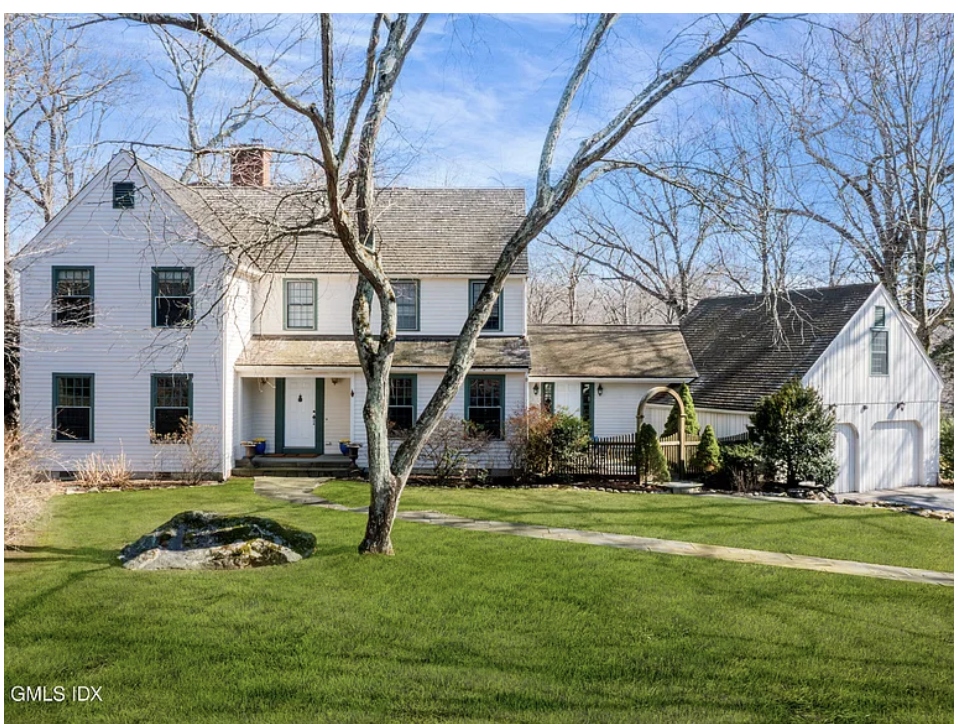
150 N Old Stone Bridge, $2.589 million guide price, pending after 12 days.
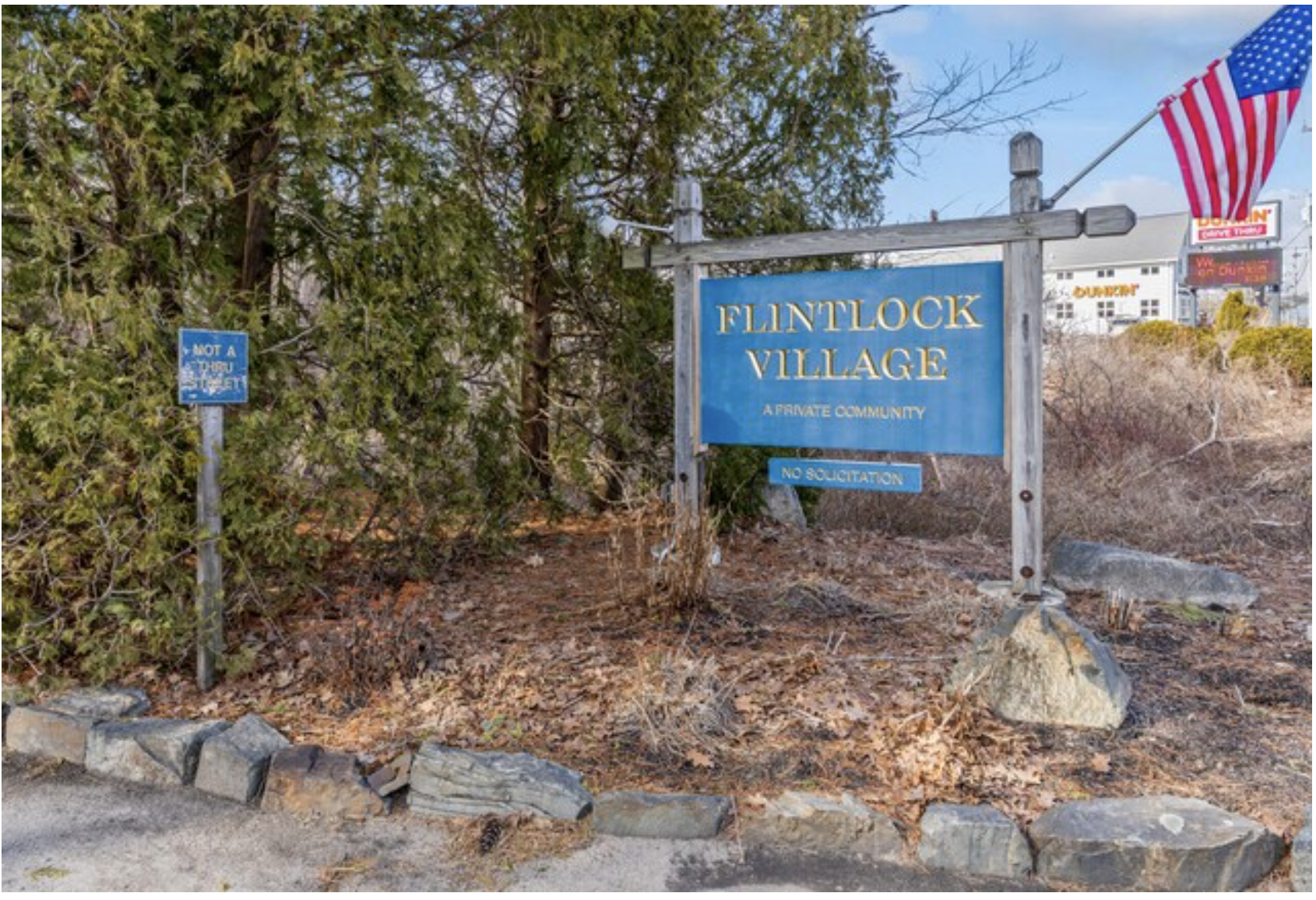
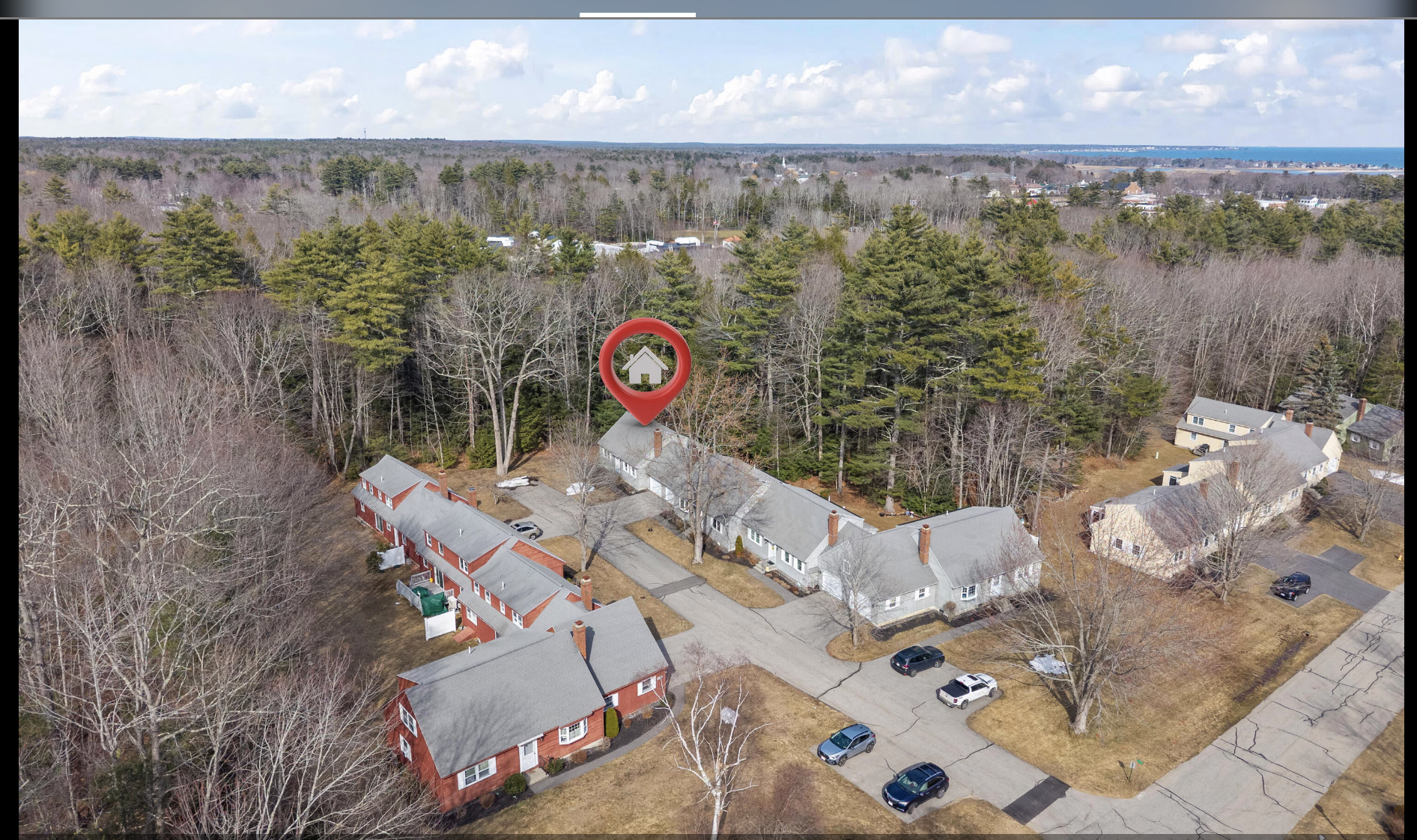
Miss out on this one yet still want a bit of history? You might try the 1986 townhouse development Flintlock Village in Wells, Maine — convenient to Dunkin Donuts.

Publius has alerted me that Amazon has banned “Camp of the Saints” because of its “offensive” subject matter. The book’s been in trouble since it was first published in the early 70s, yet has somehow survived; it will do so again, Jeff Bezos’s best efforts notwithstanding.
Our statement on Amazon's suppression of The Camp of the Saints in the United States: pic.twitter.com/JDTE5i4XbH
— Vauban Books (@VaubanBooks) April 20, 2026
A migrant fleet, a million strong, sets sail from Calcutta. Its destination: Europe. As the fleet advances, the continent is submerged by a torrent of words. Will the old nations of Europe resist the migrants or welcome them? Honor their past or embrace the radiant future? Open fire or open their hearts?
Enthusiasm, delusion, cowardice. And, finally, panic. The migrants make landfall...
First published in 1973, Jean Raspail's The Camp of the Saints ranks among the great dystopian novels of the twentieth century. Long out of print in translation, it is often hailed as prophesizing the mass migrations of our own day. The present edition contains an introduction by the scholar of French political thought Nathan Pinkoski, the 2011 preface that Raspail wrote by way of final testament for the book, and an original translation by Ethan Rundell.
For the first time available in English after years of neglect, this edition will allow a new generation of readers to pose Raspail's questions for themselves and measure the distance we have come - or not come - since the book was first published over fifty years ago.
From the distributor’s website, where you can still buy hardbound and paperback editions:
Jean Raspail (1925-2020) was a French explorer, novelist, and travel writer. Best known for The Camp of the Saints, Raspail was the author of nearly forty books and the recipient, among other distinctions, of the Grand prix de littérature de l'Académie française, in recognition of his lifelong contribution to French literature.
"This book by Jean Raspail is the ever-fresh story of Cassandra. Before anyone else, Raspail foresaw the 'Great Replacement' of Europe's peoples by their counterparts from the Global South. Before anyone else, he understood that what was called immigration was in fact invasion. He said it, wrote it, foretold it. But Cassandra is never believed." — Éric Zemmour
"The Camp of the Saints is not really about migrants; it’s about us, and whether we peoples of the West, long paralyzed by the sentimental humanitarianism and civilizational self-hatred of a spiritually corrupt elite, still have the power to rewrite this tragic story." - Rod Dreher, The European Conservative
"The Camp of the Saints remains closely, horribly relevant to our dilemmas right now. This new translation could not be more timely, more fraught." - David Sexton, The Times of London
"The Camp of the Saints does not flatter; it does not console. It strips away illusions and forces us to see how quickly a civilization can collapse when it forgets to defend itself." - Peter Gietl, The Blaze
"In the end, the work is not so much a polemic as an extended interrogation or question. It challenges the reader to imagine a West that would not only be able to halt such an invasion but also one that would be actively worthy of saving." - Adam Van Buskirk, Washington Examiner
"The Camp of the Saints is not a novel about the West against the Rest. It’s a story about civil war within the West." - R.R. Reno, First Things
“In the same way that The Handmaid’s Tale looms over abortion politics, or The Terminator lurks over artificial intelligence, The Camp of the Saints hangs over immigration politics.” - Idrees Kahloon, The Atlantic
"Raspail’s work illuminates how a Christianity reduced to boundless empathy can lead to disaster and spiritual betrayal." - Thomas Colsy, The Catholic Herald
"The Camp of the Saints is a book that refuses to lie down, despite attempts to render it invisible or make it go away." - Theodor Dalrymple, The Claremont Review of Books
I’m pretty sure that I’ve replaced my original 1975 copy a couple of times as I’ve moved about and lost books, but I’m going to check my library, and probably buy a few more copies in any event.
Resist.

Here is where I land most days about white people. And I actually have been helped in this by thinking about indigenous people, right? See, part of the challenge around whiteness is that it totally skews our view of everything…
The world didn’t start when white people arrived in America and tried to tell all the rest of us how things were going to go. There were people out here making worlds, Africans and indigenous people, being brilliant and, you know, libraries and inventions and, you know, vibrant notions of humanity* and cross-cultural exchange long before white people showed up being raggedy and violent and terrible and trying to take everything from everybody.
Rutgers professor Brittney Cooper: White people don't appreciate 'indigenous libraries' because they're 'raggedy' and 'violent' pic.twitter.com/wAYHQoyNYf
— Ben Bartee (@BenBartee) April 20, 2026
Native Americans had no written language, so books from that glorious period of engaging in “vibrant notions of humanity” with Africans (?) are non-existent. Other than that, I’m sure the professor has a point.

Everyone’s favorite Dutchess, Daphne Lamsvelt-Pol had the seller and the buyer for 53 Lockwood Avenue in Old Greenwich back in 2019 when it sold for $2.350 million. She again represented those buyers, now sellers, when it was placed back upon the market waters in March at $3.250 million, and it has just sailed away at $3,925,001. Different buyer’s rep this time, alas, but a nice run all the same — congratulations, Daphne.

at least it has bold, innovative architecture going for it
24 Annjim Drive hit the market at the end of last month at $4.250 million, a price I’d have thought was more than adequate for the privilege of living off lower Stanwich, went immediately to highest and best, and has now sold for $4.753 million.
David Strom:
Public schools—really, they should be called "government schools"—long ago gave up the idea that they existed solely to educate children.
I really can't say exactly when, if there is a definitive "when," this transformation occurred. I suspect it happened in much the same way that bankruptcy does: slowly, then all at once.
>>>>
Case in point: the successful fight to turn May Day, the communist holiday on which the old Soviet Union paraded, into a "Day of Civic Action," on which students participate in political protests along with socialists. They make signs, protest against capitalism, and presumably work toward the day when the Bolsheviks take over America.
Chicago Public Schools declare May 1 a 'day of civil action' for students https://t.co/aqe70IeALr pic.twitter.com/fuBGuKZRiG
— New York Post (@nypost) April 20, 2026
CPS has agreed to declare May Day a Day of Civic Action, with buses to the Union Park rally, no retaliation for participants, joint lobbying in Springfield, and future May Days protected as teacher-directed PD days.
— Chicago Teachers Union (@CTULocal1) April 17, 2026
When we stay steady, we win. Swipe for the full schedule and… pic.twitter.com/yTBVR3VnA4
A day of “civil action” for students.
— C3 (@C_3C_3) April 20, 2026
Indoctrination Day!
99% of teachers unions political donations are to Dems.
Dem run Chicago has increased spending by 97%.
Scores…
Math down 78%
Reading down 63%
Only 11% of Chicago HS students are proficient in reading.
Child abuse. pic.twitter.com/qWetkIUz97
Chicago is hardly unique in this approach to what makes government-run education systems so destructive. Teachers around the country are building up a movement to duplicate the curricular shift.
Teachers unions are recruiting high schoolers to skip school to 'fight capitalism' and 'overthrow billionaires'https://t.co/JhVWljQb5O
— Mass Daily News (@MassDailyNews) April 20, 2026
The goal is simple: to make students as ignorant and pliant as possible, and to form the ground troops for the coming anti-colonial revolution.
A high school teachers union, wearing Keffiyehs, discuss how to groom children even earlier:
— Eyal Yakoby (@EYakoby) March 9, 2026
“Everyone who raised your hand and said that you got radicalized in college—imagine if you got radicalized four years earlier?”
pic.twitter.com/kTogHWv93a
Portland Maine Schools To Slash STEM/Latin & More
— TheUnquirer (@unquirer) April 14, 2026
Teachers and residents are baffled as their elected Leftist officials slash critical positions like math, science, engineering, Latin(important for science) - and replaced with roles like "cultural studies" or "civil rights".… pic.twitter.com/hSd7oT2Jqa
"In 100 years we have gone from teaching Latin and Greek in high school to teaching Remedial English in college."
— The Culturist (@the_culturist_) April 20, 2026
— Joseph Sobran https://t.co/TUSPvBI7a9
Sorry, all I could find was a negative correlation between increased school funding and student performance. https://t.co/2o5vNyo3r9 pic.twitter.com/Q9roEgF1r3
— Possum Reviews (@ReviewsPossum) April 20, 2026

Be notified of new posts! Sign-up here:
Want to comment without registering?