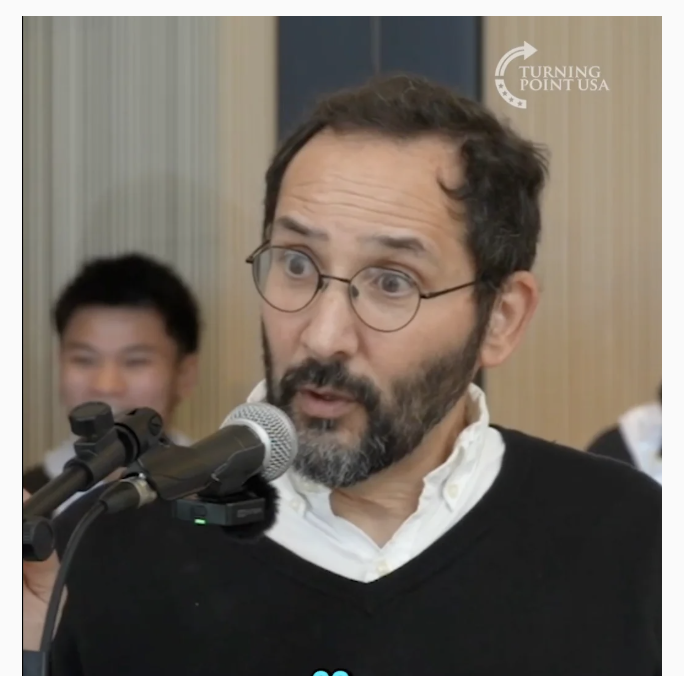
Pending at, presumably, below their listing prices
/640 Round Hill Road, $6.2 million, began at $8.
23 Wyckham Hill Lane. $6.995 million, started off at $7.295
Greenwich, Connecticut real estate, politics, and more.
Greenwich, Connecticut real estate, politics, and more
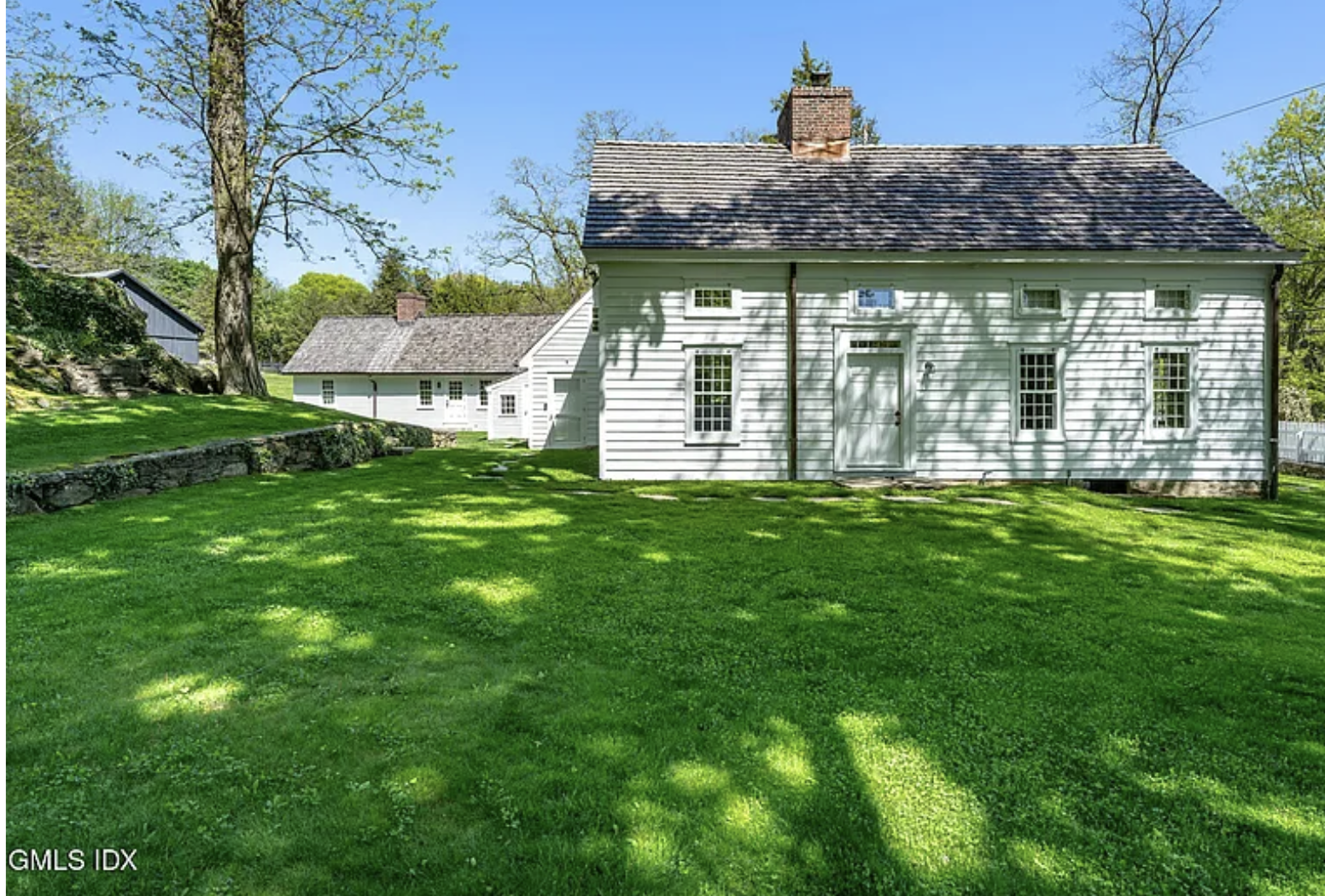
640 Round Hill Road, $6.2 million, began at $8.
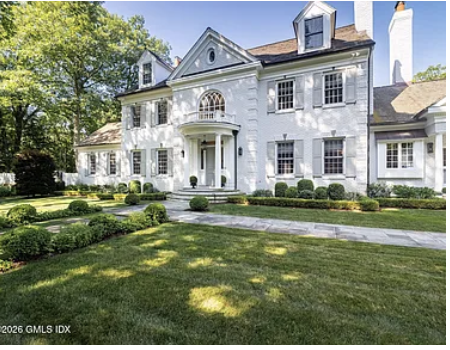
23 Wyckham Hill Lane. $6.995 million, started off at $7.295

THE END OF DOGE, THE RETURN OF POLITICS AS USUAL: “I NEVER MEANT IT!” Estimated cost: “Well above $1 trillion.”
"I can make this promise to you, and here is my promise," he said. "If the Republicans win the House of Representatives and the United States Senate, both of them, because of our economic — tremendous economic success like in history, we've never had anything like what's happening. But because of our tremendous strength and success economically — I will issue a dividend to every adult citizen in the United States of America for $5,000.
Politicians have been buying votes, albeit usually more delicately than last night’s attempt, since there have been politicians, so how this merits the term “first of its kind” beats me. Regardless: In one move, the man has completely made a mockery of his and the Republican Party’s claims to a desire to cut government spending of funds it doesn’t have. “I’m going to steal from your grandchildren tomorrow to buy your vote today” is as despicable a campaign promise as any of the socialist pablum being peddled by the Democrats and their sub-party, the DSA.
The desperate act of a fool.

But the indictment focuses on two companies that dealt with Diamantis, making the case that he routinely offered favorable treatment in exchange for cash, favors and checks, which they referred to as “presents” and “donations.”
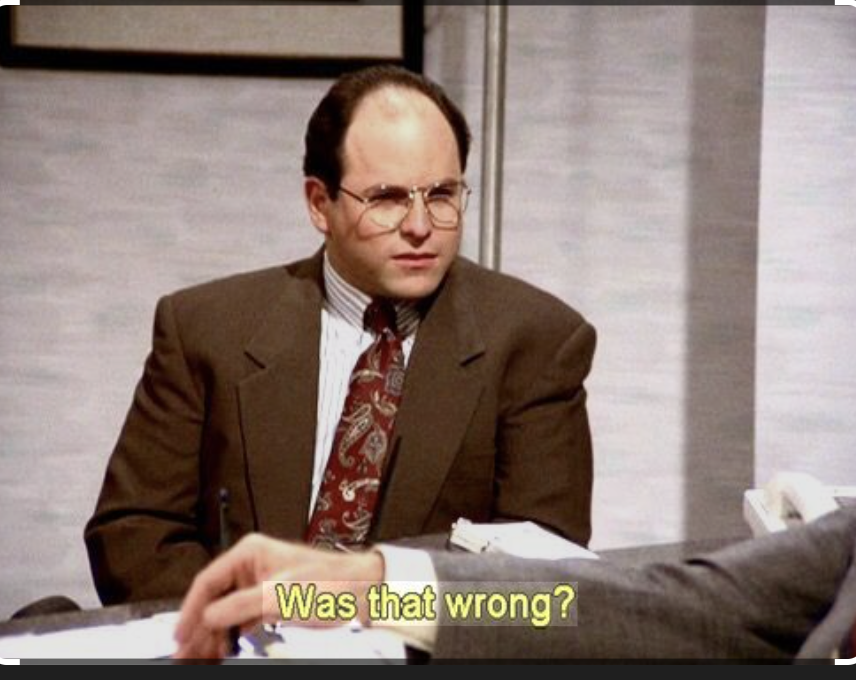
Connecticut placed him in sole charge, with no oversight, of the billion dollar school construction budget for six years running. He took advantage of that error.
Konstantimos "Kosta" Diamantis, a former state school construction official convicted of taking bribes, is asking a federal court for home detention and maximum probation instead of up to 13 years as prison sentencing guidelines recommend.
"Mr. Diamantis does not minimize the seriousness of the jury's verdict or his breach of the public trust," his attorney, Norm Pattis, wrote in a motion to the U.S. Judge Stefon Underhill at U.S. District Court in Bridgeport.
Diamantis is scheduled to be sentenced Sept. 17 after a jury last October found him guilty of 21 counts of bribery, extortion, conspiracy and making false statements to federal investigators.
The prosecution argued Diamantis used his position as head of the state's Office of School Construction Grants and Review to steer contracts on school projects in exchange for more than $75,000 in bribes.
A second trial is scheduled for early next year for additional public corruption charges. Federal prosecutors claim Diamantis, who has forfeited his law license and is a former state lawmaker, quashed a state audit of an eye care practice that was engaged in healthcare fraud when he was employed in the governor's budget department, the Office of Policy and Management.
When the federal investigation of Diamantis burst into public view in early 2022, municipal officials from across Connecticut came forward with stories of Diamantis pressuring them to hire specific contractors.
Republican lawmakers responded, at that time, by calling for hearings and audits into Diamantis’ alleged pressure tactics.
But Lamont’s administration declined to review Diamantis’ interactions with local elected leaders and the local school building committees.
Instead, the Department of Administrative Services spent $240,000 for an auditing firm to analyze 111 school construction projects to make sure the state paperwork for those projects was filled out properly.
The auditors noted that they were instructed not to speak with local officials who oversaw those school construction projects.
“The scope of work for this engagement did not include outreach to the school district, nor did we perform any work on site at the school districts,” the auditors wrote.
Behind Kosta Diamantis’ arrest: money woes, unfettered power
May 21, 2024
The federal criminal case leveled against Konstantinos Diamantis, a former Connecticut lawmaker and state deputy budget director, paints a portrait of a man who was desperate for cash, had unfettered control over billions of dollars in government money and wasn’t afraid to use that power to ease his own financial troubles.
The 35-page criminal indictment filed last week provides a look at the hidden parts of Diamantis’ six-year tenure running Connecticut’s school construction office, which is responsible for overseeing state grants for local school projects.
In that position, Diamantis was able to influence the budgets, schedules and bids for every school project in the state, and he interacted with a small army of school construction companies, including project administrators, construction managers, plumbing and electrical contractors and demolition and abatement specialists.
But the indictment focuses on two companies that dealt with Diamantis, making the case that he routinely offered favorable treatment in exchange for cash, favors and checks, which they referred to as “presents” and “donations.”
Diamantis was charged with multiple counts of extortion, bribery and lying to investigators.
Federal prosecutors have already secured guilty pleas from three construction officials — Antonietta Roy of Construction Advocacy Professionals, and John Duffy and Salvatore Monarca of Acranom Masonry. Roy and Monarca have agreed to cooperate with the ongoing investigation.
Several state lawmakers told The Connecticut Mirror, after the indictment was released, that the charges against Diamantis, if true, are likely the result of one person accumulating too much power over a taxpayer-funded program.
“There’s no checks and balances, right, and that can be a recipe for trouble,” Ritter said. “Any time you have one person who can make decisions, it’s a problem.”
Add to that Diamantis’ apparent need for money, and you have a recipe for disaster, lawmakers said.
“It’s disconcerting at best that he was allowed to get away with this with no supervision,” said Rep. Tammy Nuccio, R-Tolland. “How does that happen that no one is watching what one person is doing with billions of dollars of taxpayers’ money?”
Nuccio butted heads with Diamantis over a Tolland elementary school project, particularly over the idea that the town was going to hire whomever Diamantis wanted them to hire.
“We were told this is who you are going to hire, and if you don’t, then you won’t get any state money, and there was no one else to go to because Kosta answered to no one,” Nuccio said. “Let’s face it — this is embarrassing for the administration, because this is the guy who they put in this position with no one to watch him.
Fun fact:
https://www.justice.gov/usao-ct/pr/former-state-official-and-state-representative-charged-offenses-related-cancelled-state
A former top official in Connecticut Gov. Ned Lamont’s budget office who played a key role in school construction grants and offshore wind projects was arrested Thursday morning on federal charges, a spokesperson from the U.S. Attorney’s Office said.
Konstantinos “Kosta” Diamantis, a former state representative from Bristol and a lawyer, was expected to appear in Hartford federal court at a time to be determined, said spokesman Thomas Carson. Details of the arrest are under seal and were not available.
Later in the day the U.S. Attorney for the District of Connecticut Vanessa Roberts Avery released a statement that said a grand jury sitting in New Haven handed down a 22-count indictment against Diamantis of Farmington. The charges included extortion, bribery, conspiracy and false statement offenses related to his conduct as director of the state's Office of School Constructions Grants and Review under Gov. Ned Lamont.
And, of course, Medicaid fraud, because who isn’t doing that?
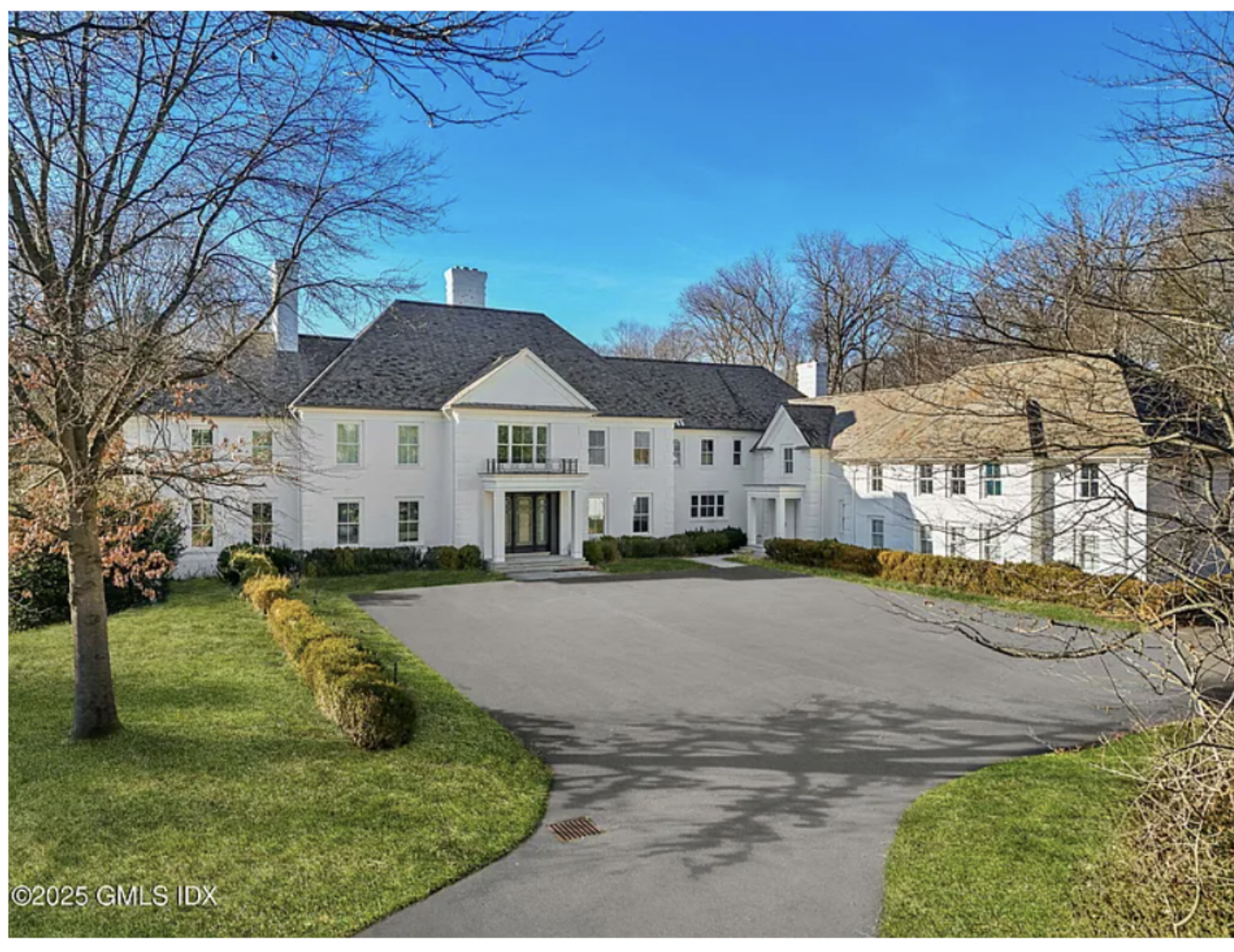
Purchased at a foreclosure auction last April for $8 million, 8 Old Round Hill Lane has been repaired and restored after the depredations of Shari Lampert and it’s back on the market.
I’ve followed the fortunes of this house many times over the years, including here; and here; and here; and here. It’s been fun.

Harvard med research lab, circa 2026
Just two days ago we learned that the Kenyan cottage industry that’s been generating essays for American college students is being rendered obsolete by AI, and now this:
David Strom:
The body of scientific literature on which new research is based is being flooded with fake research, much of which is published in respected scientific journals.
Worse, fake papers are among the most cited, meaning current research and spending are often built on shaky or fraudulent prior work.
The problem is hardly fringe. A new French study examining the influence of fake and AI-generated papers found that one in ten papers is the product of paper mills or AI, and that frequency has increased by 1000 percent.
…. A January 2026 study in The BMJ delivered one of the sharpest measurements yet of the crisis's scale. A team led by biostatistician Adrian Barnett of Queensland University of Technology trained a BERT-based text classifier — a bidirectional language model — on 2,202 known paper mill papers drawn from the Retraction Watch database, then turned it loose on 2.6 million cancer research papers published between 1999 and 2024. The model achieved 91% accuracy in distinguishing genuine from fraudulent manuscripts. What it found when applied to the broader literature was sobering: nearly 10% of all cancer papers screened — more than 261,000 studies — showed textual patterns consistent with paper mill origin, according to the machine-learning cancer paper mill study.
The study drew particular attention to a paradox built into the fraud problem: flagged papers accumulated significantly more citations than non-flagged papers. Fraudulent research, in other words, was not sitting ignored at the margins of the literature — it was being cited and built upon, according to Barnett's BMJ analysis of paper mills.
Of course, it's not just cancer research. Research that guided the study of Alzheimer's Disease was found to be fraudulent, meaning that tens of billions of dollars had been sunk into research based on fraud, setting back the search for cures by decades.
Scientific fraud in pursuit of the amyloid hypothesis in Alzheimer's https://t.co/cyB7lAStaS
— Dr. Jason Fung (@drjasonfung) June 5, 2024
…. Paper mills are commercial operations that produce fraudulent research and sell authorship slots to clients under career pressure to publish. They are not a new phenomenon, but generative AI has qualitatively changed what they can do. Older paper mills left detectable fingerprints: standardized sentence templates, recycled figures, suspicious patterns in co-authorship networks. Detection algorithms were built to catch those patterns. Generative AI eliminated them. "Our system worked because the paper mills would have a template," Adam Day, chief executive of Clear Skies — a publishing integrity analytics firm — noted this year. "But now with AI, there is no template," Day told Chemistry World's paper mill feature.
The result has been a near-vertical scaling of fraud. A Northwestern University study published in PNAS in August 2025 found that suspected paper mill output was doubling every 1.5 years — roughly ten times faster than the 15-year doubling rate of legitimate scientific output. Of more than 32,000 fraudulent articles identified in the study, only 29% had been retracted.
The raw volume numbers behind this trend are difficult to absorb. More than eight million scientific publications appeared in 2025 alone, according to Science magazine — more than double the figure from five years earlier, fueled in part by the wider availability of large language models that can draft manuscripts in minutes….
One of the great ironies of the past century is that we have turned scientific research into a massive industry, both because it is a high-prestige, high-value "product" and because the questions we are trying to answer are now difficult to answer by lone wolves working with tight budgets.
The number of researchers has exploded, and academia is flooded with large research budgets that a relatively small group controls, and competition to become one of them is fierce. The primary way to do so is to produce large volumes of highly cited papers in prestigious journals and to generate "results" that appear revolutionary.
Organized scientific fraud is growing at an alarming rate, study uncovers | Northwestern University
….
The problem is so widespread that the publication of fraudulent science is outpacing the growth rate of legitimate scientific publications. The authors argue these findings should serve as a wake-up call to the scientific community, which needs to act before the public loses confidence in the scientific process.
….
When people think about scientific fraud, they might remember news reports of retracted papers, falsified data or plagiarism. These reports typically center around the isolated actions of one individual, who takes shortcuts to get ahead in an increasingly competitive industry. But Amaral and his team uncovered a widespread underground network operating within the shadows and outside of the public's awareness.
"These networks are essentially criminal organizations, acting together to fake the process of science," Amaral said. "Millions of dollars are involved in these processes."
…. As the numbers show, junk science pays dividends. The junkier the science, the more citations.
Science has grown into an industry driven by the massive flow of government money distributed by committees, with the opposite effect of what was expected: rather than seeing a massive increase in breakthroughs, we have seen a massive increase in the "noise" injected into the process. It's not that all science is bad science, but good science is often lost in the noise, or even directed by high-prestige bad science, as happened in Alzheimer's research.
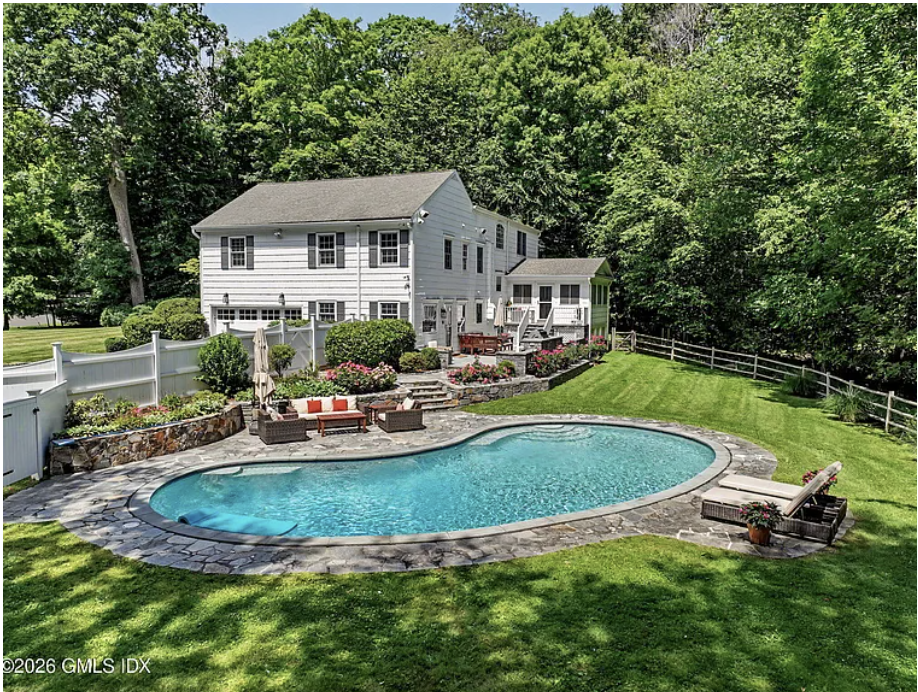
I previously wrote about the quick price drop taken at 38 Byfield Lane from $3.495 million to $3.250 and how it went pending almost immediately thereafter. Now it’s closed, at $3.310 million. Nice job, Mark Pruner.

23 Nimitz Place, Havemeyer Park, was listed at $1.695 million and has sold to a Norwalk builder for $2.2 million.

56 Zaccheus Mead Lane, $8,000,000
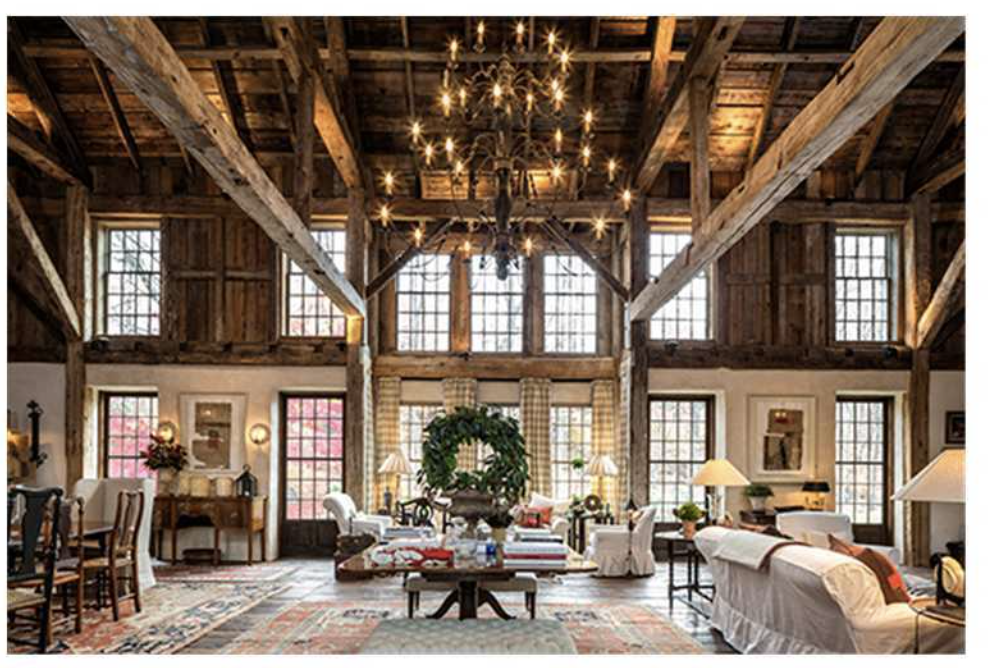
*(for readers who also suffer from hippopotomonstrosesquippedaliophobia, it means fear of low ceilings)
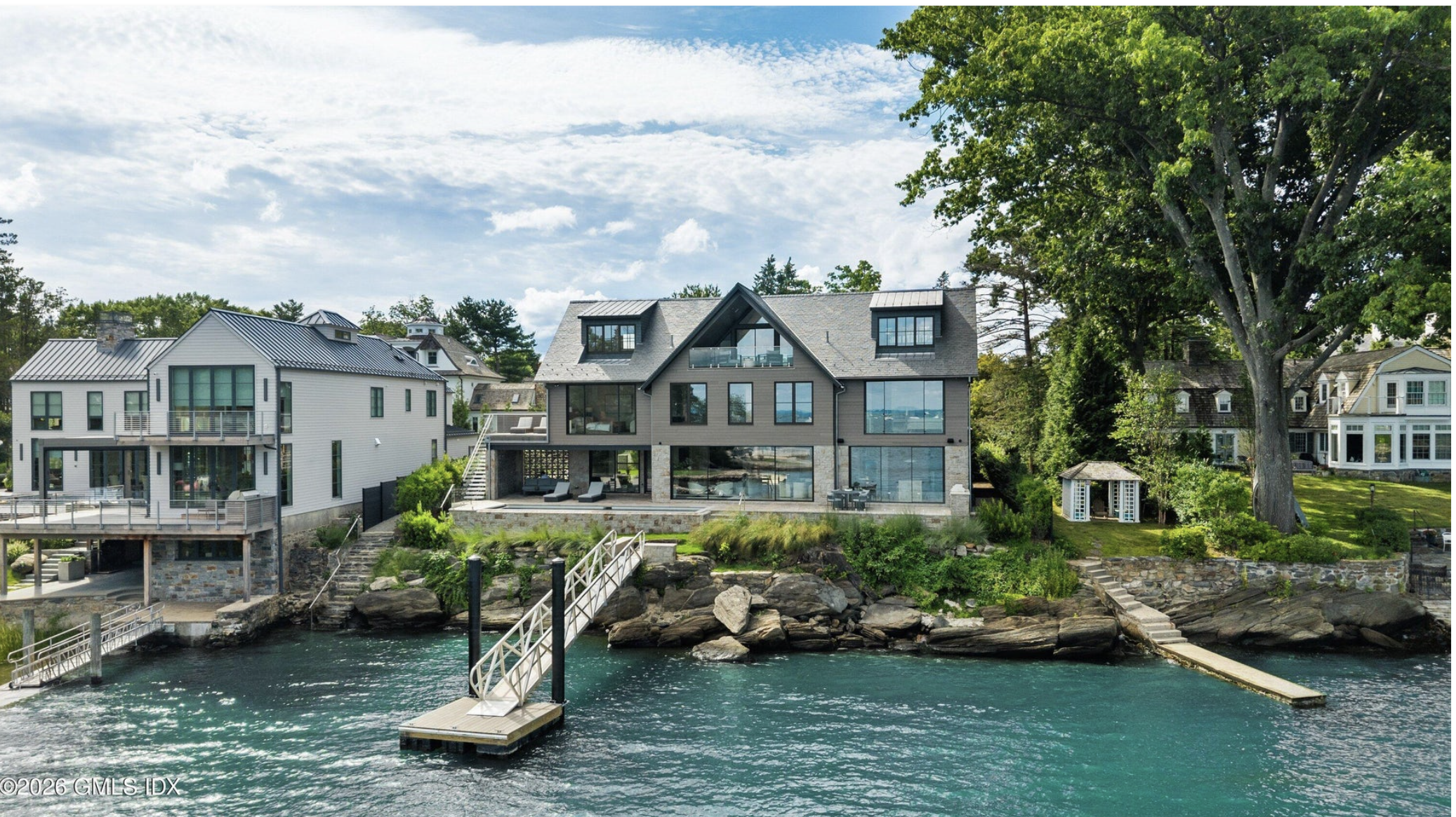
58 Shore Road, from $23,000,000 to $19, 995,000. Personally, I preferred the 1,382 sq.ft. cottage this one replaced, but when land sells for $3,726,000, needs must.
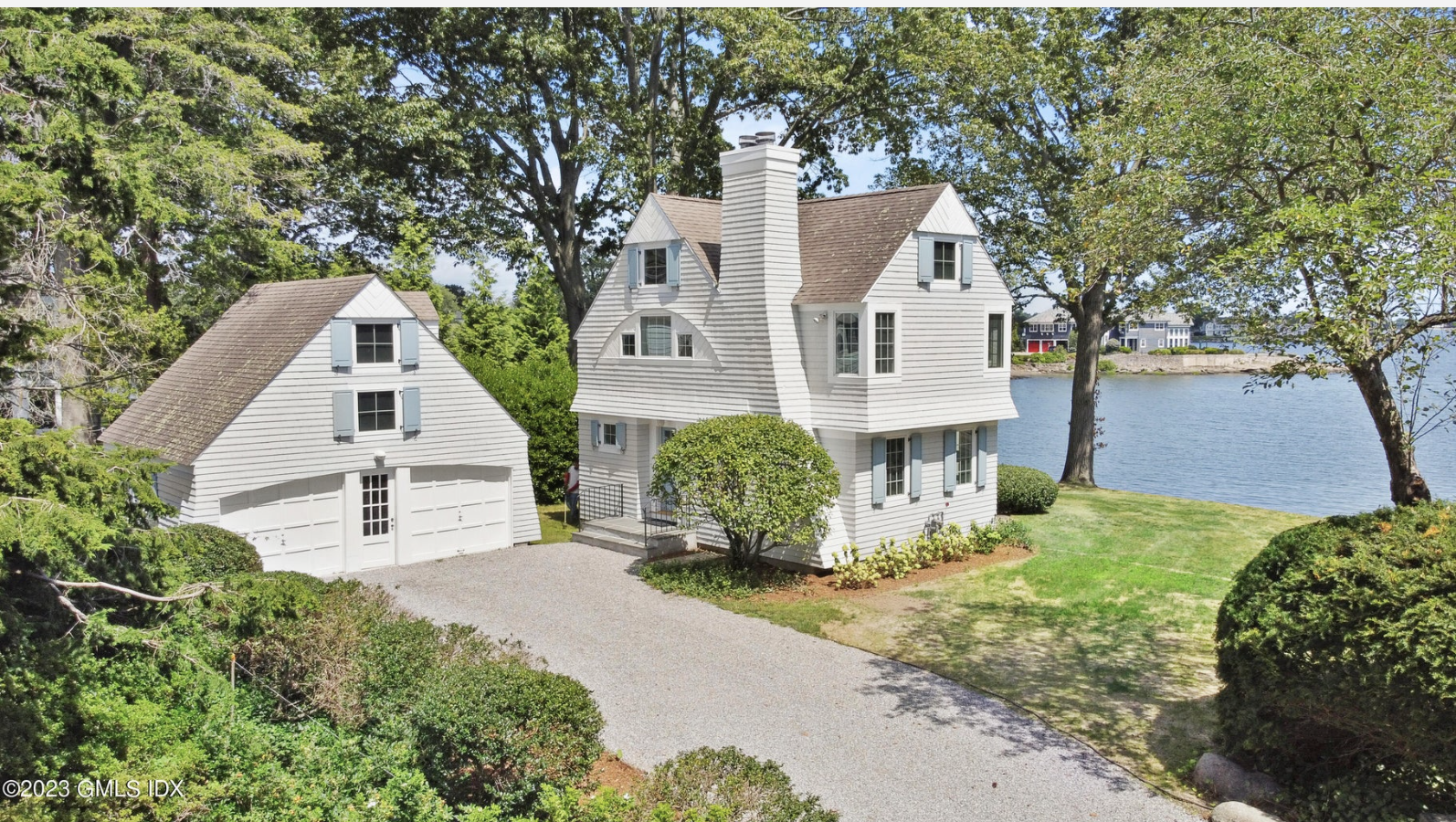
what was once was, is no more

Gone to the dumpster

but i can smell a novel ….
KINGFIELD, Maine — The rolling hills around Tufts Pond are nearly silent on a September afternoon. Several times this summer and last, that quiet was broken by the sound of hundreds of chanting men.
Members of Legendarios, an evangelical men’s group that was founded in Guatemala about a decade ago and has a Massachusetts chapter with a heavy Brazilian following, first showed up at Deer Farm, a shuttered campsite by the pond last year. They have named it “Patriots Valley,” hosting several retreats that neighbors say are disruptive and may violate local laws.
The clash is as novel as it is loud. The international movement has found an isolated pond in the Maine mountains. Kingfield, a western Maine town of less than 1,000 people with no noise ordinance, no event permitting system and no history of policing outside groups, is trying to figure out whether it has any legal tool to respond in the face of resident complaints.
Kingfield resident is used to outsiders passing through for skiing at nearby Sugarloaf or hiking along the Appalachian Trail. The sudden influx of worshippers is different. Locals say there have been tour buses full of them, clearing unauthorized paths in the woods, marching and chanting both day and night.
Lance Dutson, a longtime Maine Republican political operative who lives across the water from the campsite and has been organizing opponents of the gatherings, said the group chants and “barks” in unison, adding that “this pond acts kind of like an amphitheater.”
The Legendarios first turned up around Tufts Pond last summer. Kate Dutson, Lance’s wife, said she encountered a work truck with Massachusetts plates and roughly a dozen men with landscaping equipment. On four separate weekends, locals report seeing large groups marching through the woods, sometimes with torches, leaving the campground at night and cutting trails.
The Boston chapter, which puts on the Kingfield retreats, could not immediately be reached for comment. Photos posted by the group on social media show large marches, religious ecstasy and apparent baptisms in the pond. The group says on its website that it “exists to help men reconnect with God, strengthen their families, build brotherhood and walk with purpose.”
But those on the pond are not loving their neighbor.
“There’s been some comment about this group… of all the people to have gathering on the pond, having some church come up here is the most benign type of group, but they have been acting with just complete disregard to the neighborhood,” Lance Dutson said.
The men, more than 700 of them at an August event by the organizers’ count, arrive by the busload. They march through trails around Tufts Pond dressed in orange, with Brazilian and American flags on their sleeves, often at night, and allegedly through private property beyond Deer Farm.
“It’s a huge respect thing,” Kim Jordan, a member of the town’s Board of Selectmen, said at Tuesday’s meeting. “It took people waking up in the middle of the night and got [300-400] people walking through their yard.”
“It’s terrifying!” one woman said aloud.
…. Rumor has spread in town that the Legendarios may be planning a return to Kingfield in October. It’s unclear whether the town will be able to regulate or shut down the event before buses start arriving.

Be notified of new posts! Sign-up here:
Want to comment without registering?